
Is the 70/30 Diet the Secret Sauce for Weight Loss?
The weight loss industry is saturated with restrictive diets, complicated meal plans, and rigid rules that promise rapid results but often lead to frustration, deprivation, and eventual abandonment. Enter the 70/30 diet—a refreshingly balanced approach that's gaining traction among nutritionists, fitness professionals, and everyday people seeking sustainable weight management. But is this flexible eating strategy truly the "secret sauce" for weight loss, or is it just another trend destined to fade? This comprehensive guide explores the 70/30 diet philosophy, examines the science behind it, and reveals how strategic supplementation can enhance your results.
Understanding the 70/30 Diet: The Fundamentals
The 70/30 diet is elegantly simple in concept yet profoundly effective in practice. The premise is straightforward: consume nutritious, whole foods 70% of the time, while allowing yourself flexibility for less nutritious choices or indulgences 30% of the time. This isn't about perfection—it's about creating a sustainable lifestyle that supports both your physical health and psychological well-being.
Unlike extreme diets that label foods as "good" or "bad," the 70/30 approach recognizes that successful weight management requires balance, flexibility, and a realistic relationship with food. The 70% foundation consists of nutrient-dense whole foods including lean proteins, colorful vegetables and fruits, whole grains, healthy fats, legumes and beans, nuts and seeds, and water as your primary beverage. These foods provide essential nutrients, fiber, and satiety while supporting metabolic health.
The 30% flexibility component is where the magic happens psychologically. This portion allows for foods you enjoy but might not be nutritionally optimal—desserts, processed snacks, restaurant meals, alcoholic beverages, or comfort foods. This built-in flexibility eliminates the feelings of deprivation that sabotage most restrictive diets, making the approach sustainable long-term.
The beauty of the 70/30 diet lies in its adaptability. Whether you calculate this ratio by meals (7 out of 10 meals are nutrient-focused), by days (5 days strictly nutritious, 2 days more flexible), or by calories (70% of daily calories from whole foods), the principle remains constant: consistent healthy choices punctuated by strategic indulgences create a balanced, maintainable approach to eating.
The Science Behind the 70/30 Approach
The 70/30 diet isn't just psychologically appealing—it's grounded in solid nutritional science and behavioral psychology research.
Metabolic Flexibility and Sustainable Fat Loss
One of the primary reasons restrictive diets fail is that they're simply too difficult to maintain. Research published in the American Journal of Clinical Nutrition has consistently shown that the most effective weight loss diet is the one you can actually stick to long-term. The 70/30 approach excels here by preventing the psychological rebellion that comes with total restriction.
When you know you can enjoy your favorite pizza on Friday night or have dessert at your friend's birthday party, you're far more likely to stay committed to healthy eating the rest of the time. This psychological freedom translates to physiological benefits—less stress, better adherence, and ultimately, better results.
The Caloric Deficit Reality
Weight loss fundamentally requires a caloric deficit—consuming fewer calories than you burn. The 70/30 diet facilitates this naturally. When 70% of your intake consists of nutrient-dense, high-fiber whole foods, you naturally feel fuller on fewer calories. These foods require more energy to digest (higher thermic effect), stabilize blood sugar levels, and provide sustained satiety.
The 30% flexibility prevents the metabolic adaptations that can occur with severe restriction. When you occasionally eat at maintenance or slightly above, you can help prevent the metabolic slowdown that often accompanies prolonged dieting. Strategic higher-calorie days may help maintain thyroid function, support leptin levels (a hormone that regulates hunger and metabolism), and preserve lean muscle mass.
Nutrient Density and Metabolic Health
The 70% foundation of whole foods ensures you're meeting your nutritional needs—vitamins, minerals, antioxidants, fiber, and phytonutrients essential for optimal metabolic function. Poor nutritional status can impair metabolic health, making weight loss more difficult. By prioritizing nutrient density most of the time, you support the biochemical processes that facilitate fat loss including efficient energy production, healthy hormone function, proper insulin sensitivity, and effective appetite regulation.
Behavioral Sustainability
Research in behavioral psychology demonstrates that flexible restraint (moderate, consistent control with occasional indulgences) is more effective for long-term weight management than rigid restraint (strict, inflexible rules). Studies published in the International Journal of Obesity found that individuals who practiced flexible restraint had lower body mass indexes and were less likely to experience binge eating episodes compared to those practicing rigid restraint.
The 70/30 approach builds flexibility into the plan, preventing the all-or-nothing thinking that leads to diet abandonment. When you have a less-than-perfect meal, you don't feel like you've "ruined everything"—you simply recognize it as part of your 30% and move forward with your next nutritious choice.
Implementing the 70/30 Diet: Practical Strategies
Successfully implementing the 70/30 diet requires planning, awareness, and strategic thinking. Here's how to make this approach work in real life.
Defining Your 70%: Nutrient-Dense Foundations
Your 70% should emphasize foods that provide maximum nutrition with appropriate caloric density:
Lean Proteins: Chicken breast, turkey, fish, lean beef, eggs, Greek yogurt, cottage cheese, tofu, tempeh, and legumes. Protein supports muscle maintenance during weight loss, has the highest thermic effect of all macronutrients, and promotes satiety.
Vegetables: Emphasize non-starchy vegetables like leafy greens, broccoli, cauliflower, peppers, zucchini, mushrooms, tomatoes, and cucumbers. These provide volume and nutrients with minimal calories, making them ideal for weight management.
Fruits: Berries, apples, citrus fruits, and other whole fruits provide fiber, vitamins, antioxidants, and natural sweetness while supporting blood sugar stability better than processed sweets.
Whole Grains: Brown rice, quinoa, oats, barley, and whole grain bread provide sustained energy, B vitamins, and fiber that supports digestive health and satiety.
Healthy Fats: Avocados, nuts, seeds, olive oil, and fatty fish provide essential fatty acids, support hormone production, enhance nutrient absorption, and contribute to meal satisfaction.
Defining Your 30%: Strategic Flexibility
Your 30% might include restaurant meals where you can't control every ingredient, desserts and treats you genuinely enjoy, social occasions with food and drinks, processed convenience foods when necessary, and cultural or traditional foods important to you. The key is approaching this 30% mindfully rather than using it as license for unrestricted eating. Enjoy these foods consciously, portion-aware, and without guilt.
Tracking and Awareness
While the 70/30 diet doesn't require obsessive tracking, some awareness helps ensure you're maintaining the intended ratio. Consider these approaches:
Meal-Based Tracking: If you eat 3 meals daily plus 2 snacks (35 eating occasions per week), aim for approximately 24-25 to be nutrient-focused, leaving 10-11 for flexibility.
Visual Assessment: At the end of each day, mentally review your food choices. Did the majority come from whole, minimally processed sources?
Photo Journaling: Taking photos of meals provides visual accountability without the tedium of calorie counting, helping you honestly assess your 70/30 balance.
Meal Planning for Success
Strategic planning makes the 70/30 approach easier to maintain:
Prep Your 70%: Batch cook proteins, pre-chop vegetables, prepare overnight oats, and have healthy snacks readily available. When nutritious options are convenient, you'll naturally gravitate toward them.
Plan Your 30%: Rather than randomly indulging whenever temptation strikes, plan your flexibility. If you know you're going out for Italian food Friday night, that's part of your 30%—enjoy it fully without guilt.
The 80/20 Hybrid: Some people find an 80/20 ratio (80% nutritious, 20% flexible) works better, especially during active weight loss phases. Adjust the ratio to match your current goals and progress.
Enhancing the 70/30 Diet with Strategic Supplementation
While whole foods should always be your primary nutrition source, strategic supplementation can support and enhance your 70/30 diet results by addressing specific metabolic needs, filling nutritional gaps, and supporting the physiological processes involved in weight management.
Metabolic Support for Enhanced Fat Burning
Trimexa Keto-5 offers comprehensive metabolic support designed to complement your 70/30 eating approach. This advanced keto support formula features a synergistic blend of raspberry ketone, green tea extract, caffeine anhydrous, green coffee bean, and garcinia cambogia—ingredients traditionally used to support fat utilization for energy and metabolic balance. When you're following the 70/30 diet, particularly if your 70% emphasizes lower carbohydrate intake, this supplement may help your body maintain a metabolic state that supports efficient fat burning. The natural caffeine sources can provide sustained energy during your caloric deficit, while compounds like garcinia cambogia have been studied for their potential appetite control benefits—helping you feel satisfied with your nutrient-dense 70% without excessive cravings during your flexibility periods.
For those seeking metabolism support without stimulants, AgniLean Fat Burner provides a comprehensive approach with MCT oil and L-Carnitine. MCT (medium-chain triglyceride) oil may help support thermogenesis—your body's natural heat production process that contributes to energy expenditure. L-Carnitine plays a crucial role in transporting fatty acids into cells' mitochondria where they're used for energy, essentially helping your body access stored fat for fuel. This can be particularly beneficial during your 70% nutrition days when you're maintaining a caloric deficit. The formula also includes CLA (conjugated linoleic acid), GLA (gamma-linolenic acid), and botanical extracts like garcinia cambogia and gymnema sylvestre to provide multi-pathway metabolic support.
Blood Sugar Balance and Metabolic Wellness
PranaBolt Blood Sugar Support offers comprehensive glucose metabolism support with 18 synergistic ingredients including chromium, bitter melon, cinnamon, and gymnema sylvestre. When following the 70/30 diet, maintaining stable blood sugar levels is crucial for controlling hunger, reducing cravings, and supporting consistent energy. Chromium supports healthy insulin function, helping your body efficiently process carbohydrates from your nutritious 70% while minimizing excessive blood sugar spikes during your 30% flexibility occasions. Gymnema sylvestre has traditionally been called the "sugar destroyer" for its reputation in supporting healthy glucose metabolism and potentially reducing sugar cravings—making it easier to stick to your nutrient-dense foundation. The antioxidants in this formula, including alpha lipoic acid, vitamins C and E, help protect against oxidative stress associated with metabolic challenges, supporting overall metabolic wellness during your weight management journey.
Appetite Balance and Mindful Eating Support
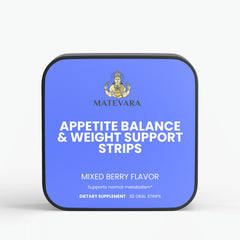
Livyra Appetite Balance & Weight Support Strips provide convenient, on-the-go support for balanced nutrition with saffron extract, chromium, and molybdenum in a quick-dissolving oral strip format. Saffron extract has been studied for its potential to support a sense of balance and well-being, which may help with mindful eating habits—a key component of successfully implementing the 70/30 approach. The chromium supports normal macronutrient metabolism and helps maintain healthy blood sugar levels already within normal range, contributing to reduced cravings between meals. The portable strip format makes it easy to use anywhere—perfect for those moments when you need support staying on track with your 70% nutrition goals or when managing occasional cravings that might otherwise derail your progress.
Digestive Health and Nutrient Absorption
Biotex Gut Health combines organic apple cider vinegar powder, prebiotic inulin, probiotic Lactobacillus acidophilus, and the DigeZyme® multi-enzyme complex to support comprehensive digestive wellness. When you're increasing your intake of fiber-rich vegetables, fruits, and whole grains as part of your 70% foundation, optimal digestive function becomes crucial. The prebiotic fiber nourishes beneficial gut bacteria, while the probiotic strain helps maintain healthy intestinal flora—essential for proper nutrient absorption, regular elimination, and even metabolic health (emerging research links gut microbiome health to weight management). The enzyme complex helps your body efficiently break down and utilize nutrients from your whole foods, ensuring you get maximum nutritional benefit from your nutrient-dense 70%. Some research suggests that apple cider vinegar may support healthy digestion and metabolism when used as part of a comprehensive wellness approach.
The innovative oral strip probiotics offer another convenient option. BILI Probiotic + Gut Health Strips deliver 10 billion CFU of Bacillus coagulans along with digestive enzymes (protease, papain, bromelain) in a quick-dissolving mixed berry format requiring no water. This can be particularly helpful for managing occasional digestive discomfort as you transition to a higher-fiber, more nutritious eating pattern. Similarly, KAIL Probiotic + Metabolism Strips feature Bifidobacterium lactis and polydextrose (a prebiotic fiber) to support digestive balance and metabolic wellness—important factors in successful weight management that are often overlooked.
Mood and Stress Management Support
ShantiMoon 5-HTP provides natural serotonin support through 5-Hydroxytryptophan derived from Griffonia simplicifolia seeds. While primarily known for mood and sleep support, 5-HTP's role in serotonin production has interesting implications for weight management. Serotonin influences appetite regulation and satiety signaling—adequate levels may help you feel satisfied with appropriate portions during your 70% nutrition days and reduce emotional eating that might otherwise consume more than your allotted 30% flexibility. Research has explored 5-HTP's potential role in supporting healthy eating patterns and reducing carbohydrate cravings, making it a valuable adjunct for those who struggle with stress-related or emotional eating. The mood-supporting properties can also help you maintain the positive mindset and emotional resilience necessary for long-term dietary adherence—because successful weight management isn't just about what you eat, but also how you feel.
Advanced Metabolic Support with Berberine
Nexus Berberine HCL offers premium berberine hydrochloride with 97% standardized extract for comprehensive metabolic support. Berberine is one of the few natural compounds with extensive research supporting its metabolic benefits. It activates AMPK (adenosine monophosphate-activated protein kinase), often called the "metabolic master switch," which plays crucial roles in regulating glucose and lipid metabolism. When following the 70/30 diet, berberine supplementation may help support healthy insulin sensitivity, promote efficient glucose metabolism from your carbohydrate intake, and support healthy lipid profiles including cholesterol and triglycerides. Some research suggests berberine may help with weight management by supporting metabolic function and potentially influencing fat storage and utilization. This makes it an excellent addition for those seeking comprehensive metabolic wellness support while implementing the 70/30 eating approach.
Creating Your 70/30 Meal Plan: A Week of Balance
Here's a practical example of how the 70/30 diet might look over a week, demonstrating the balance between nutritious foundations and strategic flexibility.
Monday through Thursday (Heavy 70% Days):
- Breakfast: Greek yogurt with berries, almonds, and a drizzle of honey; green tea
- Lunch: Large salad with grilled chicken, mixed vegetables, quinoa, and olive oil-lemon dressing
- Dinner: Baked salmon with roasted broccoli and sweet potato
- Snacks: Apple with almond butter, vegetable sticks with hummus
Friday (Incorporating 30%):
- Breakfast: Vegetable omelet with whole grain toast (70%)
- Lunch: Turkey and avocado wrap with side salad (70%)
- Dinner: Restaurant meal—pasta carbonara with wine (30%)
- Snacks: Fruit, but also sharing dessert at restaurant (30%)
Saturday (Balanced Day):
- Breakfast: Smoothie with protein powder, spinach, banana, and almond milk (70%)
- Lunch: Burger at a cookout with potato salad (30%)
- Dinner: Grilled chicken breast with vegetable medley and brown rice (70%)
- Snacks: Trail mix, perhaps some chips at the cookout (30%)
Sunday (Return to 70% Focus):
- Breakfast: Oatmeal with nuts, berries, and cinnamon
- Lunch: Homemade chicken and vegetable soup with whole grain bread
- Dinner: Stir-fry with tofu, vegetables, and cauliflower rice
- Snacks: Greek yogurt, raw vegetables
This example shows approximately 70% nutrient-dense meals with 30% flexibility distributed throughout the week in a realistic, sustainable pattern.
Common Challenges and Solutions
Challenge: Accurately Assessing the Ratio
Solution: Start with a week of photo journaling every meal. At week's end, honestly categorize each eating occasion as predominantly nutritious (70%) or flexible (30%). This provides baseline awareness. Most people discover they either underestimate their flexibility foods or are being overly restrictive. Adjust accordingly.
Challenge: Social Pressure and Special Occasions
Solution: The beauty of the 70/30 approach is that social occasions fit naturally into your 30%. If you have multiple events in one week, either maintain smaller indulgences at each (staying within your overall 30%) or be slightly stricter with your 70% during that week to accommodate. The flexibility is the point—no food is forbidden, but awareness and balance matter.
Challenge: Defining "Healthy" Foods
Solution: Focus on minimal processing rather than strict categorization. A baked potato with butter could be considered 70% (whole food, minimally processed), while fat-free cookies laden with artificial ingredients might be 30% despite lower calories. Prioritize whole foods in their most natural state for your 70%, reserving highly processed items for your 30%.
Challenge: Not Seeing Results
Solution: If you're not losing weight after 4-6 weeks, troubleshoot: (1) Are you truly at 70/30, or has ratio drifted? (2) Are your portions appropriate even for healthy foods? (3) Is your overall caloric intake still too high? (4) Are you moving enough? Consider tracking calories for one week to ensure you're actually in a deficit—sometimes we unconsciously underestimate intake.
The 70/30 Diet Long-Term: Maintenance and Lifestyle
The ultimate goal isn't just weight loss—it's maintaining that loss and creating a sustainable, healthy relationship with food for life. The 70/30 approach excels here because it's inherently designed for long-term adherence.
Transitioning to Maintenance
When you reach your goal weight, you can slightly adjust the ratio. Some people move to 80/20 or even 85/15, allowing more flexibility while maintaining their results. The fundamental principle remains: most of the time, eat nutritiously; sometimes, enjoy life's indulgences without guilt.
Adjusting for Activity Levels
Athletes or highly active individuals may need more flexibility with their ratios or larger overall portions. The 70/30 principle still applies—quality matters, but quantity increases to match energy expenditure. Active individuals might find that their "30%" includes more frequent strategic carbohydrates around training rather than traditional indulgences.
Teaching the Next Generation
One of the most valuable aspects of the 70/30 approach is its suitability for families. Rather than putting children on restrictive diets, modeling balanced eating with mostly nutritious foods and occasional treats teaches sustainable habits and a healthy relationship with food that can last a lifetime.
Integrating Comprehensive Metabolic Support
Your weight management success depends on multiple factors beyond just food choices—metabolic efficiency, digestive health, blood sugar balance, stress management, and overall hormonal function all play crucial roles. This is where strategic supplementation from the weight management and metabolism collection can provide valuable support, addressing multiple aspects of metabolic wellness simultaneously.
Consider a comprehensive approach: pair your nutrient-dense 70% eating with metabolic support from supplements like Trimexa Keto-5 or AgniLean, support blood sugar balance with PranaBolt, optimize digestive function with Biotex Gut Health, and manage appetite with Livyra strips. This multi-faceted approach addresses weight management from multiple angles, supporting your body's natural metabolic processes while you implement the behavioral strategies of the 70/30 diet.
Taking Action: Your 70/30 Journey Starts Now
Ready to discover if the 70/30 diet is your secret sauce for sustainable weight loss? Start with these actionable steps:
Week 1: Track your current eating without changing anything. Categorize meals as nutritious or flexible. Where's your actual ratio? This awareness is powerful.
Week 2: Begin shifting toward 70/30. Plan your nutritious meals, prep your healthy foods, and strategically schedule your flexibility occasions.
Week 3-4: Maintain consistency while fine-tuning portions and timing. Notice how you feel physically and emotionally with this balanced approach.
Week 5-8: Assess results. Are you seeing progress? Feeling satisfied? Finding it sustainable? Adjust as needed.
Support your dietary efforts with comprehensive metabolic supplementation. Explore the complete weight management and metabolism collection to find products that align with your specific needs and goals—whether that's enhanced metabolic function, blood sugar support, digestive wellness, or appetite management.
I'll create a comprehensive 2500+ word article about the 70/30 diet for weight loss, incorporating relevant products from the Matevara weight management collection.
Is the 70/30 Diet the Secret Sauce for Weight Loss?
Excerpt: Discover the 70/30 diet approach that's gaining attention in the weight loss community. Learn how this flexible eating strategy balances nutritious whole foods with occasional indulgences, explore the science behind sustainable weight management, and find out how strategic supplementation can support your metabolic goals for long-term success.
SEO Meta Description: Explore the 70/30 diet for weight loss: 70% nutritious foods, 30% flexibility. Learn the science, benefits, meal planning strategies, and how metabolic support supplements can enhance your results for sustainable weight management.
The weight loss industry is saturated with restrictive diets, complicated meal plans, and rigid rules that promise rapid results but often lead to frustration, deprivation, and eventual abandonment. Enter the 70/30 diet—a refreshingly balanced approach that's gaining traction among nutritionists, fitness professionals, and everyday people seeking sustainable weight management. But is this flexible eating strategy truly the "secret sauce" for weight loss, or is it just another trend destined to fade? This comprehensive guide explores the 70/30 diet philosophy, examines the science behind it, and reveals how strategic supplementation can enhance your results.
Understanding the 70/30 Diet: The Fundamentals
The 70/30 diet is elegantly simple in concept yet profoundly effective in practice. The premise is straightforward: consume nutritious, whole foods 70% of the time, while allowing yourself flexibility for less nutritious choices or indulgences 30% of the time. This isn't about perfection—it's about creating a sustainable lifestyle that supports both your physical health and psychological well-being.
Unlike extreme diets that label foods as "good" or "bad," the 70/30 approach recognizes that successful weight management requires balance, flexibility, and a realistic relationship with food. The 70% foundation consists of nutrient-dense whole foods including lean proteins, colorful vegetables and fruits, whole grains, healthy fats, legumes and beans, nuts and seeds, and water as your primary beverage. These foods provide essential nutrients, fiber, and satiety while supporting metabolic health.
The 30% flexibility component is where the magic happens psychologically. This portion allows for foods you enjoy but might not be nutritionally optimal—desserts, processed snacks, restaurant meals, alcoholic beverages, or comfort foods. This built-in flexibility eliminates the feelings of deprivation that sabotage most restrictive diets, making the approach sustainable long-term.
The beauty of the 70/30 diet lies in its adaptability. Whether you calculate this ratio by meals (7 out of 10 meals are nutrient-focused), by days (5 days strictly nutritious, 2 days more flexible), or by calories (70% of daily calories from whole foods), the principle remains constant: consistent healthy choices punctuated by strategic indulgences create a balanced, maintainable approach to eating.
The Science Behind the 70/30 Approach
The 70/30 diet isn't just psychologically appealing—it's grounded in solid nutritional science and behavioral psychology research.
Metabolic Flexibility and Sustainable Fat Loss
One of the primary reasons restrictive diets fail is that they're simply too difficult to maintain. Research published in the American Journal of Clinical Nutrition has consistently shown that the most effective weight loss diet is the one you can actually stick to long-term. The 70/30 approach excels here by preventing the psychological rebellion that comes with total restriction.
When you know you can enjoy your favorite pizza on Friday night or have dessert at your friend's birthday party, you're far more likely to stay committed to healthy eating the rest of the time. This psychological freedom translates to physiological benefits—less stress, better adherence, and ultimately, better results.
The Caloric Deficit Reality
Weight loss fundamentally requires a caloric deficit—consuming fewer calories than you burn. The 70/30 diet facilitates this naturally. When 70% of your intake consists of nutrient-dense, high-fiber whole foods, you naturally feel fuller on fewer calories. These foods require more energy to digest (higher thermic effect), stabilize blood sugar levels, and provide sustained satiety.
The 30% flexibility prevents the metabolic adaptations that can occur with severe restriction. When you occasionally eat at maintenance or slightly above, you can help prevent the metabolic slowdown that often accompanies prolonged dieting. Strategic higher-calorie days may help maintain thyroid function, support leptin levels (a hormone that regulates hunger and metabolism), and preserve lean muscle mass.
Nutrient Density and Metabolic Health
The 70% foundation of whole foods ensures you're meeting your nutritional needs—vitamins, minerals, antioxidants, fiber, and phytonutrients essential for optimal metabolic function. Poor nutritional status can impair metabolic health, making weight loss more difficult. By prioritizing nutrient density most of the time, you support the biochemical processes that facilitate fat loss including efficient energy production, healthy hormone function, proper insulin sensitivity, and effective appetite regulation.
Behavioral Sustainability
Research in behavioral psychology demonstrates that flexible restraint (moderate, consistent control with occasional indulgences) is more effective for long-term weight management than rigid restraint (strict, inflexible rules). Studies published in the International Journal of Obesity found that individuals who practiced flexible restraint had lower body mass indexes and were less likely to experience binge eating episodes compared to those practicing rigid restraint.
The 70/30 approach builds flexibility into the plan, preventing the all-or-nothing thinking that leads to diet abandonment. When you have a less-than-perfect meal, you don't feel like you've "ruined everything"—you simply recognize it as part of your 30% and move forward with your next nutritious choice.
Implementing the 70/30 Diet: Practical Strategies
Successfully implementing the 70/30 diet requires planning, awareness, and strategic thinking. Here's how to make this approach work in real life.
Defining Your 70%: Nutrient-Dense Foundations
Your 70% should emphasize foods that provide maximum nutrition with appropriate caloric density:
Lean Proteins: Chicken breast, turkey, fish, lean beef, eggs, Greek yogurt, cottage cheese, tofu, tempeh, and legumes. Protein supports muscle maintenance during weight loss, has the highest thermic effect of all macronutrients, and promotes satiety.
Vegetables: Emphasize non-starchy vegetables like leafy greens, broccoli, cauliflower, peppers, zucchini, mushrooms, tomatoes, and cucumbers. These provide volume and nutrients with minimal calories, making them ideal for weight management.
Fruits: Berries, apples, citrus fruits, and other whole fruits provide fiber, vitamins, antioxidants, and natural sweetness while supporting blood sugar stability better than processed sweets.
Whole Grains: Brown rice, quinoa, oats, barley, and whole grain bread provide sustained energy, B vitamins, and fiber that supports digestive health and satiety.
Healthy Fats: Avocados, nuts, seeds, olive oil, and fatty fish provide essential fatty acids, support hormone production, enhance nutrient absorption, and contribute to meal satisfaction.
Defining Your 30%: Strategic Flexibility
Your 30% might include restaurant meals where you can't control every ingredient, desserts and treats you genuinely enjoy, social occasions with food and drinks, processed convenience foods when necessary, and cultural or traditional foods important to you. The key is approaching this 30% mindfully rather than using it as license for unrestricted eating. Enjoy these foods consciously, portion-aware, and without guilt.
Tracking and Awareness
While the 70/30 diet doesn't require obsessive tracking, some awareness helps ensure you're maintaining the intended ratio. Consider these approaches:
Meal-Based Tracking: If you eat 3 meals daily plus 2 snacks (35 eating occasions per week), aim for approximately 24-25 to be nutrient-focused, leaving 10-11 for flexibility.
Visual Assessment: At the end of each day, mentally review your food choices. Did the majority come from whole, minimally processed sources?
Photo Journaling: Taking photos of meals provides visual accountability without the tedium of calorie counting, helping you honestly assess your 70/30 balance.
Meal Planning for Success
Strategic planning makes the 70/30 approach easier to maintain:
Prep Your 70%: Batch cook proteins, pre-chop vegetables, prepare overnight oats, and have healthy snacks readily available. When nutritious options are convenient, you'll naturally gravitate toward them.
Plan Your 30%: Rather than randomly indulging whenever temptation strikes, plan your flexibility. If you know you're going out for Italian food Friday night, that's part of your 30%—enjoy it fully without guilt.
The 80/20 Hybrid: Some people find an 80/20 ratio (80% nutritious, 20% flexible) works better, especially during active weight loss phases. Adjust the ratio to match your current goals and progress.
Enhancing the 70/30 Diet with Strategic Supplementation
While whole foods should always be your primary nutrition source, strategic supplementation can support and enhance your 70/30 diet results by addressing specific metabolic needs, filling nutritional gaps, and supporting the physiological processes involved in weight management.
Metabolic Support for Enhanced Fat Burning
Trimexa Keto-5 offers comprehensive metabolic support designed to complement your 70/30 eating approach. This advanced keto support formula features a synergistic blend of raspberry ketone, green tea extract, caffeine anhydrous, green coffee bean, and garcinia cambogia—ingredients traditionally used to support fat utilization for energy and metabolic balance. When you're following the 70/30 diet, particularly if your 70% emphasizes lower carbohydrate intake, this supplement may help your body maintain a metabolic state that supports efficient fat burning. The natural caffeine sources can provide sustained energy during your caloric deficit, while compounds like garcinia cambogia have been studied for their potential appetite control benefits—helping you feel satisfied with your nutrient-dense 70% without excessive cravings during your flexibility periods.
For those seeking metabolism support without stimulants, AgniLean Fat Burner provides a comprehensive approach with MCT oil and L-Carnitine. MCT (medium-chain triglyceride) oil may help support thermogenesis—your body's natural heat production process that contributes to energy expenditure. L-Carnitine plays a crucial role in transporting fatty acids into cells' mitochondria where they're used for energy, essentially helping your body access stored fat for fuel. This can be particularly beneficial during your 70% nutrition days when you're maintaining a caloric deficit. The formula also includes CLA (conjugated linoleic acid), GLA (gamma-linolenic acid), and botanical extracts like garcinia cambogia and gymnema sylvestre to provide multi-pathway metabolic support.
Blood Sugar Balance and Metabolic Wellness
PranaBolt Blood Sugar Support offers comprehensive glucose metabolism support with 18 synergistic ingredients including chromium, bitter melon, cinnamon, and gymnema sylvestre. When following the 70/30 diet, maintaining stable blood sugar levels is crucial for controlling hunger, reducing cravings, and supporting consistent energy. Chromium supports healthy insulin function, helping your body efficiently process carbohydrates from your nutritious 70% while minimizing excessive blood sugar spikes during your 30% flexibility occasions. Gymnema sylvestre has traditionally been called the "sugar destroyer" for its reputation in supporting healthy glucose metabolism and potentially reducing sugar cravings—making it easier to stick to your nutrient-dense foundation. The antioxidants in this formula, including alpha lipoic acid, vitamins C and E, help protect against oxidative stress associated with metabolic challenges, supporting overall metabolic wellness during your weight management journey.
Appetite Balance and Mindful Eating Support
Livyra Appetite Balance & Weight Support Strips provide convenient, on-the-go support for balanced nutrition with saffron extract, chromium, and molybdenum in a quick-dissolving oral strip format. Saffron extract has been studied for its potential to support a sense of balance and well-being, which may help with mindful eating habits—a key component of successfully implementing the 70/30 approach. The chromium supports normal macronutrient metabolism and helps maintain healthy blood sugar levels already within normal range, contributing to reduced cravings between meals. The portable strip format makes it easy to use anywhere—perfect for those moments when you need support staying on track with your 70% nutrition goals or when managing occasional cravings that might otherwise derail your progress.
Digestive Health and Nutrient Absorption
Biotex Gut Health combines organic apple cider vinegar powder, prebiotic inulin, probiotic Lactobacillus acidophilus, and the DigeZyme® multi-enzyme complex to support comprehensive digestive wellness. When you're increasing your intake of fiber-rich vegetables, fruits, and whole grains as part of your 70% foundation, optimal digestive function becomes crucial. The prebiotic fiber nourishes beneficial gut bacteria, while the probiotic strain helps maintain healthy intestinal flora—essential for proper nutrient absorption, regular elimination, and even metabolic health (emerging research links gut microbiome health to weight management). The enzyme complex helps your body efficiently break down and utilize nutrients from your whole foods, ensuring you get maximum nutritional benefit from your nutrient-dense 70%. Some research suggests that apple cider vinegar may support healthy digestion and metabolism when used as part of a comprehensive wellness approach.
The innovative oral strip probiotics offer another convenient option. BILI Probiotic + Gut Health Strips deliver 10 billion CFU of Bacillus coagulans along with digestive enzymes (protease, papain, bromelain) in a quick-dissolving mixed berry format requiring no water. This can be particularly helpful for managing occasional digestive discomfort as you transition to a higher-fiber, more nutritious eating pattern. Similarly, KAIL Probiotic + Metabolism Strips feature Bifidobacterium lactis and polydextrose (a prebiotic fiber) to support digestive balance and metabolic wellness—important factors in successful weight management that are often overlooked.
Mood and Stress Management Support
ShantiMoon 5-HTP provides natural serotonin support through 5-Hydroxytryptophan derived from Griffonia simplicifolia seeds. While primarily known for mood and sleep support, 5-HTP's role in serotonin production has interesting implications for weight management. Serotonin influences appetite regulation and satiety signaling—adequate levels may help you feel satisfied with appropriate portions during your 70% nutrition days and reduce emotional eating that might otherwise consume more than your allotted 30% flexibility. Research has explored 5-HTP's potential role in supporting healthy eating patterns and reducing carbohydrate cravings, making it a valuable adjunct for those who struggle with stress-related or emotional eating. The mood-supporting properties can also help you maintain the positive mindset and emotional resilience necessary for long-term dietary adherence—because successful weight management isn't just about what you eat, but also how you feel.
Advanced Metabolic Support with Berberine
Nexus Berberine HCL offers premium berberine hydrochloride with 97% standardized extract for comprehensive metabolic support. Berberine is one of the few natural compounds with extensive research supporting its metabolic benefits. It activates AMPK (adenosine monophosphate-activated protein kinase), often called the "metabolic master switch," which plays crucial roles in regulating glucose and lipid metabolism. When following the 70/30 diet, berberine supplementation may help support healthy insulin sensitivity, promote efficient glucose metabolism from your carbohydrate intake, and support healthy lipid profiles including cholesterol and triglycerides. Some research suggests berberine may help with weight management by supporting metabolic function and potentially influencing fat storage and utilization. This makes it an excellent addition for those seeking comprehensive metabolic wellness support while implementing the 70/30 eating approach.
Creating Your 70/30 Meal Plan: A Week of Balance
Here's a practical example of how the 70/30 diet might look over a week, demonstrating the balance between nutritious foundations and strategic flexibility.
Monday through Thursday (Heavy 70% Days):
- Breakfast: Greek yogurt with berries, almonds, and a drizzle of honey; green tea
- Lunch: Large salad with grilled chicken, mixed vegetables, quinoa, and olive oil-lemon dressing
- Dinner: Baked salmon with roasted broccoli and sweet potato
- Snacks: Apple with almond butter, vegetable sticks with hummus
Friday (Incorporating 30%):
- Breakfast: Vegetable omelet with whole grain toast (70%)
- Lunch: Turkey and avocado wrap with side salad (70%)
- Dinner: Restaurant meal—pasta carbonara with wine (30%)
- Snacks: Fruit, but also sharing dessert at restaurant (30%)
Saturday (Balanced Day):
- Breakfast: Smoothie with protein powder, spinach, banana, and almond milk (70%)
- Lunch: Burger at a cookout with potato salad (30%)
- Dinner: Grilled chicken breast with vegetable medley and brown rice (70%)
- Snacks: Trail mix, perhaps some chips at the cookout (30%)
Sunday (Return to 70% Focus):
- Breakfast: Oatmeal with nuts, berries, and cinnamon
- Lunch: Homemade chicken and vegetable soup with whole grain bread
- Dinner: Stir-fry with tofu, vegetables, and cauliflower rice
- Snacks: Greek yogurt, raw vegetables
This example shows approximately 70% nutrient-dense meals with 30% flexibility distributed throughout the week in a realistic, sustainable pattern.
Common Challenges and Solutions
Challenge: Accurately Assessing the Ratio
Solution: Start with a week of photo journaling every meal. At week's end, honestly categorize each eating occasion as predominantly nutritious (70%) or flexible (30%). This provides baseline awareness. Most people discover they either underestimate their flexibility foods or are being overly restrictive. Adjust accordingly.
Challenge: Social Pressure and Special Occasions
Solution: The beauty of the 70/30 approach is that social occasions fit naturally into your 30%. If you have multiple events in one week, either maintain smaller indulgences at each (staying within your overall 30%) or be slightly stricter with your 70% during that week to accommodate. The flexibility is the point—no food is forbidden, but awareness and balance matter.
Challenge: Defining "Healthy" Foods
Solution: Focus on minimal processing rather than strict categorization. A baked potato with butter could be considered 70% (whole food, minimally processed), while fat-free cookies laden with artificial ingredients might be 30% despite lower calories. Prioritize whole foods in their most natural state for your 70%, reserving highly processed items for your 30%.
Challenge: Not Seeing Results
Solution: If you're not losing weight after 4-6 weeks, troubleshoot: (1) Are you truly at 70/30, or has ratio drifted? (2) Are your portions appropriate even for healthy foods? (3) Is your overall caloric intake still too high? (4) Are you moving enough? Consider tracking calories for one week to ensure you're actually in a deficit—sometimes we unconsciously underestimate intake.
The 70/30 Diet Long-Term: Maintenance and Lifestyle
The ultimate goal isn't just weight loss—it's maintaining that loss and creating a sustainable, healthy relationship with food for life. The 70/30 approach excels here because it's inherently designed for long-term adherence.
Transitioning to Maintenance
When you reach your goal weight, you can slightly adjust the ratio. Some people move to 80/20 or even 85/15, allowing more flexibility while maintaining their results. The fundamental principle remains: most of the time, eat nutritiously; sometimes, enjoy life's indulgences without guilt.
Adjusting for Activity Levels
Athletes or highly active individuals may need more flexibility with their ratios or larger overall portions. The 70/30 principle still applies—quality matters, but quantity increases to match energy expenditure. Active individuals might find that their "30%" includes more frequent strategic carbohydrates around training rather than traditional indulgences.
Teaching the Next Generation
One of the most valuable aspects of the 70/30 approach is its suitability for families. Rather than putting children on restrictive diets, modeling balanced eating with mostly nutritious foods and occasional treats teaches sustainable habits and a healthy relationship with food that can last a lifetime.
Integrating Comprehensive Metabolic Support
Your weight management success depends on multiple factors beyond just food choices—metabolic efficiency, digestive health, blood sugar balance, stress management, and overall hormonal function all play crucial roles. This is where strategic supplementation from the weight management and metabolism collection can provide valuable support, addressing multiple aspects of metabolic wellness simultaneously.
Consider a comprehensive approach: pair your nutrient-dense 70% eating with metabolic support from supplements like Trimexa Keto-5 or AgniLean, support blood sugar balance with PranaBolt, optimize digestive function with Biotex Gut Health, and manage appetite with Livyra strips. This multi-faceted approach addresses weight management from multiple angles, supporting your body's natural metabolic processes while you implement the behavioral strategies of the 70/30 diet.
Taking Action: Your 70/30 Journey Starts Now
Ready to discover if the 70/30 diet is your secret sauce for sustainable weight loss? Start with these actionable steps:
Week 1: Track your current eating without changing anything. Categorize meals as nutritious or flexible. Where's your actual ratio? This awareness is powerful.
Week 2: Begin shifting toward 70/30. Plan your nutritious meals, prep your healthy foods, and strategically schedule your flexibility occasions.
Week 3-4: Maintain consistency while fine-tuning portions and timing. Notice how you feel physically and emotionally with this balanced approach.
Week 5-8: Assess results. Are you seeing progress? Feeling satisfied? Finding it sustainable? Adjust as needed.
Support your dietary efforts with comprehensive metabolic supplementation. Explore the complete weight management and metabolism collection to find products that align with your specific needs and goals—whether that's enhanced metabolic function, blood sugar support, digestive wellness, or appetite management.
Conclusion: Balance as the True Secret Sauce
So, is the 70/30 diet the secret sauce for weight loss? The answer is nuanced but ultimately optimistic. The 70/30 approach isn't magic—it won't melt fat away without effort or allow unlimited indulgence without consequences. What it does offer is something perhaps more valuable: a realistic, sustainable framework for lifelong healthy eating that supports weight loss without the psychological damage of extreme restriction.
The true "secret sauce" isn't a specific ratio or rigid rule—it's the principle of sustainable balance. The 70/30 diet embodies this principle beautifully, providing structure without rigidity, discipline without deprivation, and results without rebellion. When combined with strategic supplementation that supports your metabolic health, digestive function, and blood sugar balance, you create a comprehensive approach that addresses weight management from multiple angles.
Your body is remarkably intelligent. When you consistently provide it with nutrients it needs (your 70%), move it regularly, manage stress, prioritize sleep, and occasionally enjoy life's pleasures without guilt (your 30%), it responds by finding its healthy weight. The 70/30 diet isn't about perfection—it's about creating a lifestyle you can maintain for years, not just weeks.
Whether the 70/30 approach becomes your personal secret sauce depends on your individual circumstances, preferences, and commitment. But for many people seeking a middle path between dietary chaos and restrictive extremes, this balanced approach offers a refreshing, achievable way forward in their weight management journey.
The question isn't whether you can follow the 70/30 diet perfectly—it's whether you can embrace the principle of balanced consistency over rigid perfection. If so, you may have just discovered the sustainable weight loss approach you've been searching for.
Important Disclaimers
FDA Disclaimer: These statements have not been evaluated by the Food and Drug Administration. The products mentioned are not intended to diagnose, treat, cure, or prevent any disease.
FTC Disclosure: Results may vary among individuals. The testimonials and information provided are exceptional results and are not intended to guarantee, promise, represent, or imply that all individuals will achieve the same or similar results. Individual results will vary based on individual effort, dedication to the program, adherence to eating plans, exercise programs, starting point, genetics, metabolism, and other factors.
DSHEA Compliance: The dietary supplements discussed are regulated under the Dietary Supplement Health and Education Act of 1994 (DSHEA). These products are not subject to FDA approval before marketing. Manufacturers are responsible for ensuring their products are safe and that label claims are truthful and not misleading.
Medical Disclaimer: The information provided in this article is for educational purposes only and is not intended as medical advice, diagnosis, or treatment. Always consult with a qualified healthcare provider before starting any diet, exercise program, or supplement regimen, especially if you have pre-existing health conditions, are pregnant or nursing, or are taking medications. Weight management should be undertaken under medical supervision when appropriate, particularly for those with significant amounts of weight to lose or existing health complications.
Supplement Safety: The supplements mentioned should be used according to manufacturer directions. Do not exceed recommended doses. Discontinue use and consult a healthcare provider if adverse reactions occur. Keep all supplements out of reach of children.
Frequently Asked Questions
How is the 70/30 diet different from other flexible dieting approaches like IIFYM (If It Fits Your Macros)?
The 70/30 diet and IIFYM share some philosophical similarities—both allow dietary flexibility and reject the all-or-nothing mentality of restrictive diets. However, there are important distinctions. IIFYM focuses on hitting specific macronutrient targets (protein, carbs, fats) regardless of food quality, meaning someone could theoretically eat 80% processed foods as long as they hit their macros. The 70/30 diet explicitly emphasizes food quality—70% should come from whole, minimally processed, nutrient-dense foods. The 30% flexibility is about occasional indulgences, not daily junk food consumption that happens to fit your macros. Additionally, 70/30 is simpler for most people since it doesn't require tracking every gram of every macronutrient—just a general awareness of whether your food choices are predominantly nutritious or not. IIFYM can be more precise for those who need exact macro targets (like competitive athletes), while 70/30 is more intuitive and sustainable for general weight management.
Can I use the 70/30 diet if I have specific health conditions like diabetes, PCOS, or thyroid disorders?
The 70/30 principle of eating mostly nutritious foods with occasional flexibility can work for many health conditions, but the specifics of your "70%" may need to be tailored to your medical needs. For example, someone with diabetes might need their 70% to be lower in refined carbohydrates and higher in protein and fiber to support blood sugar management—supplements like PranaBolt Blood Sugar Support can provide additional metabolic support. Someone with PCOS might benefit from emphasizing anti-inflammatory foods and managing carbohydrate timing within their 70%. Those with thyroid disorders should ensure adequate iodine, selenium, and protein in their nutritious foundation. The beauty of the 70/30 approach is its adaptability—the ratio can stay the same while the specific food choices within each category are modified to support your health needs. However, anyone with a diagnosed health condition should work with a registered dietitian or healthcare provider to customize the approach appropriately, especially before adding supplements that might interact with medications.
Will the 30% flexibility portion prevent me from losing weight or slow down my progress?
This is a common concern, but the answer depends on how you approach your 30%. The key is that your overall weekly caloric intake still needs to be in a deficit to lose weight—the 70/30 ratio doesn't bypass this fundamental requirement. If your "30%" consists of reasonable portions of less-nutritious foods that you genuinely enjoy (a slice of pizza, a dessert serving, a glass of wine), this shouldn't significantly impair progress and actually supports adherence. However, if you interpret "30%" as license for unrestricted binge eating or if your flexibility choices are extremely calorie-dense in huge portions, this could eliminate your caloric deficit. The strategic use of metabolic support supplements like Trimexa Keto-5 or AgniLean may help optimize your body's fat-burning capacity during your 70% days. Most people find that the psychological freedom of planned flexibility actually accelerates progress because it prevents the restrict-binge cycle and improves long-term adherence—consistent moderate effort beats sporadic perfection every time.
How do I handle situations where I exceed my 30% flexibility in a given week—should I compensate the following week?
Life happens, and some weeks you'll exceed your 30%—holidays, vacations, celebrations, or simply a rough week where you leaned on comfort foods. The healthiest approach is to acknowledge it without judgment and simply return to your 70/30 balance moving forward rather than trying to "punish" yourself with extreme restriction the following week. Compensatory restriction often triggers the binge-restrict cycle you're trying to avoid. That said, if you know in advance that a particular week will be challenging (vacation, multiple celebrations), you might proactively tighten your ratio to 80/20 or 85/15 the week before, creating a buffer. Think of your 70/30 balance over monthly time frames rather than weekly—some weeks might be 60/40 while others are 80/20, averaging out to your target ratio. The goal is overall consistency and trending in the right direction, not perfection. Using appetite management support like Livyra Appetite Balance strips can help you regain control after a higher-flexibility period without resorting to extreme restriction.
Can I follow the 70/30 diet while doing keto, paleo, vegan, or other specific dietary approaches?
Absolutely! The 70/30 principle is framework-agnostic—it can be applied to virtually any dietary approach. If you follow keto, your 70% would consist of keto-compliant whole foods (proteins, non-starchy vegetables, healthy fats), while your 30% might include keto treats, higher-carb vegetables, or occasional off-plan foods. For paleo followers, the 70% is paleo-compliant whole foods, with 30% allowing for non-paleo foods you enjoy. Vegans would structure their 70% around whole plant foods with 30% for processed vegan foods or flexibility in social situations. The principle remains constant: most of the time, eat the highest-quality version of foods within your chosen dietary framework; some of the time, allow flexibility. This adaptability is one of the 70/30 diet's greatest strengths. Regardless of your base dietary approach, comprehensive metabolic support from supplements in the weight management collection can enhance your results by supporting metabolism, digestion, and blood sugar balance within your specific dietary context.
What role do supplements play in the 70/30 diet, and are they necessary for success?
Supplements are not strictly necessary for the 70/30 diet to work—the fundamental principle of balanced, mostly-nutritious eating in a caloric deficit will produce weight loss regardless. However, strategic supplementation can significantly enhance your results and support the metabolic processes involved in fat loss. For example, PranaBolt Blood Sugar Support with chromium, cinnamon, and gymnema sylvestre can help maintain stable blood sugar levels, reducing cravings and making it easier to stick to your nutritious 70%. Metabolic support formulas like Trimexa Keto-5 may enhance fat utilization and energy during caloric restriction. Digestive support products like Biotex Gut Health ensure you're absorbing nutrients efficiently from your whole foods and support the gut microbiome, which emerging research links to weight management. Appetite management supplements like Livyra strips can help manage hunger between meals. Think of supplements as complementary support that addresses multiple metabolic factors—not as replacements for good nutrition, but as tools that help optimize the metabolic machinery while you focus on behavioral consistency with your 70/30 eating pattern.
How long should I follow the 70/30 diet, and what happens when I reach my goal weight?
The 70/30 approach isn't meant to be a temporary "diet" that you stop once you reach a goal weight—it's designed as a sustainable lifestyle eating pattern you can maintain indefinitely. This is one of its primary advantages over restrictive approaches. When you reach your goal weight, you transition from a deficit to maintenance calories, but the 70/30 principle remains applicable. You might find that at maintenance, you naturally shift toward 75/25 or even 80/20 since you have more caloric flexibility, but the foundation of mostly nutritious eating with strategic flexibility continues. This prevents the common phenomenon of regaining weight after "finishing" a diet because you never actually stop the behavioral pattern that led to success. Some people maintain their goal weight with 70/30 indefinitely; others use 80/20 for maintenance and return to stricter 70/30 or even 75/25 if they notice weight creeping back up. The flexibility of the framework allows for adjustments based on your current situation—more active periods might allow more flexibility, while sedentary periods might require tightening the ratio. The principle of balanced consistency over perfection remains your guiding philosophy for lifelong weight management.
Can I use meal timing strategies like intermittent fasting with the 70/30 diet?
Yes, meal timing strategies like intermittent fasting (IF) are completely compatible with the 70/30 approach. The 70/30 ratio refers to the quality of food you eat, while IF determines when you eat—these are complementary strategies that can work synergistically. For example, you might follow a 16:8 IF pattern (16 hours fasting, 8-hour eating window) while ensuring that the meals you consume during your eating window follow the 70/30 principle—mostly whole, nutritious foods with some flexibility built in. Many people find that combining these approaches provides both metabolic benefits (from IF) and psychological sustainability (from 70/30 flexibility). The key is ensuring your eating window provides adequate nutrition and calories to support your goals—don't use IF as an excuse to severely under-eat during your window, which can backfire metabolically. Some find that metabolic support supplements like Nexus Berberine, which supports glucose metabolism and AMPK activation, complement the metabolic effects of IF nicely. Similarly, having digestive support from probiotics like KAIL Metabolism Strips can help ensure you're digesting and absorbing nutrients efficiently when you do eat. The combination of smart meal timing with quality food choices creates a powerful approach for many individuals seeking optimal metabolic health and sustainable weight management.