Vitamins & Minerals
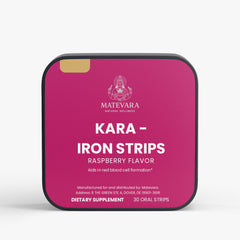
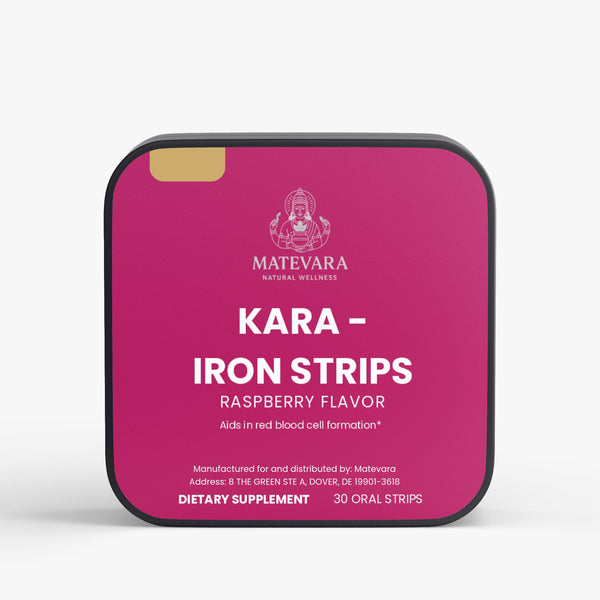
KARA Iron Strips |Energy & Red Blood Cell Support | 30 Count (1.2 oz)
$23.99
$33.95
Save 43%
Save 43% — Subscribe from $19.20/mo
Shop By
Popular in Health Goals

Ancient healing.
Modern proof.
The supplements most people have tried were built for marketing, not for results. Matevara was built the other way, start with what Ayurveda has proven over 5,000 years, then validate every ingredient against modern clinical research. That is the difference you will feel.
Not sure where to start? Take the 30-second quiz above.


What does your body
need right now?
Start with your symptom. We will match you to the right formula, not the most expensive one, the most relevant one. 12 goals. 100+ targeted formulas.
Not sure where to start?
Browse All 12 Health Goals →Or click any goal above to go straight to matching products
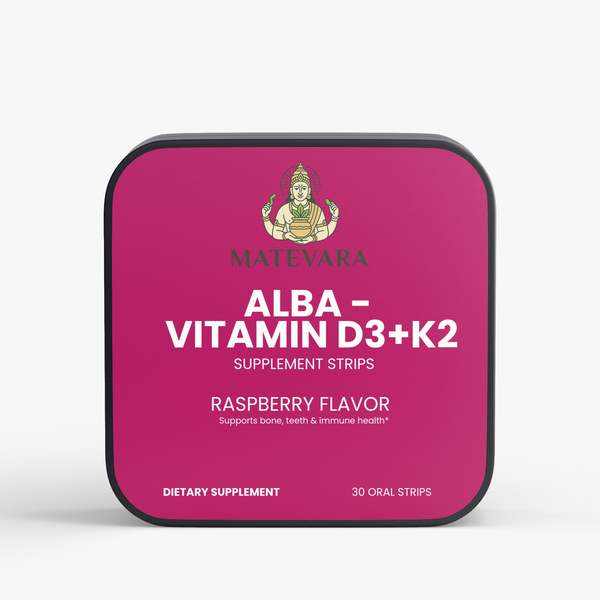
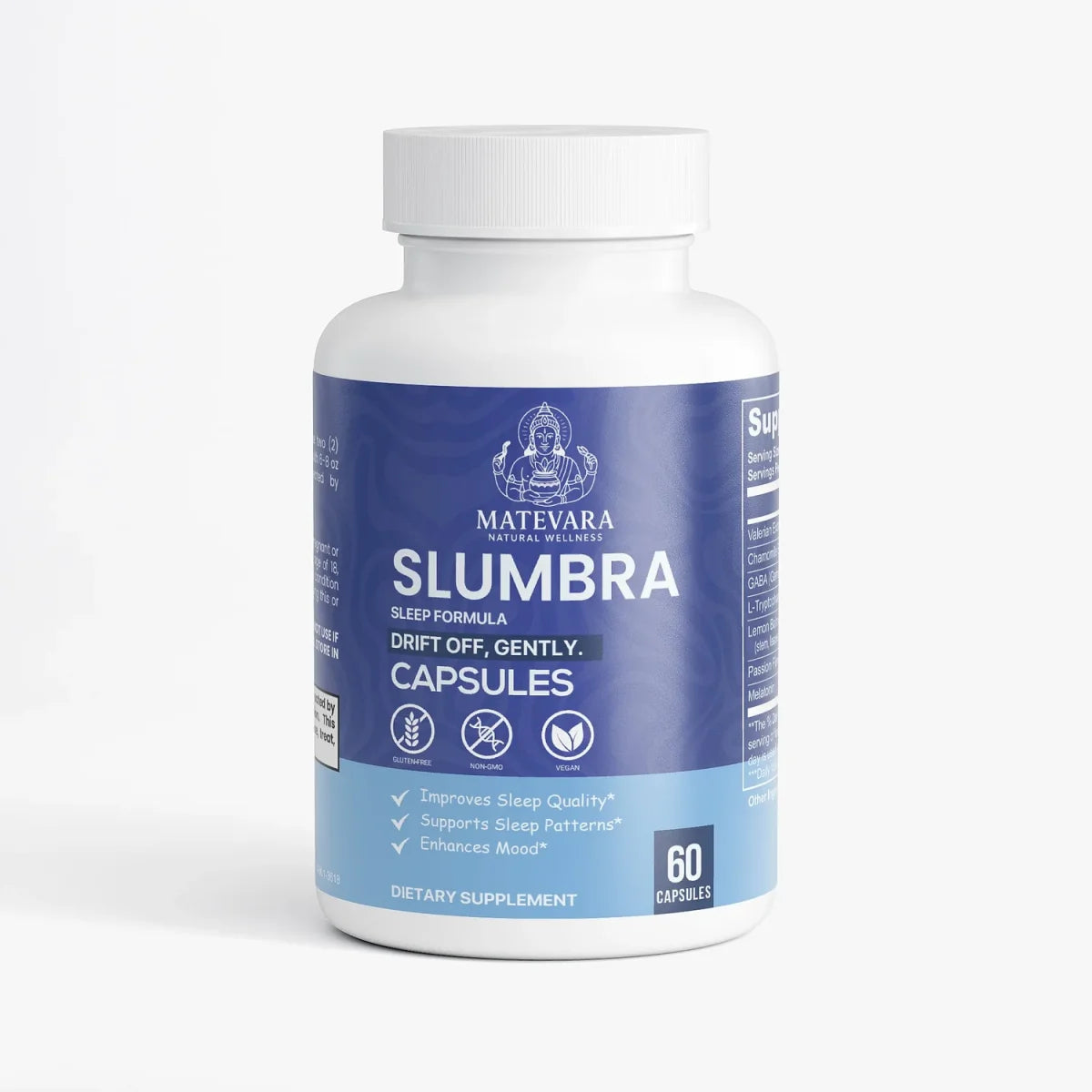
Our customers' most-loved this week
You can edit or cancel your subscriptions anytime, based on your needs.
The products our community
keeps coming back for
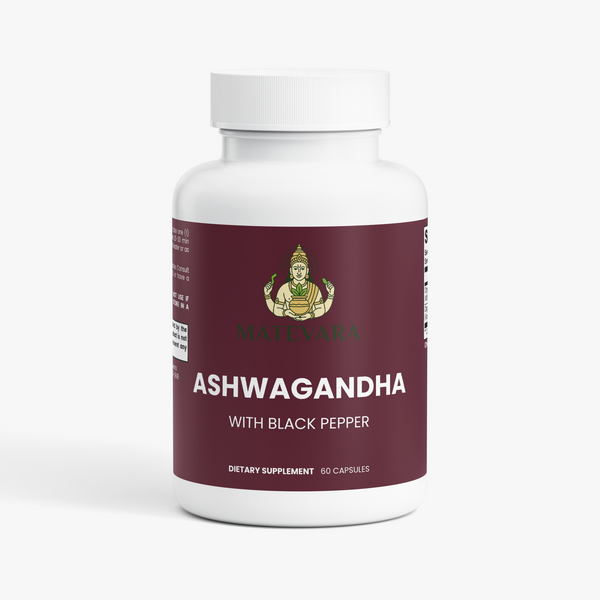
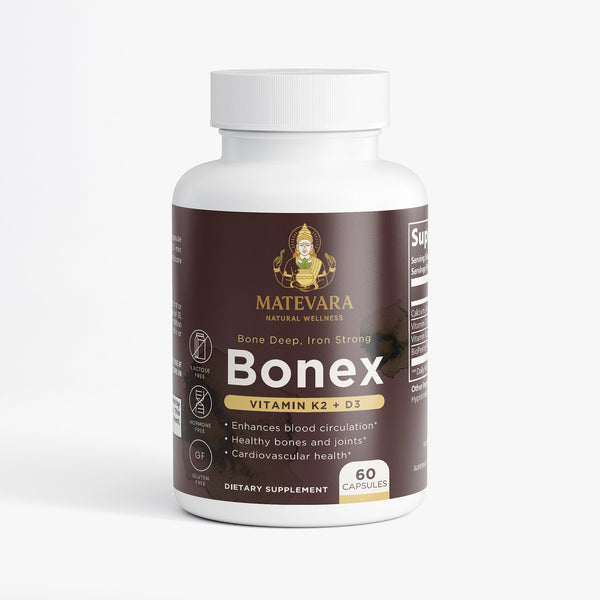
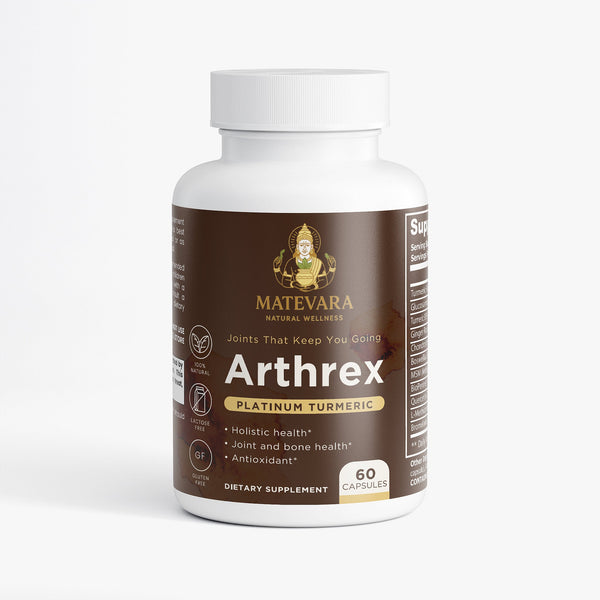
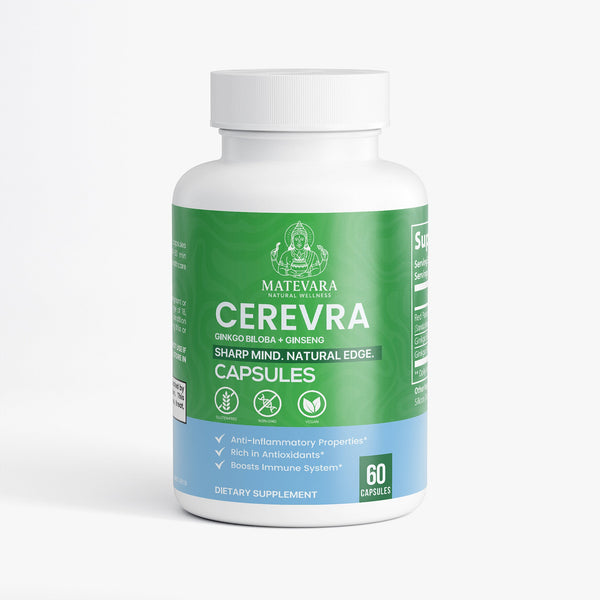
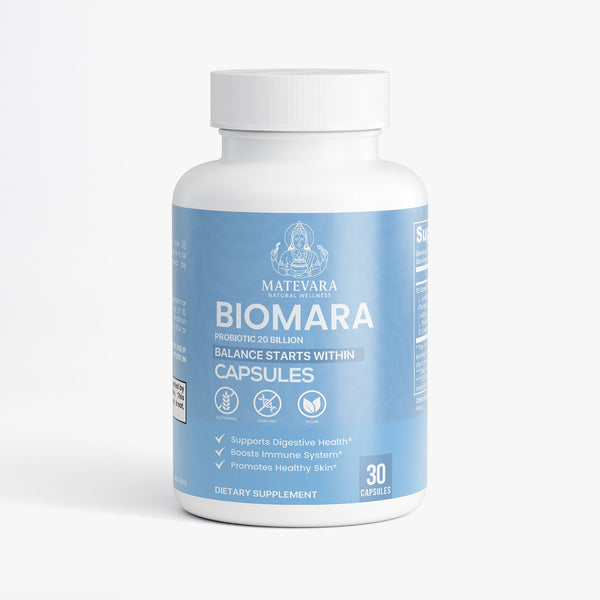

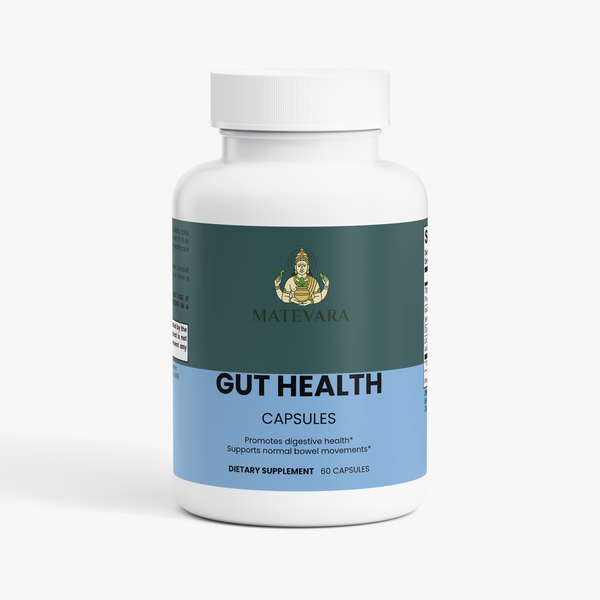
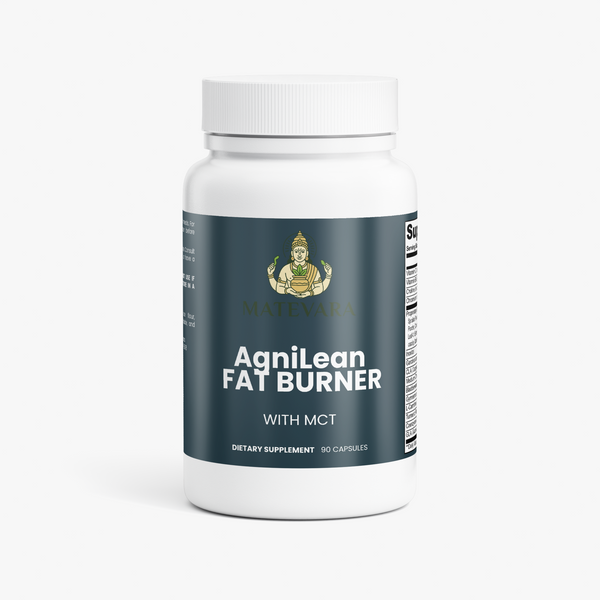
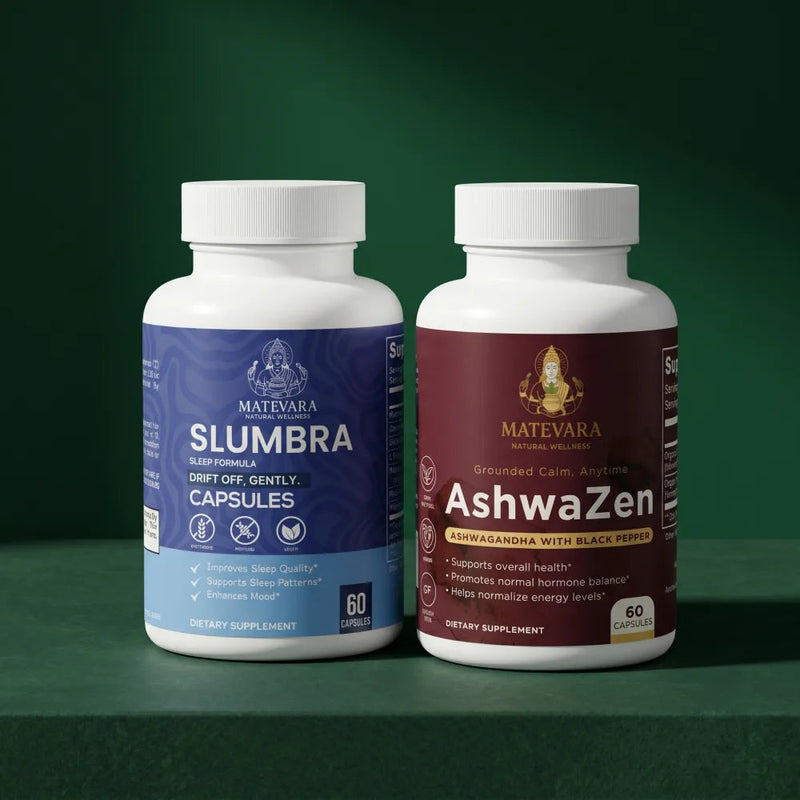
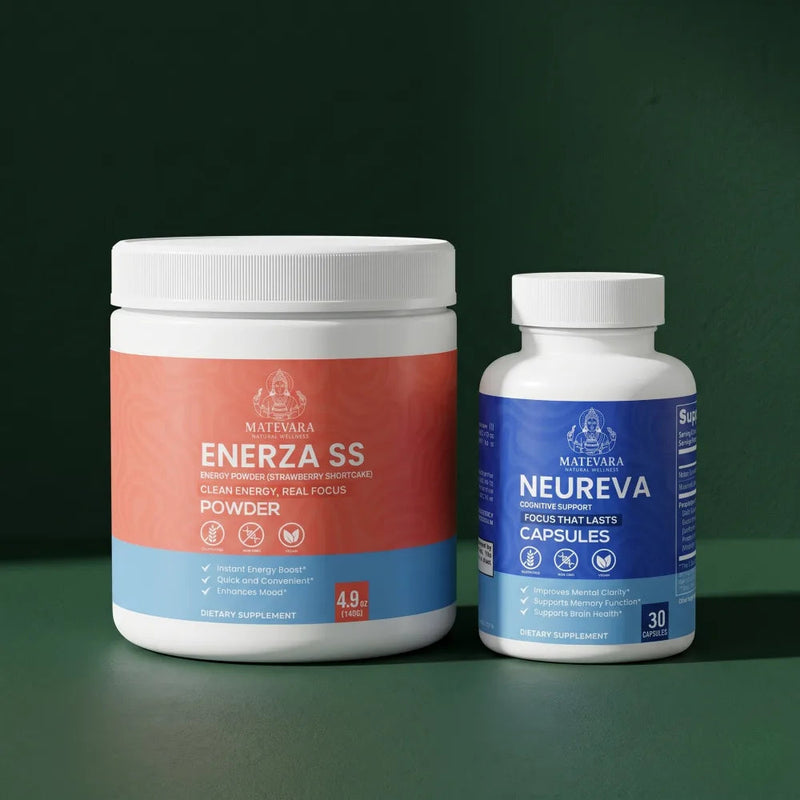
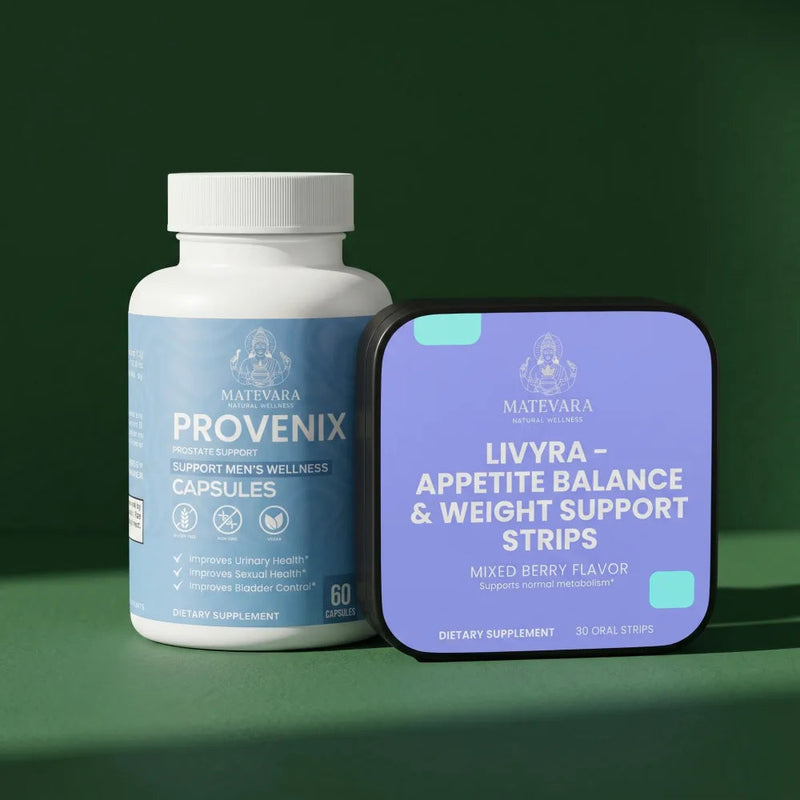
The formulas that work better together
Single supplements work. Paired stacks work better. These three routines are our most recommended combinations, priced with bundle savings built in from day one.
Three steps from first click to feeling the difference
Start with what is bothering you, not what the label says. Sleep. Energy. Gut. Focus. Immunity. Our goal-based system matches you to the right Ayurvedic formula in seconds, not the most expensive one, the most relevant one.
Ayurvedic formulas are not quick fixes. They work with your body's natural rhythms over time. Take it daily. The ingredients do the rest, no lifestyle overhaul, no willpower required. Just one small habit.
Within 4–6 weeks of consistent use, you will notice it. Your sleep improves. Your energy holds. Your gut settles.
If you don't feel the shift within 90 days, we refund every penny. No questions, no conditions, no forms.

Where 5,000 years of healing
meets modern standards
Most Ayurvedic brands rely on tradition alone. We agreed the tradition was right, but insisted the science had to catch up. Matevara was built on a simple principle: every formula we make must be rooted in Ayurvedic wisdom AND validated by modern clinical research. Both. Not one or the other.
Named in reverence to Dhanvantari, the Ayurvedic deity of healing, every product we make starts with botanical wisdom and gets validated by modern research before it reaches you.
What your mornings could look like
The knowledge behind every formula
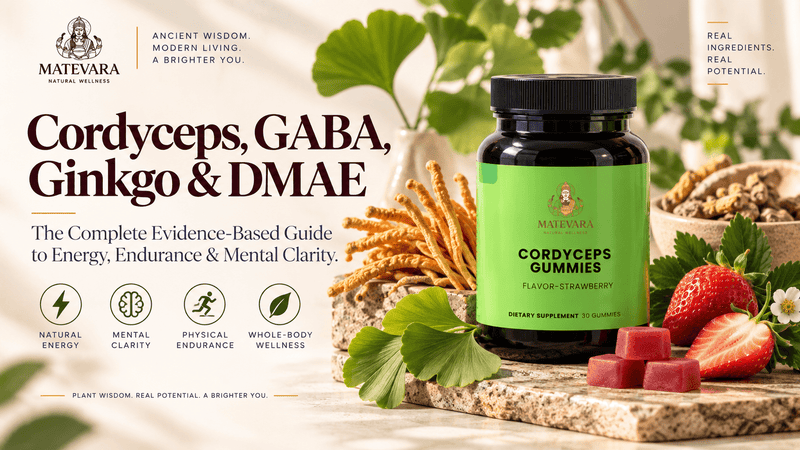
Cordyceps is one of the better-researched mushrooms for endurance, while GABA and DMAE carry far more mixed evidence than their reputations suggest. Explore what human research ...
Read Article →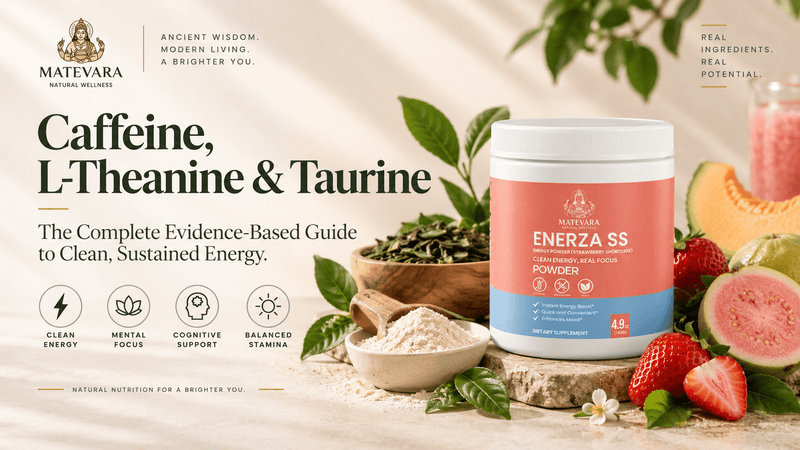
Caffeine and L-theanine together are one of the better-studied combinations in the energy category — but taurine and B-vitamins carry their own, more modest evidence. Explore wh...
Read Article →
Ashwagandha, Asian ginseng, and maca are among the most researched adaptogens for energy and stress. Explore what human research actually shows about these ingredients — and how...
Read Article →Questions we get asked before the first order
We would rather you ask than wonder. Here is what most people want to know before their first order. Still unsure? Email hello@matevara.com, we reply within 24 hours.
All FAQs →Yes. Every Matevara product is formulated for daily use with well-tolerated, plant-based ingredients. If you are pregnant, nursing, under 18, or managing a medical condition, please consult your healthcare provider before starting any supplement.
That is the only question that actually matters, and we would rather answer it honestly than give you a sales pitch. Most customers notice something within 3–4 weeks. Energy and sleep changes often appear first. Memory and stress-resilience benefits typically consolidate at weeks 4–6.
90-Day Full Refund Guarantee, the entire reason we can make this offer is that majority of our customers who reach 90 days of regular usage choose to put a subscription order instead of one-off orders.
90 days. Full refund. No questions asked. If you take any product consistently for 90 days and do not feel a difference, email us at hello@matevara.com and we will process your refund, no forms, no conditions, no waiting.
Yes, absolutely. Through the Manage Subscription portal you can pause, skip a delivery, or cancel in under 60 seconds. No phone calls. No cancellation fees.
Most Matevara products are gluten-free, non-GMO, and vegan. However, individual products may be manufactured in facilities that process common allergens including tree nuts. Please review the full label for each product and consult your healthcare provider if you have known allergies.
Yes, our products are formulated to complement each other. For medical conditions or prescription medications, consult your healthcare provider before combining supplements.
Like all dietary supplements sold in the United States, Matevara products are not FDA approved, however, they are manufactured in FDA-compliant, GMP-certified facilities. Our manufacturing standards meet or exceed all FDA regulatory requirements for dietary supplements.
Standard US orders ship within 1–2 business days and arrive in 3–5 business days. Subscription orders are prioritised and typically ship the next business day. Free shipping applies to all orders over $20.
Questions answered? There is nothing left to risk.
Start Your 90-Day Risk-Free Trial →


| Product | SKU | Description | Collection | Availability | Product type | Other details |
|---|