Sort by:
7 products
7 products
$83.95 USD
Unit price perStrenxa Creatine Monohydrate – Pure Performance Support for Athletic Goals and Muscle Function*
Elevate your fitness journey with Strenxa Creatine Monohydrate, a pure, unflavored micronized creatine powder providing 250g (0.55lb) of research-grade creatine monohydrate to support your athletic performance and training goals*. This pharmaceutical-grade supplement is produced by a global leader in creatine research, development, and manufacturing—the same form of creatine used extensively in clinical research studies examining exercise performance, strength training adaptations, and muscle function*.
Made in the USA, this unflavored creatine powder dissolves easily in water or juice, providing a convenient way to supplement your body's natural creatine stores*. While the body produces small amounts of creatine primarily in the liver and kidneys, and we obtain some through dietary sources like red meat and fish, the amounts shown in research to support optimal athletic performance and muscle protein synthesis* are significantly higher than what the body manufactures naturally or what typical diets provide.
Creatine monohydrate is one of the most extensively studied sports nutrition supplements, with hundreds of research papers examining its effects on exercise performance, muscle strength, power output, and recovery*. Unlike many trendy supplements with limited research support, creatine monohydrate has decades of scientific investigation demonstrating its efficacy and safety when used as directed*—making it a cornerstone supplement for athletes, bodybuilders, fitness enthusiasts, and anyone engaged in high-intensity training.
The ATP-creatine energy system represents the most immediate energy source for muscle contractions during high-intensity, short-duration activities. Creatine stored in skeletal muscle as phosphocreatine donates a phosphate group to regenerate ATP (adenosine triphosphate)—the cellular energy currency—allowing sustained high-intensity effort*. By increasing muscle creatine stores through supplementation*, you may help support this rapid energy regeneration system*, potentially enhancing performance in activities requiring explosive power and repeated high-intensity efforts*.
Muscle protein synthesis and cellular hydration are additional mechanisms through which creatine may support training adaptations*. Research suggests creatine supplementation may help support the cellular environment conducive to muscle protein synthesis*—the process by which muscle repairs and grows following training stimulus. Additionally, creatine draws water into muscle cells (cell volumization), which may support anabolic signaling and create favorable conditions for muscle growth and strength gains*.
Athletic performance across various sports and activities may benefit from creatine supplementation. Research has examined creatine for activities including weightlifting, sprinting, jumping, swimming, cycling, team sports involving repeated sprints, and high-intensity interval training (HIIT). The consistent finding across studies is that creatine may help support performance in activities requiring short bursts of maximal effort, repeated high-intensity efforts*, and activities where power output matters*.
Cognitive function research represents an emerging area of creatine investigation. Since the brain also uses the ATP-creatine energy system, particularly during mentally demanding tasks, researchers have begun examining whether creatine supplementation might support cognitive performance*, particularly under conditions of sleep deprivation, mental fatigue, or cognitive stress*. While research is preliminary compared to exercise studies, findings suggest potential cognitive support benefits* worth noting.
The loading phase commonly used with creatine involves taking higher doses (typically 20g daily divided into 4 doses) for 5-7 days to rapidly saturate muscle creatine stores, followed by a maintenance phase (typically 3-5g daily) to maintain elevated levels*. This approach allows benefits to manifest more quickly than skipping the loading phase, though loading isn't absolutely necessary—taking maintenance doses from the start will eventually achieve similar creatine saturation, just more gradually over 3-4 weeks.
Pure, unflavored formula provides maximum versatility—mix into your preferred beverage, protein shake, pre-workout drink, or even food without altering taste. Unlike flavored creatine products with added sweeteners, colors, and fillers, this pure creatine monohydrate contains only what you need, making it ideal for those who prefer controlling their own flavors and sweeteners or want to avoid unnecessary additives.
Micronized processing creates smaller creatine particles that dissolve more readily in liquid and may be absorbed more efficiently*. While standard creatine monohydrate is effective, micronization enhances mixability and may improve digestive comfort* by reducing the grainy texture and settling that can occur with coarser particles.
Important: This is a dietary supplement supporting exercise performance and muscle function*. It is not intended to diagnose, treat, cure, or prevent any disease. Creatine supplementation should be combined with appropriate training and nutrition for optimal results. Consult healthcare providers before use, especially if you have kidney concerns or medical conditions.
Understanding the Top 4 Pain Points
Pain Point #1: Strength and Power Plateaus in Training
Training plateaus frustrate dedicated athletes and fitness enthusiasts who hit a wall in their strength progression despite consistent training effort. After initial gains, the body adapts to training stimuli, and continued progress becomes increasingly difficult—the weights that used to feel challenging become manageable, but moving to the next level proves elusive. Breaking through these plateaus requires either modifying training variables or providing the body with additional support for enhanced performance*.
The ATP energy limitation becomes apparent during maximal strength efforts. High-intensity activities like heavy squats, deadlifts, bench presses, or explosive movements rely primarily on the ATP-phosphocreatine energy system for immediate energy. This system provides energy for roughly 10-15 seconds of maximal effort before becoming depleted, forcing either rest or reduced intensity. When phosphocreatine stores are limited, the ability to sustain maximal intensity or complete additional repetitions diminishes.
Strength adaptation requirements involve not just neural efficiency improvements but also actual increases in muscle cross-sectional area and contractile protein content. Building strength requires progressive overload—consistently challenging muscles beyond their current capacity. However, achieving this progressive overload becomes difficult when energy systems limit performance before muscles are adequately stimulated. Enhanced energy availability* may allow training with sufficient intensity and volume to drive continued adaptations*.
Power development challenges affect athletes in sports requiring explosive movements—sprinting, jumping, throwing, Olympic weightlifting, combat sports, and team sports with repeated sprints. Power represents force multiplied by velocity, and developing power requires training at high intensities that tax the immediate energy systems. Limited phosphocreatine availability can restrict how many quality repetitions or explosive efforts can be performed within a training session.
The volume-intensity dilemma creates training challenges. Strength and power development require high-intensity training, but fatigue accumulation from high-intensity work limits training volume—how many quality sets can be completed. The ability to maintain power output and quality repetitions throughout a workout* may help increase effective training volume at sufficient intensity to drive adaptations, potentially accelerating strength and power gains*.
Competitive performance suffers when athletes can't access their full power capacity during crucial moments—the final sprint, the decisive jump, the explosive tackle, the heavy lift attempt. The frustration of knowing you have the strength but lacking the immediate energy to express it fully in competition drives athletes to seek supplements that might support energy availability for peak performance demands*.
Finding supplements that may help support the ATP-phosphocreatine energy system, potentially enhancing power output and supporting strength performance* addresses the challenge of plateaus and energy limitations that restrict training quality and competitive performance.
Pain Point #2: Inadequate Recovery Between High-Intensity Efforts
Recovery limitations during training sessions restrict how much quality work can be accomplished. Whether performing interval sprints, repeated weightlifting sets, or multiple rounds of high-intensity circuits, insufficient recovery between efforts means performance deteriorates progressively throughout the workout—the first set is strong, but by the fifth set, power and strength have noticeably declined, limiting training stimulus.
The phosphocreatine resynthesis process determines how quickly the immediate energy system can recover between high-intensity efforts. After a maximal effort depletes phosphocreatine stores, they must be regenerated through oxidative metabolism before another maximal effort can be sustained. This resynthesis takes time—partial recovery occurs within 30 seconds to 2 minutes, but full recovery may require 3-5 minutes of rest. Limited phosphocreatine stores mean less energy available and longer recovery requirements.
Training density suffers when extended rest periods are necessary. Training density—the amount of work accomplished in a given timeframe—affects training efficiency and adaptation stimulus. Athletes and trainers constantly balance the desire for high training density (more work in less time) against the reality that insufficient recovery compromises effort quality. If elevated creatine stores may help support faster phosphocreatine resynthesis*, it could potentially allow higher training density without sacrificing effort quality*.
HIIT protocol challenges exemplify recovery limitations. High-intensity interval training's effectiveness depends on maintaining high intensity throughout intervals, but as workout progresses, power output inevitably declines if recovery between intervals is insufficient. The athlete who can maintain power output deeper into a HIIT session accomplishes more total high-quality work, potentially driving greater training adaptations*.
Repeated sprint sports including soccer, basketball, hockey, rugby, and football require athletes to perform multiple high-intensity efforts with incomplete recovery between them. Game situations don't allow athletes to rest until fully recovered before the next sprint or explosive movement is required. The athlete whose energy system recovers more quickly between efforts maintains performance better throughout the game, providing competitive advantage in late-game situations when energy depletion affects competitors more severely.
The cumulative effect of improved recovery between efforts throughout a training session or competition could substantially impact total work capacity and performance quality*. Even small improvements in recovery speed, when multiplied across dozens of efforts in a session, could translate to meaningful differences in training stimulus or competitive outcomes*.
Finding supplements that may help support phosphocreatine resynthesis and recovery between high-intensity efforts* addresses the limitation that forces choice between training density and effort quality, potentially allowing enhanced training stimulus through better-maintained performance.
Pain Point #3: Difficulty Building Muscle Mass and Lean Body Mass
Muscle building challenges frustrate those following appropriate training programs and consuming adequate protein yet struggling to gain appreciable muscle mass. Building muscle requires not just training stimulus but also the cellular environment conducive to muscle protein synthesis, adequate energy for training and recovery, hormonal environment supporting anabolism, and sustained positive nitrogen balance. When any factor is suboptimal, muscle growth proceeds slowly or stalls entirely.
Muscle protein synthesis represents the process by which muscle repairs damage from training and builds new contractile proteins, increasing muscle fiber size. This process requires adequate amino acids (from protein intake), appropriate anabolic signaling (from training stimulus and hormonal environment), cellular energy (ATP) to drive the synthesis reactions, and cellular hydration supporting the anabolic environment. Optimizing all factors supporting this process may help maximize training-induced muscle growth*.
Training intensity limitations restrict the stimulus for muscle growth. Building muscle requires challenging muscles sufficiently to trigger adaptation—lifting weights heavy enough and for sufficient volume to create meaningful stimulus. However, energy limitations can prevent training with adequate intensity or volume to optimally stimulate growth. Enhanced energy availability* during training may allow lifting heavier weights*, completing more repetitions*, or performing more total sets*—all factors that influence training stimulus for hypertrophy.
Cell volumization effects of creatine have been studied as potential mechanisms supporting muscle growth. Creatine draws water into muscle cells, increasing intracellular hydration. Research suggests this cell swelling may trigger anabolic signaling pathways*, potentially enhancing muscle protein synthesis rates* and creating favorable conditions for growth*. While the direct hypertrophic effects of cell volumization remain debated, it may contribute to the total anabolic environment supporting muscle building*.
The lean mass gain struggle affects various populations—hardgainers with naturally high metabolisms struggling to gain any weight, athletes trying to increase size for sport performance, older adults experiencing age-related muscle loss (sarcopenia), and individuals recovering from periods of inactivity or illness. Each population faces unique challenges, but all share the goal of increasing functional muscle mass. Support for training performance and potential anabolic cellular environment* may benefit muscle-building efforts across these populations.
Body composition goals often involve simultaneously building muscle while managing body fat. The more muscle tissue present, the higher resting metabolic rate, making body composition management easier long-term. Additionally, muscle mass contributes to strength, power, metabolic health, insulin sensitivity, and functional capacity throughout life. Optimizing muscle-building processes has implications beyond aesthetics, affecting health span and physical capability*.
Finding supplements that may help support training intensity, muscle protein synthesis environment, and cellular conditions favorable for muscle growth* addresses multiple factors limiting muscle-building success despite proper training and nutrition.
Pain Point #4: Vegetarian/Vegan Dietary Creatine Insufficiency
Dietary creatine limitations significantly affect vegetarians and vegans whose diets contain little or no creatine. Creatine occurs naturally in animal tissues—particularly red meat, fish, and poultry—meaning plant-based diets provide essentially no dietary creatine. While the body can synthesize some creatine from amino acids (glycine, arginine, methionine), endogenous production combined with zero dietary intake results in substantially lower muscle creatine concentrations in vegetarians compared to omnivores.
Research on vegetarians has consistently documented lower baseline muscle creatine levels compared to meat-eaters. Studies measuring muscle creatine concentrations find vegetarians typically have 20-30% lower levels than omnivores due to the absence of dietary creatine intake. This deficit may affect athletic performance*, power output*, and training capacity* in vegetarian athletes who don't supplement with creatine. Supplementation can normalize these levels, potentially providing even more noticeable benefits* for vegetarians than omnivores.
The synthesis limitation means relying solely on endogenous creatine production is insufficient for optimal athletic performance. While the body produces roughly 1-2g of creatine daily, research suggests that maintaining muscle creatine saturation—the level associated with performance benefits*—requires approximately 3-5g daily to compensate for normal creatine degradation and urinary losses. For athletes with high muscle mass or intense training demands, requirements may be even higher. Dietary intake from meat and fish in omnivores provides some of this needed creatine, but vegetarians must rely entirely on limited endogenous synthesis.
Athletic disadvantage potentially faces vegetarian and vegan athletes who don't supplement creatine. With lower baseline creatine stores, they may experience reduced phosphocreatine availability during high-intensity efforts*, limited capacity for repeated maximal efforts*, and potentially compromised training quality* compared to omnivorous competitors. This doesn't mean vegetarian athletes can't excel—many do—but creatine supplementation may help level the playing field* by normalizing muscle creatine stores despite dietary limitations.
The performance gap documented in research is particularly apparent in activities relying heavily on the phosphocreatine energy system—sprinting, jumping, weightlifting, and repeated high-intensity efforts. Studies examining vegetarian athletes before and after creatine supplementation often show more dramatic performance improvements* compared to omnivores, likely because vegetarians start from a lower baseline and have more room for improvement when stores are optimized.
Ethical supplementation provides a solution for vegetarians avoiding meat for ethical, environmental, or health reasons but not wanting athletic performance compromised. Supplemental creatine monohydrate is synthesized from non-animal sources through chemical reactions, making it suitable for vegetarian and vegan diets. This allows plant-based athletes to normalize their creatine stores* and potentially optimize performance* without compromising dietary ethics.
Finding pure creatine monohydrate supplements suitable for vegetarian and vegan diets that may help normalize muscle creatine stores and support optimal athletic performance** addresses the significant nutritional gap affecting plant-based athletes who lack dietary creatine sources.
How Strenxa Creatine Monohydrate Provides Support
Supporting Strength, Power, and Performance
The research foundation for creatine and strength/power performance is extensive. A position statement by the International Society of Sports Nutrition (ISSN) reviewed hundreds of studies and concluded that creatine monohydrate is the most effective ergogenic nutritional supplement currently available for increasing high-intensity exercise capacity and lean body mass during training*. Meta-analyses examining multiple studies consistently find creatine supplementation may support strength and power performance*.
Phosphocreatine energy system support represents creatine's primary mechanism. By increasing muscle creatine and phosphocreatine stores*, supplementation may help support more rapid ATP regeneration during high-intensity efforts*, potentially allowing sustained power output*, additional repetitions*, or enhanced work capacity* during training sessions. Research published in the Journal of the International Society of Sports Nutrition has documented these performance benefits* across various populations and activities.
Progressive overload facilitation may occur when enhanced energy availability allows training with heavier weights or completing additional repetitions*. Since progressive overload—gradually increasing training demands—drives strength adaptation, any support for training intensity or volume* may contribute to better training outcomes over time. Studies examining creatine supplementation during resistance training programs often find greater strength gains* in supplemented groups compared to placebo groups.
Power output maintenance during repeated efforts may be enhanced with creatine supplementation*. Research has examined creatine for activities requiring multiple maximal efforts—repeated sprints, repeated jumps, multiple sets of resistance exercise. The consistent finding is that creatine may help reduce the typical performance decline that occurs across repeated efforts*, meaning the final repetition or sprint maintains more power compared to unsupplemented conditions*.
Sport-specific performance benefits have been documented across various athletic activities. Studies have examined basketball players, soccer players, swimmers, sprinters, football players, and others, often finding performance improvements in sport-specific tasks requiring high-intensity efforts. The practical significance for athletes is potential enhanced competitive performance* through better energy availability during crucial moments.
By supporting *the phosphocreatine energy system and potentially enhancing ATP availability during high-intensity exercise, Strenxa Creatine Monohydrate may help support strength, power, and performance in activities requiring maximal or near-maximal efforts.
Supporting Recovery Between High-Intensity Efforts
Phosphocreatine resynthesis between exercise bouts may be supported by elevated muscle creatine stores. Research suggests that higher creatine concentrations may support more rapid phosphocreatine regeneration during recovery periods between high-intensity efforts*, allowing better performance maintenance throughout workouts or competitions requiring repeated efforts*.
Interval training benefits from creatine supplementation have been documented in research. Studies examining high-intensity interval protocols—cycling sprints, running intervals, repeated resistance exercise sets—often find that creatine supplementation may help maintain power output better across multiple intervals compared to placebo. This suggests improved recovery or energy availability supporting repeated efforts*.
Training volume capacity may increase when recovery between sets or efforts is enhanced. If creatine supplementation supports performing an additional repetition per set or maintaining intensity for an additional set*, the cumulative effect across a training program could substantially impact total training stimulus and subsequent adaptations. Research examining training programs with creatine supplementation often finds greater training volumes* achieved in supplemented groups.
Repeated sprint ability—the capacity to perform multiple sprints with incomplete recovery—is specifically relevant for many team sports. Research has extensively examined creatine for repeated sprint protocols, consistently finding that supplementation may help reduce performance decline across sprints* and support better maintenance of speed and power throughout repeated sprint tests*.
By potentially *supporting faster phosphocreatine resynthesis and maintained performance across repeated high-intensity efforts, creatine supplementation may help enhance training density and competitive performance in activities requiring multiple maximal efforts.
Supporting Muscle Growth and Body Composition Goals
Lean body mass increases with creatine supplementation combined with resistance training have been documented in numerous studies. Meta-analyses examining creatine's effects on body composition find that when combined with appropriate training, creatine supplementation is associated with greater lean mass gains* compared to training alone. The mechanisms likely involve multiple factors rather than a single direct effect.
Enhanced training stimulus represents one probable mechanism. If creatine supplementation supports training with heavier loads*, completing more repetitions*, or performing additional sets*, this increased training volume and intensity would provide greater stimulus for muscle protein synthesis and adaptation. The muscle growth may partially result from enabling more productive training rather than direct anabolic effects.
Cell volumization effects have been examined as potential contributors to muscle growth with creatine. Research suggests creatine-induced cell swelling from increased intracellular water may trigger anabolic signaling pathways that support muscle protein synthesis. While the magnitude of this effect and its practical significance remain debated, it may contribute to the favorable cellular environment for growth*.
Satellite cell activation and muscle fiber type effects represent additional investigated mechanisms. Some research suggests creatine may support satellite cell proliferation and differentiation*—processes involved in muscle repair and growth. Studies have also examined whether creatine affects muscle fiber characteristics, with some evidence suggesting it may support type II (fast-twitch) muscle fiber growth particularly*.
Long-term body composition benefits emerge from sustained supplementation combined with consistent training. Studies examining creatine supplementation over weeks to months of training typically find progressive increases in lean mass and improvements in body composition, suggesting cumulative benefits from enhanced training capacity and anabolic support over extended periods.
By potentially *supporting training intensity, creating favorable cellular environment for anabolism, and enhancing training-induced adaptations, creatine supplementation may support muscle-building and body composition goals when combined with appropriate resistance training and nutrition.
Supporting Vegetarian and Vegan Athletes
Normalization of creatine stores in vegetarians represents a significant benefit of supplementation. Research comparing creatine supplementation effects in vegetarians versus omnivores often finds vegetarians experience greater increases in muscle creatine content* from supplementation, simply because they start from a lower baseline. This normalization may help vegetarian athletes achieve the muscle creatine saturation levels that support optimal performance*.
Performance improvements in vegetarians from creatine supplementation have been specifically studied. Research examining vegetarian athletes before and after creatine supplementation often documents more pronounced performance enhancements* compared to omnivores—greater strength gains*, larger power output improvements*, and more substantial training capacity increases*. This likely reflects the greater room for improvement when starting from depleted stores.
The ethical supplement solution for vegetarian and vegan athletes is that creatine monohydrate is synthesized through non-animal chemical processes. Unlike creatine obtained from meat, supplemental creatine is suitable for plant-based diets, allowing vegetarians to optimize their creatine status* without compromising dietary principles. This makes creatine one of the most important supplements for serious vegetarian athletes.
Competitive parity may be supported through supplementation. Given that omnivorous competitors naturally have higher baseline creatine stores from dietary intake, vegetarian athletes not supplementing may compete at a physiological disadvantage. Creatine supplementation helps level this playing field*, ensuring dietary choice doesn't compromise athletic potential.
By providing *pure, vegetarian-suitable creatine monohydrate that may help normalize muscle creatine stores in plant-based athletes, Strenxa supports optimal athletic performance regardless of dietary preferences.
Complete Ingredient Profile
Active Ingredient:
- Creatine Monohydrate – Pure pharmaceutical-grade creatine; most extensively researched form; may support phosphocreatine energy system*; helps support ATP regeneration during high-intensity exercise*; may enhance strength, power, and training capacity*; may support muscle protein synthesis environment*; extensively documented safety profile; suitable for vegetarians and vegans
Product Specifications:
- Form: Unflavored powder
- Weight: 250g (0.55lb)
- Gross Weight: 295g (0.65lb)
- Serving Size: 1 scoop (5g)
- Servings Per Container: 50 servings
- Manufacturing: USA
- Purity: Pure creatine monohydrate with no added fillers, flavors, or sweeteners
- Micronized: Smaller particle size for enhanced mixability and dissolution
Dosage Protocols:
Loading Phase (Days 1-5):
- Take 1 scoop (5g) four times daily (total 20g/day)
- Mix each scoop in 8oz water or juice
- Distribute doses throughout the day
- Purpose: Rapidly saturate muscle creatine stores
Maintenance Phase (Day 6 onwards):
- Take 1-2 scoops daily (5-10g/day)
- Mix in 8oz water or juice
- Can take any time of day, though many prefer post-workout
- Purpose: Maintain elevated muscle creatine stores
Alternative Approach:
- Skip loading phase and take 5g daily from start
- Will achieve saturation more gradually over 3-4 weeks
- Results in same endpoint with slower timeline
Key Benefits:
- May support strength and power performance*
- May help enhance training capacity and work output*
- May support muscle growth when combined with resistance training*
- May help support recovery between high-intensity efforts*
- May support cognitive function under mentally demanding conditions*
- Particularly beneficial for vegetarian and vegan athletes*
Important Notes:
- Stay well-hydrated during creatine supplementation
- Combine with appropriate training and nutrition
- Not for children under 18
- Consult healthcare provider if you have kidney concerns
Why Choose Strenxa Creatine Monohydrate?
1. Research-Grade Quality Produced by a global leader in creatine manufacturing—the same form used extensively in clinical research studies.
2. Pure Creatine Monohydrate Contains only creatine monohydrate with no fillers, additives, flavors, or sweeteners—just what you need.
3. Micronized for Mixability Smaller particle size dissolves more readily and mixes more smoothly in beverages.
4. Extensively Researched Form Creatine monohydrate is the most studied form with hundreds of research papers documenting efficacy and safety*.
5. Unflavored Versatility No added flavors means you can mix into any beverage, shake, or even food without taste interference.
6. Cost-Effective Pure creatine monohydrate provides exceptional value—proven effective without premium price of trendy alternatives.
7. Made in USA Domestic manufacturing ensures quality oversight and adherence to supplement standards.
8. Suitable for Vegetarians and Vegans Synthesized from non-animal sources, making it appropriate for all dietary preferences.
9. Decades of Safety Data Long-term safety studies support creatine monohydrate's safety profile when used as directed*.
10. Performance Support Backed by Science Unlike many supplements with minimal research, creatine has robust scientific support for performance benefits*.
How to Use for Optimal Results
Loading Phase Protocol (Optional but Recommended):
Days 1-5:
- Take 5g (1 scoop) four times daily = 20g total daily
- Morning: 1 scoop with breakfast
- Midday: 1 scoop with lunch
- Afternoon: 1 scoop as snack
- Evening: 1 scoop with dinner or post-workout
Mix each scoop in 8oz water, juice, or protein shake. Distribute doses throughout the day for optimal absorption.
Purpose: Rapidly saturate muscle creatine stores within 5-7 days to accelerate benefits.
Maintenance Phase Protocol:
Day 6 onwards:
- Take 5-10g (1-2 scoops) daily
- Timing flexible—many prefer post-workout or with a meal
- Mix in 8oz liquid
Purpose: Maintain elevated muscle creatine stores achieved during loading.
Non-Loading Alternative:
Skip loading phase and take 5g daily from the start. Will achieve same saturation level, just more gradually over 3-4 weeks.
Timing Considerations:
- Post-workout: Insulin release from post-workout meal may enhance creatine uptake*
- With carbohydrates: Taking with carbs or carbs+protein may improve absorption*
- Consistency matters more than specific timing—take daily at a time you'll remember
Important Guidelines:
- Hydration is crucial—drink adequate water throughout the day (8-10 glasses)
- Combine with training—creatine works best when combined with appropriate exercise
- Be patient—benefits typically emerge within 1-2 weeks with loading, 3-4 weeks without
- Maintain consistency—daily intake maintains elevated creatine stores
- Cycling unnecessary—continuous use is safe and effective; no need to cycle off
Usage Tips for Maximum Benefits
1. Stay Hydrated Creatine draws water into muscles—ensure adequate fluid intake (8-10 glasses daily) to support this process and prevent dehydration.
2. Combine with Carbohydrates Taking creatine with carbohydrate-containing meal or beverage may enhance uptake due to insulin response*.
3. Mix Thoroughly Stir or shake well to fully dissolve powder. Micronized creatine dissolves better, but thorough mixing ensures no grainy residue.
4. Consume Promptly Once mixed, drink within 30 minutes. Creatine can degrade in solution over time, though this is more concern with hours, not minutes.
5. Consider Post-Workout Timing Many prefer taking creatine after training when muscles are primed for nutrient uptake, though timing is less critical than consistency.
6. Don't Fear Loading The loading phase is safe and accelerates saturation. If stomach upset occurs during loading, reduce to 3 doses daily or skip loading entirely.
7. Track Your Progress Monitor strength, power, training volume, and body weight to observe creatine's effects on your training.
8. Combine with Proper Nutrition Creatine supports training but doesn't replace adequate protein, calories, and overall nutrition needed for muscle growth and performance.
9. Be Consistent Missing occasional doses isn't catastrophic, but daily consistency maintains elevated creatine stores for optimal benefits*.
10. Allow Adequate Time Give supplementation 4-8 weeks to assess full benefits—some effects emerge quickly, others develop progressively.
Quality & Safety Information
Manufacturing Standards: Strenxa Creatine Monohydrate is manufactured in the USA by a global leader in creatine research and production, following Good Manufacturing Practices (GMP) for dietary supplements.
Safety Profile:
Creatine monohydrate has extensive safety research spanning decades. Major sports nutrition organizations including ISSN (International Society of Sports Nutrition) have position statements supporting creatine's safety when used as directed*.
Not for Everyone:
- Not for children under 18 unless under medical supervision
- Those with kidney disease should consult physicians before use
- Pregnant or nursing women should consult healthcare providers
- Those taking medications should discuss with providers
Potential Considerations:
- Weight gain: Expect 2-4 lbs initial weight gain from increased muscle water content—this is normal and desired
- Digestive effects: Large single doses may cause stomach upset in some; divide doses or take with food if this occurs
- Kidney function: While research supports safety in healthy individuals, those with kidney concerns should consult physicians
Myths vs. Facts:
- Myth: Creatine damages kidneys Fact: Research in healthy individuals finds no kidney damage from creatine supplementation*
- Myth: You must cycle off creatine Fact: Continuous use is safe and effective; cycling is unnecessary
- Myth: Creatine causes dehydration/cramping Fact: Research doesn't support increased cramping or dehydration when adequately hydrated*
Storage: Store in cool, dry place away from direct light. Keep sealed between uses to prevent moisture absorption. Do not use if safety seal is damaged or missing.
Who Will Benefit from This Product?
Strength Athletes: Powerlifters, weightlifters, and strongman competitors seeking *enhanced maximal strength and power output.
Bodybuilders: Those pursuing *muscle growth and improved body composition through resistance training.
Sprint Athletes: Sprinters, track athletes, and speed-focused athletes wanting *enhanced explosive power and repeated sprint ability.
Team Sport Athletes: Soccer, basketball, hockey, football, rugby players requiring *repeated high-intensity efforts during competition.
CrossFit and HIIT Enthusiasts: Athletes performing high-intensity interval training or CrossFit-style workouts requiring sustained power output*.
Combat Sports Athletes: Boxers, MMA fighters, wrestlers needing *explosive power and repeated effort capacity.
Vegetarian and Vegan Athletes: Plant-based athletes with no dietary creatine intake who may have lower baseline muscle creatine stores.
Aging Adults: Older individuals combining resistance training with creatine for muscle mass maintenance and functional capacity support.
Recreational Fitness Enthusiasts: Anyone engaged in regular resistance training or high-intensity exercise seeking performance enhancement*.
Those Experiencing Plateaus: Athletes hitting training plateaus and seeking support for continued progression*.
Understanding Key Ingredients
Creatine Monohydrate
Creatine is a compound synthesized in the body from amino acids (glycine, arginine, methionine) and obtained through diet, primarily from meat and fish. It exists mainly in skeletal muscle as free creatine and phosphocreatine, serving crucial roles in rapid energy production during high-intensity exercise.
The ATP-Phosphocreatine System represents the most immediate energy source for muscle contractions. ATP (adenosine triphosphate) provides energy for muscle contractions by breaking its high-energy phosphate bond. However, ATP stores are limited—muscles contain only enough ATP for a few seconds of maximal effort. Phosphocreatine donates its phosphate group to regenerate ATP from ADP (adenosine diphosphate), allowing continued high-intensity effort. Elevated muscle creatine and phosphocreatine stores* may support this rapid ATP regeneration*, potentially enhancing performance*.
Research Foundation for creatine is extensive. The International Society of Sports Nutrition (ISSN) position statement on creatine supplementation (2017) reviewed hundreds of studies and concluded: "Creatine monohydrate is the most effective ergogenic nutritional supplement currently available to athletes in terms of increasing high-intensity exercise capacity and lean body mass during training." Hundreds of studies support these conclusions.
Safety Research spanning decades has examined creatine in various populations. Long-term studies (up to 5 years) find no adverse effects on kidney function, liver function, or other health markers in healthy individuals using recommended doses*. Major sports organizations including NCAA and International Olympic Committee permit creatine use, and it's not considered a banned substance.
Forms of Creatine: While various forms exist (creatine ethyl ester, buffered creatine, creatine HCl, etc.), creatine monohydrate remains the gold standard due to its extensive research support, proven efficacy, safety profile, and cost-effectiveness. Most studies examining "creatine" used creatine monohydrate, making it the evidence-based choice.
Scientific References
Research on creatine:
-
ISSN Position Statement:
- Kreider RB, et al. "International Society of Sports Nutrition position stand: safety and efficacy of creatine supplementation in exercise, sport, and medicine." Journal of the International Society of Sports Nutrition. 2017;14:18.
- https://www.ncbi.nlm.nih.gov/pmc/articles/PMC5469049/
-
Creatine and Strength/Power:
- Branch JD. "Effect of creatine supplementation on body composition and performance: a meta-analysis." International Journal of Sport Nutrition and Exercise Metabolism. 2003;13(2):198-226.
- https://pubmed.ncbi.nlm.nih.gov/12945830/
-
Creatine and Muscle Mass:
- Chilibeck PD, et al. "Effect of creatine supplementation during resistance training on lean tissue mass and muscular strength in older adults: a meta-analysis." Open Access Journal of Sports Medicine. 2017;8:213-226.
- https://www.ncbi.nlm.nih.gov/pmc/articles/PMC5679696/
-
Creatine Safety:
- Poortmans JR, Francaux M. "Adverse effects of creatine supplementation: fact or fiction?" Sports Medicine. 2000;30(3):155-170.
- https://pubmed.ncbi.nlm.nih.gov/10999421/
Note: These references are for educational purposes. This product supports exercise performance and is not intended to treat disease.*
Important Disclaimer
FDA/FTC Disclaimer: These statements have not been evaluated by the Food and Drug Administration. This product is not intended to diagnose, treat, cure, or prevent any disease.
Product Classification: Strenxa Creatine Monohydrate is a dietary supplement supporting exercise performance and muscle function*. It is not a drug, pharmaceutical treatment, or medical therapy.
Not Medical Treatment: This product supports athletic performance and training adaptations* through enhanced energy availability during high-intensity exercise. It does not treat, cure, or prevent diseases or medical conditions. For diagnosed health conditions, seek appropriate medical care.
Individual Results Vary: Responses to creatine supplementation vary based on individual factors including baseline muscle creatine levels (affected by diet), training program, genetics, body composition, and consistency of use. The information provided is for educational purposes and should not be considered medical advice.
Consult Healthcare Professionals: Always consult with a qualified healthcare provider before starting creatine supplementation, especially if you:
- Have kidney disease or reduced kidney function
- Have liver disease
- Take medications that affect kidney function
- Are pregnant or nursing
- Are under 18 years of age
- Have any diagnosed medical conditions
Kidney Function Considerations: While research supports creatine safety in healthy individuals, those with pre-existing kidney disease should consult physicians before use. Creatine increases creatinine levels (a normal byproduct), which may affect kidney function blood tests—inform healthcare providers if you supplement creatine before kidney function testing.
Hydration Requirements: Adequate hydration is important during creatine supplementation. Drink 8-10 glasses of water daily to support increased intracellular water content.
Quality Information: While manufactured following standards in the USA, statements about this product have not been evaluated by the FDA. Use only as directed.
Frequently Asked Questions
REQUIRED FDA/FTC DISCLAIMER:
*These statements have not been evaluated by the Food and Drug Administration. This product is not intended to diagnose, treat, cure, or prevent any disease. Individual results may vary. This supplement is intended to support general wellness and should not replace a varied, balanced diet and healthy lifestyle. Always consult with a qualified healthcare professional before beginning any dietary supplement, especially if you are pregnant, nursing, have a medical condition, or are taking prescription medications.
Important Safety & Usage Warning:
Do not exceed recommended dose. Pregnant or nursing mothers, children under the age of 18, and individuals with a known medical condition should consult a physician before using this or any dietary supplement.
Keep out of reach of children. Store in a cool, dry place.
Disclaimer:*These statements have not been evaluated by the Food and Drug Administration. This product is not intended to diagnose, treat, cure, or prevent any disease. Individual results may vary. This supplement is intended to support general wellness and should not replace a varied, balanced diet and healthy lifestyle. Always consult with a qualified healthcare professional before beginning any dietary supplement, especially if you are pregnant, nursing, have a medical condition, or are taking prescription medications.
$149.95 USD
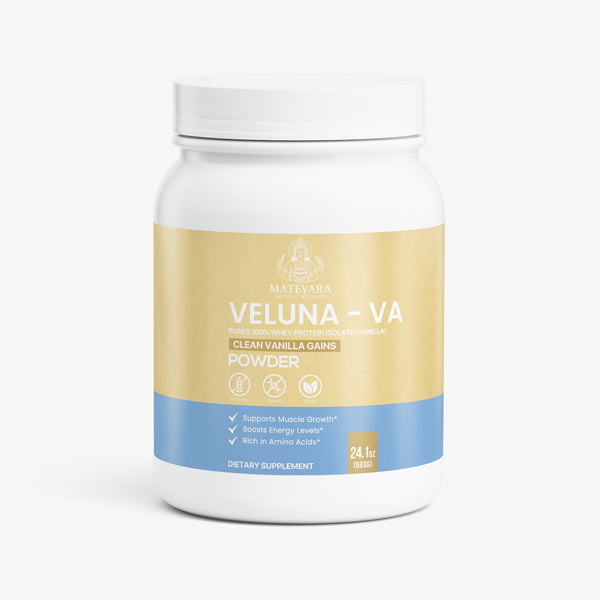
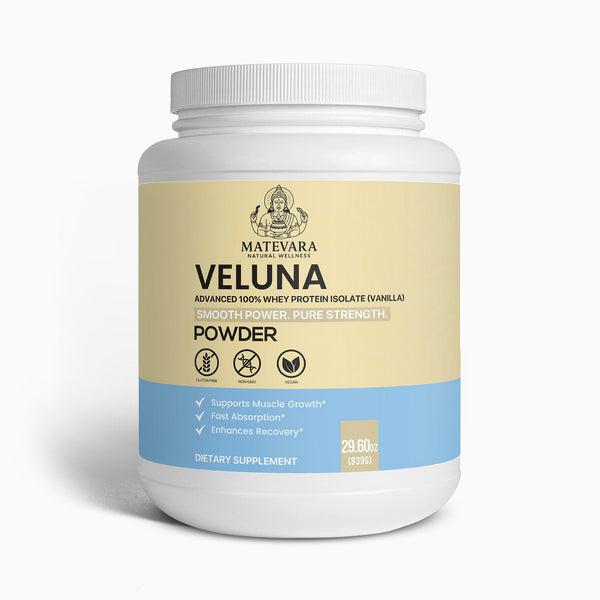
Unit price perVeluna VA Pure3 100% Whey Protein Isolate Powder (Vanilla) – High-Quality Muscle Support and Recovery Formula*
Elevate your fitness nutrition with Veluna VA Pure3 100% Whey Protein Isolate Powder in Vanilla, a refined protein supplement designed to support muscle growth, recovery, and overall athletic performance*. This 24.1oz (683g) container delivers pure whey protein isolate (WPI)—a highly refined, easily digestible form of whey protein available—providing maximum protein content with minimal fat, carbohydrates, and lactose for those seeking clean, efficient protein supplementation.
Manufactured in the USA, this protein powder represents a highly effective form of protein supplementation, utilizing 100% whey protein isolate rather than protein concentrates or blends that contain lower protein percentages and higher levels of fats, carbohydrates, and lactose. For athletes, bodybuilders, fitness enthusiasts, or anyone seeking to optimize protein intake for muscle support and recovery*, Pure3 provides the purest, most bioavailable protein source to fuel your fitness goals and support lean muscle development.
Whey protein isolate (WPI) undergoes additional processing beyond whey concentrate, removing virtually all fat and lactose while concentrating protein content to 90%+ by weight. This advanced filtration—typically using cross-flow microfiltration or ion exchange—produces exceptionally pure protein with rapid absorption kinetics, making it ideal for post-workout recovery when muscles are primed for nutrient uptake*. The minimal lactose content makes WPI suitable for many individuals with lactose sensitivities who cannot tolerate whey concentrate or other dairy proteins, expanding accessibility without compromising on protein quality.
Natural vanilla flavoring creates an authentic, rich vanilla taste that transforms protein supplementation from nutritional necessity into enjoyable daily ritual. Unlike artificial vanilla flavors that can taste chemical or overly sweet, natural vanilla offers complex, smooth flavor notes—warm, comforting, and versatile enough to blend seamlessly into shakes, smoothies, oatmeal, yogurt, or baking recipes. The classic vanilla flavor appeals to wide taste preferences while providing a neutral base that pairs well with fruits, nut butters, coffee, or other additions for flavor variety without requiring multiple protein powder flavors.
Stevia extract sweetening provides natural sweetness without added sugars or artificial sweeteners like sucralose, aspartame, or acesulfame potassium. Stevia—a plant-based sweetener derived from Stevia rebaudiana leaves—offers zero-calorie sweetness without affecting blood sugar, making it ideal for those monitoring caloric intake, managing blood glucose, or simply preferring natural ingredients*. The stevia sweetening creates pleasant taste without the bitter aftertaste some associate with certain stevia products, thanks to careful extraction and formulation balancing natural vanilla flavor with optimal sweetness levels.
The clean ingredient profile—containing only whey protein isolate, natural flavors, and stevia—reflects commitment to purity and simplicity. No artificial colors, flavors, sweeteners, fillers, or unnecessary additives—just the essential components needed for effective protein supplementation. This minimalist approach appeals to health-conscious consumers scrutinizing ingredient labels and seeking supplements with recognizable, pronounceable ingredients they can trust. The transparency of containing only three ingredients provides confidence about exactly what you're consuming daily.
Smooth, non-gritty texture distinguishes quality protein powders from inferior products that clump, separate, or leave chalky residue. The formulation is designed for easy mixing—whether using a shaker bottle, blender, or simply stirring into beverages—creating smooth, creamy consistency without requiring extensive blending or specialized equipment. This mixability ensures convenient preparation whether making quick post-workout shakes, adding protein to morning coffee, or blending elaborate smoothies with multiple ingredients. The pleasant texture makes consistent daily protein intake achievable rather than something to endure.
Versatile usage applications extend beyond traditional protein shakes. Mix into oatmeal for high-protein breakfast, blend into smoothies with fruits and vegetables, stir into yogurt or cottage cheese for extra protein, add to pancake or waffle batter for protein-enhanced breakfast treats, incorporate into protein balls or energy bites for portable snacks, or use in high-protein baking recipes for cookies, muffins, or brownies. This versatility ensures you can meet protein requirements through varied, enjoyable methods rather than feeling restricted to drinking the same shake daily.
Rapid absorption kinetics of whey protein isolate make it particularly valuable for post-workout nutrition. Research shows that fast-digesting proteins consumed shortly after resistance training support efficient muscle protein synthesis—the process of building and repairing muscle tissue*. WPI digests and absorbs more rapidly than whole food proteins or slower-digesting protein supplements like casein, delivering amino acids to muscles quickly when they're most receptive to nutrient uptake during the post-exercise anabolic window.
Complete amino acid profile including all nine essential amino acids—particularly high levels of branched-chain amino acids (BCAAs: leucine, isoleucine, valine)—makes whey protein isolate exceptionally effective for muscle protein synthesis support*. Leucine in particular acts as a key trigger for initiating muscle protein synthesis, and whey protein's high leucine content contributes to its effectiveness for supporting muscle recovery and growth*. The complete amino acid spectrum ensures your body has all building blocks needed for protein synthesis, tissue repair, immune function, and essential metabolic processes.
High protein bioavailability means whey protein is efficiently digested, absorbed, and utilized for muscle repair and growth. Protein bioavailability—measured through metrics like Protein Digestibility-Corrected Amino Acid Score (PDCAAS) or Digestible Indispensable Amino Acid Score (DIAAS)—reflects how effectively dietary protein meets amino acid requirements. Whey protein scores at or near the maximum on these scales, indicating superior quality compared to plant proteins or lower-quality animal proteins. This high bioavailability means more of the protein you consume actually supports muscle protein synthesis and other physiological functions*.
Important: This is a dietary supplement providing protein supplementation to support dietary protein intake, muscle recovery, and overall nutrition*. It is not intended to diagnose, treat, cure, or prevent any disease. Results from protein supplementation depend on numerous factors including total dietary protein intake, training program quality, overall caloric balance, recovery practices, genetics, and training experience. Protein supplements support nutrition goals* but do not create results independently—proper training stimulus, adequate total caloric and macronutrient intake, and recovery determine body composition and performance outcomes.
Understanding the Top 4 Pain Points
Pain Point #1: Insufficient Dietary Protein for Muscle Recovery and Growth
Protein intake inadequacy represents perhaps the most common nutritional limitation affecting training outcomes, muscle development, and recovery. While protein requirements vary based on activity level, training type, and goals, active individuals typically require 0.7-1.0+ grams of protein per pound of body weight daily—substantially more than sedentary recommendations of 0.36g/lb. For a 180lb athlete, this means 126-180+ grams daily—challenging to achieve consistently through whole foods alone, particularly for those with busy schedules, limited appetite, or dietary restrictions.
The muscle protein synthesis connection underlies why protein matters for anyone engaged in resistance training or seeking to maintain/build muscle mass. Exercise—particularly resistance training—damages muscle fibers, triggering repair processes that, given adequate protein/amino acids, rebuild muscle tissue stronger and sometimes larger than before (hypertrophy). Without sufficient protein intake, muscle protein breakdown exceeds synthesis, leading to net muscle loss despite training. Research consistently demonstrates that higher protein intakes support greater muscle protein synthesis, strength gains, and body composition improvements* when combined with resistance training.
Protein timing considerations suggest that distributing protein intake throughout the day—particularly consuming protein shortly after training—optimizes muscle protein synthesis. The "anabolic window" concept—the idea that protein must be consumed immediately post-workout—has been somewhat overstated in popular fitness culture, but research does support that consuming protein relatively soon after training (within 1-2 hours) supports optimal recovery*, particularly for those training fasted or with inadequate pre-workout nutrition. Fast-digesting proteins like whey isolate are particularly well-suited for post-workout consumption.
Whole food protein limitations include: time and preparation requirements (cooking chicken, preparing meals); digestive burden of eating large volumes of food to meet protein needs; expense of high-quality protein sources like meat and fish; inconvenience of consuming whole food protein immediately post-workout; and appetite limitations making it difficult to consume adequate food volume. These practical barriers mean that even individuals committed to good nutrition struggle to consistently meet protein requirements through food alone, particularly around training when protein needs are highest but appetite may be suppressed.
Protein quality variations among dietary sources matter significantly. While various foods provide protein, they differ dramatically in amino acid profiles, digestibility, and bioavailability. Complete proteins containing all essential amino acids in adequate proportions (meat, fish, dairy, eggs, some plant proteins) support muscle protein synthesis more effectively than incomplete proteins lacking adequate amounts of certain amino acids*. Whey protein isolate represents one of the highest-quality protein sources available, with complete amino acid profile, high BCAA content, and excellent digestibility and bioavailability.
Special dietary consideration challenges compound protein intake difficulties for those with dietary restrictions. Vegetarians excluding meat face greater challenges meeting protein needs; vegans must carefully combine plant proteins to ensure complete amino acid intake; those with lactose intolerance may avoid dairy proteins; individuals with certain digestive conditions may struggle digesting large protein-rich meals. Whey protein isolate—with minimal lactose content—provides accessible high-quality protein for many who cannot tolerate whey concentrate or other dairy products while offering convenient supplementation for those facing dietary limitations.
Finding high-quality whey protein isolate supplements that provide pure, rapidly-absorbed protein with minimal fat, carbohydrates, and lactose addresses the widespread challenge of meeting protein requirements for optimal muscle recovery, growth, and maintenance* particularly for active individuals with elevated protein needs that are difficult to meet through whole foods alone.
Pain Point #2: Suboptimal Post-Workout Recovery Limiting Training Progress
Inadequate recovery between training sessions limits both performance and adaptation. Recovery encompasses multiple processes: muscle protein synthesis repairing damaged tissue and potentially building new muscle; glycogen replenishment restoring energy reserves; nervous system recovery allowing optimal neural drive; inflammatory resolution resolving acute training-induced inflammation; and hormonal normalization returning stress hormones to baseline. When recovery is incomplete before the next training session, performance declines, adaptation is compromised, and injury risk increases—creating stagnation or regression despite continued training effort.
The protein-recovery relationship reflects protein's essential role in tissue repair. Muscle damage from training triggers protein breakdown and inflammation; adequate protein/amino acid availability shifts balance toward protein synthesis, enabling repair and adaptation*. Research demonstrates that protein supplementation post-exercise enhances recovery markers including reduced muscle soreness, faster strength recovery, and improved performance in subsequent training sessions*. Without adequate protein, recovery processes are limited by amino acid availability, extending recovery times and potentially preventing full adaptation to training stimulus.
Delayed onset muscle soreness (DOMS)—the muscle pain and stiffness occurring 24-48 hours post-exercise—reflects acute muscle damage and inflammation from training. While some DOMS is normal and even indicates effective training stimulus, excessive soreness impairs subsequent training quality and daily function. Research suggests that protein supplementation, particularly rapidly-absorbed proteins like whey isolate consumed post-workout, may help reduce DOMS severity and duration*, potentially through supporting more rapid muscle repair and reducing inflammatory responses. Faster recovery from soreness means more consistent training quality across sessions.
Training frequency limitations from slow recovery prevent optimal training volumes and adaptation. If leg training requires 5-7 days recovery before performance returns to baseline, you're limited to training legs once weekly—potentially insufficient frequency for optimal hypertrophy or strength development. Research suggests that training muscle groups 2-3x weekly often produces superior results to once-weekly training*, but this requires recovery capacity supporting that frequency. Optimizing recovery through adequate protein, sleep, stress management, and other factors enables higher training frequencies that accumulate greater training volumes driving better adaptations.
Performance decline indicators that recovery is insufficient include: decreased strength or repetitions with given weights; reduced training motivation and mental engagement; persistent fatigue that rest days don't resolve; increased perceived effort for given training intensities; and regression rather than progression in training metrics. These signs indicate that training stimulus exceeds recovery capacity—the solution requires either reducing training stress or improving recovery capacity through nutrition (especially protein), sleep optimization, stress management, and other recovery-supporting interventions.
The nutrition-recovery synergy means protein supplementation works synergistically with other recovery practices. Adequate sleep (7-9+ hours for athletes) provides the physiological state conducive to recovery; proper hydration supports metabolic processes and nutrient transport; sufficient carbohydrate intake replenishes glycogen; adequate total caloric intake prevents energy deficit that impairs recovery; and stress management prevents chronic cortisol elevation that interferes with adaptation. Protein supplementation represents one crucial component within comprehensive recovery approaches—effective when combined with other recovery fundamentals but insufficient alone if other factors are inadequate.
The muscle protein synthesis-breakdown balance determines whether training produces net muscle gain, maintenance, or loss. Muscle protein synthesis increases after training, but muscle protein breakdown also increases. When synthesis exceeds breakdown (positive net protein balance), muscle tissue accumulates; when breakdown exceeds synthesis (negative net protein balance), muscle tissue is lost. Protein intake—particularly of high-quality, rapidly-absorbed proteins post-workout—tips this balance toward synthesis*, creating the positive net protein balance enabling muscle recovery, maintenance, and growth from training.
Finding fast-absorbing whey protein isolate supplements that deliver rapidly-available amino acids for post-workout consumption addresses inadequate recovery that limits training progress, performance, and adaptation by supporting muscle protein synthesis, reducing muscle damage and soreness, and enabling faster return to training readiness*.
Pain Point #3: Body Composition Goals Hindered by Hunger and Poor Satiety
Weight management challenges affect millions pursuing fat loss while maintaining lean muscle mass—a delicate balance requiring caloric deficit (consuming fewer calories than expended) while providing adequate protein to preserve muscle tissue. The difficulty lies in maintaining consistent caloric deficits despite hunger, cravings, and reduced energy that accompany energy restriction. Many cycles of attempting fat loss fail not from lack of willpower but from unsustainable approaches that trigger overwhelming hunger, metabolic adaptation, and eventual abandonment of dietary efforts.
Protein's satiety advantages make it the most sating macronutrient—protein induces greater fullness and reduces subsequent food intake more effectively than equivalent calories from carbohydrates or fats*. Research demonstrates that high-protein diets (1.2-1.6g+ per kg body weight or higher) support better appetite control, reduced hunger, and improved dietary adherence* compared to lower-protein approaches. The mechanisms include: protein's effects on appetite-regulating hormones (increasing satiety hormones like GLP-1 and PYY while decreasing hunger hormone ghrelin); the thermic effect of protein (requiring more energy to digest than other macronutrients); and potentially direct effects on brain appetite centers.
Muscle preservation during caloric restriction requires adequate protein intake. When in caloric deficit, the body must obtain energy from stored tissues—ideally adipose tissue (body fat) but also potentially muscle tissue. Higher protein intakes during energy restriction help preserve lean muscle mass*, with research showing that protein intakes of 1.0-1.4g per pound body weight (even higher than typically recommended) may optimize muscle retention during aggressive fat loss phases. Preserving muscle matters because it maintains metabolic rate, supports functional capacity, and determines whether weight loss produces improved physique or simply smaller version of previous body composition.
Metabolic rate impacts of protein include both direct and indirect effects. Directly, protein has higher thermic effect (requiring 20-30% of protein calories for digestion and processing versus 5-10% for carbohydrates and 0-3% for fats), meaning more calories from protein are "lost" as heat during digestion*. Indirectly, protein's muscle-preserving effects during fat loss prevent metabolic adaptation—the decline in metabolic rate exceeding what weight loss alone would predict. Since muscle tissue is metabolically active, preserving it helps maintain higher metabolic rates during and after fat loss, supporting long-term weight management*.
Sustainable dieting approaches prioritize adherence over perfection. Research consistently shows that dietary adherence predicts weight loss success more strongly than any specific dietary approach (low-carb, low-fat, etc.). Adherence is easier when hunger is manageable, energy levels are acceptable, and the diet feels sustainable rather than miserable. High-protein diets consistently demonstrate better adherence and superior fat loss outcomes* compared to low-protein approaches, largely because protein's satiety effects make caloric restriction more tolerable psychologically and physiologically.
The protein-timing-satiety connection suggests that consuming protein at strategic times—particularly with breakfast and as snacks between meals—may enhance satiety benefits throughout the day. Research has examined protein timing and appetite control, with some evidence that front-loading protein intake (higher-protein breakfast) may reduce overall daily caloric intake* by setting better appetite control for subsequent hours. Protein supplements offer convenient, controlled-calorie protein sources for strategic timing—post-workout for recovery plus satiety, as meal replacements or supplements when whole food protein is inconvenient, or as high-protein snacks preventing less nutritious snacking choices.
Finding pure whey protein isolate with minimal calories from fats and carbohydrates addresses body composition challenges by providing high-satiety protein that helps control hunger, preserve muscle during fat loss, support metabolic rate, and improve dietary adherence* for sustainable progress toward body composition goals.
Pain Point #4: Lactose Intolerance and Digestive Discomfort from Standard Protein Supplements
Lactose intolerance affects substantial portions of the global population (estimates suggest 65%+ worldwide, varying by ethnic background), creating digestive distress when consuming dairy products or dairy-derived supplements. Lactose—the sugar in milk—requires the enzyme lactase for digestion. Lactase production declines after weaning in most humans, creating lactose intolerance characterized by gas, bloating, diarrhea, cramping, and nausea after consuming lactose-containing products. Standard whey protein concentrates (WPC) contain significant lactose (5-10% by weight), making them problematic for lactose-intolerant individuals.
Whey concentrate limitations for sensitive individuals include not just lactose but also higher fat content and various other milk components that can cause digestive issues. While WPC (typically 70-80% protein by weight) offers good protein quality at lower cost than isolates, the remaining 20-30% consists of lactose, fats, cholesterol, and other dairy components. For those with sensitive digestive systems, dairy sensitivities, or strict dietary requirements (very low-fat diets for medical reasons, extremely clean eating approaches), the "extras" in concentrates create problems that isolates avoid.
Whey isolate advantages for digestive tolerability stem from additional processing that removes nearly all lactose and fat. Quality whey isolates contain <1% lactose—low enough that most lactose-intolerant individuals tolerate them without digestive issues. This makes WPI accessible to the large population who cannot use whey concentrate, expanding the demographic who can benefit from whey protein's superior quality, complete amino acid profile, rapid absorption, and muscle-supporting effects*. For those who've avoided protein supplements due to digestive issues with standard whey or other proteins, isolates often provide tolerable solutions.
Individual digestive variability means tolerance differs dramatically between people. Some tolerate whey concentrate without issue; others experience problems with even small amounts of lactose; some tolerate dairy proteins but react to additives, artificial sweeteners, or other ingredients in flavored protein powders. The clean ingredient profile of this product—containing only WPI, natural flavors, and stevia—minimizes potential digestive irritants beyond lactose, making it suitable for many with sensitivities to artificial additives, specific sweeteners, or complex ingredient blends containing multiple potential triggers.
The gut-absorption-utilization pathway means digestive comfort affects not just immediate wellbeing but also protein utilization. If protein causes digestive distress, it may not be fully digested and absorbed—limiting amino acid availability for muscle protein synthesis. Proteins causing diarrhea accelerate intestinal transit, reducing absorption time. Digestive inflammation from food intolerances may impair nutrient absorption generally. Choosing protein supplements that are well-tolerated ensures that consumed protein actually delivers amino acids to muscles rather than causing digestive misery without nutritional benefit.
Quality of life considerations extend beyond just training outcomes. For those with digestive sensitivities, finding protein supplements that don't cause gas, bloating, stomach upset, or bathroom urgency significantly improves daily comfort and confidence. The social and practical implications of digestive distress—needing bathroom access after protein shakes, avoiding protein before important events due to digestive concerns, or simply feeling uncomfortable for hours after protein consumption—create barriers to consistent supplementation. Tolerable protein supplements enable consistent intake supporting fitness and health goals without compromising quality of life.
Plant protein alternatives offer lactose-free options but come with tradeoffs. While pea, rice, hemp, and other plant proteins avoid dairy completely, they typically have incomplete amino acid profiles (requiring blends for completeness), lower leucine content, sometimes inferior taste and texture, and potentially lower bioavailability than whey*. For those who can tolerate whey isolate, it offers superior protein quality compared to plant options, making WPI the optimal choice for lactose-sensitive individuals who can handle the minimal residual lactose in isolates.
Finding whey protein isolate with minimal lactose content (<1%) addresses the widespread challenge of lactose intolerance and digestive sensitivity that prevents many from using standard protein supplements, enabling access to whey protein's superior muscle-supporting benefits* without digestive discomfort.
How Veluna VA Pure3 Whey Protein Isolate Provides Support
Providing Maximum Protein Quality with Minimal Unnecessary Extras
The 100% whey protein isolate formulation ensures you receive the purest, highest-quality protein available. By using exclusively isolate rather than cheaper protein blends that mix isolate with concentrates or other proteins, this product delivers 90%+ protein by weight with minimal fats, carbohydrates, and lactose. This purity means nearly every calorie comes from protein—maximally efficient for meeting protein requirements without consuming unnecessary calories that could compromise body composition goals or exceed caloric targets.
Complete amino acid profile including all nine essential amino acids (histidine, isoleucine, leucine, lysine, methionine, phenylalanine, threonine, tryptophan, valine) plus conditionally essential and non-essential amino acids provides comprehensive amino acid nutrition. The high BCAA content—particularly leucine at approximately 10%+ of protein weight—provides the key trigger for muscle protein synthesis*, making whey exceptionally effective for supporting muscle recovery and growth compared to proteins with lower leucine content.
Rapid digestion and absorption distinguish whey from slower proteins like casein or plant proteins. Whey protein achieves peak blood amino acid concentrations within 40-60 minutes of consumption*, delivering amino acids to muscles quickly when they're most receptive to nutrient uptake post-exercise. This rapid delivery supports maximizing the muscle protein synthesis response to training*, potentially enhancing recovery and adaptation compared to slower-absorbing protein sources particularly in the post-workout period.
High protein bioavailability (PDCAAS score of 1.0—the maximum possible) means whey protein is efficiently utilized by the body. This exceptional bioavailability reflects whey's complete amino acid profile, excellent digestibility, and efficient absorption and utilization*. Compared to plant proteins often having PDCAAS scores of 0.7-0.9, whey's perfect score means more of the protein you consume actually supports bodily functions rather than being incompletely digested or inefficiently utilized.
By providing *pure whey protein isolate without protein blends, fillers, or inferior proteins, this product delivers maximum protein quality supporting muscle protein synthesis, recovery, and overall protein nutrition goals with exceptional efficiency and bioavailability.
Supporting Post-Workout Recovery and Muscle Protein Synthesis
Research on whey protein and recovery demonstrates benefits across multiple recovery markers. Studies have found that whey protein supplementation post-exercise may reduce muscle soreness*, improve strength recovery in subsequent sessions*, enhance muscle protein synthesis rates*, and support greater training adaptations* compared to placebo or insufficient protein intake. A meta-analysis examining protein supplementation and resistance training found that protein supplementation enhances strength gains and muscle hypertrophy* when combined with training, with effects particularly pronounced in younger adults and those with lower baseline protein intakes.
The leucine-mTOR-MPS pathway underlies whey's effectiveness. Leucine—abundant in whey—activates mTOR (mechanistic target of rapamycin), a key regulator of muscle protein synthesis*. When resistance exercise sensitizes muscles to anabolic signals and sufficient leucine is present, mTOR activation initiates the cellular machinery building new muscle proteins. Whey's high leucine content (typically 10-12% of protein weight) provides robust mTOR activation*, contributing to its superior muscle protein synthesis stimulation compared to proteins with lower leucine levels.
Dose-response relationships suggest that 20-40g protein per serving optimally stimulates muscle protein synthesis in most adults*, with some research suggesting higher doses (40g+) may benefit larger individuals or after full-body training creating extensive muscle damage. The serving size of this product delivers substantial protein ensuring adequate doses for maximal muscle protein synthesis stimulation when consumed post-workout or as part of protein distribution strategy throughout the day.
Protein timing research has evolved from strict "anabolic window" dogma to more nuanced understanding. While consuming protein immediately post-workout isn't absolutely essential, research supports that protein consumption within 1-2 hours of training supports optimal recovery*, particularly for those training fasted or with substantial gaps between pre-workout protein intake and training. For convenience and optimization, consuming fast-digesting protein like whey isolate post-workout represents a sound, evidence-supported practice* for supporting recovery.
By delivering *rapidly-absorbed whey protein isolate rich in leucine and complete amino acids, this product supports post-workout muscle protein synthesis and recovery processes that enable adaptation to training, strength development, and muscle growth when combined with appropriate training programs.
Supporting Body Composition Goals Through Satiety and Muscle Preservation
Protein's satiety effects have been extensively documented in research. Studies comparing meals with varying protein content consistently find that higher-protein meals increase satiety, reduce subsequent food intake, and improve appetite control* compared to lower-protein alternatives. Meta-analyses examining protein intake and weight loss demonstrate that higher-protein diets produce greater fat loss and better muscle preservation* during caloric restriction compared to standard-protein approaches.
Thermic effect of feeding contributes to protein's metabolic advantages. Of protein calories consumed, approximately 20-30% are expended through digestion, absorption, and processing* (compared to 5-10% for carbohydrates and 0-3% for fats). This increased energy expenditure means fewer net calories are actually available from protein compared to other macronutrients—a meaningful advantage over time for those managing caloric intake. While not the primary mechanism of protein's benefits, this thermic effect provides additional metabolic support*.
Muscle preservation research during fat loss demonstrates protein's importance. Studies examining various protein intakes during caloric restriction consistently find that higher protein intakes (1.0-1.4g per pound body weight) preserve lean mass better than lower intakes*, with some research suggesting that even higher protein intakes may optimize muscle retention during aggressive fat loss phases. Since preserved muscle maintains metabolic rate and functional capacity, adequate protein during fat loss produces better body composition outcomes than simple weight loss.
The protein-distribution strategy suggests spreading protein intake across multiple daily meals (3-5 servings of 20-40g protein) may optimize daily muscle protein synthesis* compared to uneven distribution with most protein in one meal. Protein supplements enable convenient achievement of distributed protein intake—adding post-workout shake, morning protein coffee, afternoon protein snack, or evening casein shake to whole-food meals creates even protein distribution supporting optimal muscle protein synthesis throughout the day.
By providing *pure protein with minimal calories from fat and carbohydrates plus natural stevia sweetening, this product supports body composition goals by delivering high-satiety nutrition that helps control appetite, preserve muscle during fat loss, support metabolic rate, and enable sustainable dietary approaches promoting long-term success.
Providing Digestive Comfort Through Minimal Lactose and Clean Ingredients
The isolate advantage for digestive tolerability stems from the extensive lactose removal during processing. Cross-flow microfiltration and other advanced techniques remove nearly all lactose, fat, and non-protein components, leaving exceptionally pure protein with typically <1% lactose. Research suggests that most individuals with lactose intolerance can consume products containing <12g lactose without significant symptoms*, and with isolates containing <1% lactose, even multiple servings daily typically deliver lactose levels well below this threshold.
Clean ingredient formulation using only whey protein isolate, natural flavors, and stevia eliminates many potential digestive irritants found in more complex formulations. Artificial sweeteners like sucralose, aspartame, or sugar alcohols cause digestive issues in sensitive individuals; artificial colors, thickeners, gums, and various additives can trigger reactions; complex flavor systems may contain allergens or irritants. The three-ingredient simplicity minimizes these concerns, making the product suitable for many with sensitivities to specific additives rather than protein itself.
Natural vanilla flavoring and stevia provide taste without the artificial sweeteners that some find trigger digestive upset or other issues. While evidence on artificial sweetener effects on gut microbiome and digestive function is mixed and evolving, many consumers prefer avoiding artificial sweeteners regardless of research status. Using natural vanilla and plant-based stevia appeals to those seeking clean-label products with natural ingredients while still providing pleasant taste encouraging consistent use.
The texture and mixability affects digestive comfort—poorly-mixed protein that clumps or separates may be incompletely exposed to digestive enzymes, potentially contributing to digestive issues. The formulation designed for smooth, easy mixing ensures protein dissolves completely, creating emulsion properly exposed to digestive enzymes for efficient breakdown and absorption. This attention to functional properties supports both palatability and digestive tolerability.
By providing *whey protein isolate with minimal lactose and a clean, simple ingredient profile, this product enables lactose-intolerant and sensitive individuals to access whey protein's superior muscle-supporting benefits without digestive discomfort that prevents consistent supplementation.
Complete Ingredient Profile
Active Ingredient:
- Whey Protein Isolate – Purest form of whey protein (90%+ protein by weight); complete amino acid profile including all nine essential amino acids; high in branched-chain amino acids (BCAAs) particularly leucine (~10-12% of protein weight); rapid digestion and absorption achieving peak blood amino acids within 40-60 minutes*; supports muscle protein synthesis, recovery, and lean muscle development*; minimal lactose (<1%), fat, and carbohydrates; highest PDCAAS score (1.0) indicating optimal bioavailability; derived from milk through advanced filtration removing nearly all non-protein components
Other Ingredients:
- Natural Flavors (Vanilla) – Natural vanilla flavoring creating authentic, rich vanilla taste; no artificial flavors; provides pleasant taste encouraging consistent supplementation
- Stevia Extract (Leaf) – Natural zero-calorie sweetener derived from Stevia rebaudiana plant leaves; provides sweetness without sugar, artificial sweeteners, or blood glucose impact; plant-based; suitable for various dietary approaches
Product Specifications:
- Form: Powder
- Flavor: Vanilla
- Container Size: 24.1oz (683g)
- Gross Weight: 2lb (908g)
- Serving Size: 1 scoop
- Servings Per Container: Varies by scoop size
- Manufacturing: USA
- Protein Type: 100% Whey Protein Isolate (WPI)
Key Features:
- 100% whey protein isolate – No protein blends or inferior proteins
- Minimal lactose – <1% lactose content (suitable for many lactose-intolerant individuals)
- Low fat and carbohydrates – Maximum protein purity
- Natural sweetening – Stevia extract (no artificial sweeteners)
- Natural flavoring – Authentic vanilla flavor (no artificial flavors)
- Clean ingredient profile – Only 3 ingredients (WPI, natural flavors, stevia)
- Smooth texture – Easy mixing, non-gritty consistency
- USA manufactured – Domestic production
Important Notes:
- Contains milk ingredients (whey derived from dairy)
- Not suitable for milk allergy (lactose intolerance may be tolerable due to minimal lactose)
- Not for children under 18 without medical supervision
- Pregnant or nursing women should consult healthcare providers
- Store in cool, dry place
- Keep tightly sealed
What This Formula Does NOT Contain:
- No protein concentrates or blends (100% isolate)
- No artificial sweeteners (aspartame, sucralose, acesulfame-K, etc.)
- No artificial flavors or colors
- No added sugars
- No fillers or unnecessary additives
- No soy, gluten (whey naturally gluten-free)
- No fat or cholesterol (minimal amounts from processing)
Why Choose Veluna VA Pure3 Whey Protein Isolate?
1. 100% Pure Whey Isolate No protein blends or concentrates—exclusively the highest-quality, purest form of whey available.
2. Minimal Lactose Content <1% lactose—suitable for many lactose-intolerant individuals who cannot tolerate whey concentrate.
3. Clean Ingredient Profile Only 3 ingredients (WPI, natural vanilla, stevia)—no artificial sweeteners, flavors, colors, or unnecessary additives.
4. Natural Sweetening Stevia extract provides pleasant sweetness without sugar, artificial sweeteners, or caloric load.
5. Authentic Vanilla Flavor Natural vanilla flavoring creates rich, smooth vanilla taste without artificial flavoring.
6. Rapid Absorption Fast-digesting WPI delivers amino acids to muscles quickly, optimal for post-workout recovery support*.
7. Complete Amino Acid Profile All nine essential amino acids including high BCAA content, particularly leucine for muscle protein synthesis support*.
8. High Protein Bioavailability PDCAAS score of 1.0 (maximum)—exceptional digestibility and utilization.
9. Smooth, Easy Mixing Non-gritty texture and excellent mixability for pleasant consistency.
10. USA Manufactured Domestic production ensuring quality oversight and manufacturing standards.
How to Use for Optimal Results
Standard Dosage: Mix one (1) scoop with 6-8 oz (177-236ml) of water or beverage of choice.
Optimal Timing: 20-30 minutes before a meal or as directed by healthcare professional.
Usage Scenarios:
Post-Workout Recovery: Consume within 1-2 hours after training to support muscle protein synthesis and recovery*.
Meal Supplementation: Add to meals to increase protein content—mix into oatmeal, yogurt, or other foods.
Protein Timing Strategy: Use between meals to distribute protein intake evenly throughout day for optimal muscle protein synthesis*.
Morning Protein: Mix into coffee, blend into smoothies, or consume with breakfast for high-protein start.
Pre-Bed Option: While whey is fast-digesting (casein is typically recommended for overnight), can be used pre-bed for protein delivery.
Snack Replacement: Use as high-protein, low-calorie snack alternative to less nutritious options.
Baking and Cooking: Incorporate into protein pancakes, muffins, protein balls, or other recipes.
Important Guidelines:
- Adjust servings based on total daily protein needs and other dietary protein sources
- Mix thoroughly to ensure complete dissolution and smooth consistency
- Start with water to assess flavor/tolerance before adding to other beverages or foods
- Consider total daily protein intake from all sources when determining serving frequency
- Combine with balanced diet and proper training for optimal results
Usage Tips for Maximum Benefits
1. Calculate Total Protein Needs Aim for 0.7-1.0g+ protein per pound body weight if active; determine how much this supplement contributes to daily total.
2. Distribute Protein Throughout Day Consume 20-40g protein per meal/snack spread across 3-5 daily feedings for optimal muscle protein synthesis*.
3. Prioritize Post-Workout Timing Consume within 1-2 hours of training when muscles are primed for amino acid uptake and recovery support*.
4. Combine with Carbohydrates Post-Workout Adding carbs (fruit, dextrose, maltodextrin) to post-workout shake may enhance glycogen replenishment and insulin response*.
5. Use as Meal Supplement, Not Replacement Whole foods provide nutrients supplements don't—use protein powder to supplement, not replace, nutritious meals.
6. Stay Hydrated Drink adequate water (8-10+ glasses daily) to support protein metabolism and kidney function.
7. Combine with Proper Training Progressive resistance training provides stimulus that protein supports—supplements are only effective with appropriate training.
8. Ensure Adequate Total Calories Muscle growth requires caloric surplus; protein alone without adequate energy won't produce gains.
9. Be Consistent Daily protein intake consistency matters more than perfect timing—make supplementation sustainable and habitual.
10. Monitor Digestive Response Start with one serving daily to assess tolerance before increasing frequency, especially if lactose-sensitive.
Quality & Safety Information
Manufacturing: Veluna VA Pure3 is manufactured in the USA following dietary supplement production standards.
Safety Guidelines:
Not for Everyone:
- Not for children under 18 without medical supervision
- Pregnant or nursing women should consult healthcare providers
- Those with milk allergies should NOT use (lactose intolerance may be tolerable)
- Those with kidney disease should consult doctors about protein intake levels
Allergen Information:
- Contains milk ingredients (whey is dairy-derived)
- Processed in facilities that may handle other allergens—check specific facility practices
- Minimal lactose but still dairy-derived (not suitable for milk allergy)
Potential Considerations:
- Digestive sensitivity: Start with one serving to assess tolerance
- Kidney function: Those with kidney disease need medical supervision of protein intake
- Medication interactions: Protein may affect some medications (particularly levothyroxine absorption)—consult healthcare providers
- Acne concerns: Some individuals report dairy protein affects acne—monitor skin response
Side Effects: Generally well-tolerated. Possible issues may include:
- Digestive upset (rare with isolate, more common with concentrate)
- Gas or bloating (uncommon with minimal lactose)
- Allergic reactions in milk-allergic individuals (DO NOT use if milk allergic)
Storage:
- Store in cool, dry place
- Keep tightly sealed to prevent moisture absorption
- Avoid direct sunlight and heat
- Do not use if safety seal is damaged
- Keep out of reach of children
Quality Indicators:
- Powder should be fine and free-flowing (not clumped)
- Vanilla aroma should be pleasant (not off or rancid smells)
- Color should be consistent (white to off-white)
- Taste should be smooth vanilla (not bitter or chemically)
Who Will Benefit from This Product?
Athletes and Bodybuilders: Those engaged in resistance training seeking muscle growth, strength gains, and optimal recovery support*.
Fitness Enthusiasts: Regular gym-goers wanting convenient protein supplementation to meet elevated protein needs from training.
Individuals Pursuing Fat Loss: Those in caloric restriction seeking to preserve muscle while losing body fat through high-protein nutrition*.
Lactose-Intolerant Individuals: People who cannot tolerate whey concentrate due to lactose content but want whey protein benefits.
Busy Professionals: Those with limited time for meal preparation needing convenient, high-quality protein sources.
Post-Workout Nutrition Seekers: Anyone wanting fast-absorbing protein optimized for post-exercise recovery support*.
High-Protein Diet Followers: Those pursuing elevated protein intakes (1g+ per lb bodyweight) difficult to achieve through whole foods alone.
Clean-Eating Advocates: Health-conscious consumers seeking simple ingredient profiles without artificial sweeteners or additives.
Those Monitoring Calories: Individuals wanting maximum protein with minimal calories from fats and carbohydrates.
Anyone Building Muscle: People engaged in muscle-building programs requiring adequate protein for hypertrophy support*.
Understanding Key Ingredients
Whey Protein Isolate (WPI)
Whey protein is one of two protein classes in milk (the other being casein), comprising about 20% of milk protein. When milk is processed into cheese, the liquid remaining (whey) contains these proteins. Further processing concentrates and purifies whey proteins into various forms—concentrate (WPC, 70-80% protein), isolate (WPI, 90%+ protein), and hydrolysate (pre-digested WPI/WPC).
Isolate processing uses advanced filtration techniques including cross-flow microfiltration, ultrafiltration, or ion exchange to remove nearly all non-protein components. This produces exceptionally pure protein with minimal lactose (<1%), fat, and carbohydrates. The result is the highest-quality whey product commercially available, offering maximum protein per calorie with minimal extras.
Research on whey protein is extensive, with hundreds of studies examining effects on muscle protein synthesis, recovery, body composition, and performance. Meta-analyses consistently demonstrate that protein supplementation enhances resistance training adaptations including strength and hypertrophy*, with whey being among the most effective protein sources due to its rapid absorption, complete amino acid profile, and high leucine content.
Scientific References
Research on whey protein:
-
Whey Protein and Resistance Training - Meta-Analysis:
- Morton RW, et al. "A systematic review, meta-analysis and meta-regression of the effect of protein supplementation on resistance training-induced gains in muscle mass and strength in healthy adults." British Journal of Sports Medicine. 2018;52(6):376-384.
- https://pubmed.ncbi.nlm.nih.gov/28698222/
-
Protein Timing and Muscle Protein Synthesis:
- Schoenfeld BJ, Aragon AA, Krieger JW. "The effect of protein timing on muscle strength and hypertrophy: a meta-analysis." Journal of the International Society of Sports Nutrition. 2013;10:53.
- https://www.ncbi.nlm.nih.gov/pmc/articles/PMC3879660/
-
High Protein Diets and Body Composition:
- Leidy HJ, et al. "The role of protein in weight loss and maintenance." American Journal of Clinical Nutrition. 2015;101(6):1320S-1329S.
- https://pubmed.ncbi.nlm.nih.gov/25926512/
-
Leucine and Muscle Protein Synthesis:
- Churchward-Venne TA, et al. "Role of protein and amino acids in promoting lean mass accretion with resistance exercise and attenuating lean mass loss during energy deficit in humans." Amino Acids. 2013;45(2):231-240.
- https://pubmed.ncbi.nlm.nih.gov/23645387/
-
Whey Protein Isolate and Recovery:
- Buckley JD, et al. "Supplementation with a whey protein hydrolysate enhances recovery of muscle force-generating capacity following eccentric exercise." Journal of Science and Medicine in Sport. 2010;13(1):178-181.
- https://pubmed.ncbi.nlm.nih.gov/19356982/
Note: These references are for educational purposes. This product supports nutrition and training goals and is not intended to treat disease.*
Important Disclaimer
FDA/FTC Disclaimer: These statements have not been evaluated by the Food and Drug Administration. This product is not intended to diagnose, treat, cure, or prevent any disease.
Product Classification: Veluna VA Pure3 Whey Protein Isolate is a dietary supplement providing protein supplementation to support dietary protein intake and nutrition goals*. This product is not a drug, pharmaceutical treatment, or medical therapy.
Not for Disease Treatment: This supplement supports protein nutrition, muscle recovery, and body composition goals* and is not intended to treat any medical conditions. For diagnosed health conditions, consult appropriate healthcare providers for evidence-based medical treatment.
Individual Results Vary: Responses to protein supplementation depend on numerous factors including total dietary protein and caloric intake, training program quality and consistency, genetics, sleep quality, stress levels, and overall lifestyle. The information provided is for educational purposes and should not be considered medical advice or expected typical results.
Training and Nutrition Required: Protein supplements support training and nutrition goals* but do not create results independently. Muscle growth requires progressive resistance training plus caloric surplus and adequate protein; fat loss requires caloric deficit plus adequate protein and training; recovery requires adequate sleep, nutrition, and stress management. Supplementation optimizes these factors but doesn't replace them.
Allergen Warning: Contains milk ingredients—whey is dairy-derived. Those with milk allergies should NOT use this product (lactose intolerance differs from milk allergy and many intolerant individuals tolerate isolate). Check processing facility practices for other potential allergen cross-contamination if you have severe food allergies.
Kidney Health Considerations: While high protein intakes are safe for healthy individuals, those with kidney disease or kidney function concerns should consult healthcare providers about appropriate protein intake levels. Adequate hydration supports healthy kidney function—drink plenty of water when consuming high-protein diets.
Consult Healthcare Professionals: Always consult with qualified healthcare providers before starting this or any dietary supplement, especially if you:
- Have kidney disease or kidney function concerns
- Have milk allergies (not just lactose intolerance)
- Are pregnant, nursing, or planning pregnancy
- Are under 18 years of age
- Have diagnosed medical conditions or take prescription medications
- Have concerns about protein intake appropriateness for your situation
Comprehensive Approach Required: Body composition, performance, and fitness outcomes depend primarily on training program quality, total caloric and macronutrient intake (not just protein), recovery (sleep, stress management), consistency, and patience. Protein supplementation supports these factors* but cannot compensate for inadequate training, poor overall nutrition, insufficient recovery, or unrealistic expectations.
Quality Information: While manufactured in the USA following dietary supplement production standards, statements about this product have not been evaluated by the FDA. Use only as directed on the label.
Frequently Asked Questions
REQUIRED FDA/FTC DISCLAIMER:
*These statements have not been evaluated by the Food and Drug Administration. This product is not intended to diagnose, treat, cure, or prevent any disease. Individual results may vary. This supplement is intended to support general wellness and should not replace a varied, balanced diet and healthy lifestyle. Always consult with a qualified healthcare professional before beginning any dietary supplement, especially if you are pregnant, nursing, have a medical condition, or are taking prescription medications.
Important Safety & Usage Warning:
Do not exceed recommended dose. Pregnant or nursing mothers, children under the age of 18, and individuals with a known medical condition should consult a physician before using this or any dietary supplement.
Keep out of reach of children. Store in a cool, dry place.
Disclaimer:*These statements have not been evaluated by the Food and Drug Administration. This product is not intended to diagnose, treat, cure, or prevent any disease. Individual results may vary. This supplement is intended to support general wellness and should not replace a varied, balanced diet and healthy lifestyle. Always consult with a qualified healthcare professional before beginning any dietary supplement, especially if you are pregnant, nursing, have a medical condition, or are taking prescription medications.
$149.95 USD
Unit price perProvara - CH Pure3 100% Whey Protein Isolate – Ultra-Pure Chocolate Protein Powder with Natural Stevia Sweetener
Clean, Simple Formula Delivering Premium Whey Isolate for Muscle Recovery, Lean Nutrition, and Athletic Performance Support
Experience pure protein nutrition with Provara Pure3 100% Whey Protein Isolate, a meticulously crafted chocolate protein powder featuring 100% pure whey protein isolate—the highest quality, most refined form of whey protein available—combined with natural flavors and stevia extract for a clean, simple formula that delivers exceptional protein nutrition without artificial sweeteners, unnecessary additives, or excessive ingredients.*
In an industry saturated with protein powders containing proprietary blends, artificial ingredients, excessive additives, and questionable quality, Pure3 represents a refreshing return to simplicity and purity. The name itself reflects the philosophy—just three core ingredients: Pure Whey Protein Isolate (the protein source), Natural Flavors (for authentic chocolate taste), and Stevia Extract (natural sweetness)—creating a clean, transparent formula where you know exactly what you're consuming and why each ingredient is included.*
Whey protein isolate stands as the gold standard of protein supplementation—the most refined, purest form of whey available, providing the highest protein concentration (typically 90%+ protein by weight), ultra-low lactose content (<1%) suitable for most lactose-sensitive individuals, minimal fats and carbohydrates supporting lean nutrition goals, rapid digestion and absorption for optimal nutrient timing, complete amino acid profile including all nine essential amino acids, and rich leucine content (approximately 10-12%) crucial for triggering muscle protein synthesis. Unlike whey protein concentrate (containing 70-80% protein with remaining lactose, fat, and carbs) or blended protein formulas mixing various protein sources of differing quality, Pure3 delivers nothing but the highest-quality whey isolate without dilution or compromise.*
The commitment to purity extends beyond the protein source to every ingredient choice. Natural flavors provide authentic chocolate taste without artificial flavoring compounds. Stevia extract, derived from the leaves of the Stevia rebaudiana plant, offers natural zero-calorie sweetness without artificial sweeteners like sucralose, aspartame, or acesulfame potassium that some consumers prefer to avoid. The result is a protein powder that's as clean as it is effective—supporting your fitness goals while aligning with preferences for natural, minimally-processed supplements.*
Made in the USA with rigorous quality standards and available in a smooth-mixing, non-gritty powder format, this chocolate whey protein isolate provides 24.7 oz (700g) of premium protein nutrition perfect for post-workout recovery shakes, high-protein smoothies, nutritious snacks, protein-enriched recipes, or any time you need convenient, high-quality protein to support muscle recovery, lean body composition, and overall fitness goals.*
Top 4 Pain Points & How This Pure Protein Supports You
Pain Point #1: Concerns About Artificial Ingredients and Supplement Quality
Ingredient transparency and quality concerns have become increasingly important as consumers become more educated about what they're putting in their bodies and more skeptical of supplement industry practices. The dietary supplement industry has historically faced challenges with quality control, accurate labeling, adulteration, proprietary blends hiding actual ingredients, and marketing claims that don't match product reality. Specific concerns affecting protein powder users include artificial sweeteners (sucralose, aspartame, acesulfame-K) that some people prefer to avoid due to taste preferences, digestive sensitivities, or general desire to minimize artificial additives; artificial colors (unnecessary cosmetic additions serving no nutritional purpose); artificial flavors (synthetic flavor compounds rather than natural flavoring); protein spiking (the practice of adding cheap amino acids or nitrogen-containing compounds to artificially inflate protein content on labels without providing equivalent muscle-building value); proprietary blends (hiding actual amounts of ingredients, making it impossible to know what you're getting); low-quality protein sources (using inferior protein forms, blending isolate with cheaper concentrate without disclosure, or using protein from questionable sources); fillers and additives (maltodextrin, thickeners, gums, and various additives that increase product volume without nutritional benefit); contamination concerns (heavy metals, banned substances, or other contaminants); and general lack of transparency about sourcing, manufacturing, and actual ingredient amounts. These concerns create genuine anxiety for health-conscious consumers who want the benefits of protein supplementation but worry about compromising their health standards, consuming ingredients they'd prefer to avoid, supporting companies with questionable practices, or simply not knowing what they're really getting. The protein powder market is so crowded with products making inflated claims and containing questionable ingredients that finding truly pure, high-quality, transparently-formulated protein becomes surprisingly difficult.
How Provara Pure3 Whey Protein Isolate Supports You:
This clean, pure protein formula directly addresses quality and transparency concerns through radical simplicity and uncompromising ingredient standards.* The Pure3 name and concept make the purity commitment immediately clear—just three core ingredients, nothing hidden, nothing questionable, nothing unnecessary.* Ingredient #1: Whey Protein Isolate—the highest-quality, most refined protein source available, providing 90%+ protein concentration with virtually all lactose and fat removed through advanced filtration.* This is not a blend of isolate and cheaper concentrate, not a proprietary blend hiding actual protein sources, not "protein blend" that could mean anything—it's pure whey protein isolate, period.* Ingredient #2: Natural Flavors—providing authentic chocolate taste through natural flavoring rather than artificial flavor compounds.* While "natural flavors" can encompass various compounds, they must be derived from natural sources per FDA regulations, distinguishing them from synthetic artificial flavors.* Ingredient #3: Stevia Extract (leaf)—natural zero-calorie sweetener derived from stevia plant leaves rather than artificial sweeteners.* Stevia has been used as a sweetener for centuries in South America and is generally well-tolerated without the chemical taste or digestive issues some people experience with artificial sweeteners.* No artificial sweeteners (no sucralose, aspartame, acesulfame-K) means avoiding these controversial ingredients entirely.* No artificial colors—the product's color comes from the protein and cocoa naturally without synthetic dyes.* No artificial flavors—natural chocolate taste without synthetic flavoring chemicals.* No fillers or unnecessary additives—no maltodextrin bulking the product, no excessive thickeners or gums, no ingredients serving only cosmetic purposes.* 100% transparency—the ingredient list is short, clear, and complete; there are no proprietary blends hiding what you're actually consuming.* The Made in USA designation supports quality and manufacturing standards.* For consumers who prioritize clean eating, natural ingredients, transparency, and avoiding artificial additives, this pure three-ingredient formula provides peace of mind—you know exactly what you're consuming, why it's included, and that you're getting genuine high-quality whey isolate without fillers, adulterants, or questionable ingredients compromising your nutrition standards.*
Pain Point #2: Digestive Sensitivities and Lactose Intolerance
Digestive comfort with protein supplements represents a major concern affecting product selection and consistent use. Gastrointestinal symptoms from protein powders are extremely common, including bloating and uncomfortable gas, stomach cramping or pain, nausea (especially when consumed pre-workout or on empty stomach), diarrhea or loose stools, constipation, indigestion and general digestive upset, and feeling of heaviness or discomfort lasting hours. The primary culprit for many people is lactose intolerance or sensitivity—affecting an estimated 65-70% of the global population to varying degrees, with higher prevalence in certain ethnic groups. Lactose, the sugar naturally found in milk, requires the enzyme lactase for digestion; individuals with insufficient lactase experience unpleasant symptoms when consuming lactose-containing products. Whey protein concentrate (the most common and affordable whey protein form) contains significant lactose—typically 10-15% or more lactose by weight, meaning each serving may contain 3-5+ grams of lactose causing substantial digestive distress in lactose-intolerant individuals. Additionally, artificial sweeteners (particularly sugar alcohols like maltitol, sorbitol, and even non-sugar alcohols like sucralose in some people) commonly cause digestive problems including bloating, gas, cramping, and diarrhea—especially when consumed in the amounts typical in sweetened protein powders. Excessive gums and thickeners (xanthan gum, guar gum, carrageenan) used to improve texture and thickness can cause digestive upset in sensitive individuals. Poor quality protein that's difficult to digest can sit heavily in the stomach causing discomfort. The combination of these factors means many people struggle to find protein powders they can tolerate comfortably—they want the benefits of protein supplementation but can't handle the digestive consequences, creating frustration and inconsistent use.
How Provara Pure3 Whey Protein Isolate Supports You:
This digestively-friendly protein formula is specifically designed to maximize tolerability through the use of ultra-pure whey isolate and elimination of common digestive irritants.* 100% Whey Protein Isolate is crucial for lactose tolerance—the additional processing steps that create isolate remove approximately 99% of lactose, leaving less than 1% lactose in the final product.* This ultra-low lactose content makes whey isolate suitable for most people with lactose intolerance or sensitivity (though those with severe intolerance should still exercise caution and potentially test with small amounts first).* Research has shown that whey isolate causes significantly fewer digestive issues than whey concentrate in lactose-sensitive populations.* The complete absence of artificial sweeteners eliminates another major source of digestive distress—no sucralose (which some people report causes digestive upset), no sugar alcohols (maltitol, sorbitol, erythritol) that commonly cause bloating, gas, and diarrhea, and no acesulfame potassium.* Stevia, the natural sweetener used in this formula, is generally very well-tolerated without the digestive side effects associated with artificial sweeteners or sugar alcohols.* While individual responses vary, most people can consume stevia without digestive consequences.* The minimal ingredient formula means fewer potential digestive irritants—no excessive gums or thickeners, no unnecessary additives, no fillers, no complicated ingredient interactions.* The lean, ultra-pure protein is rapidly and efficiently digested—the removal of fats and lactose during isolate processing means faster gastric emptying and less digestive work, contributing to the light, comfortable feeling rather than heavy, bloated sensation.* Research has established that whey protein isolate has excellent digestibility and rapid absorption rates.* For those who have struggled with digestive issues from other protein powders—particularly those containing concentrate (high lactose), artificial sweeteners, or excessive additives—this pure, clean formula using only whey isolate and natural stevia dramatically reduces the likelihood of digestive discomfort.* Many people who couldn't tolerate other protein powders find they can use pure whey isolate formulas comfortably. Proper usage practices also support digestive comfort: mix thoroughly to prevent clumps, use adequate liquid (6-8 oz minimum), start with smaller servings if very sensitive, allow 30-60 minutes between consumption and intense exercise, stay well-hydrated throughout the day, and gradually increase serving size as tolerance develops.*
Pain Point #3: Calorie Management and Weight Control Challenges
Managing caloric intake while meeting protein requirements represents one of the most common challenges in fitness nutrition, particularly for those with body composition goals focused on fat loss, lean muscle maintenance, or physique definition. The fundamental principle of weight management is energy balance—caloric deficit for fat loss, caloric surplus for muscle gain, maintenance for recomposition—but achieving desired protein intake (typically 0.7-1.0+ grams per pound bodyweight for active individuals) within caloric targets can be surprisingly difficult. High-protein whole foods often come packaged with significant additional calories from fats and carbohydrates: fatty cuts of meat provide protein but with substantial fat calories, cheese is protein-rich but calorie-dense due to fat, many protein sources require cooking fats adding more calories, and even lean proteins contain some fat and require larger portions to reach protein targets. For someone targeting 150 grams of protein daily (for a 150 lb person following 1g per pound guideline) exclusively through whole foods, the total caloric intake from protein-containing meals easily exceeds goals, particularly during fat loss phases requiring caloric restriction. Traditional protein supplements can contribute to the problem rather than solving it when they contain: significant carbohydrates from added sugars, maltodextrin, or lactose (in concentrate); substantial fats from concentrate's residual milk fats or added ingredients; sugar adding "empty" calories without nutritional benefit; unnecessary additives and fillers increasing caloric content; and per-serving calorie counts of 150-200+ calories when 100-120 would be more efficient. For someone dieting in a 1500-1800 calorie deficit for fat loss, every unnecessary calorie in supplements reduces available calories for satiating whole foods, making adherence more difficult and hunger more pronounced. The challenge intensifies because protein is essential for preserving muscle mass during weight loss, supporting satiety, maintaining metabolic rate, and achieving body recomposition goals—you can't just reduce protein to save calories without compromising results. The solution requires finding the most calorically-efficient protein sources possible.
How Provara Pure3 Whey Protein Isolate Supports You:
This lean, calorie-efficient protein formula provides maximum protein with minimum non-protein calories, optimizing macronutrient efficiency for calorie-conscious goals.* Whey protein isolate's refined processing removes virtually all lactose (carbohydrates) and fats, resulting in an extremely protein-dense powder where approximately 90%+ of calories come from protein rather than fats or carbs.* This lean profile means you get substantial protein (typically 20-25g per serving depending on scoop size) with minimal caloric impact—often 100-120 calories per serving compared to 150-200+ calories for many protein concentrates or blended formulas with added ingredients.* For someone strictly tracking macros during a fat loss phase, this efficiency matters significantly—you can meet protein requirements while preserving more calories for whole foods that provide volume, fiber, micronutrients, and satiety.* No added sugars means zero wasted calories from sweeteners—the stevia provides sweetness without any caloric contribution, keeping the formula as lean as possible.* No unnecessary fillers, maltodextrin, or additives means every calorie comes from either the protein itself or the minimal natural flavoring required for taste—nothing wasted on ingredients that don't support nutrition goals.* The high protein concentration per calorie also supports satiety—protein is the most satiating macronutrient, meaning it reduces hunger and increases fullness more effectively than fats or carbohydrates.* Research consistently shows that high-protein diets enhance satiety, reduce overall caloric intake when food is available ad libitum, and improve adherence to weight loss diets.* By providing concentrated protein with minimal non-protein calories, this formula allows you to increase protein intake (improving satiety and muscle preservation) without proportionally increasing total calories.* Studies have documented that protein supplementation during caloric restriction for weight loss leads to better preservation of lean mass, greater fat loss, and improved body composition compared to lower-protein approaches.* The versatility of pure protein powder also supports flexible dieting and calorie management—use it in ways that fit your caloric budget: mixed with just water for absolute minimum calories, blended with low-calorie almond milk for creamier texture without excessive calories, added to coffee for protein-rich morning beverage, mixed into Greek yogurt for high-protein parfait, incorporated into protein pancakes or oatmeal, or used in creative recipes where you control all other ingredients and therefore total calories.* For those managing calories carefully while prioritizing protein for muscle preservation, satiety, and body composition, this ultra-lean, pure whey isolate provides the most efficient protein delivery possible.*
Pain Point #4: Taste Fatigue and Supplement Enjoyment
Long-term adherence to protein supplementation depends significantly on taste and enjoyment—a common but underappreciated factor in supplement success. The reality is that even the most scientifically-formulated, effectively-dosed supplement provides zero benefits if people don't consistently use it, and taste is one of the primary reasons people discontinue supplements or use them inconsistently. Protein powder taste challenges take multiple forms: artificial sweetener aftertaste—the distinctive chemical taste of sucralose, aspartame, or acesulfame-K that many people find unpleasant and that lingers after consumption; overly sweet formulas—protein powders so aggressively sweetened that they're cloying and unenjoyable, particularly for those who prefer less sweet options; artificial flavor taste—synthetic chocolate or vanilla flavoring that tastes chemical or fake rather than authentic; chalky, gritty texture—poor mixability creating unpleasant mouthfeel that makes consumption a chore rather than enjoyment; one-dimensional flavors—boring, monotonous taste that becomes tedious with daily use; chemical smell—off-putting artificial odors from synthetic ingredients; and simply unpleasant taste from low-quality ingredients or poor formulation. The consequence of poor taste is predictable—people stop using the supplement consistently, use smaller servings than beneficial, delay consumption finding excuses to avoid the unpleasant experience, or abandon the product entirely despite its potential benefits. The supplement industry often prioritizes cost-cutting or creates aggressively sweet formulas assuming consumers want candy-like taste, but many health-conscious consumers prefer more natural, authentic, less-artificial-tasting options that they can enjoy daily long-term without taste fatigue. Taste fatigue itself is real—even acceptable-tasting products become less appealing with daily consumption, making it important to have protein options that remain genuinely enjoyable long-term.
How Provara Pure3 Whey Protein Isolate Supports You:
This naturally-flavored, stevia-sweetened chocolate protein provides authentic taste without artificial sweetener aftertaste or chemical flavoring, supporting long-term enjoyment and adherence.* Natural chocolate flavoring creates authentic chocolate taste reminiscent of real cocoa rather than artificial chocolate flavoring compounds that taste chemical or fake.* Many consumers report strong preference for naturally-flavored proteins over artificially-flavored versions, finding them more enjoyable and less fatiguing over time.* Stevia extract sweetness eliminates the distinctive chemical aftertaste associated with artificial sweeteners—stevia has a clean sweetness profile that, while slightly different from sugar, doesn't leave the unpleasant lingering chemical taste of sucralose or aspartame that many people dislike.* While stevia does have its own subtle taste characteristics (some detect a slight licorice-like note), most people find it far more pleasant and natural than artificial sweeteners, and modern stevia extracts have greatly reduced any bitter notes associated with earlier stevia products.* The balanced sweetness level—neither aggressively candy-sweet nor undersweetened—appeals to adults preferring moderate sweetness rather than children's dessert levels of sweetness.* The formulation allows the actual chocolate flavor to shine rather than being overwhelmed by excessive sweetness.* Pure whey isolate's rapid solubility contributes to smooth texture—isolate generally mixes more easily than concentrate, creating less grittiness and more pleasant mouthfeel when properly mixed with adequate liquid.* The minimal ingredient formula means cleaner, purer taste—fewer ingredients mean fewer potential off-flavors, chemical tastes, or interactions creating unpleasant taste characteristics.* The absence of unnecessary additives, gums, and fillers keeps the taste profile clean and focused on the natural chocolate flavor.* Versatility in consumption methods helps prevent taste fatigue: drink it as a simple shake with water or milk when you want straightforward chocolate protein, blend it into smoothies with fruits and other flavors for variety, mix it into oatmeal for chocolate-flavored high-protein breakfast, add it to coffee for chocolate protein mocha, incorporate it into recipes (pancakes, muffins, energy balls) for diverse applications, or combine it with other flavoring additions (peanut butter, banana, cocoa powder, cinnamon) to create custom flavor profiles.* This versatility means you're not forced to consume the exact same shake the exact same way every single day, reducing taste fatigue. For those who value genuinely good taste, prefer natural ingredients, dislike artificial sweetener aftertaste, or have abandoned other protein powders due to unpleasant taste, this naturally-flavored, stevia-sweetened chocolate formula provides a more enjoyable protein supplementation experience that you'll actually want to consume consistently day after day—because consistent use is what actually delivers results.*
Why Choose Provara Pure3 Whey Protein Isolate?
Radical Simplicity: Just 3 Ingredients
Clean, Transparent Formula
- Whey Protein Isolate (pure protein)
- Natural Flavors (authentic taste)
- Stevia Extract (natural sweetness)
- No hidden ingredients or proprietary blends
- Complete transparency
100% Pure Whey Protein Isolate
Superior Protein Quality
- Not blended with concentrate or cheaper proteins
- 90%+ protein concentration
- Ultra-low lactose (<1%)
- Rapid absorption and digestion
- Complete amino acid profile with high leucine
No Artificial Ingredients
Natural, Clean Nutrition
- No artificial sweeteners (no sucralose, aspartame, ace-K)
- No artificial flavors
- No artificial colors
- No unnecessary fillers or additives
- Natural stevia sweetening
Ultra-Lean Macros
Calorie-Efficient Protein
- Maximum protein per calorie
- Minimal fats and carbohydrates
- Ideal for calorie-conscious goals
- Supports flexible dieting
- Clean macronutrient profile
Digestive-Friendly
✓ Low Lactose – <1% suitable for most lactose-sensitive individuals ✓ No Artificial Sweeteners – Eliminates common digestive irritants ✓ Pure Isolate – Rapid, efficient digestion ✓ Minimal Formula – Fewer potential sensitivities ✓ Well-Tolerated – Generally comfortable for most users
Complete Ingredient Profile
Full Ingredient List (Only 3 Ingredients):
Primary Protein Source:
- Whey Protein Isolate – Ultra-pure, 90%+ protein, rapidly-absorbed complete protein source
Natural Flavoring:
- Natural Flavors – Authentic chocolate taste from natural sources (not artificial flavoring)
Natural Sweetener:
- Stevia Extract (leaf) – Zero-calorie natural sweetener derived from stevia plant leaves
Product Specifications:
- Product Amount: 24.7 oz / 700g
- Gross Weight: 2.04 lb / 925g
- Manufactured In: USA
- Form: Powder
- Flavor: Chocolate
- Serving Size: 1 scoop
- Servings Per Container: Varies by scoop size (approximately 20-28 servings)
What's NOT in This Formula:
- No artificial sweeteners
- No artificial flavors
- No artificial colors
- No maltodextrin or fillers
- No gums or unnecessary thickeners
- No soy lecithin
- No proprietary blends
- No hidden ingredients
How to Use for Optimal Results
Simple Usage Instructions:
Suggested Use: As a dietary supplement, adults mix one (1) scoop with 6-8 oz (177-236 ml) of water or favorite beverage daily. For best results, take 20-30 minutes before a meal with 8 oz. of water or as directed by your healthcare professional.
Timing Strategies:
Post-Workout (Most Beneficial) Mix and consume within 30-60 minutes after training for optimal recovery support
Pre-Workout Consume 30-60 minutes before training for amino acid availability during exercise
Meal Replacement Use as quick, protein-rich breakfast or meal when time is limited
Between Meals Consume as high-protein snack to maintain positive nitrogen balance
With Meals Add to increase protein content of lower-protein meals
Usage Tips for Maximum Benefits
✨ Mixing Method: Use shaker bottle with wire ball for smooth, clump-free consistency
✨ Liquid Ratios: Start with 6-8 oz liquid; adjust to personal preference (more liquid for thinner, less for thicker)
✨ Temperature: Use cold liquids for best taste; avoid very hot liquids which may denature protein
✨ Enhance Versatility: Add to smoothies, oatmeal, coffee, yogurt, or recipes for variety
✨ Timing Priority: Post-workout most beneficial, but any time contributes to daily protein goals
✨ Total Protein Matters: Supplement supports but doesn't replace whole food protein (target 0.7-1g per lb bodyweight total)
✨ Consistency: Daily use provides cumulative benefits over weeks and months
✨ Stay Hydrated: Drink adequate water throughout day when consuming protein supplements
Quality & Safety Information
Important Safety Guidelines:
Age Restrictions
- Adults Only: Formulated for adult athletes and active individuals
- Children Under 18: Should consult physician before use
Special Populations
- Pregnant or Nursing Mothers: Must consult physician before use
- Medical Conditions: Those with kidney or liver conditions should consult physician
- Milk Protein Allergy: Contains whey (milk protein)—those with milk allergy should avoid
Dosage Safety
- Do Not Exceed Recommended Dose: Follow serving size guidelines
- Monitor Total Protein: Consider total daily protein from all sources
- Kidney Health: Excessive protein may stress kidneys in susceptible individuals
Allergen Information
- Contains Milk (whey protein derived from milk)
- Lactose Content: Minimal (<1%) but those with severe lactose intolerance should exercise caution
- Check facility allergen statements on packaging
Storage & Handling
- Keep Out of Reach of Children: Store safely
- Safety Seal: Do not use if damaged or missing
- Storage Conditions: Store in cool, dry place
- Keep Tightly Closed: Prevent moisture absorption
Who Will Benefit from This Product?
Provara Pure3 Whey Protein Isolate is ideal for:
- Health-conscious consumers prioritizing natural, clean ingredients
- Lactose-sensitive individuals needing ultra-low lactose protein
- Those wanting to avoid artificial sweeteners and flavors
- Bodybuilders and athletes seeking pure, high-quality protein
- Individuals managing calories during fat loss phases
- Those with sensitive digestive systems requiring clean, simple formulas
- Fitness enthusiasts seeking muscle recovery support
- People who dislike artificial sweetener aftertaste
- Anyone wanting transparent, simple ingredient lists
- Those seeking premium whey isolate without unnecessary additives
- Clean eaters preferring natural supplementation
- Individuals with taste preferences for natural flavoring
NOT suitable for (without physician consultation):
- Children under 18
- Pregnant or nursing women
- Individuals with milk protein allergy
- Those with kidney or liver disease
Understanding Key Ingredients
Whey Protein Isolate: Purest Whey Form
Whey isolate is the most refined whey protein available.
Key properties:
- 90%+ Protein Concentration: Highest purity available
- Ultra-Low Lactose: <1% (vs. 10-15% in concentrate)
- Minimal Fat & Carbs: Extremely lean macros
- Rapid Absorption: Amino acids available within 30-60 minutes
- Complete Protein: All 9 essential amino acids
- High Leucine: ~10-12% for mTOR activation
- Superior Quality: Most processed, purest form of whey
Natural Flavors: Authentic Chocolate Taste
Natural flavors provide taste from natural sources.
Key properties:
- Natural Derivation: Must come from natural sources per FDA
- Authentic Taste: Real chocolate flavor character
- No Artificial Flavoring: Avoids synthetic flavor compounds
- Quality Experience: More natural taste profile
- Better Long-Term: Less taste fatigue than artificial
Stevia Extract: Natural Zero-Calorie Sweetener
Stevia is derived from Stevia rebaudiana plant leaves.
Key properties:
- Natural Origin: Plant-based sweetener used for centuries
- Zero Calories: No caloric contribution
- No Impact on Blood Sugar: Doesn't affect glucose or insulin
- Generally Well-Tolerated: Fewer digestive issues than artificial sweeteners
- No Chemical Aftertaste: Clean sweetness (though different from sugar)
- Widely Accepted: Increasingly popular natural sweetener option
The Pure3 Philosophy: Simplicity & Transparency
Minimalist formulation with maximum benefit.
Core principles:
- Only Essential Ingredients: Nothing unnecessary included
- Complete Transparency: No proprietary blends or hidden ingredients
- Quality Over Complexity: Best protein, natural taste, natural sweetness
- Clean Label: Easy to understand, nothing to hide
- Consumer-Focused: Designed for health-conscious users wanting purity
Research References
The ingredients in this formula are based on extensive scientific research regarding whey protein isolate, muscle protein synthesis, and sports nutrition. For more information, we encourage you to explore scientific literature:
Key Research Areas:
- Whey Protein Isolate Quality: Search "whey protein isolate vs. concentrate," "whey isolate lactose content," "protein quality metrics," "whey isolate digestion absorption"
- Whey Protein and Muscle Protein Synthesis: Research "whey protein muscle protein synthesis," "leucine mTOR pathway," "whey protein resistance training," "protein timing post-workout"
- Protein and Body Composition: Studies on "protein intake body composition," "high protein diet fat loss," "protein muscle preservation caloric deficit," "protein satiety weight management"
- Natural vs. Artificial Sweeteners: Research "stevia safety," "artificial sweetener digestive effects," "stevia vs. sucralose," "natural sweeteners health"
- Protein Quality and Effectiveness: Studies on "whey protein effectiveness," "protein supplementation athletes," "whey vs. other protein sources," "protein and recovery"
Recommended Research Databases:
- PubMed (www.ncbi.nlm.nih.gov/pubmed)
- Journal of the International Society of Sports Nutrition
- Nutrients Journal
- Medicine & Science in Sports & Exercise
- American Journal of Clinical Nutrition
Notable Research:
- Tang et al. - Research on protein sources and muscle protein synthesis
- Phillips & Van Loon - Studies on dietary protein for athletes
- Morton et al. - Meta-analysis on protein supplementation and training
- Research on whey isolate vs. concentrate for lactose tolerance
- Studies comparing natural and artificial sweeteners
Pure protein. Pure ingredients. Pure results. Experience Provara Pure3 100% Whey Protein Isolate.
Frequently Asked Questions
REQUIRED FDA/FTC DISCLAIMER:
*These statements have not been evaluated by the Food and Drug Administration. This product is not intended to diagnose, treat, cure, or prevent any disease. This product is a dietary supplement designed to provide high-quality whey protein isolate to support muscle recovery, athletic performance, and daily protein nutrition as part of a complete training and nutrition program. It is not a drug and is not intended to replace medical treatment, diagnosis, or cure any medical condition. Results may vary significantly based on individual factors including genetics, training program quality and consistency, total daily nutrition (this supplement plus whole food protein should total 0.7-1g per lb bodyweight), caloric intake appropriate for goals, sleep quality (7-9 hours nightly), stress management, hydration, training experience, age, hormonal status, and many other variables. Protein supplementation works best when combined with comprehensive fitness and nutrition practices including progressive resistance training with adequate volume and intensity, sufficient total protein from varied sources (supplements augment, don't replace whole food protein like lean meats, fish, eggs, dairy, legumes), appropriate total caloric intake (surplus for muscle gain, maintenance for recomposition, moderate deficit for fat loss), adequate carbohydrates and fats for overall health, quality sleep, stress management, and consistency over months and years. The information provided is for educational purposes only and is not intended as a substitute for advice from your physician, registered dietitian, or other healthcare professional. You should not use this information for self-diagnosis or for treating a health problem or disease. Consult with a healthcare professional before starting any dietary supplement, exercise program, or making significant dietary changes, especially if you are pregnant, nursing, under 18, have a known medical condition (particularly kidney or liver disease), have milk protein allergy, have severe lactose intolerance, or are taking prescription medications. Individual results vary, and we make no guarantees regarding specific outcomes, muscle gain, fat loss, performance improvements, or other benefits. Whey protein supplements support but do not replace adequate total protein intake from whole food sources—prioritize complete meals with quality protein sources, using supplements to fill gaps conveniently. Excessive protein intake may stress kidneys in susceptible individuals or those with existing kidney disease—those with kidney concerns should consult physicians before using protein supplements or high-protein diets. If you experience digestive discomfort, allergic reactions (whey is derived from milk), or other adverse effects, discontinue use and consult a healthcare professional. Keep out of reach of children. Do not use if safety seal is damaged or missing. Store in a cool, dry place with container tightly closed to prevent moisture absorption and maintain product quality. This product contains milk-derived ingredients (whey protein)—those with milk protein allergy must not use this product. While lactose content is minimal (<1%), those with very severe lactose intolerance should exercise caution and potentially start with smaller servings to assess individual tolerance.
Important Safety & Usage Warning:
Do not exceed recommended dose. Pregnant or nursing mothers, children under the age of 18, and individuals with a known medical condition should consult a physician before using this or any dietary supplement.
Keep out of reach of children. Store in a cool, dry place.
Disclaimer:*These statements have not been evaluated by the Food and Drug Administration. This product is not intended to diagnose, treat, cure, or prevent any disease. This product is a dietary supplement designed to provide high-quality whey protein isolate to support muscle recovery, athletic performance, and daily protein nutrition as part of a complete training and nutrition program. It is not a drug and is not intended to replace medical treatment, diagnosis, or cure any medical condition. Results may vary significantly based on individual factors including genetics, training program quality and consistency, total daily nutrition (this supplement plus whole food protein should total 0.7-1g per lb bodyweight), caloric intake appropriate for goals, sleep quality (7-9 hours nightly), stress management, hydration, training experience, age, hormonal status, and many other variables. Protein supplementation works best when combined with comprehensive fitness and nutrition practices including progressive resistance training with adequate volume and intensity, sufficient total protein from varied sources (supplements augment, don't replace whole food protein like lean meats, fish, eggs, dairy, legumes), appropriate total caloric intake (surplus for muscle gain, maintenance for recomposition, moderate deficit for fat loss), adequate carbohydrates and fats for overall health, quality sleep, stress management, and consistency over months and years. The information provided is for educational purposes only and is not intended as a substitute for advice from your physician, registered dietitian, or other healthcare professional. You should not use this information for self-diagnosis or for treating a health problem or disease. Consult with a healthcare professional before starting any dietary supplement, exercise program, or making significant dietary changes, especially if you are pregnant, nursing, under 18, have a known medical condition (particularly kidney or liver disease), have milk protein allergy, have severe lactose intolerance, or are taking prescription medications. Individual results vary, and we make no guarantees regarding specific outcomes, muscle gain, fat loss, performance improvements, or other benefits. Whey protein supplements support but do not replace adequate total protein intake from whole food sources—prioritize complete meals with quality protein sources, using supplements to fill gaps conveniently. Excessive protein intake may stress kidneys in susceptible individuals or those with existing kidney disease—those with kidney concerns should consult physicians before using protein supplements or high-protein diets. If you experience digestive discomfort, allergic reactions (whey is derived from milk), or other adverse effects, discontinue use and consult a healthcare professional. Keep out of reach of children. Do not use if safety seal is damaged or missing. Store in a cool, dry place with container tightly closed to prevent moisture absorption and maintain product quality. This product contains milk-derived ingredients (whey protein)—those with milk protein allergy must not use this product. While lactose content is minimal (<1%), those with very severe lactose intolerance should exercise caution and potentially start with smaller servings to assess individual tolerance.
$149.95 USD
Unit price perPlantora Plant Protein Powder (Vanilla) – Premium Plant-Based Nutrition with 20g Complete Protein
High-Quality Fava Bean & Fermented Yeast Protein for Muscle Support and Active Lifestyles
Fuel your body with Plantora Plant Protein Powder, a delicious vanilla-flavored protein supplement featuring 20 grams of complete plant-based protein per serving from innovative Tendra® Fava Bean Protein Isolate and YESTEIN™ Fermented Nutritional Yeast Protein—a powerful combination that provides all essential amino acids your body needs to support muscle recovery, growth, and overall wellness without dairy, soy, or gluten.*
In today's health-conscious world, more people are seeking clean, plant-based protein alternatives that deliver complete nutrition without animal products or common allergens. Plantora Plant Protein answers this need with a scientifically-formulated blend that doesn't compromise on taste, texture, or nutritional value. Whether you're an athlete seeking post-workout recovery support, someone following a vegan or vegetarian lifestyle, managing food sensitivities, or simply wanting to incorporate more plant-based nutrition into your diet, this premium protein powder provides comprehensive support for your health and fitness goals.*
This nutrient-dense formula delivers more than just protein—it includes MCT Oil Powder for quick energy and metabolism support, Apple Pectin Powder for digestive health and satiety, and is naturally sweetened with Stevia Extract for a delicious vanilla flavor without added sugars or artificial ingredients.* At just 110 calories per serving with a complete amino acid profile, this protein powder offers exceptional nutritional value that supports muscle maintenance, weight management goals, sustained energy, and overall wellness.*
Made in the USA with premium plant-based ingredients and free from the top allergens including dairy, soy, gluten, and artificial additives, this protein powder represents a clean, sustainable approach to meeting your daily protein needs while supporting both your health goals and environmental values.*
Top 4 Pain Points & How This Product May Help
Pain Point #1: Difficulty Meeting Daily Protein Requirements on Plant-Based Diets
Achieving adequate protein intake represents a significant challenge for vegans, vegetarians, and those reducing animal product consumption, with widespread concerns about getting sufficient high-quality protein to support muscle maintenance, recovery, athletic performance, and overall health. Protein is essential for numerous bodily functions including building and repairing muscle tissue, producing enzymes and hormones, supporting immune function, maintaining healthy skin, hair, and nails, preserving lean body mass during weight loss, supporting satiety and appetite regulation, and ensuring optimal recovery from exercise and daily physical stress. The Recommended Dietary Allowance (RDA) for protein is 0.8g per kg of body weight for sedentary adults, but active individuals, athletes, older adults, and those building muscle require significantly more—often 1.2-2.2g per kg body weight or higher. Plant-based eaters face unique challenges meeting these needs because plant proteins are generally less concentrated than animal proteins (requiring larger food volumes), many plant proteins are incomplete (lacking one or more essential amino acids), plant foods contain antinutrients that can interfere with protein absorption, and consistently consuming adequate plant protein throughout the day requires careful meal planning and preparation. Common plant protein sources like beans, lentils, quinoa, nuts, and seeds provide valuable nutrition but also contain significant carbohydrates and fats, making it difficult to increase protein without substantially increasing total calories. Many people following plant-based diets struggle with constantly feeling the need to eat, difficulty building or maintaining muscle mass despite training, inadequate recovery from workouts, persistent hunger that undermines health goals, fatigue and low energy from insufficient protein, and general concern about nutritional adequacy of their diet.
How Plantora Plant Protein Supports You:
This complete plant protein formula is specifically designed to help individuals meet their daily protein requirements efficiently and conveniently, whether following fully plant-based diets or simply incorporating more plant proteins.* Each serving delivers 20 grams of high-quality protein from two innovative sources that together provide all essential amino acids in optimal ratios for supporting muscle protein synthesis and overall health.* Tendra® Fava Bean Protein Isolate is a next-generation plant protein that offers exceptional nutritional value—fava beans (broad beans) naturally contain all essential amino acids, and the isolation process concentrates the protein while removing carbohydrates, fats, and antinutrients, creating a highly digestible, bioavailable protein source.* Fava bean protein has a particularly favorable amino acid profile compared to many other plant proteins, with good levels of leucine (the key amino acid for triggering muscle protein synthesis) and other branched-chain amino acids (BCAAs) that support muscle recovery and growth.* Research has investigated fava bean protein for its nutritional quality, digestibility, and potential benefits for supporting muscle health and satiety.* YESTEIN™ Fermented Nutritional Yeast Protein is an innovative protein source produced through fermentation that provides complete protein with excellent digestibility and a rich nutrient profile including B-vitamins that are often limited in plant-based diets.* Nutritional yeast has long been valued in plant-based nutrition for its savory flavor and nutritional benefits, and this fermented protein form concentrates these benefits while enhancing digestibility and bioavailability.* The combination of these two complementary protein sources creates a complete amino acid profile with all nine essential amino acids (histidine, isoleucine, leucine, lysine, methionine, phenylalanine, threonine, tryptophan, and valine) that the body cannot produce and must obtain from diet.* This completeness is crucial because the body needs all essential amino acids simultaneously to effectively build and repair proteins throughout the body—missing even one essential amino acid limits the entire process.* The 20-gram protein dose per serving provides a substantial amount that can significantly contribute to daily protein goals, support muscle protein synthesis when consumed after exercise, help maintain lean body mass during weight management, and provide lasting satiety to reduce hunger between meals.* At just 110 calories per serving, this protein powder offers exceptional protein density (over 70% of calories from protein), making it easy to increase protein intake without consuming excessive calories—particularly valuable for weight management or maintaining calorie targets while ensuring adequate protein.* The powder format allows for versatile use—mix with water or plant-based milk for a quick protein shake, blend into smoothies with fruits and vegetables, stir into oatmeal or overnight oats, mix into pancake or baking recipes, or incorporate into various meals and snacks throughout the day to consistently meet protein needs.* With just 2 scoops daily, this supplement helps bridge the gap between typical plant-based protein intake and optimal levels for supporting muscle, recovery, satiety, and overall wellness, making it dramatically easier to achieve protein goals without constantly eating large volumes of whole plant foods.*
Pain Point #2: Muscle Recovery, Growth, and Athletic Performance Challenges
Optimizing muscle recovery and supporting muscle growth are primary concerns for athletes, fitness enthusiasts, bodybuilders, and active individuals who want to maximize the benefits of their training while minimizing soreness, fatigue, and the risk of overtraining. Intense exercise creates microscopic damage to muscle fibers (a normal part of the adaptation process), depletes glycogen stores, generates metabolic waste products, and places stress on the entire body—proper recovery requires adequate rest, nutrition, hydration, and particularly sufficient protein intake to support muscle protein synthesis (the process of building new muscle proteins).* After exercise, muscles are primed for nutrient uptake, and consuming protein during this "anabolic window" (particularly within 2 hours post-workout, though recent research suggests this window may be wider than once thought) helps optimize recovery and adaptation.* Athletes and active individuals need significantly more protein than sedentary people—typically 1.6-2.2g per kg body weight or more, with endurance athletes, strength athletes, and those in caloric restriction requiring the higher end of this range.* Plant-based athletes face additional challenges because plant proteins generally have lower leucine content and digestibility compared to animal proteins like whey, meaning they may need even higher total protein intake to achieve the same muscle protein synthesis response.* Many plant-based athletes struggle with inadequate recovery manifesting as persistent muscle soreness, difficulty increasing strength or muscle mass despite consistent training, fatigue and reduced performance in subsequent workouts, increased injury risk, and frustration that training efforts aren't producing expected results.* Traditional plant protein powders often fall short in taste, texture, mixability, or amino acid completeness, leading to poor compliance and suboptimal results.
How Plantora Plant Protein Supports You:
This muscle recovery formula is specifically designed to support the nutritional needs of active individuals, athletes, and anyone engaged in regular exercise who wants to optimize their training adaptations and recovery.* The 20 grams of complete protein per serving provides substantial amounts of all essential amino acids needed for muscle protein synthesis, including the critical branched-chain amino acids (BCAAs)—leucine, isoleucine, and valine—that are directly metabolized in muscle tissue and play key roles in recovery and muscle building.* Leucine, often considered the most important amino acid for triggering muscle protein synthesis, acts as a signaling molecule that activates the mTOR pathway (mechanistic target of rapamycin), which is central to muscle growth and adaptation.* Research suggests that approximately 2-3 grams of leucine per feeding is optimal for maximizing muscle protein synthesis, and the combination of fava bean and yeast proteins in this formula provides meaningful leucine content to help reach this threshold.* The complete amino acid profile ensures your muscles have all the building blocks they need for comprehensive repair and growth—missing any essential amino acid would limit the entire muscle protein synthesis process regardless of total protein intake.* Post-workout consumption of this protein powder helps support the muscle repair and adaptation processes that occur during recovery, potentially helping to reduce muscle soreness (delayed onset muscle soreness or DOMS), support strength and performance improvements, facilitate muscle growth when combined with resistance training and adequate calories, and promote faster recovery between training sessions.* The plant-based protein sources offer advantages beyond just muscle support—they provide additional nutrients and beneficial compounds, are generally easier on digestion than dairy proteins for many people, support sustainable athletic nutrition, and work synergistically with the body's natural processes.* MCT Oil Powder (Medium-Chain Triglycerides) enhances this formula's recovery support by providing rapidly-absorbed fats that can be quickly converted to energy, potentially supporting exercise performance, providing quick fuel during recovery, supporting ketone production (which may have additional benefits for muscle preservation), and contributing to overall energy availability.* Research has investigated MCTs for their potential to support athletic performance, energy metabolism, and body composition.* The Apple Pectin Powder provides soluble fiber that supports digestive health, helps maintain steady energy levels by moderating blood sugar, contributes to feelings of fullness that support appetite management, and provides prebiotic effects that feed beneficial gut bacteria.* The low calorie content (110 calories) means this protein can support recovery and muscle goals without contributing excessive calories that might hinder body composition goals, making it valuable whether you're trying to build muscle, lose fat while preserving muscle, or simply maintain optimal body composition.* The smooth, creamy vanilla flavor without artificial sweeteners or flavors makes this protein enjoyable to consume consistently—compliance is critical for results, and if a protein powder doesn't taste good, people won't use it regularly enough to see benefits. Whether consumed as a post-workout shake within an hour of training, mixed into a pre-workout smoothie to ensure amino acid availability during exercise, or used throughout the day to maintain consistent protein intake for 24/7 muscle support, this formula provides the nutritional foundation active individuals need to optimize their training adaptations and achieve their fitness goals.*
Pain Point #3: Food Allergies, Sensitivities, and Dietary Restrictions
Food allergies, intolerances, and dietary restrictions significantly limit protein supplement options for millions of people, creating frustration and challenges in meeting nutritional needs. The most common protein supplement ingredients—dairy (whey, casein), soy, eggs, and in some cases gluten—are also among the most common allergens and dietary restrictions people face. Dairy protein sensitivity affects a large portion of the population through lactose intolerance (inability to digest milk sugar), dairy protein allergy (immune reaction to milk proteins), or simply digestive discomfort from dairy consumption manifesting as bloating, gas, stomach upset, skin issues, inflammation, or other symptoms.* Soy allergies and concerns affect many people, and there are ongoing debates about soy's hormonal effects (due to phytoestrogens), GMO concerns (most soy is genetically modified), and digestive issues some people experience with soy products.* Gluten sensitivity affects those with celiac disease, non-celiac gluten sensitivity, or wheat allergies, making products with gluten-containing ingredients problematic.* Beyond allergies, many people follow vegan or vegetarian lifestyles for ethical, environmental, or health reasons and need plant-based protein options that don't compromise on quality or completeness.* Others avoid certain ingredients due to religious dietary restrictions, personal preferences, or attempts to identify food triggers affecting their health or well-being.* The challenge is finding a high-quality protein supplement that delivers complete nutrition, tastes good, mixes well, and is free from multiple potential allergens and restricted ingredients—most protein powders contain at least one problematic ingredient for people with dietary restrictions, forcing them to compromise on nutrition, taste, or their dietary principles.
How Plantora Plant Protein Supports You:
This allergen-friendly protein formula is specifically designed to accommodate multiple dietary restrictions and sensitivities while delivering complete, high-quality nutrition that doesn't compromise on taste or effectiveness.* The formula is completely free from dairy, making it suitable for those with lactose intolerance, milk protein allergies, vegan diets, or anyone avoiding dairy for personal, ethical, or health reasons.* Unlike whey or casein proteins that can cause digestive distress, skin issues, or inflammatory responses in sensitive individuals, this plant-based alternative provides complete protein without any animal-derived ingredients.* The formula is entirely soy-free, addressing concerns about soy allergies, potential hormonal effects of soy phytoestrogens, GMO exposure (most soy is genetically modified), and digestive issues some people experience with soy products.* While soy protein can be a quality protein source for those who tolerate it well, many people prefer soy-free options, and this formula delivers complete protein without relying on soy.* The product is certified gluten-free, making it safe for those with celiac disease, gluten sensitivity, or wheat allergies, and ensuring peace of mind for anyone avoiding gluten for health or personal reasons.* The Tendra® Fava Bean Protein Isolate and YESTEIN™ Fermented Nutritional Yeast Protein provide complete protein from sources that are naturally free from common allergens while offering excellent nutritional value and digestibility.* Fava beans are legumes but are distinct from soy and peanuts (the most common legume allergens), and while no food is allergenic to everyone, fava bean protein represents a less common allergen that many people with other food sensitivities tolerate well.* The fermentation process used to create the yeast protein may enhance digestibility and reduce potential for digestive discomfort, as fermentation can break down complex compounds and enhance nutrient bioavailability.* The formula uses clean, natural ingredients without artificial flavors, colors, sweeteners, or preservatives that might trigger sensitivities—it's sweetened naturally with Stevia Extract (leaf), a plant-based, zero-calorie sweetener that doesn't affect blood sugar and is generally well-tolerated.* The silicon dioxide included is a common, safe anti-caking agent that prevents clumping and ensures smooth mixing.* The natural vanilla flavoring provides delicious taste without artificial chemicals or potential allergens.* The sea salt adds subtle flavor enhancement and provides trace minerals.* This clean ingredient profile means fewer potential triggers for people with multiple chemical sensitivities or those following clean eating approaches.* The absence of common allergens makes this protein powder safe and accessible for a wide range of people who have been unable to find suitable protein supplements, finally providing an option that meets their nutritional needs without compromising their health, dietary principles, or causing uncomfortable reactions. Whether you're vegan, have multiple food allergies, are following elimination diets to identify triggers, avoid certain ingredients for religious reasons, or simply prefer clean, plant-based nutrition, this formula provides inclusive, accessible protein supplementation that everyone can benefit from.*
Pain Point #4: Weight Management and Appetite Control Challenges
Managing weight and controlling appetite represent ongoing struggles for millions of people trying to achieve or maintain healthy body composition, whether losing fat, preventing weight regain, or simply maintaining current weight in a food-abundant environment. Successful weight management requires creating and sustaining a caloric deficit (consuming fewer calories than expended) or caloric balance, but this is complicated by numerous factors including hunger and appetite that make calorie restriction difficult, metabolic adaptation that reduces calorie expenditure during weight loss, loss of muscle mass during dieting that further reduces metabolism, inadequate satiety from meals leading to frequent snacking, cravings and emotional eating, energy crashes that reduce physical activity, and the general difficulty of maintaining dietary adherence long-term.* Protein plays a crucial role in weight management through multiple mechanisms: it's the most satiating macronutrient (helps you feel full longer), has the highest thermic effect of food (requires more calories to digest and metabolize), helps preserve lean muscle mass during weight loss (preventing metabolic slowdown), supports stable blood sugar and energy (reducing cravings and crashes), and contributes to improved body composition (higher muscle-to-fat ratio).* Research consistently shows that higher protein diets (typically 25-30% of calories or 1.6-2.2g per kg body weight) are more effective for weight loss and maintenance than standard protein intakes, yet most people, particularly those on plant-based diets or avoiding traditional protein sources, struggle to consistently consume adequate protein while managing total calorie intake.* Many protein supplements designed for weight management are either too high in calories (undermining calorie deficits), contain added sugars or artificial ingredients that may increase cravings, lack fiber and nutrients that support satiety and health, or simply don't taste good enough to use consistently.* People struggling with weight management often feel constantly hungry on reduced-calorie diets, experience energy crashes that reduce activity levels, lose muscle along with fat (worsening body composition and metabolism), struggle to find satisfying protein options that fit their calorie targets, and ultimately abandon dietary efforts due to unsustainability.
How Plantora Plant Protein Supports You:
This weight management formula is specifically designed to support healthy body composition goals, appetite management, and sustainable dietary habits through strategic nutrition that addresses multiple aspects of successful weight management.* The 20 grams of high-quality protein per serving provides substantial satiety benefits—protein is the most filling macronutrient, activating satiety hormones including peptide YY (PYY) and glucagon-like peptide-1 (GLP-1) while reducing levels of the hunger hormone ghrelin, resulting in reduced appetite and prolonged feelings of fullness between meals.* Research has extensively studied protein's satiating effects and its role in supporting weight management, with studies consistently showing that higher protein intakes lead to spontaneous reduction in calorie intake, better appetite control, reduced cravings, and improved weight loss outcomes.* The Apple Pectin Powder enhances satiety through complementary mechanisms—as a soluble fiber, pectin absorbs water in the digestive tract, forming a gel-like substance that increases volume and fullness sensations, slows gastric emptying (keeping you satisfied longer), helps moderate blood sugar levels (preventing the spikes and crashes that trigger hunger), and provides prebiotic fiber that supports beneficial gut bacteria (emerging research links gut health to appetite regulation and weight management).* Studies have investigated apple pectin for its potential effects on satiety, blood sugar management, cholesterol levels, and overall metabolic health.* The combination of protein plus fiber creates powerful synergistic effects for appetite control—the protein provides lasting satiety through multiple hormonal and metabolic mechanisms, while the fiber adds physical volume, slows digestion, and helps maintain stable energy, together creating conditions that make calorie control substantially easier.* The 110-calorie serving offers exceptional nutritional value for weight management—you're getting 20g protein (80 calories from protein alone, representing over 70% of total calories) plus beneficial fats from MCTs and fiber from pectin in a very calorie-efficient package.* This means you can consume multiple servings daily to dramatically increase protein intake and enhance satiety without consuming excessive calories that would undermine weight loss efforts.* The MCT Oil Powder provides quick-absorbing fats that can support energy and potentially enhance fat oxidation—medium-chain triglycerides are metabolized differently than long-chain fats, bypassing typical fat digestion and going directly to the liver where they can be rapidly converted to energy or ketones.* Research has investigated MCTs for their potential effects on satiety, energy expenditure, fat oxidation, and weight management, with some studies suggesting MCTs may support modest improvements in body composition.* The preservation of lean muscle mass during weight loss is critical for maintaining metabolic rate, functional capacity, and achieving desired body composition (losing fat while keeping muscle), and adequate protein intake is essential for muscle preservation during calorie restriction.* The Suggested Use recommendation to take this protein 20-30 minutes before meals is strategically designed to maximize satiety benefits—consuming protein before meals (a practice called "protein preloading") has been shown in research to reduce subsequent meal intake, improve blood sugar responses, enhance satiety, and support better overall calorie control compared to consuming protein during or after meals.* The delicious vanilla flavor with smooth, creamy texture (enhanced by MCT oil powder which provides richness without dairy) makes this protein powder genuinely enjoyable to consume, which is crucial for long-term adherence—weight management is a marathon, not a sprint, and finding sustainable approaches you can maintain long-term is essential for lasting success. Whether you're actively working to lose weight, maintaining weight loss, supporting body recomposition (losing fat while building muscle), or simply wanting to manage appetite and avoid unwanted weight gain, this formula provides comprehensive nutritional support that makes healthy eating easier, more satisfying, and more sustainable over time.*
Why Choose Plantora Plant Protein Powder?
Complete Plant-Based Protein
20g High-Quality Protein Per Serving
- Tendra® Fava Bean Protein Isolate for superior nutrition
- YESTEIN™ Fermented Nutritional Yeast Protein for complete amino acids
- All 9 essential amino acids in optimal ratios
- Supports muscle recovery, growth, and maintenance
- Highly digestible and bioavailable
Clean, Allergen-Friendly Formula
Free From Common Allergens
- 100% dairy-free (no whey, casein, lactose)
- Completely soy-free
- Certified gluten-free
- No artificial flavors, colors, or sweeteners
- Suitable for vegan and vegetarian diets
Nutrient-Dense & Low-Calorie
Exceptional Nutritional Value
- Only 110 calories per serving
- Over 70% of calories from protein
- Enhanced with MCT oil for energy and metabolism
- Apple pectin for digestive health and satiety
- Naturally sweetened with stevia extract
Delicious Vanilla Flavor
Smooth, Creamy Taste
- Natural vanilla flavoring
- Mixes easily without grittiness
- Versatile for shakes, smoothies, or recipes
- No artificial aftertaste
- Enjoyable enough for daily use
Quality USA Manufacturing
✓ Made in USA – Quality manufacturing standards ✓ Premium Ingredients – Innovative protein sources ✓ No Fillers – Clean, purposeful formulation ✓ Sustainable Choice – Plant-based for environmental stewardship ✓ Tested for Quality – Rigorous quality control
Complete Ingredient Profile
Active Ingredients Per Serving (2 Scoops):
- Tendra® Fava Bean Protein Isolate
- YESTEIN™ Fermented Nutritional Yeast Protein
- MCT Oil Powder
- Apple Pectin Powder
- Natural Flavors (Vanilla)
- Stevia Extract (leaf)
- Sea Salt
- Silicon Dioxide (anti-caking agent)
Nutritional Profile Per Serving:
- Calories: 110
- Protein: 20g
- Complete Amino Acid Profile: All 9 essential amino acids
Product Specifications:
- Flavor: Vanilla
- Product Amount: 29.77 oz / 844g
- Gross Weight: 2 lb / 910g
- Manufactured In: USA
- Form: Powder
- Serving Size: 2 scoops
- Servings Per Container: Approximately 14-15 servings
- Allergen Info: Dairy-free, soy-free, gluten-free
How to Use for Optimal Results
Simple Mixing Instructions:
Suggested Use: As a dietary supplement, adults mix two (2) scoops with 6-8 oz. of water or favorite beverage daily. For best results, take 20-30 minutes before a meal with 8 oz. of water or as directed by your healthcare professional.
Usage Strategies:
Post-Workout Recovery: Mix 2 scoops with water or plant milk within 1-2 hours after exercise
Pre-Meal Protein Loading: Consume 20-30 minutes before meals to support satiety and appetite control
Morning Protein Boost: Blend into breakfast smoothie for sustained energy throughout the day
Between-Meal Snack: Use as a satisfying protein snack to curb hunger and cravings
Recipe Enhancement: Add to oatmeal, pancakes, muffins, or energy balls for protein boost
Usage Tips for Maximum Benefits
✨ Mix Thoroughly: Blend or shake vigorously for smooth, creamy texture
✨ Experiment with Liquids: Try with water, almond milk, oat milk, coconut milk, or blend into smoothies
✨ Add Flavor Boosters: Enhance with cinnamon, cocoa powder, frozen fruit, or nut butter
✨ Consistent Daily Use: Benefits accumulate with regular consumption
✨ Pre-Meal Timing: Take 20-30 minutes before meals for appetite control
✨ Post-Workout Window: Consume within 2 hours of training for recovery support
✨ Divide Servings: Can split into 1-scoop servings throughout day for constant protein availability
✨ Stay Hydrated: Drink plenty of water throughout the day, especially with fiber content
Quality & Safety Information
Important Safety Guidelines:
Age Restrictions
- Adults Only: This product is formulated for adults
- Children Under 18: Should consult a physician before use
- Not for Pediatric Use: Not intended for children without medical supervision
Special Populations
- Pregnant or Nursing Mothers: Must consult a physician before use
- Medical Conditions: Individuals with known medical conditions should consult physician
- Allergies: Review ingredient list carefully; free from dairy, soy, gluten
Dosage Safety
- Do Not Exceed Recommended Dose: Follow suggested use of 2 scoops daily
- Adjust as Needed: Can be used 1-2 times daily based on protein needs
Storage & Handling
- Keep Out of Reach of Children: Store safely away from young children
- Safety Seal: Do not use if safety seal is damaged or missing
- Storage Conditions: Store in cool, dry place; keep tightly sealed
Who Will Benefit from This Product?
Plantora Plant Protein Powder is ideal for:
- Vegans and vegetarians seeking complete plant-based protein
- Athletes and active individuals needing post-workout recovery support
- People with dairy, soy, or gluten sensitivities
- Those managing weight and appetite with protein-fiber combination
- Individuals wanting to increase daily protein intake
- Anyone seeking clean, allergen-friendly nutrition
- People following plant-based or flexitarian diets
- Those with food allergies limiting protein supplement options
- Fitness enthusiasts wanting muscle recovery support
- Individuals seeking sustained energy and satiety
- People interested in sustainable, environmentally-conscious nutrition
- Anyone preferring natural, minimally-processed ingredients
Understanding Key Ingredients
Tendra® Fava Bean Protein Isolate
Fava bean protein is an innovative plant protein source with exceptional nutritional value.
Key properties:
- Complete Amino Acid Profile: Contains all essential amino acids
- High Digestibility: Isolation process enhances bioavailability
- Leucine Content: Good levels of this key muscle-building amino acid
- Sustainable Source: Fava beans (broad beans) are nitrogen-fixing legumes
- Research-Backed: Studies investigate fava protein for muscle and satiety benefits
YESTEIN™ Fermented Nutritional Yeast Protein
Fermented yeast protein offers unique benefits through advanced production.
Key properties:
- Complete Protein: Provides all essential amino acids
- Enhanced Digestibility: Fermentation improves bioavailability
- B-Vitamin Rich: Nutritional yeast naturally contains B vitamins
- Savory Notes: Contributes to overall flavor profile
- Innovative Production: Fermentation technology for optimal nutrition
MCT Oil Powder
Medium-Chain Triglycerides provide quickly-absorbed fats for energy.
Key properties:
- Rapid Energy: MCTs bypass typical fat digestion for quick fuel
- Metabolism Support: May support fat oxidation and energy expenditure
- Ketone Production: Can be converted to ketones for brain and muscle fuel
- Creamy Texture: Enhances mouthfeel without dairy
- Research Interest: Studies explore MCTs for athletic performance and weight management
Apple Pectin Powder
Soluble fiber from apples supports digestion and satiety.
Key properties:
- Satiety Enhancement: Increases fullness and reduces appetite
- Digestive Health: Supports regular bowel function
- Prebiotic Effects: Feeds beneficial gut bacteria
- Blood Sugar Support: Helps moderate glucose response
- Cholesterol: Research investigates pectin for cardiovascular health
Research References
The ingredients in this formula are based on established nutritional science regarding protein metabolism, satiety, muscle recovery, and plant-based nutrition. For more information, we encourage you to explore scientific literature:
Key Research Areas:
- Plant Protein and Muscle: Search scientific databases for "plant protein muscle synthesis," "vegan protein muscle building," "plant-based protein athletes," and "legume protein leucine"
- Protein and Satiety: Research on "protein satiety appetite," "protein weight management," "protein preloading," and "high protein diet fat loss"
- MCT Oil Benefits: Studies on "MCT oil metabolism," "medium chain triglycerides athletic performance," "MCT satiety," and "MCT fat oxidation"
- Apple Pectin Research: Research available on "apple pectin satiety," "pectin blood sugar," "soluble fiber appetite," and "pectin cholesterol"
- Fava Bean Nutrition: Studies on "fava bean protein quality," "broad bean protein digestibility," and "legume protein amino acids"
Recommended Research Databases:
- PubMed (www.ncbi.nlm.nih.gov/pubmed) - Comprehensive biomedical research database
- Journal of the International Society of Sports Nutrition - Sports nutrition research
- American Journal of Clinical Nutrition - Clinical nutrition studies
- Nutrients - Open-access nutrition journal
- Journal of the Academy of Nutrition and Dietetics - Applied nutrition research
Notable Research Areas:
- Protein Requirements: Research on optimal protein intakes for muscle building, weight loss, and athletic performance
- Plant-Based Diets: Studies on nutritional adequacy and health outcomes of vegetarian and vegan diets
- Protein Quality: Research comparing digestibility and amino acid profiles of various protein sources
- Satiety Mechanisms: Studies on how protein and fiber affect appetite hormones and food intake
Fuel your body. Support your muscles. Achieve your goals. Experience Plantora Plant Protein.
Frequently Asked Questions
REQUIRED FDA/FTC DISCLAIMER:
*These statements have not been evaluated by the Food and Drug Administration. This product is not intended to diagnose, treat, cure, or prevent any disease. This product is a dietary supplement intended to provide nutritional support as part of a healthy lifestyle. It is not a drug and is not intended to replace medical treatment, diagnosis, or cure any medical condition. Results may vary significantly based on individual factors including age, health status, fitness level, diet quality, training program, genetics, consistency of use, and other variables. This supplement works best when combined with regular exercise, balanced nutrition emphasizing whole foods, adequate hydration, quality sleep, stress management, and other healthy lifestyle practices. The information provided is for educational purposes only and is not intended as a substitute for advice from your physician, registered dietitian, or other healthcare professional. You should not use this information for self-diagnosis or for treating a health problem or disease. Consult with a healthcare professional before starting any dietary supplement or new exercise or nutrition program, especially if you are pregnant, nursing, under 18, have a known medical condition, or are taking prescription medications. Individual results may vary, and we make no guarantees regarding specific outcomes, muscle growth, weight loss, performance improvements, or other benefits. If you experience any adverse reactions, discontinue use and consult a healthcare professional immediately. Keep out of reach of children. Do not use if safety seal is damaged or missing. Store in a cool, dry place. Allergen Information: This product is dairy-free, soy-free, and gluten-free. Review full ingredient list for any personal allergen concerns. Produced in a facility that may process other allergens.
Important Safety & Usage Warning:
Do not exceed recommended dose. Pregnant or nursing mothers, children under the age of 18, and individuals with a known medical condition should consult a physician before using this or any dietary supplement.
Keep out of reach of children. Store in a cool, dry place.
Disclaimer:*These statements have not been evaluated by the Food and Drug Administration. This product is not intended to diagnose, treat, cure, or prevent any disease. This product is a dietary supplement intended to provide nutritional support as part of a healthy lifestyle. It is not a drug and is not intended to replace medical treatment, diagnosis, or cure any medical condition. Results may vary significantly based on individual factors including age, health status, fitness level, diet quality, training program, genetics, consistency of use, and other variables. This supplement works best when combined with regular exercise, balanced nutrition emphasizing whole foods, adequate hydration, quality sleep, stress management, and other healthy lifestyle practices. The information provided is for educational purposes only and is not intended as a substitute for advice from your physician, registered dietitian, or other healthcare professional. You should not use this information for self-diagnosis or for treating a health problem or disease. Consult with a healthcare professional before starting any dietary supplement or new exercise or nutrition program, especially if you are pregnant, nursing, under 18, have a known medical condition, or are taking prescription medications. Individual results may vary, and we make no guarantees regarding specific outcomes, muscle growth, weight loss, performance improvements, or other benefits. If you experience any adverse reactions, discontinue use and consult a healthcare professional immediately. Keep out of reach of children. Do not use if safety seal is damaged or missing. Store in a cool, dry place.
Allergen Information: This product is dairy-free, soy-free, and gluten-free. Review full ingredient list for any personal allergen concerns. Produced in a facility that may process other allergens.
Matevara Choclean Plant Protein (Chocolate) | 21g High-Quality Vegan Formula for Muscle Support
$149.95 USD
Unit price perMatevara Choclean Plant Protein (Chocolate) | 21g High-Quality Vegan Formula for Muscle Support
$149.95 USD
Unit price perChoclean Plant Protein (Chocolate): Fuel Your Active Lifestyle
Enhance your daily nutrition with Choclean Plant Protein (Chocolate), a delicious, versatile, and high-quality protein powder. Formulated to help support muscle tissue repair and growth, the 21g of complete amino acid protein per serving is an ideal choice for aiding post-workout recovery or as a nutritious, convenient protein boost any time of day. This formula is free from dairy, soy, and gluten, ensuring it’s suitable for various dietary restrictions.
Key Features and Compliant Benefits
This specialized blend offers comprehensive support for fitness and general wellness:
-
21g High-Quality Plant Protein: Our powerful protein blend features Tendra® Fava Bean Protein Isolate and YESTEINTM Fermented Nutritional Yeast Protein. This combination delivers all essential amino acids, elements that are vital for supporting muscle protein synthesis and the maintenance of healthy muscle tissue over time.
-
Low-Calorie Support: Each serving contains just 110 kcal, making it an excellent addition to a controlled diet plan. The significant protein content assists in supporting satiety as part of a balanced diet, which can be useful for individuals actively pursuing calorie control or diet plans.
-
Energy Source: The blend includes MCT Oil Powder (Medium-Chain Triglycerides), which serves as a fuel source that supports energy levels and assists in overall metabolic processes.
- Digestive Support: This formula is free from common allergens like soy and gluten. It includes Apple Pectin Powder for dietary fiber, an ingredient known to aid regular bowel movements and maintain gut function.
- Delicious, Rich Flavor: Enjoy the indulgent taste of Nidau Cocoa Powder and Nightfall Black Cocoa Powder, sweetened naturally with Stevia Extract (leaf).
Ingredients and Usage
Ingredients: Tendra® Fava Bean Protein Isolate, YESTEINTM Fermented Nutritional Yeast Protein, Nidau Cocoa Powder, Natural Flavor, MCT Oil Powder, Nightfall Black Cocoa Powder, Apple Pectin Powder, Sea Salt, Sunflower Lecithin, Stevia Extract (leaf).
Flavor: Rich Chocolate.
Suggested Use: As a dietary supplement, adults mix two (2) scoops with 6-8 oz. of water or your favorite beverage daily. For best results, take 20-30 minutes before a meal with 8 oz. of water or as directed by your healthcare professional.
Serving Size: 2 scoops. Product Amount: 29.99 oz. / 850 g container.
Quality Assurance: This product is Manufactured in the USA.
Caution and Warning:
-
Do not exceed recommended dose.
-
Pregnant or nursing mothers, children under the age of 18, and individuals with a known medical condition should consult a physician before using this or any dietary supplement.
- WARNING: Always read the full label before use. Stop use and consult a physician if any adverse reactions occur. Discontinue use immediately if product safety seal is broken. In case of emergency or unexpected reaction, call a doctor or poison control center immediately.
-
KEEP OUT OF THE REACH OF CHILDREN. DO NOT USE IF SAFETY SEAL IS DAMAGED OR MISSING. STORE IN A COOL, DRY PLACE.
REQUIRED FDA/FTC DISCLAIMER:
*These statements have not been evaluated by the Food and Drug Administration. This product is not intended to diagnose, treat, cure, or prevent any disease.
Important Safety & Usage Warning:
Do not exceed recommended dose. Pregnant or nursing mothers, children under the age of 18, and individuals with a known medical condition should consult a physician before using this or any dietary supplement.
Keep out of reach of children. Store in a cool, dry place.
Disclaimer:These statements have not been evaluated by the Food and Drug Administration. This product is not intended to diagnose, treat, cure, or prevent any disease. Individual results may vary.
$137.95 USD
Unit price perVeluna Refined 100% Whey Protein Isolate (Vanilla) – High-Quality Protein Support for Muscle Recovery and Daily Nutrition*
Elevate your nutrition and fitness goals with Veluna Refined 100% Whey Protein Isolate in delicious Vanilla flavor, a high-quality protein powder supplement delivering 22 grams of pure whey protein isolate per serving to support muscle recovery, growth, and daily protein needs*. This 28.4 oz (805g) container provides high-quality protein in a smooth, creamy vanilla formulation enhanced with *MCT oil powder for quick energy, *apple pectin for digestive support, and clean ingredients designed for those who demand excellence in their supplementation.
Made in the USA, this quality whey protein isolate formula represents effective protein supplementation technology—using whey protein isolate rather than concentrate means higher protein purity, lower lactose content, minimal fat and carbohydrates, and faster absorption* compared to standard whey protein products. For athletes, fitness enthusiasts, busy professionals, and anyone seeking convenient, high-quality protein to support their wellness goals*, Veluna delivers comprehensive nutritional support* in every scoop.
Whey protein isolate stands as the gold standard in protein supplementation, having undergone additional processing to remove most lactose, fat, and non-protein components, resulting in a product that's typically 90%+ pure protein by weight. This superior processing creates a protein source that's rapidly absorbed*, easily digested*, and rich in essential amino acids—particularly the branched-chain amino acids (BCAAs: leucine, isoleucine, and valine) that play crucial roles in muscle protein synthesis, recovery, and adaptation to training*.
The 22-gram protein serving provides substantial amino acids to support muscle recovery after workouts*, contribute to daily protein requirements for muscle maintenance*, and help meet the elevated protein needs of active individuals who may require 1.6-2.2 grams of protein per kilogram of body weight daily—significantly more than sedentary recommendations. Whether you're strength training, endurance training, following structured nutrition plans, or simply seeking convenient high-quality protein, this serving size offers meaningful support* for various goals.
Natural vanilla flavoring creates a delicious, versatile taste profile that works beautifully in simple water-based shakes, blends seamlessly into smoothies with fruits and vegetables, enhances protein pancakes and baking recipes, or adds protein boost to oatmeal and yogurt. The smooth, creamy vanilla flavor—sweetened naturally with stevia rather than artificial sweeteners—provides enjoyable taste without excess sugar or calories that could undermine nutrition goals.
MCT oil powder (medium-chain triglycerides) adds functional benefits beyond basic protein delivery. MCTs are unique fatty acids that are efficiently digested and transported directly to the liver where they can be quickly converted to ketones for immediate energy*, making them popular among athletes, those following ketogenic or low-carb nutrition approaches, and anyone seeking quick, sustained energy* without the blood sugar spikes of simple carbohydrates. Research has examined MCTs for various potential metabolic benefits* including enhanced fat oxidation during exercise.
Apple pectin powder contributes soluble fiber that may support digestive health and comfort*. Pectin is a prebiotic fiber that serves as food for beneficial gut bacteria, potentially supporting healthy gut microbiome composition*. Additionally, soluble fiber may help promote feelings of fullness* and support healthy cholesterol levels already within normal range*. The inclusion of digestive-supporting fiber distinguishes this formula from basic protein powders that provide only protein without considering gut health.
Clean ingredient profile without artificial colors, flavors (only natural flavors), or controversial additives appeals to health-conscious consumers who scrutinize supplement labels. Using sunflower lecithin rather than soy lecithin addresses concerns about soy allergies and GMO soy. Stevia extract provides natural sweetness from plant sources rather than artificial sweeteners like sucralose or aspartame that some prefer to avoid. The minimal, recognizable ingredient list reflects commitment to quality and transparency.
Post-workout recovery nutrition represents one of the primary uses for whey protein supplements. During resistance training or intense exercise, muscle proteins undergo breakdown; post-workout nutrition—particularly protein—provides amino acids necessary for muscle protein synthesis that repairs damage and builds new muscle tissue*. Research consistently shows that consuming 20-40 grams of high-quality protein within the post-workout window (generally considered 0-2 hours after training, though recent research suggests the window is longer than previously thought) may optimize recovery and adaptation to training*.
Daily protein supplementation extends beyond just post-workout use. Meeting daily protein requirements proves challenging for many people due to busy schedules, dietary preferences, calorie restrictions, or simply lack of appetite for large protein-rich meals. Protein supplements provide convenient, portable, quickly-prepared protein sources that can bridge the gap between dietary protein intake and requirements, supporting muscle maintenance*, metabolic health*, satiety*, and various other functions requiring adequate amino acid availability.
Important: This is a dietary supplement providing protein and nutritional support*. It is not intended to diagnose, treat, cure, or prevent any disease. While protein supports muscle recovery and growth*, results depend on comprehensive factors including total daily protein intake, caloric balance, training program appropriateness, sleep quality, and individual genetic factors. Protein supplementation alone does not build muscle—proper training stimulus and adequate nutrition are required.
Understanding the Top 4 Pain Points
Pain Point #1: Difficulty Meeting Daily Protein Requirements
Inadequate protein intake affects millions who struggle to consume sufficient protein through whole foods alone. Whether due to busy schedules limiting meal preparation time, early morning time constraints making substantial breakfast difficult, vegetarian or plant-based dietary preferences that require careful planning to meet protein needs, reduced appetite making large meals challenging, calorie-controlled eating plans where protein-dense foods fit poorly, or simply dislike of traditional high-protein foods like meat and eggs, many people consume less protein than their bodies need for optimal function.
The protein requirements for active individuals, athletes, older adults, and those following structured fitness programs substantially exceed the basic RDA (Recommended Dietary Allowance) of 0.8 g/kg body weight designed to prevent deficiency in sedentary populations. Contemporary protein research suggests that active individuals benefit from protein intakes of 1.6-2.2 g/kg body weight for supporting muscle protein synthesis, recovery, and adaptation to training*. For a 70kg (154 lb) person, this translates to 112-154 grams of protein daily—a substantial amount requiring intentional meal planning.
Whole food challenges include the volume of food required (eating 150+ grams of protein from whole foods means substantial food volume), preparation time (cooking chicken breasts, fish, or lean meats requires planning and time), cost (high-quality protein sources can be expensive), and digestive capacity (some find large quantities of whole food protein causes discomfort). Additionally, whole food protein comes packaged with fats and carbohydrates that, while not inherently problematic, increase total calories and may not fit certain nutritional approaches emphasizing higher protein-to-calorie ratios.
The meal timing factor creates additional challenges. Distributing protein intake across multiple meals throughout the day (generally recommended for optimizing muscle protein synthesis*) requires having protein-rich foods available at each eating occasion. Busy professionals may find mid-afternoon protein intake particularly challenging, while early morning resistance to solid food makes breakfast protein difficult for many. The convenience of liquid protein supplements addresses timing challenges by providing quickly-prepared, easily-consumed protein when whole food preparation or consumption isn't practical.
Vegetarian and plant-based dietary protein presents specific challenges. While plant proteins certainly can meet requirements with careful planning, they're generally less concentrated than animal proteins, may lack one or more essential amino acids (incomplete proteins), and often come with substantial carbohydrate content. Meeting high protein requirements (150+ grams) on plant-based diets requires significant nutritional knowledge, meal planning, and food volume. While this protein contains dairy-derived whey (not vegetarian), it illustrates the convenience factor that leads many plant-based eaters to use vegan protein supplements for similar reasons.
The consequences of insufficient protein extend beyond just muscle building or recovery. Adequate protein supports immune function* (antibodies are proteins), hormone production*, enzyme synthesis*, skin and connective tissue health*, and satiety* (protein is the most satiating macronutrient, helping control hunger). Chronic protein inadequacy may manifest as difficulty recovering from workouts, loss of muscle mass over time, increased injury susceptibility, poor wound healing, persistent hunger making calorie control difficult, or general feelings of fatigue and weakness.
Finding convenient, high-quality protein supplements that provide substantial protein per serving with minimal added calories from fats and carbohydrates* addresses the practical challenge of meeting elevated protein requirements when whole food protein consumption proves insufficient or impractical for lifestyle, preferences, or scheduling reasons.
Pain Point #2: Suboptimal Post-Workout Recovery and Muscle Adaptation
Recovery limitations following resistance training or intense exercise frustrate those who feel excessively sore for prolonged periods, experience fatigue that interferes with subsequent training sessions, struggle to maintain training frequency due to inadequate recovery, or simply aren't seeing the strength and muscle gains that their training effort should produce. While multiple factors affect recovery—sleep quality, stress management, training program design, and overall nutrition—protein intake specifically plays a crucial, well-documented role in recovery and adaptation processes*.
Muscle protein synthesis (MPS) represents the fundamental process by which the body repairs exercise-damaged muscle proteins and builds new muscle tissue, creating the adaptations that lead to strength and size increases. Resistance training provides the stimulus for adaptation, but MPS requires adequate amino acid availability (from protein intake) to actually construct new muscle proteins. Research consistently demonstrates that consuming 20-40 grams of high-quality protein post-workout maximizes MPS rates*, with whey protein showing particularly robust effects due to its rapid absorption* and high leucine content*.
The anabolic window has been a controversial topic in exercise science. While earlier beliefs suggested a narrow 30-60 minute post-workout window for protein consumption was critical, recent research indicates the window is longer—probably several hours. However, the evidence still supports consuming protein relatively soon after training (within 0-2 hours) as beneficial for recovery*, particularly when the pre-workout meal was several hours prior or when total daily protein intake is at the lower end of recommended ranges. The convenience of protein shakes makes post-workout protein consumption practical even when appetite is suppressed immediately after intense training.
Leucine's special role in stimulating MPS has been extensively studied. Leucine, one of the three branched-chain amino acids (BCAAs), acts as a signaling molecule that activates the mTOR pathway—the primary cellular mechanism initiating muscle protein synthesis*. Whey protein is particularly rich in leucine (containing approximately 10-12% leucine by weight), which partially explains why whey protein consistently shows superior effects on MPS* compared to proteins lower in leucine content. The rapid digestion and absorption of whey protein isolate means leucine reaches muscle tissue quickly, triggering the anabolic response.
Training frequency and recovery interconnect—inadequate recovery between sessions means you can't train as frequently or as intensely, ultimately limiting the total training stimulus accumulated over weeks and months. This becomes particularly relevant for those training multiple times per week or engaging in high-volume programs where recovery between sessions directly affects whether you can complete planned workouts effectively. Supporting optimal recovery* through adequate protein, carbohydrates, sleep, and stress management enables higher-quality training, more consistent adherence, and ultimately better long-term results.
The protein timing debate continues in research, with some studies suggesting total daily protein intake matters more than specific timing, while others find benefits to strategic protein distribution. The current evidence suggests that while total intake is indeed most important, distributing protein across 3-5 meals with 20-40 grams per meal, including a serving post-workout, probably offers modest advantages for muscle protein synthesis* over consuming the same total protein in fewer, larger servings. For practical purposes, post-workout protein shakes help many people both meet total daily protein needs and provide protein during a period when the muscles are primed for nutrient uptake.
Finding rapidly-absorbed, high-quality protein with substantial leucine content specifically designed for post-workout consumption* addresses the recovery nutrition needs of training individuals whose muscles require amino acids for repair and growth processes, potentially supporting better adaptation to training stimulus and faster recovery between sessions.
Pain Point #3: Digestive Discomfort from Protein Supplements and Whole Foods
Lactose intolerance or sensitivity affects a substantial portion of the population—estimates suggest 65% globally have some degree of lactose malabsorption, though prevalence varies significantly by ethnicity and population. For these individuals, dairy-based protein supplements, even whey protein concentrates, can cause digestive discomfort including bloating, gas, cramping, and diarrhea. The severity ranges from mild discomfort to severe symptoms that make dairy-derived supplements intolerable and limit dietary dairy consumption generally.
Whey protein isolate advantage for lactose-sensitive individuals comes from the additional processing that removes most lactose. While whey concentrate typically contains 70-80% protein with remaining components being lactose, fats, and minerals, whey isolate undergoes microfiltration or ion exchange processing that removes most non-protein components, resulting in 90%+ protein purity with minimal lactose (typically <1% lactose content). This makes whey isolate generally well-tolerated* even by those with mild to moderate lactose sensitivity, though those with severe lactose intolerance may still experience issues and should choose lactose-free options.
Protein digestibility varies among sources—some proteins digest easily and rapidly, while others are slower-digesting or may cause gastric discomfort in susceptible individuals. Whey protein is considered highly digestible* with rapid gastric emptying and absorption, minimizing the time protein sits in the digestive tract potentially causing discomfort. The isolated form, with minimal fat content, digests even more quickly than concentrate forms. This rapid digestion benefits not just for post-workout nutrient delivery but also for those who experience digestive sluggishness or discomfort with slower-digesting proteins.
Gut health and protein metabolism interconnect—a healthy gut microbiome supports efficient protein digestion and amino acid absorption, while adequate protein supports gut mucosal integrity and immune function*. However, some individuals experience gut dysbiosis or digestive challenges that make protein digestion uncomfortable. The addition of apple pectin (a prebiotic fiber) in this formula may support beneficial gut bacteria*, potentially improving overall digestive comfort and function*. Soluble fibers like pectin serve as food for beneficial bacteria and may help normalize bowel function*.
The bloating issue frequently reported with protein supplements has multiple potential causes: lactose intolerance (for whey concentrate products), artificial sweeteners (particularly sugar alcohols that ferment in the gut), excessive protein intake overwhelming digestive capacity, inadequate hydration, or individual sensitivities to specific ingredients. Whey isolate with natural sweeteners (stevia) and added digestive support (pectin) addresses several of these common causes, potentially reducing bloating and discomfort that makes some protein supplements unpleasant to use regularly.
Whole food protein digestive challenges also drive supplement use—some people find that consuming large quantities of meat, eggs, or other protein-rich whole foods causes digestive discomfort, slower gastric emptying, or simply feeling overly full. While whole foods should form the foundation of nutrition, protein supplements provide concentrated protein in liquid form that's often easier to digest and more comfortable to consume*, particularly when appetite is limited (such as early morning or immediately post-workout when food may be unappealing despite nutritional needs).
Finding highly-purified whey protein isolate with minimal lactose, enhanced with digestive-supporting fiber, and free from artificial additives that commonly cause gut discomfort* addresses the challenge of meeting protein needs when digestive sensitivities, lactose intolerance, or gut health issues make many protein sources uncomfortable or intolerable.
Pain Point #4: Suboptimal Energy and Performance During Training
Training energy deficits manifest as difficulty completing planned workout volumes, premature fatigue during sessions, inability to maintain exercise intensity throughout workouts, prolonged recovery times between sets or intervals, or generally feeling weak and depleted during training. While proper pre-workout nutrition (primarily carbohydrates for glycogen) is crucial for training energy, the strategic inclusion of rapidly-available fats (like MCTs) and adequate protein for muscle amino acid availability* may support sustained energy and performance* during demanding training sessions.
MCT oil's unique metabolism distinguishes it from longer-chain fatty acids. Medium-chain triglycerides (fatty acids with 6-12 carbon chain length, primarily caprylic and capric acids) are absorbed differently than long-chain fats—MCTs are transported directly to the liver via the portal vein rather than requiring lymphatic transport through the body. In the liver, MCTs are rapidly converted to ketones, which serve as alternative fuel sources that can provide energy* without requiring insulin for cellular uptake. This rapid conversion makes MCTs attractive for quick energy support* without the blood sugar spikes and crashes associated with simple carbohydrates.
Ketone energy for brain and muscle represents an emerging area in sports nutrition research. While glucose is the primary fuel for high-intensity exercise, ketones can contribute to energy production, particularly during moderate-intensity efforts or for cognitive function*. Some research suggests that ketone availability may support exercise performance*, spare muscle glycogen*, or enhance recovery*, though results vary across studies and ketone supplementation remains an active research area with many questions remaining about optimal protocols and individual responses.
The amino acid pool during training affects performance and recovery. During exercise, particularly prolonged or intense training, the body can catabolize (break down) amino acids for energy, especially when carbohydrate stores become depleted. Maintaining adequate amino acid availability*—through pre-training protein consumption, amino acid supplementation, or post-training rapid protein intake—may help minimize muscle protein breakdown during training* and support protein synthesis afterward. The rapid absorption of whey isolate means amino acids become available quickly for these purposes.
Fatigue mechanisms during training are complex and multifactorial—involving glycogen depletion, accumulation of metabolic byproducts, central nervous system fatigue, dehydration, electrolyte imbalances, and more. While no single supplement addresses all fatigue mechanisms, strategic nutrition supporting multiple pathways—adequate carbohydrate for glycogen, protein for amino acid availability, MCTs for alternative energy, and hydration—creates a comprehensive approach to sustaining training intensity and quality throughout sessions. This supports better workout quality, which drives better adaptations over time.
Training consistency and quality over weeks and months matter more than any single workout. If suboptimal energy consistently compromises training quality—leading to missed reps, reduced training volumes, or inability to achieve target intensities—the accumulated deficit in training stimulus negatively impacts long-term progress. Supporting training energy and performance* through strategic nutrition, including supplements that provide rapid energy (MCTs) and recovery support (whey isolate)*, may help maintain the training consistency and quality that drives results.
Finding protein supplements that incorporate quick-energy sources like MCT oil alongside rapidly-absorbed protein addresses the interconnected challenges of training energy, performance sustainability, and recovery support*, providing a more comprehensive approach to training nutrition than basic protein-only products.
How Veluna Advanced Whey Protein Isolate Provides Support
Supporting Daily Protein Requirements Conveniently
The 22-gram protein serving provides a substantial portion of daily protein needs in a convenient, quickly-prepared format. For a 70kg individual requiring 1.6 g/kg protein (112g total daily), two servings of this protein contribute approximately 40% of daily needs, making it significantly easier to achieve adequate total daily protein intake*. The convenience factor cannot be overstated—mixing a shake takes 30 seconds versus the 10-30 minutes required to prepare, cook, and consume whole food protein sources.
Whey protein isolate purity means the 22 grams comes with minimal calories from fats and carbohydrates—typically 110-130 calories per serving compared to 200+ calories for the same protein content from whole foods that include fats. This favorable protein-to-calorie ratio makes whey isolate particularly valuable for those following calorie-controlled nutrition plans where maximizing protein while controlling total calories proves challenging. The efficiency of concentrated protein in minimal calories supports body composition goals*.
Amino acid completeness distinguishes whey protein as containing all nine essential amino acids in proportions that support human protein synthesis needs. Whey protein has an amino acid profile nearly ideal for human muscle protein synthesis*, being particularly rich in leucine (approximately 10-12% of total amino acids) and the other branched-chain amino acids (isoleucine and valine) that play special roles in triggering and supporting muscle protein synthesis*. This complete amino acid profile makes whey protein a "complete protein" that can independently support protein synthesis needs.
Rapid absorption kinetics mean whey protein isolate is digested and absorbed quickly—typically reaching peak amino acid levels in blood within 60-90 minutes after consumption. This rapid delivery makes whey ideal for post-workout use when muscles are primed for nutrient uptake*, but also provides flexibility for any time amino acids are needed quickly. The fast absorption distinguishes whey from slower proteins like casein (taking 3-7 hours to fully digest) and makes it particularly effective for triggering muscle protein synthesis*.
By providing *high-quality, complete protein in a convenient, rapidly-absorbed format with minimal non-protein calories, Veluna supports meeting daily protein requirements that would be challenging, time-consuming, or calorie-expensive to achieve through whole foods alone, particularly for active individuals with elevated protein needs.
Supporting Post-Workout Recovery and Muscle Protein Synthesis
Post-exercise muscle protein synthesis increases for 24-48 hours after resistance training, creating an extended period when the muscle is primed to utilize amino acids for repair and growth*. Research consistently demonstrates that consuming adequate protein during this period—particularly high-quality, rapidly-absorbed protein shortly after training—optimizes the magnitude and duration of elevated muscle protein synthesis*, supporting better recovery and adaptation to training stimulus.
Leucine's signaling role in muscle protein synthesis has been extensively studied. Research shows that approximately 2-3 grams of leucine per serving appears to be the threshold for maximally stimulating muscle protein synthesis* via mTOR pathway activation. Whey protein's high leucine content means a serving typically provides this threshold amount, making it highly effective for triggering the anabolic response. Studies comparing different protein sources consistently find whey protein produces superior muscle protein synthesis responses* compared to proteins lower in leucine or with less favorable amino acid profiles.
The dose-response relationship for protein and muscle protein synthesis shows that muscle protein synthesis rates increase with protein intake up to approximately 20-40 grams per meal (depending on body size and training status), after which additional protein provides diminishing returns for MPS stimulation. The 22-gram serving in this product falls squarely within the optimal range for maximizing muscle protein synthesis* in most individuals, providing sufficient amino acids to saturate the anabolic response without excess protein that would simply be oxidized for energy or converted to other compounds.
Recovery markers including muscle soreness, strength recovery, and damage markers have been examined in relation to protein supplementation. While results vary across studies, meta-analyses suggest that adequate protein intake, particularly around training, may help reduce muscle soreness*, support faster strength recovery between sessions*, and provide substrate for repair processes that restore muscle function*. For those training frequently, these recovery benefits support maintaining training consistency and quality across multiple sessions per week.
By providing *rapidly-absorbed whey protein isolate with high leucine content in the optimal dose range for stimulating muscle protein synthesis, this supplement supports the post-workout recovery processes that repair exercise-induced muscle damage and build new muscle tissue, potentially enhancing adaptation to training and supporting training consistency through improved recovery.
Supporting Digestive Comfort and Gut Health
Whey isolate's low lactose content makes it generally well-tolerated* even by those with lactose sensitivity who might experience discomfort from whey concentrate or whole dairy. The microfiltration or ion exchange processing removes most lactose (reducing it to <1% typically), eliminating the primary component responsible for digestive distress in lactose-intolerant individuals. This allows those who avoid dairy due to digestive issues to potentially benefit from whey protein's nutritional advantages* without the gastric discomfort.
Apple pectin's prebiotic properties support gut health by serving as food for beneficial gut bacteria*. Prebiotics—non-digestible fibers that selectively stimulate beneficial bacterial growth—support healthy gut microbiome composition*. Research on pectin specifically has examined its potential to support beneficial bacteria like Lactobacillus and Bifidobacterium species*. A healthy microbiome supports not just digestive comfort but also immune function*, nutrient absorption*, and even mood and cognitive function* through the gut-brain axis.
Soluble fiber benefits from pectin extend to supporting healthy bowel function and regularity*. Soluble fiber absorbs water, forming a gel-like substance that adds bulk to stool and may support normal bowel movements*. For those consuming high-protein diets—particularly from supplements that lack fiber—adding soluble fiber like pectin may help prevent the constipation that sometimes accompanies low-fiber, high-protein nutrition approaches. The inclusion of fiber distinguishes this protein from basic formulas that provide only protein.
Clean ingredient approach using natural flavors, stevia (rather than artificial sweeteners), and sunflower lecithin (rather than soy) addresses common sensitivities that cause digestive discomfort with some protein supplements. Artificial sweeteners, particularly sugar alcohols like sorbitol or maltitol, commonly ferment in the gut causing gas and bloating. Stevia, as a natural plant-based sweetener, typically doesn't cause these issues. Similarly, using sunflower lecithin addresses both soy allergy concerns and the reality that some people simply feel better avoiding soy.
Rapid digestion advantages of whey isolate mean the protein doesn't sit in the digestive tract for extended periods potentially causing discomfort. The fast absorption—while primarily valued for post-workout amino acid delivery—also benefits those who experience bloating or sluggish digestion with slower-digesting proteins or large whole food protein meals. The liquid format and rapid absorption create minimal digestive burden*, making protein intake comfortable even when appetite is suppressed.
By combining *highly-purified low-lactose whey isolate with prebiotic fiber and clean, sensitivity-friendly ingredients, this formula addresses multiple factors that commonly cause digestive discomfort with protein supplements, potentially supporting better tolerance and gut health alongside protein delivery.
Supporting Training Energy and Performance
MCT oil's rapid energy availability comes from its unique metabolism. Unlike long-chain fatty acids requiring bile salts, pancreatic enzymes, and complex processing, MCTs are absorbed rapidly and transported directly to the liver where they're quickly converted to ketones*. These ketones can serve as immediate energy sources* for both brain and muscle, potentially supporting sustained energy during training* without requiring insulin for cellular uptake. This makes MCTs attractive for those seeking energy support* during fasted training, ketogenic diets, or any situation where quick, sustained energy without blood sugar spikes is valued.
Ketone supplementation research has examined whether elevating blood ketone levels through MCT consumption or other ketone supplements affects exercise performance, cognitive function, or recovery. Results have been mixed—some studies suggest benefits for endurance performance or cognitive function under certain conditions*, while others find no significant effects. The variability likely reflects differences in study protocols, individual responses, training status, and the complexity of energy metabolism during exercise. While not a magic performance enhancer, MCTs represent one tool in comprehensive nutrition strategies.
Amino acid availability during training may affect protein balance (the difference between protein synthesis and breakdown). During exercise, particularly when glycogen depletes, amino acids can be oxidized for energy, essentially breaking down muscle protein to fuel activity. Adequate amino acid availability*—whether from pre-training protein, BCAAs, or rapid post-training protein—may help minimize net protein breakdown during training* and support positive protein balance across the day. While whey isolate is typically consumed post-workout in this context, some use it pre-workout for this purpose.
The performance nutrition approach recognizes that optimal training performance requires integrated nutrition strategies addressing multiple needs: adequate carbohydrate for glycogen (primary concern), sufficient protein for amino acid availability, strategic fat intake for sustained energy and hormonal health, proper hydration and electrolytes, and potentially supplements addressing specific energy pathways. This protein supplement, by including MCTs alongside high-quality protein, addresses multiple aspects of training nutrition* in one convenient product rather than requiring separate protein and MCT supplements.
By incorporating *MCT oil for rapid energy alongside rapidly-absorbed protein, this formula provides more comprehensive training nutrition support than basic protein-only products, potentially supporting both immediate training energy and post-workout recovery processes in an integrated approach.
Complete Ingredient Profile
Active Ingredients:
- Whey Protein Isolate – Ultra-pure protein (90%+ purity); complete amino acid profile including all essential amino acids*; high leucine content for muscle protein synthesis*; rapid absorption kinetics; low lactose (<1% typically); supports muscle recovery, growth, and daily protein needs*; extensively researched for exercise and nutrition applications
- MCT Oil Powder (Medium-Chain Triglycerides) – Fatty acids with 6-12 carbon chain length (primarily caprylic and capric acids); rapidly absorbed and converted to ketones for quick energy*; bypasses normal fat digestion pathways; may support fat metabolism* and energy availability*; popular in ketogenic and athletic nutrition
- Apple Pectin Powder – Soluble prebiotic fiber from apples; supports beneficial gut bacteria*; may promote digestive health and regularity*; potential satiety effects*; may support healthy cholesterol levels already in normal range*; source of soluble fiber in otherwise low-fiber protein supplement
Supporting Ingredients:
- Natural Flavors – Vanilla flavoring from natural sources (not artificial); creates enjoyable taste that supports consistent use and versatility in recipes
- Sunflower Lecithin – Plant-based emulsifier from sunflower seeds; improves mixability and texture; soy-free alternative addressing soy allergy concerns; contains phospholipids that may support cellular health*
- Stevia Extract (Leaf) – Natural zero-calorie sweetener from stevia plant; doesn't affect blood sugar; avoids artificial sweeteners that may cause digestive discomfort; plant-based sweetening
- Sea Salt – Natural mineral source; enhances flavor; provides trace electrolytes; natural rather than processed table salt
- Silicon Dioxide – Anti-caking agent; prevents clumping; ensures smooth powder consistency; maintains product quality during storage
Product Specifications:
- Form: Powder
- Flavor: Natural Vanilla
- Container Size: 28.4 oz (805g)
- Gross Weight: 1.91 lb (870g)
- Serving Size: 2 scoops (amount per serving listed on label)
- Servings Per Container: Varies based on scoop size (typically 25-30 servings)
- Protein Per Serving: 22 grams
- Manufacturing: USA
Nutritional Highlights:
- High protein purity – Whey isolate provides protein with minimal fats and carbohydrates
- Complete amino acid profile – Contains all essential amino acids
- Low lactose – Suitable for many with lactose sensitivity*
- Added functional ingredients – MCT oil and apple pectin provide benefits beyond basic protein
- Natural sweeteners – Stevia rather than artificial sweeteners
Important Notes:
- Check label for detailed nutritional facts including calories, macronutrients, and micronutrients per serving
- Contains dairy (whey protein from milk)
- Processed in facility that may handle other allergens—check label for specific allergen warnings
- Not for children under 18 without medical supervision
- Consult healthcare providers if pregnant, nursing, or have medical conditions
Why Choose Veluna Advanced Whey Protein Isolate?
1. Ultra-Pure Whey Isolate Uses premium whey protein isolate (90%+ protein purity) rather than lower-quality concentrate for maximum protein with minimal fats, carbs, and lactose.
2. Optimal Protein Dose Provides 22 grams per serving—squarely in the research-supported range (20-40g) for maximizing muscle protein synthesis*.
3. Rapid Absorption Whey isolate's fast digestion delivers amino acids quickly for post-workout recovery* or any time rapid protein delivery is needed.
4. Enhanced with MCT Oil Medium-chain triglycerides provide quick energy* and metabolic support* beyond basic protein delivery.
5. Digestive Support Apple pectin prebiotic fiber supports gut health* and digestive comfort*—rare in protein supplements.
6. Low Lactose Formula Isolate processing removes most lactose, making it generally well-tolerated* even by lactose-sensitive individuals.
7. Clean Ingredient Profile Natural flavors, stevia sweetener, sunflower lecithin—no artificial additives commonly causing digestive issues.
8. Delicious Vanilla Flavor Smooth, creamy vanilla taste that's enjoyable alone in water and versatile for smoothies, recipes, and creative uses.
9. Made in USA Domestic manufacturing ensures quality oversight and adherence to supplement production standards.
10. Versatile Applications Post-workout recovery, daily protein boost, meal replacement component, recipe ingredient—multiple uses in one product.
How to Use for Optimal Results
Standard Post-Workout Use:
Timing: Within 0-2 hours after resistance training or intense exercise for optimal recovery support*.
Preparation:
- Add 2 scoops to shaker bottle or blender
- Add 6-8 oz cold water (or preferred beverage)
- Shake vigorously for 20-30 seconds or blend until smooth
- Consume immediately for best texture and taste
Daily Protein Supplementation:
Timing: Any time daily protein boost is needed—morning, between meals, before bed, or as snack replacement.
Frequency: 1-2 servings daily depending on total protein needs and dietary protein intake from whole foods.
Pre-Workout Use (Optional):
Some athletes consume protein 30-60 minutes before training to support amino acid availability* during exercise, though post-workout use is more common and research-supported.
Meal Replacement Component:
Not a complete meal replacement alone, but can be incorporated into balanced meal replacement by combining with:
- Fruits/vegetables for vitamins, minerals, fiber
- Healthy fats (nut butter, avocado, seeds) for satiety and nutrition
- Carbohydrate source (oats, banana) for energy if needed
Recipe Applications:
- Protein pancakes/waffles: Add 1-2 scoops to batter
- Protein oatmeal: Stir 1 scoop into cooked oatmeal
- Smoothie bowls: Blend with frozen fruit and toppings
- Protein baking: Incorporate into muffins, cookies, bread
- Protein yogurt: Mix 1 scoop into Greek yogurt
Important Guidelines:
- Do not exceed recommended serving without nutritionist guidance
- Use as supplement to—not replacement for—balanced diet
- Maintain adequate total daily protein from combination of whole foods and supplements
- Stay hydrated—protein metabolism requires adequate water intake
Usage Tips for Maximum Benefits
1. Time Post-Workout Appropriately Within 2 hours after training is generally recommended, though total daily protein intake matters more than precise timing for most people.
2. Distribute Protein Across Day 3-5 protein servings of 20-40g spaced throughout day may optimize muscle protein synthesis* better than fewer, larger servings.
3. Combine with Carbohydrates Post-Workout Adding carbs (fruit, juice, carb powder) to post-workout shake supports glycogen replenishment and may enhance recovery*.
4. Use Cold Liquids Cold water, milk, or almond milk improve taste and texture compared to warm liquids which may cause clumping.
5. Shake Vigorously or Blend Thorough mixing prevents clumps and creates smooth, enjoyable texture. Blenders work best for smoothies with added ingredients.
6. Experiment with Recipes Creative applications beyond basic shakes improve adherence by preventing flavor fatigue and adding nutritional variety.
7. Adjust Total Intake to Goals Protein needs vary by body size, training intensity, and goals—calculate your needs and adjust supplementation accordingly.
8. Stay Hydrated Adequate water intake (8-10 glasses daily) supports protein metabolism and overall health. Don't forget hydration when increasing protein.
9. Combine with Whole Foods Supplements support—not replace—whole food nutrition. Prioritize balanced diet with supplementation filling gaps.
10. Track Progress Monitor strength, recovery, body composition over 4-8 weeks to assess whether supplementation supports your goals effectively.
Quality & Safety Information
Manufacturing Standards: Veluna Advanced Whey Protein Isolate is manufactured in the USA following Good Manufacturing Practices (GMP) for dietary supplements.
Safety Guidelines:
Not for Everyone:
- Not for children under 18 without medical supervision
- Pregnant or nursing women should consult healthcare providers before use
- Individuals with medical conditions (particularly kidney disease) should consult physicians before high protein intake
- Those with dairy allergies should not use (contains whey from milk)
Potential Considerations:
- Kidney function: While normal kidneys handle protein effectively, those with kidney disease should limit protein—consult nephrologists
- Digestive sensitivity: Start with half servings to assess tolerance if you have sensitive digestion
- Lactose intolerance: While isolate is low-lactose, severely intolerant individuals may still react—monitor symptoms
- Medication interactions: Protein supplements may affect certain medications—discuss with healthcare providers
Allergen Information:
- Contains dairy (whey from milk)
- Processed in facility that may handle other allergens—check label for specific warnings
- Sunflower lecithin (not soy) for those avoiding soy
Side Effects: Generally well-tolerated when used as directed. Possible side effects may include:
- Digestive upset if intolerant to dairy or consuming excessive protein
- Rare allergic reactions to milk proteins in highly sensitive individuals
- Bloating or gas in some individuals (less common with isolate than concentrate)
Storage:
- Store in cool, dry place away from heat, moisture, and direct light
- Keep container tightly sealed to maintain freshness and prevent moisture absorption
- Do not use if safety seal is damaged or missing
- Keep out of reach of children
Who Will Benefit from This Product?
Athletes and Bodybuilders: Those engaging in resistance training seeking muscle growth, strength gains, and optimal recovery*.
Fitness Enthusiasts: Regular gym-goers, CrossFitters, and active individuals wanting convenient, high-quality protein to support training.
Busy Professionals: Those with limited time for meal preparation who need quick, nutritious protein sources for balanced nutrition.
Individuals with High Protein Needs: People requiring elevated protein intake (1.6-2.2 g/kg body weight) difficult to achieve through whole foods alone.
Lactose-Sensitive Individuals: Those who struggle with dairy but want whey protein benefits—isolate's low lactose may be tolerated*.
Meal Preppers and Planners: People following structured nutrition programs who want reliable, measurable protein sources.
Post-Workout Recovery Seekers: Anyone wanting research-supported recovery nutrition to optimize adaptation to training*.
Digestive Health-Conscious: Those seeking protein with prebiotic fiber support for gut health alongside muscle nutrition.
Weight Management: Individuals following calorie-controlled plans where concentrated protein with minimal extra calories is valuable.
Older Adults: Those seeking to maintain muscle mass with aging (sarcopenia prevention) through adequate protein intake*.
Understanding Key Ingredients
Whey Protein Isolate
Whey protein is one of two primary proteins in milk (along with casein), comprising about 20% of total milk protein. During cheese-making, whey is the liquid byproduct that separates from curds. Whey protein isolate represents the highest-quality, most purified form of whey protein available, having undergone additional processing (microfiltration or ion exchange) to remove most non-protein components.
Extensive research on whey protein and muscle protein synthesis has been published in major exercise science and nutrition journals. A position statement from the International Society of Sports Nutrition reviewed hundreds of studies and concluded that whey protein supplementation, combined with resistance training, can maximize muscle mass and strength gains*. The organization noted whey's high leucine content and rapid absorption as key factors explaining its effectiveness.
Studies comparing protein sources consistently find whey protein produces superior muscle protein synthesis responses* compared to other proteins. Research published in the Journal of the International Society of Sports Nutrition examined various protein sources and found whey's amino acid profile and absorption kinetics make it particularly effective for post-exercise recovery*. The high biological value and digestibility make whey protein the gold standard against which other proteins are measured.
MCT Oil (Medium-Chain Triglycerides)
MCT oil contains fatty acids with 6-12 carbon chains—shorter than the long-chain fatty acids (14+ carbons) in most dietary fats. This structural difference creates unique metabolic properties: MCTs absorb rapidly without requiring bile salts or pancreatic enzymes, transport directly to the liver via portal circulation, and are preferentially oxidized for energy rather than stored as body fat.
Research on MCTs has examined various applications including weight management, athletic performance, and cognitive function. A review in the Journal of the Academy of Nutrition and Dietetics examined MCT research and noted that while some studies suggest potential benefits for energy expenditure and fat oxidation*, results are mixed and more research is needed to clarify optimal uses and dosing. The review emphasized that MCTs should be one component within comprehensive nutrition strategies rather than a standalone solution.
Athletic performance research on MCTs shows variable results. Some studies suggest potential benefits for endurance performance or recovery*, while others find no significant effects compared to carbohydrate or other fat sources. The variability likely reflects individual differences in ketone metabolism, study protocol differences, and the complexity of exercise energy metabolism. MCTs represent an emerging area of sports nutrition research with promise but remaining questions.
Apple Pectin
Pectin is a structural polysaccharide found in plant cell walls, particularly abundant in apples. As a soluble fiber, pectin forms a gel-like substance when combined with water, contributing to its various potential health benefits including digestive support*, cholesterol management*, and prebiotic effects*.
Prebiotic properties of pectin have been examined in microbiome research. Studies published in journals like Nutrients have investigated pectin's effects on gut bacteria, finding it may support beneficial bacterial species growth* and influence overall microbiome composition*. The gut health implications extend beyond just digestion to immune function*, metabolic health*, and even mood through the gut-brain axis.
Scientific References
Research on protein supplementation and ingredients:
-
Whey Protein and Muscle Protein Synthesis:
- Churchward-Venne TA, et al. "Leucine supplementation of a low-protein mixed macronutrient beverage enhances myofibrillar protein synthesis." American Journal of Clinical Nutrition. 2014;99(2):276-286.
- https://pubmed.ncbi.nlm.nih.gov/24284442/
-
ISSN Position Stand on Protein:
- Jäger R, et al. "International Society of Sports Nutrition Position Stand: protein and exercise." Journal of the International Society of Sports Nutrition. 2017;14:20.
- https://www.ncbi.nlm.nih.gov/pmc/articles/PMC5477153/
-
MCT Oil and Metabolism:
- Mumme K, Stonehouse W. "Effects of medium-chain triglycerides on weight loss and body composition." Journal of the Academy of Nutrition and Dietetics. 2015;115(2):249-263.
- https://pubmed.ncbi.nlm.nih.gov/25636220/
-
Protein Timing and Recovery:
- Schoenfeld BJ, Aragon AA. "How much protein can the body use in a single meal for muscle-building?" Journal of the International Society of Sports Nutrition. 2018;15:10.
- https://www.ncbi.nlm.nih.gov/pmc/articles/PMC5828430/
-
Pectin and Gut Health:
- Ganda Mall JP, et al. "The impact of food bioactives on health: in vitro and ex vivo models." Foods. 2015;4(3):373-409.
- https://www.ncbi.nlm.nih.gov/pmc/articles/PMC5302349/
Note: These references are for educational purposes. This product supports nutrition and fitness goals and is not intended to treat disease.*
Important Disclaimer
FDA/FTC Disclaimer: These statements have not been evaluated by the Food and Drug Administration. This product is not intended to diagnose, treat, cure, or prevent any disease.
Product Classification: Veluna Advanced 100% Whey Protein Isolate is a dietary supplement providing high-quality protein to support muscle recovery, daily protein needs, and nutritional goals*. It is not a drug, pharmaceutical treatment, or medical therapy.
Not a Complete Meal Replacement: This supplement provides protein and select nutrients but does not constitute complete nutrition. Use as part of balanced diet including vegetables, fruits, whole grains, healthy fats, and varied protein sources. Protein supplements support—not replace—whole food nutrition.
Individual Results Vary: Responses to protein supplementation depend on numerous factors including total daily protein intake from all sources, training program appropriateness, caloric balance, sleep quality, stress management, genetics, and consistency. This product supports training and nutrition efforts* but does not guarantee specific outcomes regarding muscle growth, body composition, or performance.
Consult Healthcare Professionals: Always consult with qualified healthcare providers before starting this or any dietary supplement, especially if you:
- Have kidney disease or reduced kidney function (protein restrictions may apply)
- Have liver disease or metabolic disorders
- Take medications that may interact with dietary supplements
- Are pregnant, nursing, or planning pregnancy
- Are under 18 years of age
- Have food allergies (particularly dairy/milk allergy)
- Have digestive disorders or inflammatory bowel conditions
Not for Everyone: This product contains dairy (whey from milk) and is not suitable for those with milk allergies. While the low-lactose isolate form may be tolerated by some lactose-sensitive individuals*, those with severe lactose intolerance or dairy allergies should avoid this product.
Quality Information: While manufactured in the USA following Good Manufacturing Practices, statements about this product have not been evaluated by the FDA. Use only as directed on the label.
Frequently Asked Questions
REQUIRED FDA/FTC DISCLAIMER:
*These statements have not been evaluated by the Food and Drug Administration. This product is not intended to diagnose, treat, cure, or prevent any disease. Individual results may vary. This supplement is intended to support general wellness and should not replace a varied, balanced diet and healthy lifestyle. Always consult with a qualified healthcare professional before beginning any dietary supplement, especially if you are pregnant, nursing, have a medical condition, or are taking prescription medications.
Important Safety & Usage Warning:
Do not exceed recommended dose. Pregnant or nursing mothers, children under the age of 18, and individuals with a known medical condition should consult a physician before using this or any dietary supplement.
Keep out of reach of children. Store in a cool, dry place.
Disclaimer:*These statements have not been evaluated by the Food and Drug Administration. This product is not intended to diagnose, treat, cure, or prevent any disease. Individual results may vary. This supplement is intended to support general wellness and should not replace a varied, balanced diet and healthy lifestyle. Always consult with a qualified healthcare professional before beginning any dietary supplement, especially if you are pregnant, nursing, have a medical condition, or are taking prescription medications.
$137.95 USD
Unit price perProvara Advanced 100% Whey Protein Isolate – Premium Chocolate Protein Powder with MCT Oil and Apple Pectin
Pure Whey Isolate Delivering 22g Protein Per Serving for Muscle Recovery, Performance Support, and Daily Nutrition
Fuel your fitness goals with Provara Advanced 100% Whey Protein Isolate, a premium chocolate protein powder featuring 22 grams of pure whey protein isolate per serving, enhanced with MCT Oil Powder for quick energy support and Apple Pectin Powder for digestive wellness—designed to support muscle recovery, lean body composition, athletic performance, and overall nutritional needs with a rich, decadent chocolate flavor that makes meeting your protein goals delicious and enjoyable.*
In the world of sports nutrition and fitness supplementation, protein quality matters. Not all protein powders are created equal, and whey protein isolate represents the gold standard—the most refined, purest form of whey protein available. Unlike whey protein concentrate (which contains 70-80% protein with remaining lactose, fat, and carbohydrates) or blended protein powders mixing various protein sources, 100% whey protein isolate undergoes additional processing to remove virtually all lactose, fat, and non-protein components, resulting in a protein source that's typically 90%+ pure protein by weight, rapidly absorbed and utilized by muscles, extremely low in lactose making it suitable for most lactose-sensitive individuals, minimal in fats and carbohydrates supporting lean nutrition goals, and rich in essential amino acids including branched-chain amino acids (BCAAs) crucial for muscle protein synthesis.*
Provara Advanced Whey Protein Isolate goes beyond basic protein supplementation by including complementary ingredients that enhance the formula's effectiveness and versatility. MCT Oil Powder (medium-chain triglycerides) provides readily-available fatty acids that can be rapidly utilized for energy, supporting both physical performance and mental clarity. Apple Pectin Powder, a soluble fiber, supports digestive health and wellness. The result is a comprehensive protein formula that addresses multiple aspects of athletic nutrition, recovery, and daily wellness rather than just providing isolated protein.*
Made in the USA with quality ingredients and available in a delicious chocolate flavor featuring premium Nidau and Nightfall cocoa powders, this protein isolate mixes smoothly into water, milk, or your favorite beverages, providing convenient, high-quality protein nutrition whether you need post-workout recovery support, a protein-rich meal replacement or snack, pre-workout amino acid availability, or simply a delicious way to meet your daily protein requirements for supporting lean muscle mass and overall health.*
With 29.6 oz (839g) providing approximately 14 servings, this protein powder represents a practical, effective approach to optimizing your protein intake and supporting your fitness, performance, and body composition goals through science-backed, high-quality supplementation.*
Top 4 Pain Points & How This Protein Powder May Help
Pain Point #1: Inadequate Protein Intake and Muscle Recovery Challenges
Meeting daily protein requirements represents one of the most fundamental yet commonly overlooked aspects of successful fitness training, muscle development, and body composition management. Protein is essential for repairing exercise-induced muscle damage, building new muscle tissue, maintaining existing lean mass (especially during caloric restriction), supporting immune function, producing enzymes and hormones, and maintaining healthy skin, hair, and connective tissues. The challenge is that achieving optimal protein intake through whole foods alone—particularly the elevated amounts recommended for athletes and active individuals (0.7-1.0+ grams per pound of body weight daily)—requires significant planning, preparation, cooking, and consistent eating that many people struggle to maintain given busy schedules, limited meal prep time, appetite constraints (some people struggle to eat enough), dietary restrictions or preferences, and the sheer volume of food required to reach protein targets through whole foods. Inadequate protein intake creates multiple problems for active individuals including impaired muscle recovery leading to prolonged soreness and reduced training frequency, suboptimal muscle protein synthesis limiting strength and size gains, increased risk of losing muscle mass during fat loss phases, reduced athletic performance and power output, compromised immune function increasing illness susceptibility, slower healing from injuries, and general frustration that training effort doesn't translate to desired results. The post-exercise period is particularly critical—research has established a "window of opportunity" (lasting several hours post-workout, most pronounced in the first 1-2 hours) when muscles are particularly sensitive to amino acids and primed for protein synthesis. Consuming adequate high-quality protein during this window helps maximize the adaptive response to training. Many people finish workouts but don't consume protein for hours due to lack of appetite immediately post-exercise, inconvenience of preparing protein-rich meals, being away from home with limited food access, or simply not prioritizing post-workout nutrition. Additionally, protein quality matters—the amino acid profile, digestibility, and absorption rate of protein sources significantly impact their effectiveness for supporting muscle protein synthesis and recovery.
How Provara Whey Protein Isolate Supports You:
This premium protein supplement provides a convenient, highly effective solution for meeting protein requirements and optimizing post-workout recovery.* Each serving delivers 22 grams of pure whey protein isolate—a complete, high-quality protein source containing all nine essential amino acids in optimal proportions for human needs.* Whey protein isolate is considered one of the highest-quality protein sources available based on various protein quality metrics including Biological Value (BV), Protein Digestibility Corrected Amino Acid Score (PDCAAS), and Digestible Indispensable Amino Acid Score (DIAAS).* Research has extensively studied whey protein for its effects on muscle protein synthesis, recovery, and body composition, with hundreds of studies documenting its benefits for athletes and active individuals.* Whey protein is rapidly digested and absorbed—amino acids from whey enter the bloodstream quickly, typically within 30-60 minutes of consumption, making it ideal for post-workout nutrition when rapid amino acid delivery is beneficial.* Studies have shown that whey protein consumed after resistance training significantly enhances muscle protein synthesis compared to no protein or slower-digesting proteins.* The protein is particularly rich in leucine, the primary amino acid that triggers muscle protein synthesis through activation of the mTOR pathway—whey protein naturally contains approximately 10-12% leucine, providing about 2-2.5 grams per serving of this formula, which exceeds the threshold needed to maximally stimulate muscle protein synthesis.* Research has demonstrated that leucine-rich protein sources like whey are superior for supporting muscle protein synthesis compared to proteins with lower leucine content.* Whey protein isolate specifically offers advantages over concentrate or blends—the additional processing removes virtually all lactose and fat, resulting in higher protein concentration per serving (more protein, fewer non-protein calories), faster absorption due to reduced lactose and fat content, better tolerance for those sensitive to lactose, and cleaner nutrition supporting lean body composition goals.* For those struggling to consume adequate protein through whole foods, this powder provides 22g of high-quality protein in a convenient, delicious format that requires no preparation beyond mixing with liquid—making it dramatically easier to hit daily protein targets.* The chocolate flavor created with premium Nidau and Nightfall cocoa powders ensures the supplement is enjoyable to consume, improving compliance and consistency (if it doesn't taste good, people won't use it consistently). By providing readily-available, rapidly-absorbed, leucine-rich protein exactly when your muscles need it most, this whey isolate helps maximize post-workout muscle protein synthesis, accelerate recovery from training, reduce muscle soreness duration and severity, support consistent training frequency, promote lean muscle development and strength gains, and make meeting daily protein requirements practical and convenient regardless of your schedule or cooking abilities.*
Pain Point #2: Low Energy Levels and Suboptimal Performance Fueling
Maintaining consistent energy throughout demanding training sessions, busy workdays, and daily activities represents a constant challenge, particularly for active individuals with high metabolic demands. Energy availability affects every aspect of performance and quality of life including physical performance and workout intensity, mental clarity and cognitive function, mood and motivation, training consistency and adherence, recovery capacity, and overall productivity and life satisfaction. Many active people experience frustrating energy fluctuations including morning sluggishness affecting early workouts, afternoon energy crashes reducing productivity, insufficient energy for high-intensity training, mental fog impairing focus and decision-making, and difficulty sustaining energy throughout the day. Traditional approaches to managing energy—excessive caffeine consumption, sugary snacks and energy drinks, frequent carbohydrate consumption—often create cycles of spikes and crashes rather than sustained energy. Additionally, certain dietary approaches (low-carb, ketogenic, intermittent fasting, caloric restriction for fat loss) can reduce readily-available glucose, affecting energy availability for both physical and mental performance. The type and quality of fuel matters significantly—not all calories provide the same energy benefits. Protein alone doesn't directly provide quick energy (it's primarily used for structural purposes and only oxidized for energy when other fuels are depleted), and excessive reliance on caffeine or sugar creates dependency and crashes. Many people seek sustainable energy solutions that support both physical performance and mental clarity without negative side effects or dependency issues.
How Provara Whey Protein Isolate Supports You:
This enhanced protein formula includes MCT Oil Powder specifically to address energy needs and performance fueling.* MCT (Medium-Chain Triglycerides) are unique fatty acids with shorter carbon chains (6-12 carbons) compared to long-chain triglycerides (LCTs) that comprise most dietary fats.* This structural difference gives MCTs special metabolic properties—they're absorbed more rapidly than LCTs (going directly from intestines to liver via portal vein rather than requiring lymphatic system transport), they're converted to energy more quickly than LCTs (readily oxidized in liver mitochondria), they may provide quick energy without requiring carnitine for mitochondrial entry (unlike LCTs), and they can be converted to ketones which can fuel both muscles and brain.* Research has investigated MCTs for their potential to provide rapid energy, support mental clarity, enhance fat oxidation during exercise, and support ketone production even in the presence of dietary carbohydrates.* Studies have explored MCT supplementation for endurance performance, cognitive function, and metabolic benefits.* For athletes and active individuals, MCTs may provide several benefits—quick-burning energy to support training intensity, potential cognitive support for mental focus during workouts, possible enhancement of fat oxidation supporting body composition goals, and sustained energy without the spike-and-crash pattern of simple sugars.* Research has investigated whether MCT supplementation can enhance endurance performance or support body composition, with mixed but promising results.* The combination of rapidly-absorbed whey protein providing amino acids and MCT oil providing readily-available fatty acids creates a balanced post-workout or daily nutrition solution that addresses both recovery needs (protein for muscle repair) and energy needs (MCTs for quick fuel).* This combination may be particularly valuable for those training in a fasted state, following lower-carbohydrate dietary approaches, seeking sustained energy without heavy carbohydrate consumption, or wanting to support both muscle recovery and energy availability simultaneously.* The protein itself also contributes to satiety and stable blood sugar—protein consumption stimulates satiety hormones and has minimal impact on blood glucose compared to high-carbohydrate foods, helping maintain stable energy levels and reducing cravings that lead to energy crashes. By providing both high-quality protein for recovery and MCTs for energy support, this formula offers more comprehensive nutritional support than basic protein powders, helping you maintain consistent energy for training and daily activities while supporting your recovery and body composition goals.*
Pain Point #3: Digestive Discomfort with Protein Supplements
Gastrointestinal issues represent one of the most common complaints associated with protein supplementation, affecting adherence and enjoyment of products that should support health and fitness goals. Many people experience uncomfortable digestive symptoms when using protein powders including bloating and gas, stomach cramps or discomfort, nausea (especially when consuming protein on empty stomach or pre-workout), diarrhea or loose stools, constipation, indigestion, and general feeling of heaviness or digestive upset. Multiple factors contribute to protein supplement-related digestive issues including lactose intolerance or sensitivity (whey concentrate contains significant lactose causing problems for lactose-intolerant individuals), artificial sweeteners (sugar alcohols and certain artificial sweeteners can cause digestive distress), excessive protein intake overwhelming digestive capacity, poor mixing or clumping creating difficult-to-digest protein lumps, low-quality protein with poor digestibility, lack of digestive enzymes to break down protein efficiently, and individual digestive sensitivity varying widely between people. Whey protein concentrate, which contains 20-30% non-protein components including lactose and fats, is particularly problematic for those with lactose sensitivity—even small amounts of lactose can cause significant digestive discomfort in sensitive individuals. Digestive issues create a frustrating dilemma—protein supplementation is beneficial and convenient, but if it causes discomfort, people either push through unpleasantness (reducing quality of life) or discontinue use (missing out on protein benefits). Many people have tried multiple protein powders searching for one that provides benefits without digestive distress.
How Provara Whey Protein Isolate Supports You:
This digestively-friendly protein formula is specifically designed to minimize common digestive issues through careful ingredient selection and added digestive support.* Using 100% whey protein isolate rather than concentrate is crucial for digestive tolerance—the additional processing removes approximately 99% of lactose, making whey isolate suitable for most people with lactose sensitivity (though those with severe lactose intolerance should still exercise caution).* Research indicates that whey isolate causes significantly fewer digestive issues than whey concentrate in lactose-sensitive individuals.* The formula is also low in fat, further enhancing digestibility—fats slow gastric emptying and can contribute to feelings of heaviness or nausea, particularly problematic for pre-workout protein consumption.* The lean profile of whey isolate means rapid digestion and absorption without the heaviness associated with higher-fat protein sources.* Apple Pectin Powder is included specifically for digestive support—pectin is a soluble fiber naturally found in apples and other fruits.* Soluble fiber supports digestive health through multiple mechanisms: it feeds beneficial gut bacteria (prebiotic effects), helps regulate bowel movements, may support comfortable digestion, forms a gel-like consistency that can soothe the digestive tract, and supports healthy gut microbiome diversity.* Research has investigated pectin for its digestive benefits and prebiotic effects.* The inclusion of sunflower lecithin (rather than soy lecithin, which some people prefer to avoid) serves as an emulsifier improving mixability—better mixing means no clumps of undissolved protein that can cause digestive difficulty.* Sunflower lecithin helps the powder disperse evenly in liquid, creating smooth consistency.* The formula uses stevia extract for sweetness rather than artificial sweeteners like sucralose or sugar alcohols that commonly cause digestive distress—stevia is a natural, zero-calorie sweetener that's generally well-tolerated.* The formula contains no artificial colors, no artificial sweeteners (beyond natural stevia), and no unnecessary fillers or additives that might trigger sensitivities.* The premium cocoa powders (Nidau and Nightfall) provide rich chocolate flavor through real cocoa rather than artificial flavoring requiring chemical additives.* For those who have experienced digestive issues with other protein powders, this formula's combination of ultra-pure whey isolate (minimal lactose), added digestive fiber support (apple pectin), natural sweeteners (stevia), and clean ingredient profile makes it more likely to be well-tolerated. Proper usage also supports digestive comfort—mixing thoroughly, consuming with adequate liquid (6-8 oz per serving), starting with smaller servings if sensitive, and allowing time between consumption and intense exercise all help maximize tolerance.*
Pain Point #4: Body Composition Goals and Lean Muscle Support
Achieving and maintaining optimal body composition—specifically building or preserving lean muscle mass while managing body fat—represents the primary goal for most fitness enthusiasts, athletes, and health-conscious individuals. Whether the objective is building substantial muscle mass (hypertrophy), losing fat while preserving hard-earned muscle (cutting/recomposition), improving athletic performance through strength gains, or maintaining functional muscle mass during aging, protein nutrition plays an absolutely critical role. Body composition challenges take many forms including difficulty building muscle despite consistent training ("hard-gainer" struggles), losing muscle mass during caloric restriction for fat loss, age-related muscle loss (sarcopenia) affecting function and metabolism, post-injury muscle atrophy requiring rebuilding, plateau in physique development despite training effort, and difficulty achieving the lean, athletic physique despite diet and exercise. Muscle protein balance—the relationship between muscle protein synthesis (building) and muscle protein breakdown (degradation)—determines whether you gain, maintain, or lose muscle tissue. Resistance training creates a powerful stimulus for muscle protein synthesis, but this stimulus only translates to actual muscle growth when adequate amino acids are available and net protein balance is positive (synthesis exceeds breakdown). Without adequate protein intake, even excellent training fails to produce optimal results. Research has established that protein requirements for active individuals significantly exceed standard recommendations (RDA of 0.36g per pound is insufficient for athletes), with optimal intake typically falling between 0.7-1.0+ grams per pound of body weight daily depending on training intensity, caloric intake, and goals. During caloric restriction for fat loss, protein needs increase further (potentially 1.0-1.2g per pound) to preserve muscle mass. The challenge is consistently hitting these elevated protein targets while managing total calories, enjoying food, maintaining dietary adherence, and fitting nutrition into busy schedules. Many people find that despite training dedication, their body composition progress stalls due to inadequate or poorly-timed protein intake.
How Provara Whey Protein Isolate Supports You:
This lean protein formula is specifically designed to support body composition goals through high protein concentration, minimal non-protein calories, and optimal nutrient timing.* Each serving provides 22 grams of complete, high-quality protein with minimal fats and carbohydrates—the protein isolate processing removes the lactose and fats found in concentrate, leaving an extremely protein-dense supplement that efficiently contributes to protein goals without adding excessive calories.* This lean profile is particularly valuable for those managing caloric intake for fat loss or body recomposition—you get maximum protein with minimal caloric impact, making it easier to hit protein targets while staying within caloric goals.* The rapid absorption of whey isolate means amino acids become available quickly for muscle protein synthesis following training or whenever consumed.* Research has extensively documented whey protein's effectiveness for supporting lean body composition, with studies showing that whey supplementation combined with resistance training leads to greater gains in lean mass compared to training alone or training with other protein sources.* Meta-analyses have confirmed whey protein's efficacy for supporting muscle development and body composition improvements.* The leucine content is crucial for body composition—leucine not only serves as a building block for muscle protein but also acts as a signaling molecule triggering muscle protein synthesis through mTOR activation.* Research suggests that meals or supplements providing approximately 2-3 grams of leucine optimally stimulate muscle protein synthesis; this formula's whey isolate content provides sufficient leucine to exceed this threshold.* Studies comparing different protein sources consistently show leucine-rich proteins like whey outperform lower-leucine proteins for stimulating muscle protein synthesis.* For those cutting or dieting for fat loss, maintaining high protein intake becomes even more critical—protein helps preserve lean mass during caloric restriction, increases satiety reducing hunger and cravings, has a higher thermic effect than other macronutrients (requiring more calories to digest and metabolize), and supports maintaining metabolic rate during weight loss.* Research has shown that high-protein diets during caloric restriction lead to greater fat loss and better muscle preservation compared to lower-protein approaches.* The MCT oil may provide additional body composition support—research has investigated MCTs for their potential to enhance fat oxidation, support thermogenesis (calorie burning), and promote satiety, though results are mixed.* Some studies suggest MCT supplementation may support modest fat loss or body composition improvements.* The convenient, delicious format supports dietary adherence—one of the most important factors in successful body composition improvement is consistency over months and years.* A protein supplement that tastes great encourages regular use, making it easier to consistently hit protein targets day after day. By providing lean, high-quality protein that's convenient, delicious, and effectively absorbed, this whey isolate helps support your body composition goals whether you're building muscle in a surplus, recomposing your physique at maintenance calories, or preserving muscle during a fat loss phase.*
Why Choose Provara Advanced Whey Protein Isolate?
100% Pure Whey Protein Isolate
Superior Protein Quality
- 90%+ protein by weight (not blended with concentrate)
- Ultra-low lactose (<1%) suitable for most lactose-sensitive individuals
- Minimal fats and carbohydrates supporting lean nutrition
- Rapid absorption for optimal timing
- Complete amino acid profile with high leucine
Enhanced Formula with MCT & Pectin
Beyond Basic Protein
- MCT Oil Powder for quick energy support
- Apple Pectin Powder for digestive wellness
- Addresses multiple nutrition needs
- More comprehensive than basic protein powders
- Added value ingredients
Premium Chocolate Flavor
Delicious & Enjoyable
- Real Nidau and Nightfall cocoa powders
- Rich, decadent chocolate taste
- Natural flavoring (no artificial flavors)
- Encourages consistent use
- Mix with water, milk, or smoothies
Clean, Quality Ingredients
No Artificial Additives
- Stevia sweetened (no artificial sweeteners)
- Sunflower lecithin (soy-free emulsifier)
- No artificial colors
- Made in USA
- Quality manufacturing standards
Versatile & Convenient
✓ Post-Workout – Rapid recovery support ✓ Meal Replacement – High-protein nutrition on-the-go ✓ Pre-Workout – Amino acid availability during training ✓ Snack – Protein-rich between-meal option ✓ Daily Nutrition – Easy way to hit protein targets
Complete Ingredient Profile
Active Ingredients Per Serving (2 scoops):
Primary Protein Source:
- Whey Protein Isolate (22g) – Ultra-pure, rapidly-absorbed complete protein
Performance & Energy Support:
- MCT Oil Powder – Medium-chain triglycerides for quick energy
Digestive Support:
- Apple Pectin Powder – Soluble fiber for digestive wellness
Flavor & Texture:
- Nidau Cocoa Powder – Premium chocolate flavor
- Nightfall Cocoa Powder – Rich chocolate depth
- Natural Flavors – Enhance taste profile
- Stevia Extract (leaf) – Natural zero-calorie sweetener
- Sea Salt – Flavor enhancer and electrolyte
Functional Ingredients:
- Sunflower Lecithin – Emulsifier for smooth mixing
- Silicon Dioxide – Anti-caking agent
Product Specifications:
- Product Amount: 29.60 oz / 839g
- Gross Weight: 2 lb / 910g
- Manufactured In: USA
- Form: Powder
- Flavor: Chocolate
- Serving Size: 2 scoops
- Servings Per Container: Approximately 14
How to Use for Optimal Results
Basic Usage Instructions:
Suggested Use: As a dietary supplement, adults mix two (2) scoops with 6-8 oz. of water or favorite beverage daily. For best results, take 20-30 minutes before a meal with 8 oz. of water or as directed by your healthcare professional.
Timing Strategies:
Post-Workout (Most Common) Mix and consume within 30-60 minutes after training for optimal recovery
Pre-Workout Consume 30-60 minutes before training to have amino acids available during exercise
Meal Replacement Use as quick, protein-rich breakfast or meal when time is limited
Between Meals Consume as high-protein snack to maintain positive nitrogen balance
Before Bed Some people use as evening protein source (though faster-digesting whey is less ideal than casein for overnight protein)
Usage Tips for Maximum Benefits
✨ Mixing Methods: Use shaker bottle with wire ball for smooth, lump-free consistency
✨ Liquid Ratios: 6-8 oz for thicker shake, 10-12 oz for thinner consistency
✨ Temperature: Mix with cold liquid for best taste; warm/hot liquid may denature protein
✨ Enhance Flavor: Add to smoothies with fruit, nut butter, oats, or Greek yogurt
✨ Timing: Post-workout consumption most beneficial, but any time is valuable
✨ Total Protein: Supplement doesn't replace whole food protein; target 0.7-1g per lb bodyweight total daily
✨ Consistency: Daily use provides cumulative benefits over weeks and months
✨ Hydration: Drink adequate water throughout day when consuming protein supplements
Quality & Safety Information
Important Safety Guidelines:
Age Restrictions
- Adults Only: Formulated for adult athletes and active individuals
- Children Under 18: Should consult physician before use
- Teen Athletes: Physician consultation recommended
Special Populations
- Pregnant or Nursing Mothers: Must consult physician before use
- Medical Conditions: Those with kidney or liver conditions should consult physician
- Dairy Sensitivities: While lactose is minimal, those with milk protein allergy should avoid
Dosage Safety
- Do Not Exceed Recommended Dose: Follow serving size guidelines
- Monitor Total Protein: Consider total daily protein intake from all sources
- Kidney Health: Excessive protein may stress kidneys in susceptible individuals
Allergen Information
- Contains Milk (whey protein derived from milk)
- Processed in facility that may handle other allergens
Storage & Handling
- Keep Out of Reach of Children: Store safely
- Safety Seal: Do not use if damaged or missing
- Storage Conditions: Store in cool, dry place
- Keep Tightly Closed: Prevent moisture absorption
Who Will Benefit from This Product?
Provara Whey Protein Isolate is ideal for:
- Bodybuilders and strength athletes seeking muscle growth
- Fitness enthusiasts wanting to improve body composition
- Athletes requiring quick post-workout recovery
- Active individuals struggling to meet protein requirements through food
- Those cutting/dieting wanting to preserve muscle during fat loss
- Lactose-sensitive individuals needing low-lactose protein
- Busy professionals wanting convenient, high-quality nutrition
- Older adults supporting healthy muscle mass maintenance
- Post-workout recovery seekers wanting rapid amino acid delivery
- Anyone seeking clean, quality protein without artificial ingredients
- Those wanting comprehensive formula beyond basic protein
- People preferring delicious chocolate flavor for daily use
NOT suitable for (without physician consultation):
- Children under 18
- Pregnant or nursing women
- Individuals with milk protein allergy (distinct from lactose intolerance)
- Those with kidney or liver disease
Understanding Key Ingredients
Whey Protein Isolate: Gold Standard Protein
Whey isolate is the most refined form of whey protein.
Key properties:
- 90%+ Protein: Highest protein concentration
- Ultra-Low Lactose: <1% lactose (vs. 10%+ in concentrate)
- Rapid Absorption: Amino acids available within 30-60 minutes
- Complete Protein: All 9 essential amino acids
- High Leucine: 10-12% leucine for mTOR activation
- Extensively Researched: Hundreds of studies on efficacy
MCT Oil Powder: Quick Energy Source
Medium-Chain Triglycerides have unique metabolic properties.
Key properties:
- Rapid Absorption: Bypass normal fat digestion
- Quick Energy: Readily oxidized for ATP production
- Ketone Production: Can support ketone formation
- Brain Fuel: Ketones support cognitive function
- Research: Studied for performance and body composition
Apple Pectin: Digestive Support
Pectin is a soluble fiber from apples.
Key properties:
- Soluble Fiber: Forms gel-like consistency
- Prebiotic: Feeds beneficial gut bacteria
- Digestive Support: May support comfortable digestion
- Gut Health: Supports healthy microbiome
- Natural: Found abundantly in fruits
Premium Cocoa Powders: Rich Chocolate Flavor
Nidau and Nightfall cocoas provide authentic chocolate taste.
Key properties:
- Real Cocoa: Natural chocolate flavor
- Antioxidants: Cocoa contains flavonoids
- Quality: Premium cocoa for best taste
- No Artificial Flavoring: Natural chocolate experience
Research References
The ingredients in this formula are based on extensive scientific research regarding whey protein, muscle protein synthesis, and sports nutrition. For more information, we encourage you to explore scientific literature:
Key Research Areas:
- Whey Protein and Muscle Protein Synthesis: Search "whey protein muscle protein synthesis," "whey protein resistance training," "whey vs. other proteins muscle," "leucine mTOR signaling"
- Whey Protein Isolate vs. Concentrate: Research "whey isolate lactose," "whey isolate vs. concentrate absorption," "protein quality metrics whey"
- Protein and Body Composition: Studies on "protein intake body composition," "protein muscle preservation caloric restriction," "high protein diet fat loss"
- MCT Oil: Research "medium-chain triglycerides performance," "MCT metabolism," "MCT ketones," "MCT body composition"
- Apple Pectin: Studies on "pectin prebiotic," "soluble fiber digestive health," "pectin gut microbiome"
Recommended Research Databases:
- PubMed (www.ncbi.nlm.nih.gov/pubmed)
- Journal of the International Society of Sports Nutrition
- Medicine & Science in Sports & Exercise
- Nutrients Journal
- American Journal of Clinical Nutrition
Notable Research:
- Tang et al. - Research on protein and muscle protein synthesis
- Phillips & Van Loon - Studies on dietary protein for athletes
- Morton et al. - Meta-analysis on protein supplementation and resistance training
- Pasiakos et al. - Research on protein and body composition during energy restriction
- Multiple studies on whey protein quality, absorption, and effectiveness
Fuel your muscles. Support your goals. Recover faster. Experience Provara Advanced Whey Protein Isolate.
Frequently Asked Questions
REQUIRED FDA/FTC DISCLAIMER:
*These statements have not been evaluated by the Food and Drug Administration. This product is not intended to diagnose, treat, cure, or prevent any disease. This product is a dietary supplement designed to provide high-quality whey protein isolate to support muscle recovery, athletic performance, and daily protein nutrition as part of a complete training and nutrition program. It is not a drug and is not intended to replace medical treatment, diagnosis, or cure any medical condition. Results may vary significantly based on individual factors including genetics, training program quality and consistency, total daily nutrition and caloric intake, sleep quality, stress levels, age, hormonal status, training experience, and many other variables. Protein supplementation works best when combined with a comprehensive approach to fitness and nutrition including progressive resistance training program with adequate volume and intensity, sufficient total daily protein intake from varied sources (this supplement plus whole foods totaling 0.7-1g per lb bodyweight), appropriate total caloric intake for your goals (surplus for muscle gain, maintenance for recomposition, moderate deficit for fat loss), adequate carbohydrates and fats for overall health and performance, quality sleep (7-9 hours nightly), adequate hydration, stress management, and consistency over months and years. The information provided is for educational purposes only and is not intended as a substitute for advice from your physician, registered dietitian, or other healthcare professional. You should not use this information for self-diagnosis or for treating a health problem or disease. Consult with a healthcare professional before starting any dietary supplement, exercise program, or making significant dietary changes, especially if you are pregnant, nursing, under 18, have a known medical condition (particularly kidney or liver disease, diabetes), have milk protein allergy or severe lactose intolerance, or are taking prescription medications. Individual results vary, and we make no guarantees regarding specific outcomes, muscle gain, fat loss, performance improvements, or other benefits. Whey protein supplements augment but do not replace adequate total protein intake from whole food sources—prioritize lean meats, fish, eggs, dairy, and plant proteins, using supplements to fill gaps conveniently. Excessive protein intake may stress kidneys in susceptible individuals or those with existing kidney disease—those with kidney concerns should consult physicians before using protein supplements. If you experience digestive discomfort, allergic reactions, or other adverse effects, discontinue use and consult a healthcare professional. Keep out of reach of children. Do not use if safety seal is damaged or missing. Store in a cool, dry place with container tightly closed to prevent moisture absorption. This product contains milk-derived ingredients—those with milk protein allergy should not use this product. While lactose content is minimal, those with severe lactose intolerance should exercise caution and potentially start with smaller servings to assess tolerance.
Important Safety & Usage Warning:
Do not exceed recommended dose. Pregnant or nursing mothers, children under the age of 18, and individuals with a known medical condition should consult a physician before using this or any dietary supplement.
Keep out of reach of children. Store in a cool, dry place.
Disclaimer:*These statements have not been evaluated by the Food and Drug Administration. This product is not intended to diagnose, treat, cure, or prevent any disease. This product is a dietary supplement designed to provide high-quality whey protein isolate to support muscle recovery, athletic performance, and daily protein nutrition as part of a complete training and nutrition program. It is not a drug and is not intended to replace medical treatment, diagnosis, or cure any medical condition. Results may vary significantly based on individual factors including genetics, training program quality and consistency, total daily nutrition and caloric intake, sleep quality, stress levels, age, hormonal status, training experience, and many other variables. Protein supplementation works best when combined with a comprehensive approach to fitness and nutrition including progressive resistance training program with adequate volume and intensity, sufficient total daily protein intake from varied sources (this supplement plus whole foods totaling 0.7-1g per lb bodyweight), appropriate total caloric intake for your goals (surplus for muscle gain, maintenance for recomposition, moderate deficit for fat loss), adequate carbohydrates and fats for overall health and performance, quality sleep (7-9 hours nightly), adequate hydration, stress management, and consistency over months and years. The information provided is for educational purposes only and is not intended as a substitute for advice from your physician, registered dietitian, or other healthcare professional. You should not use this information for self-diagnosis or for treating a health problem or disease. Consult with a healthcare professional before starting any dietary supplement, exercise program, or making significant dietary changes, especially if you are pregnant, nursing, under 18, have a known medical condition (particularly kidney or liver disease, diabetes), have milk protein allergy or severe lactose intolerance, or are taking prescription medications. Individual results vary, and we make no guarantees regarding specific outcomes, muscle gain, fat loss, performance improvements, or other benefits. Whey protein supplements augment but do not replace adequate total protein intake from whole food sources—prioritize lean meats, fish, eggs, dairy, and plant proteins, using supplements to fill gaps conveniently. Excessive protein intake may stress kidneys in susceptible individuals or those with existing kidney disease—those with kidney concerns should consult physicians before using protein supplements. If you experience digestive discomfort, allergic reactions, or other adverse effects, discontinue use and consult a healthcare professional. Keep out of reach of children. Do not use if safety seal is damaged or missing. Store in a cool, dry place with container tightly closed to prevent moisture absorption. This product contains milk-derived ingredients—those with milk protein allergy should not use this product. While lactose content is minimal, those with severe lactose intolerance should exercise caution and potentially start with smaller servings to assess tolerance.
Why Choose Matevara Health Supplements
Own Manufacturing Unit
Complete quality control from raw material sourcing to final packaging ensures consistency and purity in every batch.
Clinically Researched Ingredients
Every ingredient is backed by scientific studies and used at therapeutic doses for proven effectiveness.
Nanotechnology
Advanced nano-formulation increases bioavailability, ensuring maximum absorption and faster results.
Clean Label
No artificial or natural sweeteners, no artificial colors, no heavy metals, no additives - just pure, potent ingredients.
Certifications
GMP-certified manufacturing, FSSAI approved, AYUSH certified, and US FDA registered facilities guarantee safety and quality.