
You've invested in high-quality supplements to support your health goals. You've researched the best brands, chosen appropriate dosages, and committed to consistent use. But there's one critical factor many people overlook: timing.
When you take supplements matters—sometimes significantly. Some nutrients compete for absorption, others require specific conditions to be effective, and timing can influence both how well supplements work and whether they cause side effects. Taking your supplements at optimal times ensures you're actually absorbing and utilizing these nutrients rather than creating expensive urine or experiencing unnecessary discomfort.
This comprehensive guide breaks down the best timing for different supplement categories, explaining the science behind the recommendations so you can make informed decisions about your personal supplement routine.
Why Supplement Timing Matters
Before diving into specific supplements, let's understand why timing affects absorption and effectiveness:
Nutrient Competition: Certain minerals compete for absorption through the same intestinal pathways. Taking them together means they interfere with each other, reducing overall absorption.
Fat vs. Water Solubility: Fat-soluble vitamins require dietary fat for absorption, while water-soluble vitamins don't. Taking them at appropriate times with suitable meals maximizes absorption.
Digestive Requirements: Some supplements need stomach acid for proper breakdown, while others are irritating to an empty stomach and require food as a buffer.
Natural Body Rhythms: Your body's production of certain hormones and compounds follows circadian rhythms. Timing supplements to align with or support these rhythms can enhance effectiveness.
Side Effect Management: Some supplements cause specific side effects that can be minimized by strategic timing—taking energy-boosting supplements early prevents sleep disruption, while taking potentially nauseating supplements with food reduces discomfort.
Understanding these principles allows you to create a personalized supplement schedule that maximizes benefits while minimizing problems.
Morning: Start Your Day Right
Several supplements work best when taken in the morning, either supporting your body's natural wake-up processes or providing nutrients that sustain you throughout the day.
B-Complex Vitamins
When: Morning with breakfast
Why: B vitamins play crucial roles in energy metabolism, converting food into usable energy. Taking them in the morning supports energy production throughout your day. Additionally, B vitamins can be energizing for some people, potentially interfering with sleep if taken late in the day.
B vitamins are water-soluble, meaning excess amounts are excreted rather than stored, so consistent daily intake is important. Taking them with breakfast ensures you won't forget and provides a slight buffer against potential nausea, which some people experience with B vitamins on an empty stomach.
Vitamin C
When: Morning with breakfast, potentially divided into two doses (morning and afternoon)
Why: Vitamin C is water-soluble and not stored in the body, so regular intake throughout the day maintains optimal blood levels. Taking it in the morning provides antioxidant protection as you start your day.
Because vitamin C is acidic, taking it with food reduces potential stomach irritation. If you're taking high doses (over 500mg), splitting into two doses—morning and afternoon—improves absorption, as your body can only absorb a certain amount at once, with excess being excreted.
Iron
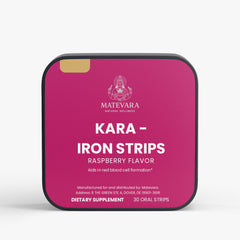
When: Morning on an empty stomach (if tolerated), or with vitamin C and away from calcium
Why: Iron is best absorbed on an empty stomach with acidic conditions. However, this often causes nausea or upset stomach, so many people need to take it with a small amount of food.
The critical factor with iron is avoiding substances that inhibit absorption including calcium (in dairy products or supplements), coffee and tea (tannins bind iron), and high-fiber foods. Taking iron in the morning before breakfast or with just vitamin C maximizes absorption while minimizing interference.
Vitamin D
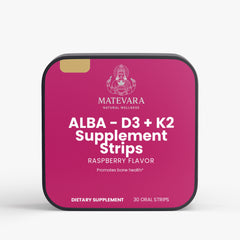
When: Morning with a fat-containing meal
Why: Vitamin D is fat-soluble, requiring dietary fat for optimal absorption. Taking it with breakfast that includes healthy fats (eggs, avocado, nuts, or butter) enhances absorption significantly compared to taking it without fat.
Morning timing also aligns with natural sunlight exposure patterns. While this doesn't directly affect supplementation, it supports your body's circadian rhythm and may help you remember to take it consistently.
Multivitamins
When: Morning with breakfast
Why: Multivitamins contain both water-soluble and fat-soluble vitamins, making a balanced breakfast the ideal timing. This provides dietary fat for fat-soluble vitamins while offering a buffer against potential stomach upset from minerals like iron and zinc.
Taking multivitamins in the morning ensures consistent daily intake and allows any energizing effects from B vitamins to support your day rather than potentially disrupting sleep.
Probiotics
When: Morning, 15-30 minutes before breakfast
Why: The timing of probiotics is somewhat debated, but research suggests taking them on an empty stomach when stomach acid levels are lower may help more beneficial bacteria survive the journey to your intestines.
Taking probiotics first thing in the morning, then eating breakfast 15-30 minutes later, provides this window of lower acidity followed by food that can support bacterial survival and colonization. However, consistent daily use matters more than perfect timing—if morning doesn't work for you, taking them at another consistent time is better than skipping them entirely.
Midday: Afternoon Support
Some supplements are best taken in the afternoon, either with lunch or between meals depending on their specific requirements.
Coenzyme Q10 (CoQ10)
When: Midday with a fat-containing meal
Why: CoQ10 is fat-soluble and significantly better absorbed with dietary fat. A substantial lunch containing healthy fats provides ideal absorption conditions.
Additionally, CoQ10 supports energy production at the cellular level. Taking it at midday can help combat afternoon fatigue without causing the sleep disruption that might occur from late-day energy support.
Digestive Enzymes
When: Immediately before or at the start of your largest meal (often lunch or dinner)
Why: Digestive enzymes work by breaking down food components—proteins, fats, and carbohydrates—so they must be present when you're actually eating. Taking them 5-10 minutes before a meal or with the first bites ensures they're activated and ready to work as food enters your digestive system.
Take digestive enzymes with your largest or most complex meal of the day for maximum benefit. If you eat a substantial lunch, that's the ideal time. If dinner is your main meal, shift them accordingly.
Evening: Nighttime Support
Several supplements are specifically beneficial when taken in the evening, either supporting sleep, nighttime recovery processes, or avoiding interference with daytime activities.
Magnesium
When: Evening, 1-2 hours before bed
Why: Magnesium has natural muscle-relaxing and calming properties that support sleep quality. Taking it in the evening helps you unwind and may improve sleep onset and depth.
Additionally, magnesium can have mild laxative effects for some people, making evening timing more convenient than morning. Magnesium glycinate is particularly well-suited for evening use due to its calming properties and gentle nature on digestion.
Calcium
When: Evening with dinner or before bed
Why: Calcium is best absorbed in smaller doses (500mg or less at a time) and benefits from being separated from iron, zinc, and magnesium, which compete for absorption. Taking calcium in the evening while saving iron for morning prevents this competition.
Additionally, some research suggests calcium may support sleep, and bone remodeling occurs primarily at night, potentially making evening supplementation beneficial for bone health.
Fish Oil/Omega-3s
When: Evening with dinner
Why: Fish oil supplements can cause fishy burps or reflux if taken on an empty stomach. Taking them with your evening meal minimizes this issue. Additionally, if you experience any digestive effects, they'll occur during sleep rather than disrupting your day.
Omega-3s are fat-soluble and benefit from being taken with a meal containing other fats for optimal absorption. Evening meals often fit this profile well.
Melatonin
When: 30-60 minutes before desired sleep time
Why: Melatonin is a hormone that signals your body it's time to sleep. Taking it too early may cause drowsiness before you're ready for bed, while taking it too late means it hasn't taken effect when you want to sleep.
Start with the lower end of the dosage range (0.5-1mg) taken 30-60 minutes before bed. Adjust timing and dosage based on your response. Consistency in timing is crucial—taking melatonin at the same time each night helps regulate your circadian rhythm.
Ashwagandha
When: Evening with dinner or before bed
Why: Ashwagandha is an adaptogenic herb that helps manage stress and cortisol levels. While it can be taken any time, evening use supports the natural decline in cortisol that should occur at night, promoting relaxation and better sleep.
Some people find ashwagandha mildly sedating, making evening timing preferable to avoid potential daytime drowsiness. Others tolerate it well in the morning—experiment to find what works best for your body.
Fiber Supplements
When: Evening, at least 2 hours away from other supplements and medications
Why: Fiber supplements support digestive health and regular morning bowel movements when taken in the evening. However, fiber can interfere with medication and nutrient absorption, so timing it away from other supplements is crucial.
Take fiber with plenty of water to prevent constipation and ensure it moves through your digestive system effectively.
Supplements That Can Be Taken Anytime
Some supplements are flexible regarding timing, allowing you to schedule them based on convenience and what works for your routine:
Collagen
Collagen can be taken anytime, though many people prefer morning coffee or smoothies for convenience. Consistency matters more than specific timing.
Adaptogens (除了 Ashwagandha)
Most adaptogenic herbs like rhodiola, cordyceps, or ginseng can be taken morning or afternoon based on personal preference and energy needs.
Vitamin E
As a fat-soluble vitamin, vitamin E should be taken with a meal containing fat, but morning or evening works equally well.
Vitamin K
Another fat-soluble vitamin best taken with a fat-containing meal at whatever time is most convenient for you.
Creating Your Personal Supplement Schedule
Now that you understand optimal timing for various supplements, create a personalized schedule:
Step 1: Inventory Your Supplements
List all supplements you're currently taking or planning to take. Note whether each is fat-soluble, water-soluble, or requires specific conditions.
Step 2: Identify Conflicts
Look for nutrients that compete for absorption (calcium and iron, calcium and magnesium, iron and zinc) and plan to separate these by several hours.
Step 3: Match to Meals
Align supplements with appropriate meals—fat-soluble vitamins with meals containing fats, potentially irritating supplements with food, and empty-stomach supplements at suitable times.
Step 4: Consider Your Schedule
Work within your actual daily routine. The best supplement timing is meaningless if you can't maintain it consistently. Adjust recommendations to fit your life while respecting the most critical timing requirements.
Step 5: Use Tools to Remember
Set phone alarms, use pill organizers with multiple compartments for different times of day, or leverage habit stacking—attaching supplement-taking to existing habits like brushing teeth or eating meals.
Sample Supplement Schedules
Here are example schedules for different supplement regimens:
Basic Daily Health Support
Morning (with breakfast): Multivitamin, vitamin D, probiotic (30 minutes before breakfast), vitamin C
Evening (with dinner): Fish oil, magnesium (1-2 hours before bed)
Athletic Performance Focus
Morning (with breakfast): B-complex, vitamin D, vitamin C, probiotic (before breakfast)
Pre-workout: Branched-chain amino acids (BCAAs)
Post-workout: Protein powder, creatine
Evening (with dinner): Fish oil, magnesium, collagen
Digestive Health Focus
Morning (30 minutes before breakfast): Probiotic
With largest meal: Digestive enzymes
Evening: Fiber supplement (2 hours after dinner), magnesium (before bed)
Sleep and Stress Management
Morning (with breakfast): Vitamin D, B-complex
Evening (with dinner): Fish oil, magnesium, ashwagandha
Before bed: Melatonin (30-60 minutes before sleep)
Common Mistakes to Avoid
Taking Everything at Once: This convenient approach often means nutrients compete for absorption or aren't taken under optimal conditions. Separate supplements into 2-3 doses throughout the day.
Ignoring Food Requirements: Fat-soluble vitamins taken without fat are poorly absorbed. Always pair them with appropriate meals.
Inconsistent Timing: Your body can't build stores of water-soluble vitamins, so inconsistent supplementation provides inconsistent benefits. Regular timing matters.
Taking Fiber with Other Supplements: Fiber interferes with nutrient and medication absorption. Always separate it by at least 2 hours.
Ignoring Side Effects: If a supplement causes nausea, try taking it with food. If it makes you jittery, move it earlier in the day. Adjust timing based on your body's responses.
When to Take Medications vs. Supplements
Many medications have specific timing requirements that can conflict with supplements. General principles:
Thyroid Medication: Take on empty stomach, wait 30-60 minutes before food or supplements, especially avoiding calcium, iron, and magnesium within 4 hours.
Blood Pressure Medications: Some supplements affect blood pressure. Consult your doctor about timing to avoid interactions.
Antibiotics: Separate from probiotics, calcium, iron, and zinc by at least 2 hours to prevent interference.
Blood Thinners: Be cautious with vitamin K, vitamin E, and fish oil, which affect clotting. Consistent timing and amounts are crucial—discuss with your doctor.
Always consult your healthcare provider about potential interactions between supplements and medications. Timing adjustments may be necessary to prevent interference while allowing you to take both safely.
The Bottom Line
Strategic supplement timing can significantly enhance absorption, effectiveness, and tolerability. While it might seem complicated initially, creating a personalized schedule becomes second nature with practice.
Remember these key principles:
- Fat-soluble vitamins need dietary fat and can be taken morning or evening with appropriate meals
- Water-soluble vitamins are best taken in divided doses throughout the day
- Minerals often compete for absorption and should be separated
- Energy-supporting supplements belong in the morning
- Sleep-supporting supplements belong in the evening
- Consistency matters more than perfection—an imperfect schedule maintained daily beats a perfect schedule followed sporadically
Start by implementing timing changes for your most important or expensive supplements, then gradually optimize the rest of your regimen. Within a few weeks, proper timing will become automatic, and you'll likely notice improved results from your supplement investment.
Your supplement routine should support your health goals, not create stress or confusion. Use this guide as a framework, but adapt it to your unique needs, schedule, and body's responses. When in doubt, consult with a healthcare provider, registered dietitian, or pharmacist who can provide personalized guidance based on your specific health status and medication regimen.
Medical Disclaimer: This article is for informational and educational purposes only and is not intended as medical advice, diagnosis, or treatment. The information provided about supplement timing is not meant to diagnose, treat, cure, or prevent any disease or medical condition. Optimal supplement timing varies based on individual health status, medical conditions, medications, and specific needs. The recommendations provided represent general guidelines that may not apply to all individuals or situations. Always consult with a qualified healthcare professional, registered dietitian, pharmacist, or physician before starting any supplement regimen, changing supplement timing, or if you have questions about interactions between supplements and medications. Never use supplements as a replacement for prescribed medications or professional medical treatment. Individual nutritional needs vary significantly based on age, sex, health status, activity level, and other factors. What works for one person may not be appropriate for another. If you experience adverse reactions to any supplement, discontinue use and seek medical attention.
FDA Disclaimer: These statements have not been evaluated by the Food and Drug Administration. Dietary supplements are not intended to diagnose, treat, cure, or prevent any disease. Supplements are not regulated in the same manner as pharmaceutical drugs, and quality, purity, and potency can vary significantly between products and manufacturers.
DSHEA Notice: Under the Dietary Supplement Health and Education Act (DSHEA) of 1994, dietary supplements are classified as a category of food rather than drugs. Manufacturers and distributors are responsible for ensuring safety before marketing, and any health claims must be substantiated and not misleading. Dietary supplements are intended to supplement the diet and should not be used as substitutes for a varied, balanced diet and healthy lifestyle.
Medication Interactions: Many supplements can interact with prescription and over-the-counter medications in significant ways. Timing supplements differently from medications may reduce but not eliminate interaction risks. Critical interactions include calcium, iron, and magnesium with thyroid medications, vitamin K with blood thinners like warfarin, St. John's Wort with numerous medications, fish oil and vitamin E with blood thinners, and many others. Always disclose all supplements, including timing and dosages, to all healthcare providers including physicians, pharmacists, and specialists. Before surgical procedures, discuss supplement discontinuation timelines with your surgeon, as some supplements affect bleeding or interact with anesthesia.
Pregnancy and Breastfeeding: Supplement needs and optimal timing may differ during pregnancy and breastfeeding. Some supplements beneficial for general health are not recommended during pregnancy. Pregnant and nursing women should work with healthcare providers to develop appropriate supplement protocols, as both dosing and timing recommendations may differ from general guidelines. Never start new supplements during pregnancy or breastfeeding without medical approval.
Individual Variation: Optimal supplement timing varies between individuals based on digestive capacity and function, existing medical conditions, medication schedules, daily routines and meal patterns, sleep schedules and chronotype, and genetic factors affecting nutrient metabolism. The timing recommendations provided are starting points that may require adjustment based on personal response, tolerance, and circumstances. Pay attention to how your body responds and adjust accordingly while respecting fundamental absorption principles.
Quality Matters: Supplement quality varies dramatically between manufacturers. Even with perfect timing, low-quality supplements with poor bioavailability, contaminants, or inadequate active ingredients won't provide benefits. Choose supplements that provide third-party testing verification, use bioavailable forms of nutrients, are free from unnecessary fillers and additives, come from reputable manufacturers with quality control standards, and provide clear dosing information. Poor quality supplements taken at perfect times are less effective than high-quality supplements taken at suboptimal times.
Not a Substitute for Healthy Diet: Supplements are intended to supplement, not replace, a nutritious diet. No amount of supplementation with perfect timing can compensate for consistently poor dietary choices. Focus first on consuming a varied diet rich in whole foods including vegetables, fruits, whole grains, lean proteins, healthy fats, and adequate hydration. Use supplements to address specific deficiencies, support particular health goals, or fill nutritional gaps that diet alone cannot adequately address.
Professional Guidance Recommended: While this guide provides general information about supplement timing, personalized guidance from qualified professionals is invaluable. Consider consulting a registered dietitian for comprehensive nutritional assessment, a functional medicine practitioner for integrative supplement protocols, a pharmacist for medication-supplement interaction guidance, or your primary care physician for oversight of your overall health plan. Professional guidance is particularly important if you take multiple medications, have chronic health conditions, are pregnant or breastfeeding, or are considering high-dose supplementation.
Deficiency Testing: Before supplementing, especially with high doses or multiple nutrients, consider testing to identify actual deficiencies rather than supplementing blindly. Blood tests can reveal true deficiencies and appropriate supplementation levels. Correcting deficiencies requires different approaches than maintaining adequate levels. Over-supplementation of certain nutrients can cause toxicity or imbalances. Work with healthcare providers to test, supplement appropriately, and retest to ensure effective correction without excessive intake.
Effects on Medical Conditions: Certain medical conditions affect supplement absorption, metabolism, and requirements. Digestive disorders may impair nutrient absorption regardless of timing. Kidney disease requires careful monitoring of certain minerals and vitamins. Liver disease affects how the body processes fat-soluble vitamins and other nutrients. Autoimmune conditions may be affected by certain supplements. Always disclose health conditions to healthcare providers when discussing supplementation strategies, as both choices of supplements and optimal timing may need adjustment based on your specific health status.
Cost Considerations: While strategic timing optimizes supplement value, cost-benefit analysis matters. If spacing supplements across multiple daily doses means you won't maintain consistency, simpler schedules that you'll actually follow provide more value than perfect timing you can't sustain. Invest in quality supplements rather than timing perfection with low-quality products. The most expensive supplement regimen is one that sits unused in your cabinet because it's too complicated to maintain.
Frequently Asked Questions
Can I take all my supplements at once for convenience?
While convenient, taking all supplements simultaneously is not optimal for absorption and effectiveness. Many nutrients compete for absorption pathways—calcium interferes with iron and zinc, magnesium competes with calcium, and fat-soluble vitamins require dietary fat that may not be present at all meals. Additionally, some supplements cause side effects when taken together or on an empty stomach. At minimum, separate your supplements into morning and evening doses. Ideally, distribute them across 2-3 times daily based on their specific requirements. The improved absorption and reduced side effects from proper timing make the extra effort worthwhile, ensuring you actually benefit from your supplement investment rather than creating expensive urine.
What if I forget to take a supplement at the recommended time?
If you miss your optimal timing window, take the supplement when you remember with the next appropriate meal rather than skipping it entirely. Consistency matters more than perfect timing. For example, if you forget morning iron, take it with lunch away from calcium-rich foods. If you miss evening magnesium, take it the next evening rather than doubling up. The exception is melatonin—if you miss your pre-bedtime window, skip it for that night rather than taking it too late, which could cause morning grogginess. To prevent forgetting, set phone reminders, use pill organizers, or attach supplement-taking to established habits like meals or brushing teeth. If you frequently forget supplements at certain times, adjust your schedule to times you'll more reliably remember.
How long should I wait between taking supplements that interfere with each other?
For nutrients that compete for absorption, wait at least 2-4 hours between doses for optimal results. For example, separate calcium and iron by at least 2 hours, preferably longer. Separate calcium and magnesium by 2-3 hours if taking high doses of each. Space iron and zinc by several hours. If you're taking thyroid medication, wait at least 4 hours before taking calcium, iron, or magnesium. For fiber supplements, allow at least 2 hours separation from other supplements and medications, as fiber can bind to and reduce absorption of many substances. In practice, spacing competing nutrients across different meals—calcium with dinner, iron with breakfast—provides adequate separation without requiring constant clock-watching.
Should I take supplements with food or on an empty stomach?
This depends on the specific supplement. Fat-soluble vitamins (A, D, E, K) require food containing fat for absorption. Minerals like calcium, magnesium, and zinc are better tolerated with food. Most B vitamins and vitamin C can cause nausea on empty stomachs and are best taken with meals. Iron is theoretically best absorbed on an empty stomach but often causes digestive upset, so many people need to take it with a small amount of food. Probiotics may survive better when taken on an empty stomach with lower stomach acid, though this is debated. Amino acids and some herbs work best on empty stomachs. When in doubt, taking supplements with food is generally safe and reduces the likelihood of digestive discomfort.
Does it matter what I eat with my supplements?
Yes, food choices can significantly impact absorption. For fat-soluble vitamins, include healthy fats in your meal—avocado, nuts, eggs, olive oil, or fatty fish enhance absorption. For iron, include vitamin C-rich foods like citrus or bell peppers to boost absorption, while avoiding calcium-rich foods, coffee, and tea which inhibit it. For calcium, vitamin D helps absorption, so taking them together with a meal makes sense. Avoid taking fiber supplements with meals when you're taking other supplements, as fiber can bind nutrients and reduce absorption. Generally, balanced meals containing protein, healthy fats, and vegetables provide good conditions for most supplement absorption. Avoid taking multiple supplements with only coffee or juice—the nutrients won't be absorbed as effectively.
Can I drink coffee with my morning supplements?
Coffee can interfere with absorption of certain supplements, particularly iron—the tannins in coffee bind to iron and significantly reduce absorption. If you're taking iron, wait at least an hour after iron supplementation before drinking coffee, or take iron at a different time of day. For most other supplements, coffee is fine, though taking them with food and water rather than coffee alone ensures better absorption. Some people find that coffee on an empty stomach with supplements causes more stomach irritation than taking them with solid food. If you're using coffee as part of a routine that includes fat-soluble vitamins, ensure you're also consuming food with fat, not just coffee. For maximum absorption of all nutrients, water with a balanced meal is ideal, with coffee consumed before or after the supplement-taking window.
How long does it take for supplements to work, and does timing affect this?
The timeline for noticing benefits varies by supplement and individual. Water-soluble vitamins like B-complex may provide energy effects within hours to days if you were deficient. Fat-soluble vitamins like vitamin D take weeks to months to build adequate blood levels. Minerals like magnesium may improve sleep within days but take weeks to fully replenish depleted stores. Probiotics typically require 2-4 weeks of consistent use for noticeable digestive improvements. Herbs like ashwagandha may take 2-6 weeks to affect stress response. Proper timing optimizes absorption, potentially allowing benefits to appear sooner and more reliably. However, consistency matters more than timing—taking supplements at suboptimal times consistently beats perfect timing followed sporadically. Give any new supplement at least 4-6 weeks of proper use before evaluating effectiveness.
Should supplement timing change based on whether I'm trying to address a deficiency versus maintaining optimal levels?
The basic timing principles remain the same whether correcting deficiency or maintaining health, but dosing strategies may differ. When addressing deficiency, your healthcare provider might recommend divided doses throughout the day to maximize absorption—for example, taking iron twice daily or vitamin D with both breakfast and dinner. This approach gets more total supplement absorbed despite individual dose absorption limits. Once deficiency is corrected and you're maintaining levels, single daily doses at optimal times typically suffice. The timing for optimal absorption doesn't change based on your nutrient status—fat-soluble vitamins always need dietary fat, and calcium always interferes with iron. However, the frequency and total amount may change. Work with your healthcare provider to adjust both dosing and timing as you transition from deficiency correction to maintenance.