

The concept of a "morning detox routine" has become ubiquitous in wellness circles, often accompanied by images of elaborate rituals involving exotic ingredients and time-consuming preparations. But the truth is simpler and more accessible: your body already has sophisticated detoxification systems that work continuously. The goal of a morning routine isn't to perform some magical cleanse, but rather to support your body's natural processes while setting yourself up for a day of energy, focus, and well-being.
This guide presents a realistic, science-based morning detox routine that anyone can implement, regardless of how busy their schedule. These practices support your liver, kidneys, digestive system, and lymphatic system—your body's primary detoxification organs—while also addressing energy, mental clarity, and overall vitality.
Understanding Morning Detoxification
Before diving into the routine, let's clarify what we mean by "detox" in this context.
Your body detoxifies continuously through several organ systems. Your liver processes toxins and waste products, converting them into less harmful substances. Your kidneys filter blood and eliminate waste through urine. Your digestive system prevents harmful substances from entering your bloodstream while eliminating waste. Your lungs expel carbon dioxide and airborne toxins. Your skin releases some waste through perspiration. Your lymphatic system transports waste products for elimination.
After sleeping—your body's most intensive repair and detoxification period—you wake up with accumulated waste products ready for elimination. A morning routine that supports these natural processes helps you feel energized, clear-headed, and ready to face the day.
The practices outlined below don't replace your body's detoxification systems; they optimize conditions for these systems to work efficiently.
The Ultimate Morning Detox Routine: Step by Step
Step 1: Hydrate Immediately Upon Waking (5 minutes)
What to do: Drink 16-24 ounces of room temperature or warm water immediately after waking, before consuming anything else.
Why it works: During sleep, your body undergoes repair and detoxification processes while you don't consume any fluids for 6-9 hours. You wake up naturally dehydrated. Water upon waking rehydrates your cells, kickstarts kidney function for waste elimination, prepares your digestive system for the day, and helps flush toxins processed overnight.
How to optimize: Add fresh lemon juice (from half a lemon) for vitamin C and to stimulate digestive enzymes. The citric acid in lemon may also support liver function. Use room temperature or slightly warm water rather than ice cold, as warm water is gentler on your digestive system and may promote better hydration.
Avoid adding sweeteners, which spike blood sugar first thing in the morning and can trigger cravings throughout the day.
The science: Research shows that adequate hydration improves kidney function, supports liver detoxification processes, and enhances overall metabolic function. Starting your day hydrated sets a positive trajectory for continued hydration throughout the day.
Step 2: Practice Deep Breathing or Meditation (5-10 minutes)
What to do: Spend 5-10 minutes practicing deep breathing exercises, meditation, or gentle mindfulness before checking your phone or engaging with the outside world.
Why it works: Deep breathing increases oxygen delivery to cells, supports lymphatic drainage (which relies on breathing and movement rather than a pump like the circulatory system), activates the parasympathetic nervous system, reducing stress hormones, and improves mental clarity and focus.
How to optimize: Try box breathing: inhale for 4 counts, hold for 4 counts, exhale for 4 counts, hold for 4 counts, and repeat. Practice diaphragmatic breathing, ensuring your belly expands as you inhale. Combine with gratitude practice or intention-setting for the day.
The science: Chronic stress impairs detoxification by diverting resources away from digestive and liver function. Morning stress management practices reduce cortisol levels and support optimal organ function. Research shows that meditation and deep breathing reduce inflammation and improve immune function—both critical for effective detoxification.
Step 3: Movement to Stimulate Circulation (10-20 minutes)
What to do: Engage in gentle to moderate movement to stimulate circulation and lymphatic flow. Options include yoga (particularly twisting poses that massage internal organs), brisk walking or light jogging, rebounding on a mini trampoline, stretching, or tai chi.
Why it works: Movement increases circulation, delivering oxygen and nutrients while removing waste products. It stimulates lymphatic drainage—your lymph system has no pump and relies on muscle movement and breathing. Exercise promotes bowel movements and digestive motility. Physical activity reduces stress and improves mood.
How to optimize: Include twisting movements that massage your liver and digestive organs. Practice inversion poses (if appropriate for you) to support lymphatic drainage. Move outdoors when possible for additional benefits from fresh air and natural light. Don't overdo it—intense morning workouts can be stressful for some people. Gentle to moderate activity is ideal for a detox-focused routine.
The science: Research consistently shows that regular physical activity improves detoxification capacity, supports healthy liver function, and enhances overall metabolic health. Even 10-15 minutes of morning movement provides significant benefits.
Step 4: Consume a Nutrient-Dense, Detox-Supporting Breakfast (15-20 minutes)
What to do: Eat a balanced breakfast featuring foods that support detoxification and sustained energy.
Ideal components include:
Protein: Eggs, Greek yogurt, or plant-based protein provide amino acids necessary for liver detoxification processes, particularly glutathione production.
Healthy fats: Avocado, nuts, seeds, or olive oil support cell membrane health and help absorb fat-soluble vitamins.
Fiber: Vegetables, fruits, or whole grains support digestive elimination and feed beneficial gut bacteria.
Antioxidants: Berries, leafy greens, or green tea provide compounds that neutralize free radicals and reduce oxidative stress.
Why it works: Breaking your overnight fast with nutrient-dense foods provides building blocks for detoxification enzymes, stabilizes blood sugar to prevent energy crashes and cravings, and supports gut bacteria that influence immunity and inflammation.
What to avoid: Processed foods, refined carbohydrates, and sugary items that spike blood sugar, promote inflammation, and work against detoxification goals.
Sample detox-supporting breakfasts:
- Vegetable omelet with avocado and berries
- Greek yogurt with nuts, seeds, and mixed berries
- Smoothie with leafy greens, protein powder, berries, and healthy fats
- Oatmeal topped with nuts, seeds, and fruit
- Whole grain toast with avocado, eggs, and sautéed greens
How to optimize: Include cruciferous vegetables (broccoli, kale, Brussels sprouts) which contain compounds that support liver detoxification. Add herbs and spices like turmeric, ginger, cilantro, and parsley with detox-supporting properties. Drink green tea with breakfast for additional antioxidants.
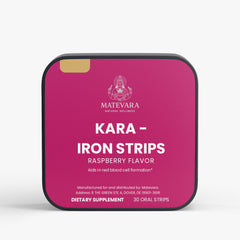
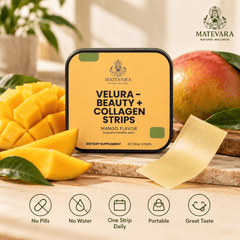
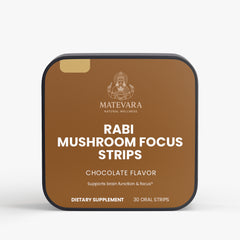
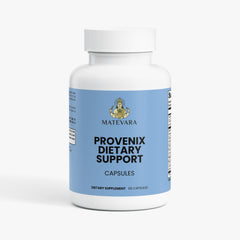
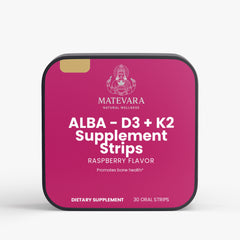
Consider incorporating high-quality supplements from the Matevara detox collection into your morning routine to further support your body's natural detoxification processes with targeted, effective ingredients.
Step 5: Dry Brushing (5 minutes, 2-3 times per week)
What to do: Use a natural bristle brush to gently brush your skin in long strokes toward your heart before showering.
Technique: Start at your feet and brush upward on legs. Brush from hands up arms. Brush from abdomen up toward heart. Use gentle pressure—this should feel good, not painful.
Why it works: Dry brushing exfoliates dead skin cells, allowing better elimination through skin, stimulates lymphatic drainage, improves circulation, and may reduce the appearance of cellulite over time.
How to optimize: Always brush toward your heart to support lymphatic flow. Use gentle pressure—aggressive brushing can irritate skin. Follow with a shower, alternating between warm and cool water to further stimulate circulation. Moisturize after showering to support skin barrier function.
The science: While research on dry brushing specifically is limited, the practice of lymphatic massage (which dry brushing resembles) has been shown to support lymphatic drainage. The exfoliation benefits are well-established.
Step 6: Cold Shower or Contrast Hydrotherapy (2-5 minutes)
What to do: End your morning shower with 30-60 seconds of cold water, or alternate between hot and cold water (contrast hydrotherapy).
Contrast technique: 2-3 minutes warm water, 30 seconds cold water, repeat 3-4 times, ending with cold.
Why it works: Cold exposure increases circulation as your body works to maintain core temperature. It stimulates the lymphatic system, activates brown fat (metabolically active fat tissue), reduces inflammation, and boosts alertness and mood through increased norepinephrine.
How to optimize: Start gradually—begin with just cool (not ice cold) water for 10-20 seconds and build up over weeks. Focus on breathing deeply during cold exposure. End with cold to maximize alertness and metabolic effects.
The science: Research on cold exposure shows benefits including improved immune function, reduced inflammation, increased metabolic rate, and enhanced mood. While studies often examine cold water immersion, shorter cold showers provide meaningful benefits.
Step 7: Targeted Supplementation (2 minutes)
What to do: Take supplements that support detoxification and overall health with your breakfast.
Key supplements for morning detox routines:
Probiotics: Support gut health, which influences immunity, inflammation, and toxin elimination. Take 15-30 minutes before breakfast for optimal survival.
Milk Thistle or Liver Support Formulas: Contain silymarin and other compounds that support liver function and regeneration.
Vitamin C: Powerful antioxidant that supports glutathione production, the body's master detoxification molecule.
B-Complex Vitamins: Support energy metabolism and liver detoxification pathways.
Turmeric/Curcumin: Anti-inflammatory compound that supports liver health and reduces oxidative stress.
Digestive Enzymes: Help break down food efficiently, reducing digestive burden and supporting nutrient absorption.
Why it works: Strategic supplementation provides nutrients that may be inadequate in your diet, supports specific detoxification pathways in the liver, and enhances your body's natural detoxification capacity.
How to optimize: Take fat-soluble supplements (like curcumin) with your fat-containing breakfast. Take probiotics on a relatively empty stomach before breakfast. Choose high-quality supplements from reputable sources.
The Matevara detox collection offers thoughtfully formulated products designed to support your body's natural detoxification processes with high-quality, bioavailable ingredients.
Step 8: Practice Gratitude or Journaling (5 minutes)
What to do: Spend a few minutes journaling about what you're grateful for, setting intentions for the day, or simply reflecting.
Why it works: Mental and emotional wellness directly impacts physical health. Gratitude practice reduces stress and cortisol levels, improves mood and mental health, and supports better decision-making throughout the day including food choices.
How to optimize: Write down 3-5 specific things you're grateful for. Set 1-3 intentions for how you want to show up today. Reflect on how you want to feel by day's end.
The science: Research on gratitude practices shows measurable improvements in stress markers, sleep quality, immune function, and overall well-being. The mind-body connection means that mental practices influence physical health, including detoxification capacity.
Sample Timeline: The Complete Morning Detox Routine
Here's how this routine fits into a realistic morning schedule:
6:00 AM - Wake up 6:00-6:05 AM - Hydrate (16-24 oz warm lemon water) 6:05-6:15 AM - Deep breathing/meditation 6:15-6:35 AM - Movement (yoga, walking, or stretching) 6:35-6:40 AM - Dry brushing (if doing it this day) 6:40-6:50 AM - Shower (ending with cold water) 6:50-7:10 AM - Prepare and eat breakfast 7:10-7:15 AM - Gratitude practice/journaling
Total time: Approximately 75 minutes
If you have less time, prioritize: hydration (5 min), movement (10 min), healthy breakfast (15 min), and one mindfulness practice (5 min) = 35 minutes.
Adapting the Routine for Your Life
The "ultimate" routine is one you'll actually do consistently. Here's how to adapt based on your circumstances:
For busy mornings: Focus on hydration, quick movement, and nutrient-dense breakfast. Add other elements on less rushed days.
For parents: Include children in movement activities. Make smoothies that everyone can enjoy. Practice gratitude together at breakfast.
For early gym-goers: Hydrate before working out, practice deep breathing during warm-up/cool-down, and ensure post-workout breakfast is nutrient-dense.
For night shift workers: Implement this routine when you wake up, regardless of actual time of day. Your body benefits from the same practices upon waking.
What to Avoid in the Morning
Just as important as what you do is what you avoid:
Checking phone/email immediately: This floods your brain with stress and demands before you've centered yourself. Wait at least 30-60 minutes.
Skipping breakfast: Your body needs nutrients to support detoxification and energy production.
Coffee before water: Coffee is dehydrating. Hydrate first, then enjoy coffee if desired.
Sugar and refined carbs: These spike blood sugar, promote inflammation, and set you up for energy crashes and cravings.
Rushing through the routine: Even if you only have 20 minutes, do those practices mindfully rather than frantically rushing.
Long-Term Benefits of Consistent Morning Detox Routine
Implementing this routine consistently over weeks and months produces cumulative benefits:
- Improved energy levels throughout the day
- Better mental clarity and focus
- More regular digestion and elimination
- Reduced bloating and digestive discomfort
- Improved sleep quality
- Better stress management
- Clearer skin
- Stronger immune function
- Reduced inflammation markers
- Improved overall sense of well-being
The key word is consistent. One morning of perfect execution won't transform your health, but 30 days of imperfect but consistent practice will produce noticeable improvements.
The Bottom Line
The ultimate morning detox routine isn't about extreme measures, expensive products, or complicated protocols. It's about consistently supporting your body's natural detoxification systems through hydration, movement, stress management, and nutrient-dense nutrition.
Start by implementing one or two practices that resonate with you. As they become habitual, gradually add others. Within weeks, you'll likely notice improvements in energy, digestion, mental clarity, and overall well-being.
Remember that your body is remarkably capable of detoxification on its own. The goal of this routine is simply to create optimal conditions for these natural processes to work efficiently while setting a positive tone for your entire day.
For high-quality supplements and products to support your morning detox routine, explore the Matevara detox collection, featuring carefully selected ingredients designed to enhance your body's natural detoxification capacity.
Your morning routine is an investment in yourself. Make it count.
Medical Disclaimer: This article is for informational and educational purposes only and is not intended as medical advice, diagnosis, or treatment. The information provided about morning detox routines is not meant to diagnose, treat, cure, or prevent any disease or medical condition. While the practices discussed generally support health and wellness, individual needs and responses vary significantly. Your body's detoxification systems are complex and influenced by numerous factors including genetics, existing health conditions, medications, and lifestyle. Always consult with a qualified healthcare professional before implementing significant changes to your morning routine, starting new supplements, or if you have any health concerns or medical conditions. This is particularly important if you have liver disease, kidney disease, digestive disorders, cardiovascular conditions, are pregnant or breastfeeding, take prescription medications, or have any chronic health conditions. The practices described may not be appropriate for everyone. Never use wellness routines or supplements as a replacement for prescribed medications or professional medical treatment. If you experience adverse reactions to any element of this routine, discontinue that practice and consult a healthcare provider.
FDA Disclaimer: These statements have not been evaluated by the Food and Drug Administration. The products, practices, and dietary suggestions discussed in this article are not intended to diagnose, treat, cure, or prevent any disease. Dietary supplements are not regulated in the same manner as pharmaceutical drugs.
DSHEA Notice: Under the Dietary Supplement Health and Education Act (DSHEA) of 1994, dietary supplements are classified as a category of food rather than drugs. Manufacturers and distributors are responsible for ensuring safety before marketing, and any health claims must be substantiated and not misleading. Dietary supplements and wellness practices are intended to support overall health and should not be used as substitutes for a varied, balanced diet, healthy lifestyle, or medical treatment.
Detoxification Claims: The concept of "detoxification" as used in wellness contexts differs from medical detoxification. Your liver, kidneys, digestive system, lungs, and skin continuously detoxify your body without requiring special routines or products. The practices described in this article support these natural processes but do not "remove toxins" in the way sometimes claimed by wellness marketing. There is no scientific evidence that specific morning routines "flush toxins" or dramatically alter your body's detoxification capacity beyond supporting optimal function of existing detoxification organs. Be skeptical of extreme detox claims and focus instead on sustainable practices that support overall health.
Individual Results Disclaimer: Results from implementing this morning routine vary widely between individuals based on current health status, consistency of implementation, overall diet and lifestyle, sleep quality and quantity, stress levels, existing medical conditions, genetic factors, and environmental exposures. Some people may notice significant improvements in energy, digestion, and well-being, while others may experience minimal changes. The information provided represents general guidance and should not be interpreted as a guarantee of specific outcomes. What works well for one person may not be appropriate or effective for another.
Supplement Safety and Quality: The quality, purity, and potency of supplements vary dramatically between manufacturers. Some products may be contaminated with heavy metals, pesticides, or other harmful substances. Choose supplements from reputable companies that provide third-party testing results, use high-quality ingredients, are transparent about sourcing and manufacturing, and follow Good Manufacturing Practices (GMP). Not all supplements are appropriate for all people. Supplements can interact with medications and affect certain medical conditions. Always disclose supplement use to all healthcare providers.
Cold Exposure Cautions: Cold showers and contrast hydrotherapy are not appropriate for everyone. People with cardiovascular disease, uncontrolled high blood pressure, Raynaud's disease, cold urticaria, certain autoimmune conditions, or pregnancy should consult healthcare providers before implementing cold exposure practices. Start gradually with cool rather than cold water and build tolerance over time. Never force cold exposure if it causes severe discomfort, dizziness, or breathing difficulties. What feels invigorating to one person may be stressful to another—listen to your body.
Dry Brushing Considerations: Do not practice dry brushing over broken skin, rashes, infections, open wounds, or varicose veins. Use gentle pressure to avoid skin irritation. If you have sensitive skin, eczema, psoriasis, or other skin conditions, consult a dermatologist before dry brushing. While lymphatic drainage has recognized benefits, specific claims about dry brushing "removing toxins" are not scientifically substantiated.
Movement and Exercise: The movement practices described should be appropriate for your current fitness level. If you have mobility limitations, injuries, or chronic conditions affecting movement, modify activities accordingly. Consult healthcare providers before starting new exercise routines if you have cardiovascular disease, joint problems, or other conditions that might be affected by physical activity. Start gradually and increase intensity slowly over time.
Lemon Water Cautions: Lemon is acidic and can erode tooth enamel with repeated exposure. Drink lemon water through a straw when possible and rinse your mouth with plain water afterward. People with acid reflux, gastritis, or sensitive stomachs may find lemon water irritating. If you experience heartburn or stomach discomfort, discontinue lemon water and drink plain water instead.
FTC Disclosure: This article contains affiliate links to products. We may receive compensation if you make a purchase through these links. However, this does not influence our content, and we only recommend products we believe may be of value to our readers based on quality standards and beneficial ingredients.
Pregnancy and Breastfeeding: Many elements of this routine require modification during pregnancy and breastfeeding. Pregnant and nursing women should consult healthcare providers before taking supplements (even natural ones), practicing intense movement or hot/cold exposure, or making significant dietary changes. What's safe and beneficial for general health may not be appropriate during pregnancy or lactation. Always prioritize guidance from obstetricians, midwives, or other qualified prenatal care providers.
Mental Health Considerations: While mindfulness practices generally support mental health, people with certain psychiatric conditions should approach meditation and breathwork practices carefully. Some individuals experience increased anxiety or intrusive thoughts during meditation. If you have a history of trauma, panic disorder, or other mental health conditions, consider working with a therapist to develop appropriate mindfulness practices for your needs.
Not a Substitute for Medical Treatment: Morning wellness routines support overall health but do not replace medical diagnosis or treatment for conditions affecting the liver, kidneys, digestive system, or other organs. If you have symptoms suggesting organ dysfunction—jaundice, severe digestive issues, unusual fatigue, pain, or other concerning symptoms—seek medical evaluation rather than relying on wellness routines. Serious conditions require professional medical care.
Time and Lifestyle Considerations: The "ultimate" morning routine is one you can actually maintain consistently. Don't let pursuit of a perfect routine create stress or guilt when you can't complete every element. Adapt these practices to your real life, schedule, and circumstances. The goal is supporting your health over the long term through sustainable practices, not achieving perfection that causes stress or becomes another source of pressure in your life
Frequently Asked Questions
Do I need to do every step of this routine every single day?
No, and attempting perfection often leads to abandoning routines entirely. Start with the most impactful basics—hydration, movement, and nutrient-dense breakfast—which take about 30 minutes total. Add other elements as they fit your schedule and lifestyle. Consistency with a simplified routine beats perfection with an elaborate routine you can't maintain. Some practices like dry brushing only need to be done 2-3 times weekly. The goal is creating sustainable habits that improve your health over time, not achieving flawless execution daily. On rushed mornings, do what you can. On relaxed mornings, enjoy the full routine. This flexibility prevents the all-or-nothing thinking that sabotages healthy habits.
How long will it take before I notice benefits from this routine?
Many people notice some immediate benefits—improved energy, better mental clarity, reduced bloating—within days of starting morning hydration and movement practices. However, more significant changes like improved digestion, clearer skin, better sleep, and enhanced overall well-being typically become apparent after 2-4 weeks of consistent practice. Detoxification and healing are gradual processes. Your body has been accumulating various stressors potentially for years, so reversing that takes time. Give this routine at least 30 days of consistent implementation before evaluating its effectiveness. Track how you feel week by week rather than day by day. Most people who stick with it report that benefits continue to accumulate over months, with the routine becoming increasingly valuable over time.
Can I drink coffee as part of my morning detox routine?
Yes, but timing matters. Always hydrate first with water—ideally waiting 15-30 minutes after your lemon water before having coffee. Coffee is dehydrating and stimulates digestion, so consuming it on a completely empty stomach can increase acidity and digestive discomfort for some people. Consider having coffee with or after breakfast rather than as your first beverage. If you enjoy coffee, choose high-quality organic options and avoid loading it with sugar or artificial sweeteners. Some people add healthy fats like grass-fed butter or MCT oil to their coffee for sustained energy. Green tea is an excellent alternative, providing gentler caffeine along with antioxidants that specifically support detoxification. Pay attention to how coffee affects your energy, digestion, and anxiety levels, and adjust accordingly.
Is cold water or warm water better for morning hydration?
Warm or room temperature water is generally better for morning hydration. Cold water can be slightly shocking to your system first thing in the morning and may slow digestive function. Warm water is more soothing to the digestive tract, may help stimulate bowel movements, feels more comfortable to drink in larger quantities, and may be absorbed more readily. In traditional Chinese medicine and Ayurveda, warm water is specifically recommended for morning hydration to support digestion and detoxification. However, if you strongly prefer cold water and it means you'll actually drink adequate amounts, that's better than drinking less warm water. The most important factor is actually consuming adequate water first thing in the morning—temperature is a secondary consideration.
Can I do this routine if I work night shifts or have an irregular schedule?
Absolutely. Implement this routine whenever you wake up, regardless of the actual time of day. Your body benefits from the same practices upon waking whether that's 6 AM or 6 PM. If you work nights, your "morning" routine becomes your "beginning of wake period" routine. The principles remain the same—hydrate after sleep, move your body, manage stress, and consume nutrient-dense food. Your body's detoxification systems work continuously, and supporting them matters regardless of your schedule. Night shift workers may actually benefit even more from intentional wellness routines, as irregular schedules can be particularly stressful on the body. Adapt the specifics to your life while maintaining the core principles of hydration, movement, stress management, and proper nutrition.
What if I feel nauseous when I drink lemon water on an empty stomach?
Some people find lemon water too acidic first thing in the morning, especially if they have sensitive stomachs or acid reflux. If this describes you, try plain warm water without lemon initially—the hydration itself is the most important factor. Alternatively, try using less lemon (just a squeeze rather than half a lemon), diluting the lemon water more, or adding a small pinch of sea salt or a teaspoon of honey to buffer the acidity. You could also drink plain water first, then have lemon water with breakfast instead. Other morning hydration options include warm water with fresh ginger, room temperature water with cucumber slices, or herbal tea like peppermint or chamomile. The goal is morning hydration, and lemon is optional. Listen to your body and adjust accordingly.
Will this routine help me lose weight?
This routine supports healthy weight management indirectly by improving metabolic function, reducing inflammation, stabilizing energy and blood sugar, reducing stress (which affects eating behaviors), and improving overall health markers. However, it's not specifically a weight loss program. Weight management requires overall calorie balance through diet and activity. This routine helps by starting your day with choices that set you up for better decisions throughout the day—improved energy means more activity, better stress management reduces emotional eating, and stable blood sugar reduces cravings. Many people naturally lose some weight when consistently following this routine because it addresses underlying metabolic and lifestyle factors. However, if weight loss is your primary goal, combine this routine with appropriate calorie intake, regular exercise, and potentially guidance from a healthcare provider or dietitian.
Are there any people who shouldn't follow this morning detox routine?
Most elements of this routine are safe for most people, but some considerations exist. People with kidney disease should consult doctors about hydration amounts and specific supplements. Those with uncontrolled high or low blood pressure should approach cold showers cautiously and get medical clearance. Pregnant women should check with healthcare providers about supplements, intense movement, and hot/cold exposure. People with eating disorders should be cautious about rigidity around morning routines and ensure breakfast includes adequate nutrition. Those with certain medical conditions affecting circulation or sensation should skip dry brushing or cold exposure. Anyone taking medications should verify that supplements don't interact. If you have any chronic health conditions, discuss this routine with your healthcare provider to ensure all elements are appropriate for your specific situation. The fundamental practices—hydration, gentle movement, and healthy eating—are universally beneficial, but specific applications may need adjustment.