
Best Supplements for Energy in 2026 (Backed by Science)
If you've been dragging yourself through mornings, relying on your third cup of coffee by noon, or hitting that 3 PM wall like clockwork - you're not alone, and you're not broken. Chronic low energy is one of the most common complaints in modern health, and in most cases, it isn't a caffeine deficiency.
It's a nutrient deficiency. A mitochondrial issue. A stress-hormone imbalance. Or all three.
The supplement industry is flooded with energy boosters that are little more than overpriced caffeine pills wrapped in clever marketing. But real, sustained energy -- the kind that carries you through your day without a crash -- comes from supporting the biological machinery that produces energy at the cellular level.
In 2026, the science on energy supplementation has matured significantly. This guide cuts through the noise and focuses on supplements with the strongest evidence behind them -- including several rooted in thousands of years of Ayurvedic tradition that modern science is finally catching up to.
How Does the Body Actually Make Energy?
Before diving into supplements, it helps to understand what 'energy' means biologically. Every cell in your body produces energy through cellular respiration, which takes place primarily in the mitochondria. The end product is ATP (adenosine triphosphate) -- the molecular currency your body runs on.
The best energy supplements work by:
• Fueling mitochondrial function directly (CoQ10, Riboflavin, Magnesium)
• Reducing cortisol and stress load on the adrenal system (Ashwagandha, Rhodiola)
• Correcting underlying deficiencies that impair energy metabolism (B12, Iron, Vitamin D)
• Improving oxygen and nutrient delivery to cells (Shilajit, Beetroot)
• Supporting mental focus and reducing fatigue perception (L-Theanine, Ginseng)
1. Ashwagandha (Withania Somnifera) -- The Ayurvedic Stress-Energy Reset
What it does: Ashwagandha is arguably the most well-researched adaptogen on the market today. It works primarily by regulating the HPA axis (hypothalamic-pituitary-adrenal axis) -- the system responsible for your stress hormone response. When cortisol is chronically elevated, it depletes energy reserves, disrupts sleep, and exhausts the adrenals.
The science: A landmark study published in the Journal of the International Society of Sports Nutrition found that participants taking KSM-66 Ashwagandha extract experienced significant increases in VO2 max and muscular strength compared to placebo. A 2019 study in Medicine found significant improvements in energy levels, sleep quality, and stress markers after 8 weeks of supplementation.
Who it's for: Anyone experiencing stress-related fatigue, burnout, disrupted sleep, or adrenal exhaustion. If your low energy is driven by a 'wired but tired' feeling, ashwagandha is likely one of your most important tools.
What to look for: Standardized extracts like KSM-66 (full-spectrum root extract) or Sensoril. Look for products standardized to at least 5% withanolides.
Dosage: 300--600 mg daily, typically in the evening. Effects build over 4--8 weeks.
Ayurvedic Insight: In Ayurveda, Ashwagandha is classified as a rasayana -- a rejuvenating herb that builds ojas, the subtle essence responsible for vitality, immunity, and mental clarity. It is one of the most revered herbs in the entire Ayurvedic pharmacopoeia.
2. Shilajit -- The Himalayan Mitochondrial Powerhouse
What it does: Shilajit is a resinous substance that forms over millennia from the compression of plant matter in Himalayan mountain ranges. Its primary active compound, fulvic acid, acts as an electron carrier and helps transport nutrients across cell membranes into the mitochondria. Shilajit is also rich in dibenzo-alpha-pyrones (DBPs) that interact directly with CoQ10 to enhance mitochondrial efficiency.
The science: Research published in Andrologia found that purified Shilajit supplementation significantly increased testosterone levels and physical performance markers in healthy male volunteers over 90 days. A 2019 clinical study in Journal of Ethnopharmacology noted significant improvements in fatigue reduction among participants using Shilajit compared to placebo.
Who it's for: Anyone dealing with chronic fatigue, aging-related energy decline, athletes looking to enhance recovery, or those seeking a deep cellular energy upgrade.
What to look for: Purified, lab-tested Shilajit resin or extract. Avoid cheap powders -- impure Shilajit can contain heavy metals.
Dosage: 250--500 mg of purified extract daily. Best taken with warm water or milk.
Ayurvedic Insight: Shilajit translates to 'conqueror of mountains and destroyer of weakness' in Sanskrit. It is considered a yogavahi -- a substance that enhances the bioavailability and potency of every herb it is combined with. Used for over 3,000 years as the premier mineral-tonic for vitality.
3. CoQ10 (Ubiquinol) -- The Mitochondrial Spark Plug
What it does: Coenzyme Q10 is a fat-soluble compound found in virtually every cell, with the highest concentrations in high-energy organs like the heart, brain, and kidneys. It serves as a critical electron carrier in the mitochondrial electron transport chain -- the final step in ATP production. CoQ10 levels naturally decline with age and are further depleted by statin medications.
The science: A meta-analysis in Frontiers in Physiology found that CoQ10 supplementation significantly improved measures of fatigue in patients with fibromyalgia and chronic fatigue syndrome.
Ubiquinol vs. Ubiquinone: Ubiquinol is the active, pre-reduced form with substantially better bioavailability -- especially past age 40 when conversion efficiency drops.
Who it's for: Adults over 35, anyone on statin medications, those with cardiovascular concerns, chronic fatigue sufferers, and athletes.
Dosage: 100--300 mg of ubiquinol daily, taken with a fat-containing meal.
4. Vitamin B12 -- The Foundational Energy Nutrient
What it does: Vitamin B12 is involved in over 100 enzymatic reactions, many directly linked to energy metabolism. It is essential for red blood cell production, proper neurological function, and the conversion of food into usable energy. B12 deficiency is far more common than most people realize -- especially among vegetarians, vegans, older adults, and people with gut health issues.
What to look for: Methylcobalamin -- the bioactive form your body uses directly without conversion. Sublingual tablets or sprays offer better absorption than standard capsules.
Dosage: 500--1,000 mcg daily for maintenance; 1,000--2,000 mcg for correcting deficiency.
5. Rhodiola Rosea -- The Arctic Anti-Fatigue Adaptogen
What it does: Rhodiola Rosea's active compounds -- rosavins and salidrosides -- modulate the stress response, preserve serotonin and dopamine levels under pressure, and significantly reduce both physical and mental fatigue. Unlike stimulants, Rhodiola reduces fatigue perception at the neurological level while improving cognitive performance under stress.
The science: A 2009 study in Phytomedicine found significant anti-fatigue effects in night-shift physicians taking Rhodiola. A review of 11 randomized placebo-controlled trials confirmed benefits for physical performance, mental fatigue, and stress-related burnout.
Who it's for: High-performers under cognitive or physical stress, shift workers, students during high-pressure periods, and anyone experiencing burnout.
Dosage: 200--400 mg standardized extract (3% rosavins, 1% salidrosides) in the morning. Has mild stimulating effect -- avoid evening dosing.
6. Magnesium -- The Overlooked Energy Mineral
What it does: Magnesium is involved in over 300 enzymatic reactions in the body -- including every single step of ATP synthesis. You literally cannot produce energy without it. Research consistently shows that a significant proportion of the population is deficient in magnesium, largely due to depleted soils, poor diet, and high stress.
What to look for: Magnesium glycinate (best for sleep and stress), magnesium malate (best for energy and muscle function), or magnesium threonate (best for cognitive energy). Avoid magnesium oxide -- it has very poor bioavailability.
Dosage: 300--400 mg elemental magnesium daily, ideally in the evening.
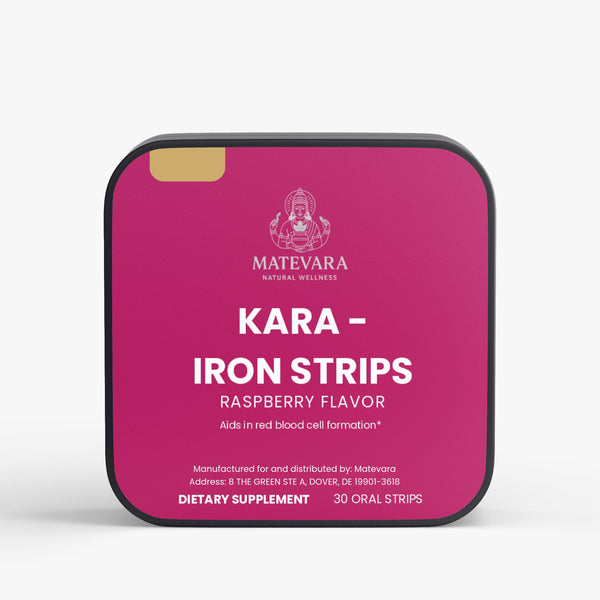
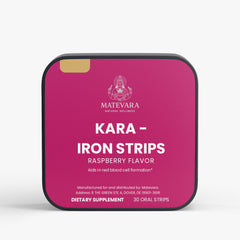
7. Iron -- When Fatigue Is a Blood Supply Problem
What it does: Iron is essential for hemoglobin production -- the protein that carries oxygen from your lungs to your tissues. When iron is low, oxygen delivery to muscles and the brain is impaired, causing fatigue, weakness, poor concentration, and exercise intolerance.
Important: Do not supplement iron without testing first. Get a ferritin level test -- ferritin below 30 ng/mL is often associated with fatigue even when hemoglobin is normal.
What to look for: Iron bisglycinate -- gentler on the digestive system than ferrous sulfate and better absorbed.
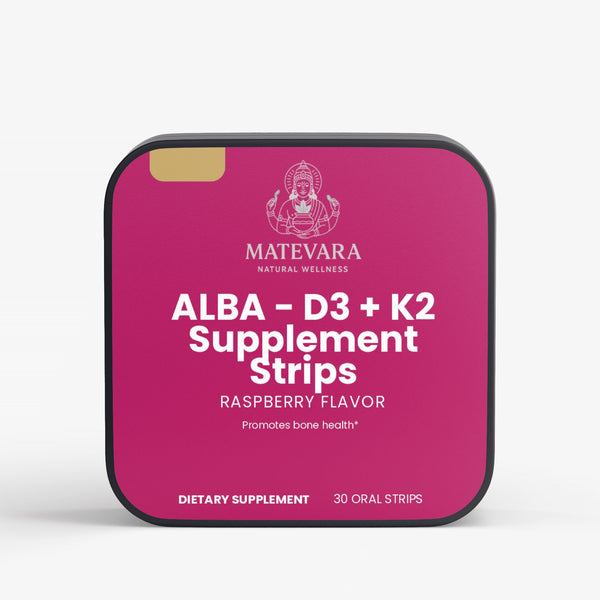
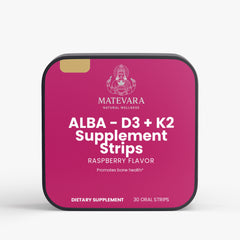
8. Vitamin D3 + K2 -- The Hormone That Powers Your Cells
What it does: Vitamin D behaves more like a hormone than a vitamin, influencing gene expression across hundreds of biological pathways -- including mitochondrial function and mood. Low Vitamin D is consistently associated with chronic fatigue, depression, immune weakness, and musculoskeletal pain.
The science: A 2016 study in Medicine found significant improvements in fatigue scores in vitamin D-deficient women after 8 weeks of supplementation. Research in the American Journal of Clinical Nutrition has linked optimal Vitamin D status with better physical performance and reduced fatigue across all age groups.
Dosage: 2,000--5,000 IU D3 with 100--200 mcg K2 (MK-7) daily, taken with fat for absorption.
9. L-Theanine + Caffeine -- The Cognitive Energy Stack
What it does: L-Theanine, an amino acid found naturally in green tea, promotes calm, alert focus by increasing alpha brain wave activity. Combined with caffeine, it sharpens the stimulant's cognitive benefits while significantly blunting jitteriness, anxiety, and crash.
The science: Multiple studies in Nutritional Neuroscience and Psychopharmacology confirm this combination improves attention, reaction time, and working memory more effectively than either compound alone, with reduced side effects.
Dosage: 100--200 mg L-Theanine with 100--200 mg caffeine. Green tea naturally provides both compounds.
How to Stack These Supplements Strategically
The goal is to identify which mechanisms are most relevant to your specific energy problem and support those first.
• For stress-driven fatigue (burnout, 'wired but tired'): Ashwagandha + Magnesium Glycinate + Vitamin D3/K2
• For cellular/mitochondrial fatigue: CoQ10 (Ubiquinol) + Shilajit + B12 (methylcobalamin)
• For cognitive and mental energy: Rhodiola Rosea + L-Theanine + B12
• For deficiency-driven fatigue (confirm with testing first): Iron + B12 + Vitamin D3
• The Ayurvedic core stack (adaptogenic vitality): Ashwagandha + Shilajit + Rhodiola
What to Look for in a Quality Energy Supplement
• Third-party testing: Look for NSF Certified for Sport, USP Verified, or Informed Sport certification.
• Standardized extracts: For botanicals, confirm the percentage of active compounds (e.g., 5% withanolides, 3% rosavins).
• Bioavailable forms: Methylcobalamin not cyanocobalamin. Magnesium glycinate not magnesium oxide. Ubiquinol not ubiquinone.
• Transparent labeling: No proprietary blends that hide individual ingredient doses.
• Clean formulation: Minimal fillers, no artificial colors or unnecessary additives.
The Bottom Line: Build Energy From the Inside Out
Sustainable energy in 2026 isn't found in another energy drink. It's built by supporting your body's natural capacity to produce, sustain, and recover energy at the cellular level -- through the right adaptogens, mitochondrial cofactors, and foundational nutrients.
The ancient wisdom of Ayurveda pointed to herbs like Ashwagandha and Shilajit as foundations of vitality thousands of years ago. Modern science is now confirming what Ayurvedic practitioners understood intuitively: that energy is not manufactured from stimulants, but cultivated from within.
Your energy is not gone. It's waiting to be restored.
*These statements have not been evaluated by the Food and Drug Administration. These products are not intended to diagnose, treat, cure, or prevent any disease.
Frequently Asked Questions
What is the best supplement for energy without caffeine?
The best non-caffeine options include Ashwagandha, Shilajit, CoQ10 (Ubiquinol), and Rhodiola Rosea. These work by addressing root causes of fatigue -- elevated cortisol, mitochondrial inefficiency, and adrenal exhaustion -- rather than overriding fatigue with stimulants. Magnesium and B12 are also essential if deficiencies are present.* *These statements have not been evaluated by the Food and Drug Administration. This product is not intended to diagnose, treat, cure, or prevent any disease.
How long does it take for energy supplements to work?
B12 and Iron (if deficient) can show improvement within 1--2 weeks. Rhodiola Rosea often shows effects within days to a week. Adaptogens like Ashwagandha typically build effect over 4--8 weeks. CoQ10 and Shilajit generally show meaningful results after 4--12 weeks. Take supplements consistently and give them adequate time before evaluating.
Can I take multiple energy supplements at the same time?
Yes -- many energy supplements work synergistically. Popular combinations include Ashwagandha + Magnesium for stress and sleep, CoQ10 + Shilajit for mitochondrial support, and Rhodiola + L-Theanine for cognitive energy. Start with one or two, assess your response, then add gradually. Consult your healthcare provider if you are taking prescription medications.
What is Shilajit and why is it used for energy?
Shilajit is a natural mineral-rich resin forming over thousands of years in the Himalayas. Its primary active compound, fulvic acid, acts as an electron carrier and enhances nutrient transport into mitochondria. It also contains dibenzo-alpha-pyrones (DBPs) that work synergistically with CoQ10. Used in Ayurvedic medicine for over 3,000 years as a premier vitality tonic.* *These statements have not been evaluated by the FDA. This product is not intended to diagnose, treat, cure, or prevent any disease.
Is Ashwagandha good for energy?
Yes -- Ashwagandha is one of the most evidence-backed adaptogens for supporting energy, particularly when fatigue is rooted in chronic stress or adrenal overload. Clinical trials show it significantly reduces cortisol levels, improves physical endurance (VO2 max), enhances sleep quality, and reduces subjective fatigue. Look for KSM-66 or Sensoril extracts standardized to at least 5% withanolides.* *These statements have not been evaluated by the FDA. This product is not intended to diagnose, treat, cure, or prevent any disease.
What vitamins are best for energy and fatigue?
The vitamins most strongly linked to energy production include Vitamin B12 (essential for red blood cell production, especially for vegans and adults over 50), Vitamin D3 (low levels are strongly linked to chronic fatigue), the B-vitamin complex (B1, B2, B3, B5, B6 all play roles in converting food to ATP), and Magnesium (involved in over 300 enzymatic reactions including ATP synthesis). Testing for B12, Vitamin D, and ferritin before supplementing is a smart first step.*
Are Ayurvedic energy supplements safe?
Ayurvedic herbs like Ashwagandha, Shilajit, Rhodiola, and Tulsi have long histories of traditional use and are generally well-tolerated at recommended doses. Modern research confirms their safety profiles in healthy adults. Quality and purity matter greatly -- especially for Shilajit, which must be properly purified. Always choose third-party tested supplements. Consult your healthcare provider if you are pregnant, nursing, on medications, or managing a chronic condition.
What is the difference between CoQ10 and Ubiquinol?
CoQ10 exists in two forms: ubiquinone (oxidized) and ubiquinol (active, reduced). Ubiquinol is directly usable by mitochondria for energy production. When you take ubiquinone, your body must first convert it -- a process that becomes less efficient with age. For adults under 35, standard CoQ10 is often sufficient. For those over 35--40, individuals on statins, or those with significant fatigue, ubiquinol is the superior choice. Take both forms with a fat-containing meal for best absorption.*