
You may be here because you’ve done the “good” things before. You cut portions. You skipped dessert. You bought a powder, a tea, or a capsule that promised support, then wondered why nothing felt sustainable.
That frustration makes sense.
What's often needed isn't another extreme plan, but a steadier one. Plant based supplements for weight loss can fit into that kind of routine, but only when you see them clearly. They aren’t a shortcut. They’re tools that may support appetite, meal satisfaction, energy, and consistency when your foundation is already moving in the right direction.
Ayurveda has long approached weight balance through patterns, not punishment. It looks at digestion, daily rhythm, stress, energy, and how different herbs and foods influence your system. Modern nutrition research asks similar questions through a different lens. How full do you feel after eating? How much energy do you burn after meals? How does your gut respond? Which ingredients seem helpful, and for whom?
That overlap matters. It gives you a more grounded way to choose support.
Your Journey Toward Sustainable Weight Management
A common story goes like this. You start with strong motivation. For a week or two, you track everything, avoid favorite foods, and push through hunger. Then real life returns. Work gets busy. Sleep gets worse. Cravings get louder. The plan that looked disciplined on paper starts to feel harsh in your body.
That doesn’t mean you failed. It often means the strategy wasn’t built to last.
Ayurvedic wisdom has always emphasized daily balance over force. In plain terms, that means your body responds better to rhythm than to extremes. Regular meals, supportive herbs, steady digestion, enough sleep, and a calmer nervous system often do more for long-term weight balance than short bursts of restriction.
Why gentle support often works better
Plant-based support can help when it matches your real needs. If you tend to overeat because meals don’t keep you full, fiber-rich support may matter. If stress drives late-night snacking, calming routines may matter more. If your diet is low in whole plant foods, improving food quality may change more than any supplement.
That’s also why food still comes first. A practical place to begin is increasing the foods that naturally support fullness, like beans, lentils, vegetables, seeds, and whole grains. If you want ideas, this guide to doctor-recommended high fiber foods for diabetes and weight loss offers a helpful foundation.
You don’t need your routine to feel perfect. You need it to feel repeatable.
Supplements fit best in that picture as supporting actors. They may help smooth appetite, improve adherence, or make a plant-forward routine easier to maintain. They can’t carry the whole process alone.
How Plant Based Supplements Support Weight Goals
You finish lunch and still feel like something is missing. An hour later, you are back in the kitchen, not because you are careless, but because your meal did not create enough staying power. That is the gap plant based supplements can sometimes help fill.

Ayurveda has long linked weight balance to the quality of digestion, appetite, and daily rhythms. Modern research looks at many of the same themes through different language, such as satiety, blood sugar response, gut signaling, and energy intake. The most helpful botanical support usually works by making a healthy routine easier to repeat.
Satiety often matters more than stimulation
For many adults trying to lose weight, fullness is the first problem to solve.
A 2025 VEGPREV randomized controlled trial published in Frontiers in Nutrition found that overweight participants following a vegan diet lost 6.7% of body weight over 12 weeks, with significant reductions in fat mass, while eating until full. That finding helps explain why plant centered approaches can work so well. Foods and supplements that add fiber, water-holding capacity, or volume may help you feel satisfied on fewer calories without the strain of constant restriction.
A meal built around lentils, vegetables, and intact grains works like a sponge in the stomach. It takes up space, slows the pace of eating, and creates a steadier feeling of “I’ve had enough.” A dense processed snack can do the opposite. It disappears quickly and often leaves appetite signals unsatisfied.
Energy density changes how much food fits into your day
Weight management is not only about willpower. It is also about food physics.
Low energy density means a food gives you fewer calories for more volume. Many plant ingredients support this by adding bulk and viscosity to meals. That is one reason powders, fibers, and seed-based blends can be useful when they are added to a real eating pattern instead of used as a shortcut.
If you are trying to build more satisfying meals, these plant based protein powder benefits can help explain why protein and fiber often work better together than either one alone.
Some botanicals may support metabolic efficiency, but modestly
People often hope a supplement will “boost metabolism” in a dramatic way. That is rarely how meaningful progress happens.
Some herbs and plant compounds may slightly increase thermogenesis, support blood sugar control, or influence how hungry you feel between meals. In Ayurvedic terms, you could describe that as supporting balanced agni, or digestive fire, without pushing the body into an overstimulated state. In modern terms, the better question is whether a botanical helps you stay consistent with eating patterns that support a calorie deficit over time.
This is also why stimulant-heavy formulas deserve caution. A product that makes you feel wired is not always helping your physiology in a durable way.
The gut is part of the story
Traditional systems of medicine placed digestion at the center of health for a reason. Current science increasingly agrees that the gut influences appetite, cravings, regularity, and metabolic response.
Plant fibers and certain botanicals may help by feeding beneficial gut microbes or slowing gastric emptying. Those changes can affect fullness signals and comfort after meals. They can also explain why one person feels noticeably better on a supplement while another feels very little.
That is where expectations need to stay realistic. Supplements can support appetite regulation, meal satisfaction, and digestive steadiness. They do not replace sleep, stress care, movement, or food quality.
If you want a practical overview of herbs commonly discussed for this purpose, Top 8 Herbs for Weight Loss offers a useful companion read.
A Guide to Evidence-Backed Botanical Ingredients
You are standing in the supplement aisle, or scrolling a product page, and three labels all promise something different. One says it supports metabolism. Another says it curbs appetite. A third talks about cleansing. The clearer question is simpler. What job is this plant ingredient doing in the body, and does that job fit your pattern?

Ayurveda has approached this question for centuries by looking at function first. Does an herb warm and stimulate sluggish digestion? Does it add bulk and steadiness? Does it calm the stress pattern that can blur true hunger? Modern research asks different questions, but the overlap is useful. Researchers study gastric emptying, satiety hormones, blood sugar response, gut microbiota, and energy expenditure. Different language. Similar goal. Understand why a botanical might help.
Fibers and fullness-support ingredients
For many people, the most helpful category is also the least flashy.
Fiber-rich ingredients support fullness in a very physical way. They can slow the speed at which food leaves the stomach, add bulk, and improve meal satisfaction. Ayurveda would describe that as supporting digestive steadiness and helping hunger signals become more reliable. Modern nutrition science describes it through satiety, regularity, and glycemic response.
Useful categories include:
- Psyllium and similar fibers that add bulk and support regular bowel movements
- Inulin and prebiotic fibers that feed beneficial gut microbes
- Beta-glucans and other soluble fibers that can help prolong fullness
- Plant proteins that make meals and snacks feel more sustaining
These ingredients rarely create a dramatic sensation. That is often a strength, not a weakness. Gentle support is easier to live with day after day.
Warming herbs and thermogenic support
Ayurvedic traditions often used warming botanicals for people with heavy, slow, or dull digestion. Today, that same general idea shows up in interest around thermogenic herbs and mild plant stimulants.
Green tea, ginger, and yerba mate are common examples. Their effects differ, but the broad idea is similar. Some may modestly support energy expenditure, some may influence appetite, and some may feel most useful around movement or earlier in the day. The practical lesson is to match the herb to the context. A stimulating botanical may feel supportive before a walk or workout and unpleasant late at night or during a high-stress day.
Yerba mate and timing
Yerba mate is a good example of how traditional use and modern questions can meet. Traditionally, it has been used as a stimulating plant beverage that supports alertness and stamina. Modern researchers have explored its role in appetite, energy, and exercise performance.
The main point for readers is not that everyone should take it. The point is that timing changes the experience. A botanical that supports focus and activity often works best when it is used intentionally, not randomly.
Practical rule: If a formula contains energizing botanicals, morning or pre-workout use usually makes more sense than taking it close to bedtime.
Caralluma and appetite awareness
Caralluma fimbriata appears in many appetite-support formulas. Historically, succulent plants like this were valued in settings where food was scarce and managing hunger mattered. That old use does not prove a modern supplement claim, but it does give context for why this plant drew scientific interest.
The better way to view appetite-support herbs is as routine-builders. If a botanical helps you feel calmer between meals, less driven by cravings, or more able to follow a balanced eating pattern, it may have a role. If it is being used to force an unrealistically restrictive plan, the benefit usually fades quickly.
If you want a broader ingredient roundup beyond this article, Blue Haven RX has a useful guide to Top 8 Herbs for Weight Loss.
Gut-focused botanicals and personalized response
Two people can take the same supplement and have very different results. That is frustrating, but it is not mysterious.
One reason may be the gut. Botanicals do not act on a blank canvas. They interact with digestion, meal patterns, and the microbial community already living in the intestines. That helps explain why one person notices less snacking or better regularity while another notices very little.
Panax ginseng offers a useful example. Early human research suggests that differences in gut microbiota may shape who responds to certain botanicals. In plain language, your digestive ecosystem may influence whether a plant ingredient feels helpful, neutral, or irritating.
Here is a simple way to read your own response:
| What you notice | What it may suggest |
|---|---|
| You feel fuller sooner | A fiber or appetite-support ingredient may fit your physiology |
| You feel wired or restless | The formula may be too stimulating for you |
| You notice no change | The ingredient, dose, or format may not suit your routine |
| You get bloating or discomfort | The dose or timing may need adjustment, or the formula may be a poor fit |
The Ayurvedic lens on ingredient matching
Ayurveda asks a grounding question that can improve supplement decisions. What is out of balance?
If digestion feels slow and heavy, warming or digestive-support herbs may make more sense than a strong stimulant. If cravings spike when meals are too light, fibers or plant proteins may be more useful than anything labeled fat burning. If stress drives evening eating, a formula aimed only at metabolism may miss the underlying issue.
That is a more intelligent way to choose botanicals because it starts with your pattern, not marketing language.
You can use these questions:
- Do I need more fullness between meals?
- Do I need steadier digestion after eating?
- Do I need help with stress-linked eating patterns?
- Do I want support for blood sugar balance alongside a plant-forward routine?
For readers interested in that last question, this article on berberine benefits as a natural alternative to metformin offers a helpful look at how one botanical compound is studied for metabolic support.
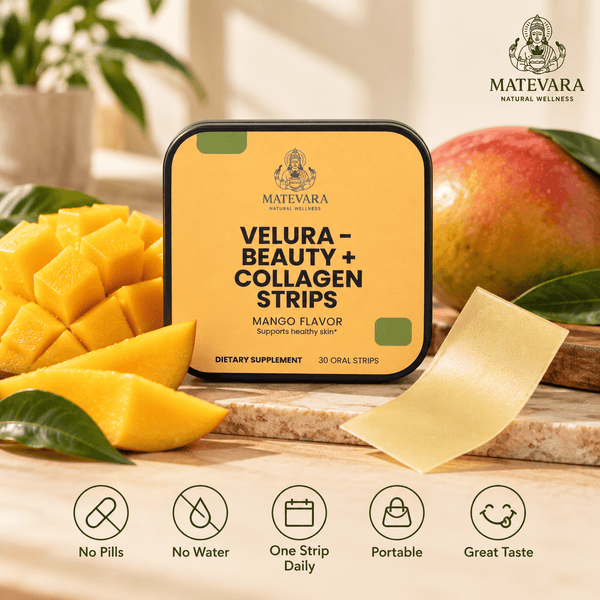
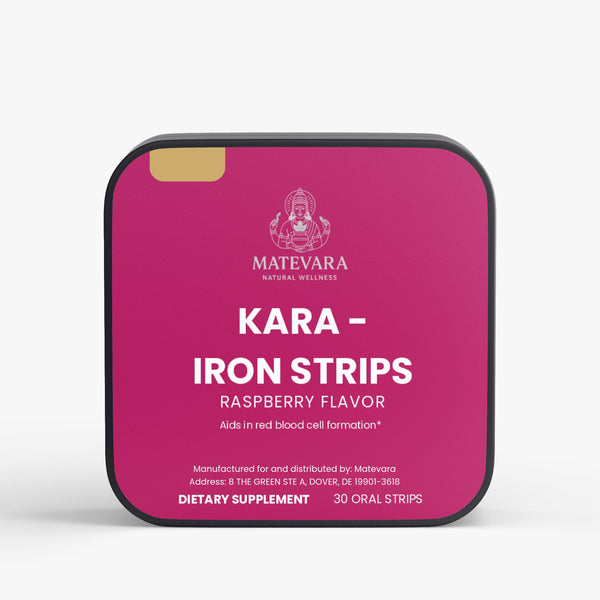
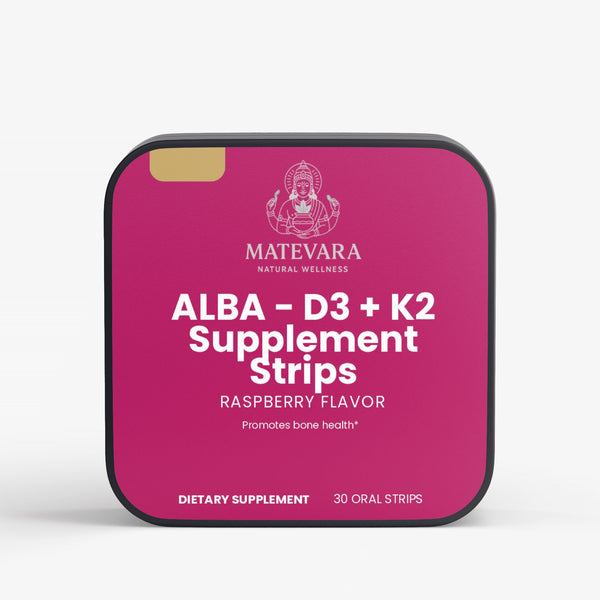
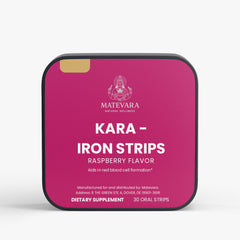
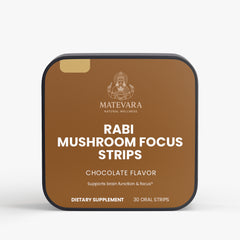
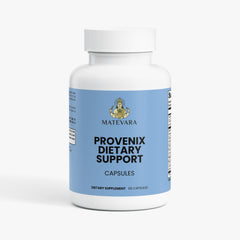
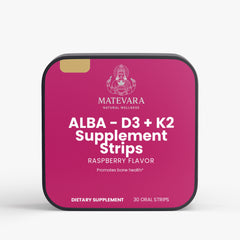
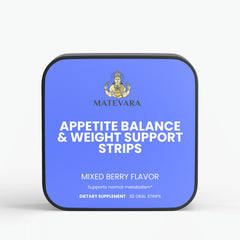
You may also come across newer delivery formats, including oral strips. Matevara offers Livyra Appetite Balance & Weight Support Strips, a plant-based oral strip for appetite balance and weight support. The format itself does not make a product better or worse. What matters is whether the formula reflects a clear purpose. For example, a strip may appeal to someone who wants a simple, portable option that fits an Ayurvedic principle of consistency, while still expecting modern basics like transparent labeling, sensible dosing, and ingredients with a plausible mechanism.
To add a visual explainer on how botanical blends are commonly positioned, this short video is a helpful companion.
Decoding the Research and Managing Expectations
The wellness industry often treats “natural” as a shortcut for “proven.” It isn’t. Some plant ingredients look promising in early trials, while the full picture stays incomplete.
That’s especially true for long-term use.

Short studies can’t answer long-term questions
A supplement may look useful over a few weeks and still be disappointing over many months. Weight management isn’t just about initial loss. It’s also about maintenance, tolerance, adherence, and whether the routine still works when life gets messy.
The NIH Office of Dietary Supplements fact sheet on weight-loss supplements notes that while botanicals like African mango (Irvingia gabonensis) look promising in short-term studies, the long-term efficacy and safety of many popular ingredients are still not well established. A 2013 review found the existing trials were small, short, and lacked participant diversity. That’s a major gap if you’re trying to choose something for real life rather than a brief experiment.
A positive study doesn’t mean a dramatic result
This is another place where readers understandably get confused. A study can show a statistically meaningful effect without delivering a dramatic physical change.
That’s not bad science. It’s just the difference between marketing and reality.
A more honest expectation looks like this:
- Supplements may help adherence by making appetite more manageable
- Results are often modest unless diet, sleep, movement, and stress are also addressed
- Some people respond well, others barely respond
- Long-term safety data is often thinner than marketing suggests
A supportive supplement should make healthy habits easier to continue. It shouldn’t ask you to ignore hunger, skip meals, or live on willpower.
If your alternative is a highly restrictive cleanse or one of the more risky fad diets, a measured plant-based approach is usually the more grounded choice. But grounded still means critical. Read labels. Question big promises. Look for evidence that matches the claim being made.
How to Choose a High-Quality Plant Based Supplement
You are standing in the supplement aisle, or scrolling through page after page online, and every bottle seems to promise the same outcome. Clean label. Natural ingredients. Fast results. At that point, choosing well becomes less about marketing and more about reading the formula like a teacher reads a textbook. What is here, and does the label explain it clearly?
A high-quality plant based supplement should do three things well. It should name its ingredients plainly, show the amount of each meaningful ingredient, and give you enough context to understand why those ingredients are included. Ayurveda has always valued this kind of specificity. An herb is chosen for a reason, in a form that suits the goal, the person, and the broader routine.

What to check on the label
Start with the label, not the headline claim.
A trustworthy product usually makes it easy to answer a few basic questions without hunting through fine print. A quality-focused overview like Matevara’s guide to science-backed wellness products can help you see what transparent standards look like in practice.
Look for these signals:
- Clear ingredient names so you know which herb, extract, or compound you are taking
- Amount per serving so you can compare one product with another
- Simple supporting ingredients rather than a long list of fillers, colors, or unnecessary additives
- Directions for use that explain timing, serving size, and any cautions
- Allergen, sourcing, or manufacturing details that show the brand has considered safety and consistency
If a label hides key information behind a “proprietary blend,” pause. You cannot assess a formula well if the meaningful doses are kept vague.
Whole herb versus standardized extract
This is one of the most common points of confusion.
A whole herb product uses more of the plant’s natural profile. In traditional systems such as Ayurveda, that broader profile was often part of the logic. The plant was valued as a living matrix, not only for one isolated compound. A standardized extract works differently. It is processed to provide a more predictable level of a specific active constituent, which can make research comparisons and dosing more consistent.
Neither form is automatically superior. The better choice depends on the purpose.
| Label type | What it tells you |
|---|---|
| Whole herb | Uses the broader plant material |
| Standardized extract | Targets a defined active compound |
| Proprietary blend | Hides exact amounts of each ingredient |
If a product uses a standardized extract, the label should say what it is standardized to. If it uses a whole herb, the plant part should be named when possible, such as root, leaf, or seed. Those details matter because different parts of the same plant can act differently in the body.
Why personalization still matters
Two people can take the same botanical and have different experiences. Earlier research discussed in this article suggests that individual biology, including differences in digestion and gut ecology, may shape how a person responds to a supplement.
That idea also fits Ayurvedic thinking. Traditional practice did not assume one herb would suit every person in the same way. Constitution, digestion, appetite patterns, stress load, and daily routine all influenced the recommendation.
So a better question is not “What is the strongest supplement?” It is “What kind of support fits my pattern?”
A formula with a clear purpose is usually more useful than one that tries to cover every possible goal in a single bottle.
A short buyer’s checklist
Before you buy, slow down and ask:
-
Is the claim believable
“Supports appetite balance” or “supports metabolic wellness” is more credible than a promise to burn fat quickly. -
Can I identify the active ingredients and their amounts
If the answer is no, the label is not giving you enough to work with. -
Does the form make sense for the claim
A whole herb and a standardized extract can both be appropriate, but the label should explain what you are getting. -
Is there quality transparency
Third-party testing, manufacturing details, and sourcing information all add confidence. -
Does this formula match my actual goal
Hunger support, digestive comfort, steady energy, and stress-related eating are different needs. -
Can I use this consistently
The most thoughtful formula still needs to fit your real routine, meals, and budget.
Safely Integrating Supplements into Your Wellness Routine
You buy a new supplement with good intentions, take it irregularly for a few days, then wonder whether anything changed. That kind of stop-start routine makes it hard to learn what your body is telling you.
A steadier approach works better. Add one product at a time, use it consistently, and give yourself enough space to notice patterns in hunger, digestion, energy, mood, and sleep. In both Ayurveda and modern clinical practice, observation comes before adjustment. Your body is giving feedback all the time. The goal is to hear it clearly.
Start with a simple foundation
If you are trying a new botanical, begin with the lower end of the suggested serving size unless your clinician advises otherwise. Keep the rest of your routine as stable as you can for a week or two. If you change your supplement, meal pattern, exercise plan, and sleep schedule all at once, you cannot tell which shift caused which effect.
This process works like tuning a musical instrument. Small adjustments make it easier to find the note that fits.
Helpful signs can include:
- Meals feel satisfying for longer
- Urges to snack feel less reactive
- Energy stays more even through the day
- Digestion feels settled
A poor fit may look different. Some people notice jitteriness, stomach upset, sleep disruption, or a wired feeling that does not match calm, sustainable weight care.
Match timing to the herb and to your day
Timing matters because botanicals do different jobs. A fiber-rich ingredient may fit best before or with meals. A stimulating herb may be better earlier in the day or before movement. A calming adaptogen may make more sense in the evening if stress is driving late-night eating.
Ayurveda has long paid attention to timing, digestion, and daily rhythm. Modern supplement use benefits from the same logic. The question is not only what you take, but when your body is most ready to use it well. If you want practical guidance, this guide to the best time to take supplements can help you choose a schedule that feels realistic.
Keep supplements in their proper place
Plant based supplements can support appetite regulation, stress resilience, digestion, or energy. They do not replace the habits that make weight management more stable over time.
Your routine still needs:
- Meals built from whole foods that bring fiber, protein, and staying power
- Regular movement that supports insulin sensitivity, mood, and body composition
- Sleep because poor rest can intensify cravings and blunt fullness cues
- Stress care because a stressed nervous system can push eating patterns off course
- Regular meal timing because the body often responds well to predictable rhythms
This is one place where Ayurvedic wisdom feels especially practical. Irregular habits can disturb digestion and appetite signals. A more consistent daily rhythm often reduces noise, so true hunger and fullness are easier to recognize.
Supplements are support tools. The routine around them shapes how useful they become.
Know when to ask for professional help
Talk with a qualified healthcare professional before starting any supplement if you are pregnant, breastfeeding, taking medication, or managing a health condition. Botanicals can interact with medications, and the right choice depends on the full picture of your health.
Get personalized guidance if you are dealing with unexplained weight changes, significant fatigue, blood sugar concerns, digestive symptoms, or a history of disordered eating. Those situations call for more than a supplement experiment.
These statements have not been evaluated by the Food and Drug Administration. This product is not intended to diagnose, treat, cure, or prevent any disease.
If you want a more thoughtful approach to wellness, Matevara brings together Ayurvedic tradition and modern formulation standards in plant-based daily support. Explore the brand as one option within a bigger routine built on nourishing food, movement, rest, and informed choices.