
Some mornings in your 30s feel like a relay race. You answer emails before breakfast, remember a birthday gift at lunch, squeeze in a workout if you're lucky, and still try to make thoughtful choices about your health.
That’s why so many women start searching for the best vitamins for women in their 30s. Not because they want a perfect routine, but because they want steadier energy, stronger foundations, and a little more support for a body handling a lot at once.
Your 30s can be vibrant and demanding at the same time. Nutrition won't solve every stressor in your life. It can, however, give your body the raw materials it needs to keep up with changing demands. When you understand which nutrients matter most, supplements stop feeling random and start feeling purposeful.
Navigating Your 30s Your Most Demanding Decade
You might be building a career, managing a household, considering pregnancy, recovering from pregnancy, caring for parents, or trying to do several of those at once. Even when life looks good from the outside, your body may still be carrying a quiet load.

A common pattern looks like this. You eat well on some days, skip meals on others, sleep lightly, and wonder why your energy, mood, or resilience doesn't feel as reliable as it used to. That doesn't mean you're failing. It usually means your body needs more consistent support.
When self-care needs to become practical
In your 20s, you may have been able to wing it more often. In your 30s, that strategy usually catches up with you. Bone health, reproductive health, recovery, and stress resilience all become more relevant.
Nutrition is one of the few supports that touches all of those at once. A thoughtful routine can help you feel more steady, not because it adds pressure, but because it removes guesswork.
If you're exploring options, this collection of https://matevara.com/collections/vitamins-for-women can help you compare common supplement categories for women’s health needs.
Good nutrition in your 30s isn't about doing more. It's about giving your body better tools for the life you're already living.
Why Your Nutritional Needs Shift in Your 30s
Your body doesn't suddenly change on your 30th birthday. The shift is subtler than that. But this decade often marks the point when long-term needs become harder to ignore.
Bone becomes a long game
One major change involves your structural foundation. Bone density peaks in the late 20s and begins to decline in the 30s. That makes nutrients tied to bone maintenance more important, especially Vitamin D because it helps your body absorb calcium and supports muscle function too.
You can think of this like home maintenance. When the frame of a house is strong, everything else works better. When maintenance gets delayed for years, small issues become bigger later.
The challenge is that Vitamin D is hard to get consistently from food alone. Sun exposure varies, indoor work keeps many women inside, and sunscreen further limits production. That’s one reason this nutrient comes up so often in conversations about women’s health.
Hormones and metabolism ask for steadier input
Your 30s can also bring changes in cycle patterns, fertility planning, appetite, sleep quality, and the way you bounce back after a stressful week. These changes don't always show up in lab work right away, but you may feel them in life.
Common clues include:
- Energy dips: You feel okay in the morning but hit a wall later in the day.
- Mood variability: Stress feels heavier, or your cycle seems to affect you more than it used to.
- Recovery changes: Poor sleep or a busy week impacts you longer.
That doesn't mean you need a huge supplement stack. It means your body often benefits from consistent intake of nutrients involved in energy production, red blood cell formation, and nervous system support.
Stress changes how support feels
Chronic stress deserves special attention here. A packed schedule doesn't just affect your calendar. It often changes how you eat, digest, sleep, and recover.
Ayurveda has long framed health through balance. In simple terms, that means your body does better when daily inputs support steadiness rather than extremes. Modern nutrition often reaches the same conclusion from a different angle. When life becomes more demanding, your baseline support matters more.
Practical rule: If your routine is inconsistent, choose nutritional habits that are easy to repeat. Consistency usually matters more than complexity.
The Key Vitamins and Minerals for Women in Their 30s
Your 30s often call for the nutritional equivalent of a stronger foundation, not a longer to-do list. A few nutrients do a lot of heavy lifting in this decade because they support systems that are under more pressure: bones, energy production, mood, sleep, and reproductive health.
Ancient Ayurveda describes health as balance under changing conditions. Western nutrition describes many of the same patterns through hormones, nutrient status, and stress physiology. Put together, the message is practical. Support the body consistently, and it usually handles busy seasons better.

Vitamin D for bones mood and daily resilience
Vitamin D helps your body absorb calcium, maintain bone strength, support immune function, and regulate processes that affect mood and muscle function. That combination matters in your 30s because bone protection is no longer something to save for later.
The daily target for adults is 15 mcg (600 IU), according to the Vitamin D guidance summarized in this review on vitamins for women in their 30s. The same review explains that low Vitamin D status is associated with problems involving bone, muscle, mood, and cardiometabolic health.
This nutrient can be tricky because food sources are limited. Fatty fish and fortified foods help, but many women still fall short, especially if they work indoors, use sun protection regularly, or live in areas with limited year-round sun.
A practical way to think about Vitamin D is that it acts more like a background stabilizer than a quick fix. Small, steady support usually matters more than occasional bursts.
- Fatty fish: One of the few naturally richer food sources.
- Fortified foods: Useful for routine intake, though often modest in amount.
- Supplement support: Often considered when sun exposure and diet are not enough.
Folate for cell renewal and reproductive health
Folate supports cell division, red blood cell formation, and early fetal development. In your 30s, that matters whether you are trying to conceive soon, keeping the option open, or supporting normal tissue renewal.
For women of reproductive age, the recommended intake is 400 to 800 mcg daily, based on guidance summarized here. Many women also notice confusion around folic acid versus folate. The simple version is this: folate is the natural form found in foods, while folic acid is the common supplemental form. Some supplements use methylfolate, an active form that some women prefer.
Food still matters. Leafy greens, beans, lentils, citrus, and fortified grains all contribute. A supplement can add consistency when appetite, schedule, or food variety changes from week to week.
Here is the key point many articles skip. Folate is not only about pregnancy. It is part of the body's ongoing maintenance crew, helping build new cells the way a steady supply of bricks helps keep a house in good repair.
If you want a broader comparison of formulations, this guide to best multivitamins for women at every age gives helpful context on how multivitamins differ across life stages.
Iron and B vitamins for oxygen energy and focus
Low energy is not always about sleep. Sometimes the body is struggling to move oxygen well, build healthy red blood cells, or convert food into usable energy.
Iron helps carry oxygen through the blood. B vitamins support energy metabolism, nervous system function, and red blood cell production. Together, they affect stamina, concentration, and how well you recover from demanding days.
This is one area where symptoms can blur together. A woman may describe fatigue, brain fog, reduced exercise tolerance, or feeling depleted after her period. Those clues do not confirm a deficiency, but they do justify a closer look.
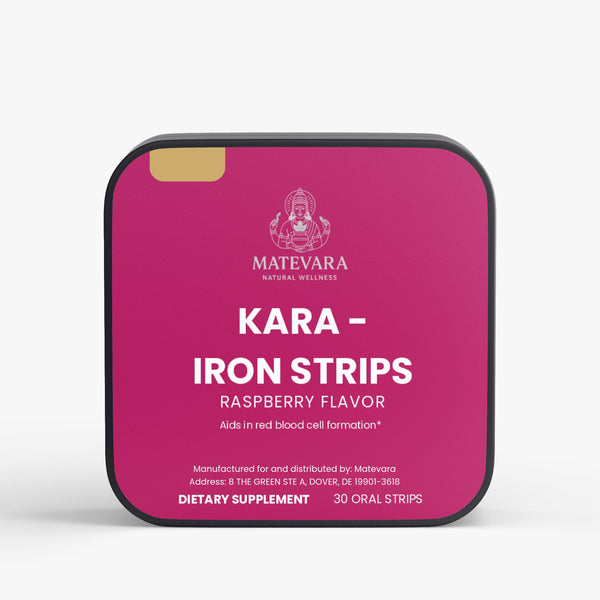
If you are wondering when extra iron may be appropriate, this guide on iron supplements for women and when they may help explains common signs and practical considerations.
Persistent fatigue deserves testing, especially before taking high-dose iron on your own.
Food support is still the first layer.
- Iron-rich foods: Red meat, lentils, beans, tofu, spinach, and pumpkin seeds can all help, depending on your diet.
- B-vitamin foods: Eggs, legumes, fish, dairy, leafy greens, and whole grains provide broad coverage.
- Vitamin C with iron-rich meals: This can improve iron absorption.
Here’s a helpful explainer for visual learners before the next category.
Magnesium and the stress connection
Magnesium supports numerous enzymatic reactions and contributes to energy production, muscle function, nerve signaling, and stress regulation. That is why it shows up so often in conversations about tension, poor sleep, headaches, constipation, and the "wired but tired" feeling.
A useful analogy is a spark plug system. If magnesium is running low, many small processes do not stop completely, but they often run less smoothly. You may feel that as irritability, tight muscles, restless sleep, or harder recovery after stress.
From an Ayurvedic lens, this pattern often resembles excess movement and overstimulation. From a Western lens, it reflects a nervous system that is having trouble settling. Different language, similar observation.
Many women prefer forms such as magnesium glycinate because they are often gentler on digestion and fit well into an evening routine.
Ayurvedic herbs for modern stress load
Nutrients build the foundation. Herbs can shape how the body responds to pressure.
Ayurvedic practice has long used herbs to support balance during periods of overwork, poor sleep, irregular meals, and emotional strain. In your 30s, that can be highly relevant. Many women are balancing career growth, caregiving, changing cycles, and constant mental load all at once.
Ashwagandha is often used to support stress resilience and steadier sleep. Turmeric is commonly used for recovery and inflammatory balance. These are not replacements for Vitamin D, folate, magnesium, iron, or B vitamins. They fit better as complementary tools, especially when stress is one of the main forces increasing your nutrient needs.
That blend of ancient wisdom and modern science is often the most useful approach in this decade. Start with the basics your cells rely on every day. Then add targeted support that helps your system stay steady under life pressure.
How to Choose a High-Quality Supplement
A bottle can promise energy, balance, and glowing skin in a few bold words on the front. The full story is usually on the back. If your 30s feel like a decade of higher demand, your supplement choices should be steady and well-matched to your body, not built around marketing.

Start with the nutrient form and dose
The ingredient name matters, but the form often shapes how well a supplement fits your routine and how easy it is to tolerate over time. Two magnesium products can look similar on the shelf and feel very different in life.
A few examples:
- Methylated folate: Often chosen by women who want an active form of folate.
- Magnesium glycinate: Commonly preferred because it is gentle on digestion.
- Vitamin D3: Frequently used in women’s multivitamins and standalone formulas.
Dose matters just as much. A higher number is not automatically better. The right amount depends on your food intake, lab work, sun exposure, menstrual losses, life stage, and whether you are maintaining a healthy baseline or correcting a shortfall.
Vitamin D is a good example. Many women in their 30s spend long hours indoors, use sunscreen consistently, or live in places with limited winter sunlight. From a Western nutrition perspective, that can make it harder to maintain healthy levels through lifestyle alone. From an Ayurvedic perspective, low light, irregular routine, and chronic stress can all add to a sense of depletion. The supplement itself cannot solve every part of that pattern, but choosing the right form and dose can support the foundation.
Look for proof of quality, not just pretty branding
Good supplements are transparent. You should be able to see what is in the product, how much is included, and whether an outside group has checked it.
Look for signs such as:
- Third-party testing or verification: This helps confirm the product contains what the label lists.
- Clear ingredient amounts: Avoid blends that hide individual doses behind proprietary wording.
- A short, sensible excipient list: Fillers are sometimes necessary, but the label should still be easy to understand.
- Storage and usage guidance: A careful company tells you how to take the product and how to store it.
If labels feel confusing, this guide on how to read nutrition labels can help you make sense of what you are seeing.
For more detail on quality markers, testing language, and what product seals mean, review Matevara’s guide to product certifications and registrations.
A simple rule helps here. Choose a supplement you can explain to yourself in one or two sentences. If the label feels vague, crowded, or overly dramatic, keep looking. Clarity often reflects care.
Building Your Daily Wellness Ritual
The best supplement routine is the one you’ll follow. That usually means fewer moving parts, better timing, and habits that fit your life.
Keep the routine simple enough to repeat
You don't need a dozen bottles lined up on the counter. Start with your essentials. For many women, that may be a multivitamin or a small number of targeted supplements recommended by a clinician.
A basic rhythm often works better than a complicated stack:
- Take fat-soluble nutrients with food. Nutrients like Vitamin D are often easier to take with a meal that includes some fat.
- Be thoughtful with iron. Many women take iron separately when needed, and some pair it with Vitamin C-containing foods.
- Avoid random timing changes. Your body and your schedule both benefit from consistency.
Pair supplements with anchors in your day
The easiest way to remember a supplement is to connect it to something you already do. Breakfast. Brushing your teeth. Packing lunch. Evening tea.
Good anchors include:
- Morning meal: Helpful for multivitamins or nutrients you prefer to take earlier.
- Dinner: Often works well for supplements that feel gentler with a larger meal.
- Bedtime routine: A natural home for calming rituals, depending on the supplement.
If timing tends to confuse you, this guide from Matevara on https://matevara.com/blogs/news/matevaras-guide-on-the-best-time-to-take-supplements can help you build a schedule that makes sense.
Let food sleep and stress care do their share
Supplements work best when they sit on top of basic habits. They don't need perfection. They do need support.
A strong daily ritual often includes:
- Nourishing meals: Whole foods provide the broadest foundation.
- Regular sleep: Better rest changes how your body uses and responds to support.
- Stress practices: A walk, breathwork, stretching, prayer, journaling, or quiet time can all help.
This is one place where Ayurveda and modern wellness overlap beautifully. Small daily practices often shape long-term health more than occasional big efforts.
Matevara's Philosophy Ancient Wisdom and Modern Science
A woman in her 30s may be eating well, taking a multivitamin, and still feel stretched thin. The missing piece is often context. Nutrients support the body's building blocks. Traditional herbs can support how the body responds to stress, mental load, and shifting daily demands.
Matevara's philosophy brings those two ideas together. Western nutrition helps explain what the body needs at the level of vitamins, minerals, absorption, and dosing. Ayurveda asks a related question from a different angle. How well are you digesting, resting, adapting, and maintaining balance as life gets busier?
That combination matters in this decade. Your 30s often bring more responsibility, less recovery time, and more pressure on sleep, mood, and hormonal steadiness. A formula built only around nutrient labels can miss that lived experience. An herbal routine without attention to quality, standardization, and compatibility can miss practical safety and consistency.
Ayurveda has a long medical heritage focused on patterns, rhythm, and whole-person balance. If you want to understand that tradition more clearly, this article on the origins of Ayurvedic medicine and Dhanvantari gives helpful background.
Ashwagandha is a useful example of this bridge. In Ayurvedic practice, it has been used to support resilience and steadiness during times of strain. In modern wellness, it is often discussed for stress support and recovery. Used thoughtfully, herbs like this can be a meaningful part of a routine alongside vitamins and minerals, rather than a replacement for them.
That is the larger idea behind an Ancient Wisdom, Modern Science approach. Respect traditional knowledge. Use modern standards for sourcing and formulation. Build support around the pressures women in their 30s are feeling.
Safety First Talk with Your Healthcare Provider
Supplements can be helpful. They’re still not casual. Your needs depend on your diet, medications, health history, menstrual patterns, pregnancy plans, and lab values.
Talk with a qualified healthcare professional before starting a new supplement routine, especially if you’re pregnant, trying to conceive, breastfeeding, taking prescription medication, or managing an ongoing condition.
A few safety basics matter:
- Don't stack duplicates blindly: A multivitamin plus several targeted formulas can accidentally raise intake too high.
- Use testing when appropriate: Iron, Vitamin D, and B12 decisions are often clearer with labs.
- Stay within labeled guidance unless advised otherwise: More isn't automatically better.
Third-party testing helps with product quality. It doesn't replace individualized medical advice. That's why a clinician's input is still the safest place to start.
These statements have not been evaluated by the Food and Drug Administration. This product is not intended to diagnose, treat, cure, or prevent any disease.
Frequently Asked Questions
Should I take a multivitamin or individual supplements
It depends on your situation. A multivitamin can be a practical baseline if you want broad coverage and simplicity. Individual supplements make more sense when lab work or symptoms point to a specific gap.
Can I get all my nutrients from food alone
Sometimes, yes. In practice, many women don't eat perfectly every day, and some nutrients are harder to get consistently from food and lifestyle alone. Vitamin D is the classic example because sun exposure and diet are often inconsistent.
How long does it take to notice a difference
That varies. Some women notice changes in energy or routine consistency fairly quickly. Other benefits, such as supporting long-term nutritional status, are less dramatic and build over time. It’s better to think in terms of steady support than instant results.
What if I’m thinking about pregnancy but not trying yet
That’s still a good time to review your nutrition. Folate matters before pregnancy is confirmed, which is why many clinicians encourage women of reproductive age to think ahead rather than wait.
Are Ayurvedic herbs a replacement for vitamins
Usually not. They serve different roles. Vitamins and minerals provide foundational nutritional support. Herbs such as ashwagandha or turmeric may complement that foundation by supporting stress resilience and overall balance.
What matters most when buying supplements
Three things. Quality, fit, and consistency. Choose products with transparent labels, forms you can tolerate, and a routine you can realistically maintain.
If you want daily support that reflects both evidence-based nutrition and overall balance, explore Matevara. Their Ayurvedic-inspired, third-party tested wellness products are designed to fit routines, not idealized ones. Always choose supplements with your healthcare provider’s guidance and with your own body’s needs in mind.