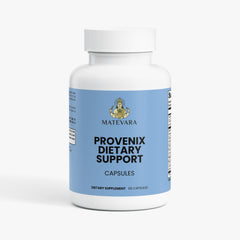
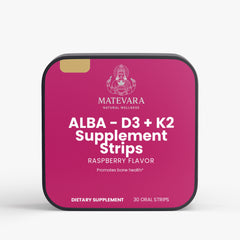
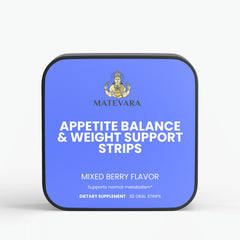

Improving your bone density naturally isn't about a single magic bullet. It's a commitment to a few key areas: nutrition, exercise, and lifestyle. The most effective path combines weight-bearing exercise with a diet full of calcium, vitamin D, and vitamin K2. This approach gives your body both the demand and the materials it needs to build a stronger frame.
Why Bone Density Is Crucial for Lifelong Health

Before we get into the how, it’s important to reframe how you think about your skeleton. It's not a fixed, concrete structure. It's a living, dynamic bank account. Through your youth and early adulthood, you’re busy making deposits, building up a strong reserve of bone mineral that hits its peak around age 30.
After that peak, your body naturally starts making small withdrawals. This is a normal part of aging. The real trouble starts when certain habits or life stages turn those small withdrawals into major ones, leaving your "bone account" overdrawn.
The Cycle of Bone Remodeling
Your bones are in a constant state of renewal, a process called bone remodeling. Think of it like a highly skilled construction crew. One set of cells, the osteoclasts, demolishes old, worn-out bone tissue. They’re followed by another set of cells, the osteoblasts, which build new, strong bone to take its place.
This constant cycle is what keeps your skeleton robust and resilient.
As we get older, however, this beautifully balanced process can get thrown off. The demolition crew (osteoclasts) might start working faster than the construction crew (osteoblasts). This imbalance leads to a net loss of bone mass, slowly chipping away at your overall density and strength.
Key Takeaway: Healthy bones are not static. They are constantly being broken down and rebuilt. Improving bone density means tipping this balance in favor of rebuilding.
This modern scientific view beautifully mirrors the ancient wisdom of Ayurveda, which sees the body as composed of seven vital tissues, or Dhatus. The bone tissue, known as Asthi Dhatu, is considered the foundational framework providing structure and support to the entire body. A disruption in the health of Asthi Dhatu is seen as a disruption to your overall vitality.
Factors That Influence Your Bone Health
Several key factors can tip the scales of bone remodeling. Understanding them is the first step in taking control of your skeletal health.
- Age and Hormonal Changes: For women, the sharp drop in estrogen during menopause is a primary driver of accelerated bone loss. Estrogen is incredibly protective of bone, and its absence puts the demolition process into overdrive.
- Nutritional Gaps: You can't build a strong house without bricks, and you can't build strong bones without minerals. A diet lacking in calcium, magnesium, protein, and especially vitamin D starves your body of the raw materials it needs. You can learn more about one of these key players in our article on the benefits of Vitamin D3 for stronger bones.
- Physical Inactivity: Your bones are incredibly smart—they respond to the demands placed upon them. A sedentary lifestyle sends a clear signal that strong bones aren't a high priority, encouraging the body to conserve resources by reducing bone mass. They thrive on stress, the good kind.
Building Your Plate for Stronger Bones
Your kitchen holds more power than you might think when it comes to bone density. Building a stronger skeleton is about so much more than just chugging a glass of milk. It’s about creating a symphony of nutrients that work together, giving your body the raw materials it needs for a resilient frame.
A food-first approach, grounded in both time-tested dietary wisdom and modern science, is the most sustainable way to achieve lasting bone health. Let's dig into the key players and how to get them onto your plate.
The Core Four Bone Nutrients
Think of building bone like constructing a house. You can have all the bricks in the world, but without cement, a delivery truck, and a skilled crew, you just have a pile of bricks. For your bones, four specific nutrients play these critical roles.
- Calcium: This is the primary mineral that gives your bones their hardness and structure. It's the brick.
- Vitamin D: This is the "gatekeeper" that unlocks your body's ability to absorb calcium from food. Without enough of it, even a calcium-rich diet will fall flat.
- Vitamin K2: Think of this as the "traffic cop." It intelligently directs calcium into your bones and teeth, preventing it from ending up in arteries and soft tissues where it can cause problems.
- Magnesium: This mineral is a crucial "helper." It's essential for converting Vitamin D into its active form and helps stimulate a hormone called calcitonin, which preserves your bone structure. You can learn more about this vital partnership by reading our guide on how magnesium supports bone health by activating vitamin D.
Expert Insight: No single nutrient works alone. Calcium needs Vitamin D for absorption, and Vitamin D needs magnesium to become active. This incredible synergy is why a whole-foods diet is almost always more effective than just popping a few single-nutrient pills.
Top Bone-Boosting Nutrients and Food Sources
It helps to have a quick reference for where to find these powerhouse nutrients. Here's a table to guide your grocery shopping and meal planning.
| Nutrient | Why It Matters for Bones | Excellent Food Sources |
|---|---|---|
| Calcium | The main building block of bone tissue, providing strength and hardness. | Dairy (yogurt, kefir, cheese), sardines, salmon, fortified plant milks, tofu (made with calcium sulfate), white beans, almonds, leafy greens (kale, collards). |
| Vitamin D | Essential for absorbing calcium from the gut. Without it, calcium cannot be effectively used. | Fatty fish (salmon, mackerel), fortified milk and cereals, egg yolks, sun exposure (with caution). |
| Vitamin K2 | Activates proteins that direct calcium to the bones and away from arteries. | Fermented foods (natto), hard cheeses (Gouda, Brie), egg yolks, grass-fed butter, dark meat chicken. |
| Magnesium | Needed to activate Vitamin D and stimulates calcitonin, a hormone that preserves bone. | Nuts (almonds, cashews), seeds (pumpkin, chia), spinach, black beans, avocado, dark chocolate. |
| Protein | Provides the collagen framework that minerals adhere to, making up about 50% of bone volume. | Lean meats, poultry, fish, eggs, dairy, legumes, tofu, quinoa. |
Focusing on incorporating a variety of these foods is the most effective strategy for creating a diet that builds and maintains a strong skeleton.
Beyond Dairy: Diverse Sources of Calcium
While dairy products like yogurt and cheese are fantastic sources of calcium, they are far from the only game in town. A diverse, plant-forward diet can easily provide all the calcium you need.
Excellent non-dairy calcium sources include:
- Fortified Plant Milks: Almond, soy, and oat milks are often enriched with both calcium and vitamin D.
- Tofu and Tempeh: Check the label for tofu made with calcium sulfate for an extra boost.
- Beans and Lentils: White beans, chickpeas, and kidney beans are all solid contributors.
- Nuts and Seeds: Almonds, chia seeds, and sesame seeds (and their butter, tahini) are small but mighty.
Leafy greens like kale, spinach, and collard greens are true powerhouses. A single cooked cup can provide 200-300 mg of calcium in a form your body can readily use. Plus, the Vitamin K in these vegetables helps activate osteocalcin, a protein that binds calcium directly to your bones. Studies indicate that diets rich in these greens are linked to a lower risk of fractures.
Food Pairings for Maximum Benefit
To get the most out of your efforts, think about pairing foods strategically. This isn't just good science; it aligns with the Ayurvedic principle of creating balanced meals that nourish the Asthi Dhatu (bone tissue).
Try these simple, effective combinations:
- Spinach Salad with Chickpeas and a Squeeze of Lemon: You get calcium and protein from the chickpeas and a dose of Vitamin K from the spinach.
- Salmon with a Side of Sautéed Kale: Fatty fish like salmon is one of the best dietary sources of Vitamin D, which will help you absorb all the wonderful calcium from the kale.
- Almond Milk Smoothie with Prunes: Interesting research suggests eating five to six prunes a day may support bone mineral density. Blending them into a smoothie with calcium-fortified almond milk is an easy and delicious way to get them in.
Since bone density naturally declines with age, especially for women, a more structured eating plan can be incredibly helpful. For those looking for more direct guidance, resources like a meal plan specifically designed for elderly females can provide a practical starting point for building bone-supportive meals.
Ultimately, your plate is your first line of defense. By loading it with a colorful variety of whole foods rich in these key nutrients, you give your body the tools it needs to maintain a strong, healthy skeletal foundation for years to come.
Movement That Builds Bone Density
While a nutrient-dense plate lays the foundation, exercise is the direct signal that tells your body to put those nutrients to work building stronger bones. If you're serious about improving bone density naturally, movement is simply non-negotiable.
Think of your bones as intelligent, adaptive structures. They respond directly to the loads placed upon them, remodeling themselves to become stronger to meet the demand. This isn't about pushing yourself to exhaustion. It's about consistently applying specific types of physical stress that stimulate your bone-building cells (osteoblasts) into action.
The Power of Weight-Bearing and Impact Exercises
The most effective movements for bone health are those that force your body to work against gravity. These are called weight-bearing exercises. When you walk, dance, or climb a flight of stairs, the force of your body pressing down on your bones sends a powerful message: "We need to get stronger to handle this."
This mechanical stress is precisely what triggers the bone remodeling process to favor building new tissue. Even simple, brief activities can signal your bone cells to build a stronger framework. Studies show that activities like brisk walking or dancing can increase bone density by 1-3% annually in adults with low bone mass. You can learn more about the science behind exercise and bone health from OrthoInfo by AAOS.
Here are some accessible examples you can start with:
- High-Impact: If your joints are healthy, activities like jogging, jumping rope, or high-intensity interval training (HIIT) provide the strongest bone-building stimulus.
- Low-Impact: If high-impact isn't right for you, don't worry. Brisk walking, using an elliptical machine, stair climbing, and dancing are fantastic and safer alternatives that still provide significant benefits.
The infographic below shows how critical nutrients work together to support the hard work you're putting in.

This illustrates that your exercise efforts are most effective when your body has the raw materials—calcium, Vitamin D, and K2—ready to be deposited into your bone matrix.
Building Strength with Resistance Training
Resistance training is the second pillar of your bone-healthy exercise plan. This involves working your muscles against an opposing force, whether it's from your own bodyweight, resistance bands, or free weights.
When your muscles pull on your bones during exercises like squats or rows, it creates a specific, localized tension that stimulates bone growth right at the site of attachment. This is why resistance training is so brilliant for targeting vulnerable areas like the hips, spine, and wrists.
Key Takeaway: Resistance training doesn't just build muscle; it directly fortifies the bones your muscles are attached to. This site-specific strengthening is crucial for preventing fractures.
Some of the most effective resistance exercises include:
- Squats and Lunges: These compound movements engage the large muscles of your legs and hips, placing beneficial stress on your femur and hip bones.
- Push-ups and Planks: These use your bodyweight to strengthen your wrists, arms, and spine.
- Lifting Weights: Using dumbbells or kettlebells for exercises like rows, overhead presses, and deadlifts builds strength throughout your entire body.
As you get stronger, you can gradually increase the challenge by adding more weight or repetitions. Tools like a weight vest can offer significant weight vest benefits for improving bone density by adding safe, progressive resistance to both weight-bearing and strength movements.
Balance and Flexibility for Fall Prevention
Finally, we can't talk about bone health without talking about fall prevention. A fracture is most often the result of a fall, so improving your balance and flexibility is a critical, proactive step. This is where practices like yoga and Tai Chi truly shine.
These disciplines offer a multitude of benefits for keeping you steady on your feet:
- Improved Proprioception: This is your body's awareness of its position in space. Yoga and Tai Chi train this sense, making you less likely to lose your balance in the first place.
- A Stronger Core: A strong, stable core is the anchor for all your movements, providing control and stability.
- Increased Flexibility: Supple muscles and joints allow for a greater range of motion, helping you recover your balance more easily if you do stumble.
Of course, having strong muscles to support your frame is just as important. For a complete approach, check out our guide on how to boost muscle health with a 7-day calorie plan and essential supplements.
Creating a well-rounded routine that includes all three types of movement—weight-bearing, resistance, and balance—is your most effective strategy for building and protecting your bones for life.
Lifestyle Habits That Support or Sabotage Your Bones

While we focus heavily on diet and exercise, it's often the quiet, everyday habits that can either make or break our efforts to build stronger bones. Think of your skeleton as a savings account; some daily choices act like automatic deposits, while others are sneaky withdrawals that can leave you with a deficit over time.
Taking an honest look at these lifestyle factors is a non-negotiable step. Many of these habits directly influence your hormonal balance and your body's ability to use the nutrients you're so carefully consuming, tipping the scales of bone remodeling for or against you.
Habits That Harm Your Bones
Some of the most common daily routines are, unfortunately, bone density thieves. They slowly and silently steal minerals from your skeleton. The first step is simply becoming aware of them.
Smoking: This is a big one, and it's non-negotiable for bone health. The toxins in cigarettes are incredibly destructive. They not only cripple your body's ability to absorb the calcium from your diet but also damage the small blood vessels that deliver vital oxygen and nutrients to your bones, effectively starving them and slowing down the production of new bone tissue.
Excessive Alcohol: A celebratory drink is one thing, but regular, heavy alcohol consumption can wreak havoc on your skeleton. Alcohol directly poisons osteoblasts—your crucial bone-building cells—and throws critical hormones like estrogen and cortisol completely out of whack. This disruption accelerates bone loss, and extensive research confirms that chronic heavy drinking is a major risk factor for developing osteoporosis.
The Critical Role of Rest and Recovery
Building bone isn't just about what you do when you're active; it’s just as much about what happens when you're at rest. Sleep and stress are two of the most powerful—and often overlooked—levers for skeletal health.
Prioritize Quality Sleep: Your body does its most important repair work overnight, and that includes bone remodeling. When you don't get enough high-quality sleep, you disrupt the hormonal rhythms that govern this entire process. This is why studies consistently link poor sleep to lower bone mineral density. Aim for a solid seven to nine hours of truly restorative sleep each night. If that feels like a struggle, our guide on why valerian root is legendary for sleep and stress might offer some useful strategies.
Manage Your Stress Levels: Chronic stress is like a low-grade alarm bell ringing constantly in your body. This state of high alert floods your system with the hormone cortisol. While useful for short-term threats, persistently high cortisol has a catabolic, or breaking-down, effect on your tissues, including your bones.
High cortisol levels can directly inhibit the activity of osteoblasts (your bone-building cells) and may decrease the absorption of calcium in your gut. Over time, this creates an environment that favors bone loss.
Creating a Bone-Supportive Environment
Making your lifestyle bone-friendly isn't about a massive, painful overhaul. It's about making small, intelligent choices that compound over time, creating a system that nurtures your entire body.
You can actively push back against the negative effects of stress and cultivate a more anabolic (building-up) state with a few simple, restorative practices.
- Mindfulness and Meditation: You don't need to be a monk. Just five to ten minutes of daily meditation has been shown to lower cortisol and calm the entire nervous system.
- Gentle Movement: Think beyond the gym. Activities like yoga, tai chi, or even a quiet walk in nature can be incredibly effective at reducing stress while also providing gentle, weight-bearing input for your bones.
- Connect with Your Community: Never underestimate the power of joy. Spending time with loved ones and engaging in activities that make you happy is a powerful, science-backed way to buffer the damaging physiological effects of stress.
By weaving these habits into your life, you create a powerful synergy with your nutrition and exercise plan. You're not just adding the good stuff; you're also clearing away the hidden roadblocks that could be holding your bones back from reaching their full potential.
Targeted Support From Herbs and Supplements
While a nutrient-dense plate and consistent movement create the foundation of bone health, sometimes your body just needs a more focused boost. This is where we can look to both ancient herbal wisdom and modern nutritional science for targeted support, helping to fill in the gaps and accelerate your journey to stronger bones.

Ancient Herbs for Modern Bones
Ayurveda has long revered specific botanicals for their ability to nourish and support Asthi Dhatu, which translates to bone tissue. One of the most celebrated herbs in this tradition is Cissus quadrangularis, a plant that has been used for centuries to support fracture healing and bolster bone integrity.
Modern research is finally catching up to this ancient knowledge, starting to unpack why it works. Studies suggest Cissus may help fire up the activity of osteoblasts—your critical bone-building cells. Traditionally known as the "bone-setter" herb, it contains active compounds like ketosterones that are believed to promote bone mineralization and support a healthy inflammatory response right where you need it: in your skeletal tissue.
If you're exploring this path, look for a high-quality Cissus quadrangularis supplement. If you're looking for a high-quality Cissus supplement, Matevara's Bone & Joint uses a clinically studied extract standardized to 2.5% ketosterones. This ensures you're getting a consistent and effective amount, bridging traditional use with the precision of modern science.
Smart Supplementation for Foundational Gaps
Let's be realistic: even with a pristine diet, hitting the optimal levels of every single bone-essential nutrient every single day is a huge challenge. This is where targeted supplementation, guided by your healthcare provider, can be a game-changer.
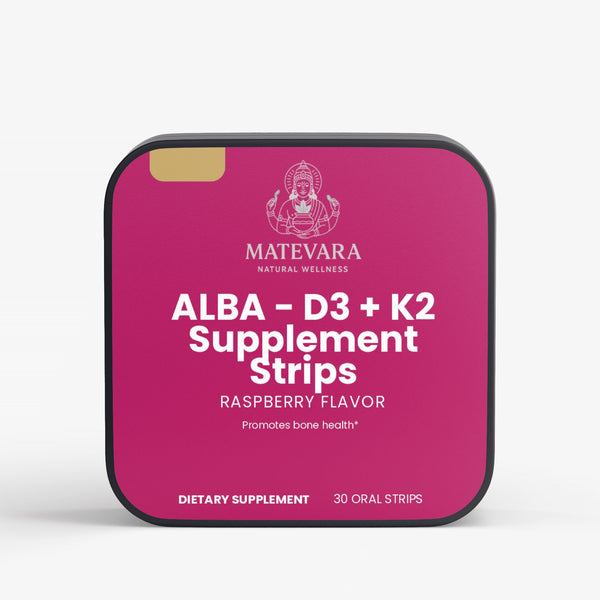
- Vitamin D3 and K2: This is the ultimate power couple for your skeleton. Think of D3 as the key that unlocks calcium absorption from your gut. But you need K2 to act as the traffic cop, directing that calcium straight to your bones and teeth, preventing it from depositing in soft tissues like your arteries. To dive deeper, check out our guide on the benefits of calcium tablets with Vitamin D3 and K2.
- Magnesium: So many people are running low on this crucial mineral, yet it's absolutely vital. Your body needs magnesium to convert Vitamin D into its active form. Without enough magnesium, your D supplement can't do its job properly. Opt for highly bioavailable forms like magnesium glycinate or citrate for better absorption.
- Calcium: If your diet is consistently falling short, a supplement might be necessary. Look for calcium citrate, which is well-absorbed and has the added benefit of being easy on the stomach—you can even take it without food.
The Power of Prunes
Beyond traditional pills and capsules, some whole foods offer such targeted benefits they act like supplements themselves. A fantastic example is prunes, or dried plums.
Believe it or not, research shows that incorporating just five to six prunes into your daily routine may significantly support bone density, particularly for postmenopausal women. Prunes pack a powerful combination of vitamin K, potassium, and unique antioxidants that work together to encourage bone formation. To learn more about this simple, food-first approach, you can read the full research on surprising foods that boost bone health.
Always consult with your healthcare professional before adding any new supplement to your routine. They can help you determine the right choices and dosages based on your individual health needs and bloodwork.
These statements have not been evaluated by the Food and Drug Administration. This product is not intended to diagnose, treat, cure, or prevent any disease.
Your Bone Health Questions Answered
Putting all this knowledge into action naturally brings up some very practical questions. Let's tackle a few of the most common ones I hear from people just starting their journey to stronger bones.
How Long Does It Take to Improve Bone Density Naturally?
Improving bone density is a long-term project. It’s a marathon, not a sprint. While you won't feel a difference overnight, rest assured that your skeleton is responding to your efforts from day one.
Research shows that a dedicated exercise program can increase bone mineral density by 1% to 3% per year. Think of it as a slow-but-steady investment in your body's scaffolding. The real magic happens with consistency—sticking with your nutrition, movement, and lifestyle habits day in and day out.
Can I Get Enough Calcium on a Vegan Diet?
Absolutely. It's a common misconception that you need dairy for strong bones. A well-planned vegan diet can easily provide all the calcium you need, you just have to know where to look.
The key is to focus on a variety of fortified and naturally rich plant-based sources. Here are some of the best:
- Fortified Plant Milks: Many almond, soy, and oat milks are now enriched with both calcium and vitamin D.
- Tofu & Tempeh: Look for tofu prepared with calcium sulfate. It’s a fantastic source.
- Leafy Greens: Collard greens, kale, and broccoli are not only calcium-rich but also packed with other bone-healthy nutrients.
- Beans & Seeds: White beans, chickpeas, and especially tahini (sesame seed paste) are excellent contributors to your daily total.
By diversifying your plant-based intake, you can confidently meet your daily calcium requirements without ever touching dairy.
Are High-Impact Exercises Safe for Everyone?
For most healthy people, high-impact movements like jumping, jogging, or hopping are fantastic for stimulating new bone growth. That impact is exactly the signal your bones need to get stronger. However, they aren't the right choice for everyone.
If you already have a diagnosis of osteoporosis, have a very high risk of fracture, or struggle with specific joint problems, high-impact exercises could do more harm than good. This is a situation where you absolutely must consult a healthcare provider or a physical therapist first.
They can help you create a safer and equally effective plan that might include brisk walking, targeted resistance training, or specific balance exercises that strengthen bone without the risk of a fall or injury.
At Matevara, we believe in empowering you with knowledge from both ancient traditions and modern science. By understanding and applying these principles, you can take meaningful steps toward building a stronger, more resilient foundation for life. Explore our full range of products rooted in this philosophy at Matevara.com.