
Iron is often associated with energy, but that description only tells part of the story.
Iron is an essential mineral involved in hemoglobin formation, oxygen transport, and numerous cellular processes. Folate, also known as vitamin B9, has a different but complementary nutritional role: it is required for DNA synthesis and normal cell division, including processes involved in red blood cell formation.
That creates an important relationship:
Iron helps the body transport oxygen. Folate helps support the formation of new cells, including red blood cells.
But iron supplementation also requires more care than many everyday supplements. Not everyone needs supplemental iron, iron deficiency should ideally be identified appropriately, and excessive iron can be harmful.
If you're researching iron and folate, you may be wondering:
● Does iron actually give you energy?
● Does vitamin C really help iron absorption?
● Is more iron always better?
● What's the difference between folate and folic acid?
● How much iron do adults actually need?
● What's the best way to take iron — and are strips different from tablets?
This guide answers those questions using a balanced, evidence-informed approach.
Here is what the evidence tells us.
What Is Iron and Why Does the Body Need It?
Iron is an essential mineral, meaning the human body needs it but cannot manufacture it from nothing.
One of iron's best-known jobs involves hemoglobin, the iron-containing protein inside red blood cells responsible for carrying oxygen from the lungs to tissues throughout the body.
That connection explains why iron and energy are so closely associated.
Iron doesn't function like caffeine or another stimulant.
Instead, adequate iron supports a much more fundamental biological process: the body's ability to transport and utilize oxygen.
Iron is also involved in cellular metabolism and numerous enzymes.
Iron's major nutritional roles include:
Red blood cell production — Iron is required to make hemoglobin.
Oxygen transport — Hemoglobin binds oxygen in the lungs and helps transport it throughout the body.
Cellular energy metabolism — Iron participates in enzymes involved in normal energy production.
Normal physiological function — Iron-containing proteins participate in numerous biological pathways.
This is why inadequate iron status can have consequences extending beyond simply “feeling tired.”

How Does Iron Help Transport Oxygen?
To understand iron, it helps to understand red blood cells.
Red blood cells contain hemoglobin. At the center of hemoglobin's oxygen-binding machinery is iron.
When blood passes through the lungs, oxygen binds to hemoglobin. Red blood cells then circulate through the body and deliver that oxygen to tissues.
This means iron isn't “giving you energy” in the same sense as caffeine.
It is supporting the biological infrastructure required for normal oxygen transport and energy metabolism.
Does Iron Give You Energy?
Iron supports normal energy metabolism, but an iron supplement is not an energy stimulant.
If someone has inadequate iron status, fatigue can be one of several possible symptoms. Correcting an actual deficiency under appropriate medical guidance is fundamentally different from taking additional iron simply because someone wants more energy.
Fatigue has many possible causes.
Therefore:
Feeling tired does not automatically mean you need iron.
What Is Folate?
Folate is vitamin B9, a water-soluble B vitamin naturally present in foods.
The body needs folate for fundamental cellular processes, including DNA synthesis and cell division.
Because red blood cells must continually be produced and replaced, folate is particularly relevant to normal blood formation.
Iron and folate therefore reach the same biological system from different directions:
| Nutrient | Primary Role |
|---|---|
| Iron | Hemoglobin formation and oxygen transport |
| Folate (Vitamin B9) | DNA synthesis, cell division and normal blood-cell formation |
They are complementary nutrients, but they are not interchangeable.
Folate vs Folic Acid: Are They the Same Thing?
This is a common source of confusion.
Folate is the general term used for vitamin B9 compounds.
Naturally occurring forms of vitamin B9 in food are generally referred to as food folate.
Folic acid is a synthetic form commonly used in fortified foods and dietary supplements.
Other supplemental forms of folate also exist.
Because these forms can differ in metabolism and bioavailability, consumers should check a supplement's actual Supplement Facts panel rather than assuming every product labeled “B9” contains exactly the same form.
Why Are Iron and Folate Often Discussed Together?
Iron and folate both contribute to processes required for healthy blood-cell production, but they perform different jobs.
Think of it this way:
Folate helps provide the cellular machinery needed to produce new cells.
Iron helps provide a critical component of hemoglobin inside red blood cells.
That makes the combination nutritionally logical without requiring claims that the two ingredients have a special pharmaceutical synergy.

What Happens When the Body Doesn't Have Enough Iron?
Iron deficiency develops when iron availability becomes insufficient to meet the body's needs.
Iron stores can decline before anemia develops.
If iron availability eventually becomes inadequate for normal hemoglobin production, iron-deficiency anemia can occur.
Potential contributors to iron deficiency include inadequate dietary intake, increased physiological requirements, impaired absorption and blood loss.
Certain life stages and circumstances can increase iron requirements.
However, symptoms alone cannot reliably diagnose iron deficiency.
Blood testing is generally used to evaluate iron status when deficiency is suspected.
What Is Ferritin?
Ferritin is a protein that stores iron.
A serum ferritin blood test is commonly used when evaluating the body's iron stores, although interpretation can become more complicated in the presence of inflammation and certain medical conditions.
Hemoglobin and ferritin therefore answer different questions.
Hemoglobin: How much oxygen-carrying hemoglobin is circulating?
Ferritin: What do the body's stored iron reserves look like?
This explains how someone can have declining iron stores before developing overt anemia.
What Foods Naturally Contain Iron?
Dietary iron occurs in two broad forms.
Heme iron
Heme iron occurs primarily in animal-derived foods such as meat and seafood.
It is generally absorbed more efficiently than nonheme iron.
Nonheme iron
Nonheme iron occurs in plant foods, fortified foods and many supplements.
Sources can include:
- legumes
- lentils
- beans
- spinach and other leafy greens
- fortified cereals
- nuts and seeds
Absorption of nonheme iron is influenced by the rest of the meal.
And that brings us to one of the most searched questions about iron.
Does Vitamin C Help Iron Absorption?
Yes—but the complete answer is more nuanced than supplement marketing often suggests.
Vitamin C can enhance the absorption of nonheme iron, which is particularly relevant to iron derived from plant foods. The NIH Office of Dietary Supplements recognizes this relationship.
However, this does not necessarily mean everyone taking an oral iron supplement needs a separate high-dose vitamin C supplement.
A randomized clinical trial involving 440 adults with iron-deficiency anemia found iron alone was equivalent to iron plus vitamin C for hemoglobin recovery [1].
A later systematic review and meta-analysis similarly found only a small increase in hemoglobin from adding vitamin C and concluded that the evidence did not support routine vitamin C supplementation with oral iron therapy for iron-deficiency anemia [2].
So both statements can be true:
Vitamin C can enhance nonheme iron absorption.
But:
A separate vitamin C supplement is not necessarily required every time someone takes supplemental iron.
What Can Reduce Iron Absorption?
Iron absorption is affected by more than the number printed on a Supplement Facts panel.
Coffee and tea can reduce nonheme iron absorption when consumed around the same time because of compounds such as polyphenols.
Calcium and certain food components can also influence absorption.
A controlled study in iron-depleted women demonstrated that dietary factors and timing can meaningfully influence iron absorption from oral supplements.
This does not mean everyone needs a complicated iron ritual.
It means dose, formulation, diet, timing and individual physiology all influence iron nutrition.

How Much Iron Do Adults Need?
Iron requirements differ considerably by age, sex and life stage.
This is one reason iron supplementation should not be approached like a generic wellness ingredient.
People who menstruate may have higher iron requirements because of blood loss. Pregnancy substantially changes iron requirements. Dietary patterns and health conditions can also affect iron status.
Someone consuming sufficient iron and maintaining healthy iron stores has a very different nutritional situation from someone with laboratory-confirmed deficiency.
The correct question therefore isn't:
“How much iron should everyone take?”
It is:
“How much iron does this person need based on diet, life stage and iron status?”
Is 19 mg of Iron a Meaningful Amount?
Yes.
Unlike the collagen example discussed in our previous guide, where milligram quantities are far below doses frequently studied in grams, 19 mg of elemental iron is nutritionally significant.
That makes label reading especially important.
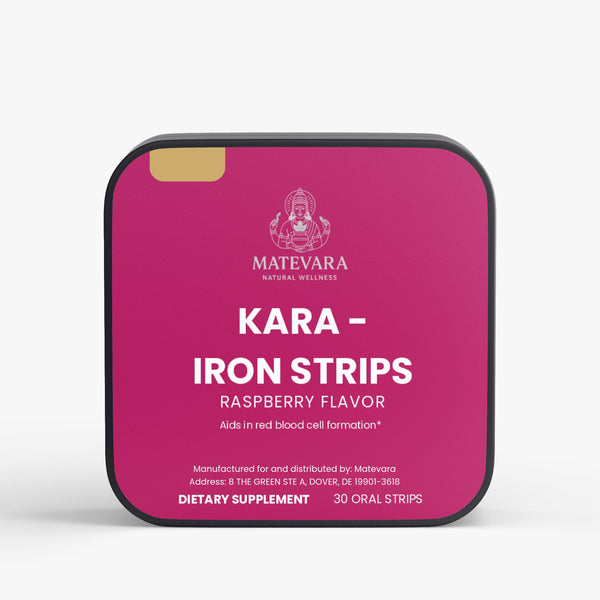
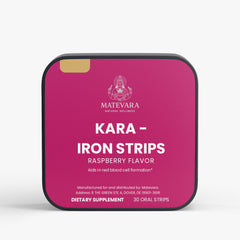
The featured oral-strip formulation provides 19 mg of iron as ferric saccharate per strip, together with 400 mcg folate.
Consumers should not stack multiple iron-containing supplements without considering their total intake and healthcare guidance.
What Is Ferric Saccharate?
Ferric saccharate is an iron-containing compound used to provide supplemental iron.
Different iron formulations contain iron in different chemical forms and can vary in elemental iron content, tolerability, solubility and other characteristics.
It is therefore useful to distinguish between:
the name of an iron compound
and
the amount of elemental iron provided per serving.
The Supplement Facts amount is the number consumers should use when comparing iron intake across products.
Professional guidance also does not support assuming that one oral iron formulation is universally superior to all others. An American Gastroenterological Association clinical update notes that no single oral iron formulation has demonstrated an overall advantage for treatment purposes.
Is More Iron Better?
No.
This is particularly important.
Iron is essential—but excessive iron can be harmful.
Unlike nutrients people casually consume in large quantities, supplemental iron deserves deliberate use.
Do not assume that doubling an iron serving will produce twice the benefit.
People with adequate iron stores generally should not use high-dose iron simply in pursuit of additional energy.
Anyone who suspects iron deficiency or anemia should consider discussing appropriate testing and treatment with a healthcare professional.
Iron Supplements and Children: An Important Safety Warning
Iron-containing supplements require particularly careful storage.
Accidental overdose of iron-containing products can be extremely dangerous for young children.
Iron supplements should always be stored securely and kept out of children's reach.
The KARA label carries the specific warning that accidental overdose of iron-containing products is a leading cause of fatal poisoning in children under six and directs users to contact a doctor or poison control center immediately in the event of accidental overdose.
This is not merely standard label language—it is an important safety practice for every iron-containing supplement.
Iron Strips vs Tablets, Capsules, Gummies and Liquids
Iron supplementation is available in numerous delivery formats.
The best format depends partly on why someone is taking iron and what their healthcare professional recommends.
Tablets and capsules
These are widely available and can accommodate clinically relevant iron doses.
Some people, however, dislike swallowing pills.
Liquid iron
Liquids can make dosage adjustment easier in some circumstances but require measuring and can be less convenient for travel.
Gummies
Gummies can be easier to consume but may include additional ingredients and still require careful storage because they can appear candy-like.
Oral dissolving strips
Oral strips prioritize portability and ease of administration.
They can be placed on the tongue and allowed to dissolve without requiring a glass of water.
That convenience should not be confused with a blanket claim of superior absorption.
Without formulation-specific pharmacokinetic research, the responsible benefit is:
convenient delivery—not automatically better bioavailability.

What's Inside the Featured Iron + Folate Strip?
Each oral strip contains:
| Active ingredient | Amount |
|---|---|
| Iron (as Ferric Saccharate) | 19 mg |
| Folate (Vitamin B9) | 400 mcg |
The raspberry-flavored formulation also contains pullulan, cellulose, lecithin, monk fruit extract, citric acid, medium-chain triglycerides, xanthan gum and steviol glycosides.
Suggested use is one oral strip daily, with a maximum of one strip per day unless otherwise directed by a healthcare professional.
Who Should Consider Their Iron Intake?
Iron deserves particular attention among people whose diets, physiology or life stage can make meeting iron requirements more challenging.
That can include people who menstruate, pregnant individuals, some vegetarians and vegans, frequent blood donors, and people with certain gastrointestinal or medical conditions.
But belonging to one of these groups does not automatically mean supplementation is necessary.
Dietary intake, symptoms, medical history and laboratory testing provide a more complete picture.
The Bottom Line
Iron and folate are fundamental nutrients.
Iron contributes to hemoglobin formation, oxygen transport and normal energy metabolism.
Folate contributes to DNA synthesis, cell division and normal blood-cell formation.
They perform different but complementary biological roles.
For someone who needs supplemental iron, consistency and an appropriate dose matter more than dramatic marketing promises.
And because iron is biologically powerful, responsible supplementation also means recognizing the other side of the equation:
more isn't always better.
Know what you're taking.
Know the dose.
Understand why you're taking it.
And if you suspect iron deficiency or anemia, testing and professional guidance are more informative than trying to diagnose yourself from fatigue alone.
👉 Explore the complete ingredient profile and Supplement Facts on the product
*These statements have not been evaluated by the Food and Drug Administration. Dietary supplements are not intended to diagnose, treat, cure, or prevent any disease.
Research & References
[1]Vitamin C and Iron Absorption
Vitamin C — Health Professional Fact Sheet
The NIH Office of Dietary Supplements explains vitamin C's physiological functions and its ability to improve absorption of nonheme iron.
Research Link: NIH Office of Dietary Supplements — Vitamin C
Iron + Vitamin C vs Iron Alone
The Efficacy and Safety of Vitamin C for Iron Supplementation in Adult Patients With Iron Deficiency Anemia: A Randomized Clinical Trial
This randomized trial included 440 adults and found oral iron alone was equivalent to iron plus vitamin C for hemoglobin recovery, challenging the assumption that supplemental vitamin C must routinely accompany oral iron.
Research Link: PubMed — PMID 33136134
[2]Vitamin C With Iron — Systematic Review & Meta-Analysis
Efficacy of Vitamin C With Fe Supplementation in Patients With Iron Deficiency Anemia: A Systematic Review and Meta-Analysis
The analysis included 1,930 participants across randomized trials and a prospective cohort. Although adding vitamin C produced a statistically detectable increase in hemoglobin and ferritin, the authors concluded the hemoglobin difference was small and likely clinically insignificant.
Research Link: PubMed — Vitamin C + Iron Meta-Analysis
[3]Diet, Timing and Iron Absorption
Effect of Dietary Factors and Time of Day on Iron Absorption From Oral Iron Supplements in Iron-Deficient Women
This controlled research examined how vitamin C, coffee, breakfast and time of day influence iron absorption, illustrating why iron bioavailability depends on more than the stated supplement dose.
Research Link: PubMed — PMID 37357807
[4]Clinical Guidance on Oral Iron
AGA Clinical Practice Update on Management of Iron Deficiency Anemia: Expert Review
This American Gastroenterological Association expert review provides contemporary clinical guidance regarding oral iron formulations and dosing strategies for iron-deficiency anemia.
Research Link: PubMed — PMID 38864796
Frequently Asked Questions
What does iron do in the body?
Iron is an essential mineral required for hemoglobin formation and normal oxygen transport. It also participates in enzymes involved in cellular metabolism. Because hemoglobin carries oxygen through the bloodstream, maintaining adequate iron status is important for normal physiological function.
Does iron help with tiredness and fatigue?
Iron deficiency can be associated with fatigue, but fatigue alone does not establish an iron deficiency. Sleep, stress, nutrition, medications and numerous medical conditions can also cause tiredness. Iron supplements should therefore not be treated like general-purpose energy boosters.
What does folate do in the body?
Folate, or vitamin B9, is required for DNA synthesis and normal cell division. These functions make it particularly important during periods of rapid growth and for tissues that continually produce new cells, including blood-forming tissues.
Why are iron and folate taken together?
Both nutrients contribute to normal blood formation but perform different functions. Iron is necessary for hemoglobin and oxygen transport, while folate supports DNA synthesis and cell division. Combining them provides two complementary nutrients rather than two versions of the same nutrient.
Does vitamin C help the body absorb iron?
However, randomized research suggests that routinely adding a separate vitamin C supplement to oral iron treatment does not necessarily produce a clinically meaningful additional benefit.
Should iron be taken with or without food?
Food can influence iron absorption, and coffee, tea and some other dietary components can decrease absorption. However, individual tolerance also matters. People taking iron for a diagnosed deficiency should follow the directions of their healthcare professional rather than changing treatment solely to maximize theoretical absorption.
What is the difference between folate and folic acid?
Folate is the broader term for vitamin B9 compounds. Naturally occurring vitamin B9 in foods is commonly called folate, while folic acid is a synthetic form widely used in fortified foods and supplements. Supplemental products can also use other forms of vitamin B9.
Can you take too much iron?
Yes. Excess iron can be harmful, and accidental iron overdose is particularly dangerous for young children. Iron-containing supplements should be kept securely out of children's reach. Adults should also avoid combining multiple iron supplements unless their total intake has been considered appropriately.