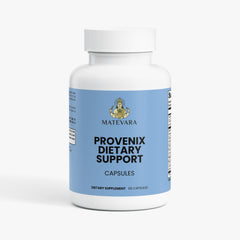

If you've ever found yourself standing in front of the refrigerator at midnight, desperately seeking something sweet, or experienced that 3 PM energy crash that sends you running for candy, you're far from alone. Sugar cravings affect millions of people, sabotaging weight loss efforts, disrupting energy levels, and contributing to a host of metabolic health issues. While willpower plays a role, the reality is that sugar cravings often have biological roots that go deeper than simple lack of discipline.
Enter berberine—a natural compound that's generating significant attention in the health and wellness community for its remarkable effects on blood sugar regulation, insulin sensitivity, and yes, sugar cravings. But does it really work, and could it be the solution you've been searching for?
Understanding Sugar Cravings: More Than Just Weakness
Before diving into how berberine helps, it's essential to understand why sugar cravings occur in the first place. These intense urges for sweets aren't character flaws—they're complex physiological responses influenced by blood sugar levels, hormones, brain chemistry, and even gut bacteria.
The Blood Sugar Roller Coaster
When you eat sugar or refined carbohydrates, your blood glucose rises rapidly. Your pancreas responds by releasing insulin to shuttle that glucose into cells for energy or storage. However, this spike is often followed by a sharp crash as insulin does its job too efficiently, leaving you with low blood sugar.
Low blood sugar triggers hunger signals and intense cravings for quick energy—namely, more sugar. This creates a vicious cycle: sugar consumption leads to crashes, which lead to more cravings, which lead to more sugar consumption. Over time, this pattern can contribute to insulin resistance, weight gain, and metabolic dysfunction.
Insulin Resistance and Hunger Signals
As cells become resistant to insulin's signals, your body produces more and more insulin to achieve the same effect. High insulin levels promote fat storage and prevent fat burning, making weight loss difficult. Additionally, insulin resistance disrupts leptin signaling—the hormone that tells your brain you're full—meaning you feel hungry even when you've eaten enough.
Brain Chemistry and Reward Pathways
Sugar activates the brain's reward centers, releasing dopamine and creating feelings of pleasure. This neurological response is similar to addictive substances, which is why sugar can feel genuinely addictive for many people. The more sugar you consume, the more your brain craves that dopamine hit.
Stress, Sleep, and Hormonal Factors
Chronic stress elevates cortisol, which increases blood sugar and promotes cravings for comfort foods—typically high in sugar and fat. Poor sleep disrupts hunger hormones ghrelin and leptin, increasing appetite and cravings. Hormonal fluctuations during menstrual cycles can also intensify sugar cravings for women.
Understanding these mechanisms reveals that sugar cravings aren't about weakness—they're about biochemistry. Addressing them effectively requires targeting these underlying biological processes.
What Is Berberine?
Berberine is a bioactive compound extracted from several plants, including goldenseal, barberry, Oregon grape, and tree turmeric. It has a long history in traditional Chinese and Ayurvedic medicine, where it was used to treat various ailments including digestive issues and infections.
The compound has a distinctive yellow color and bitter taste. While used traditionally for centuries, modern scientific research has revealed berberine's impressive effects on metabolic health, particularly its ability to influence blood sugar regulation, insulin sensitivity, and lipid metabolism.
What makes berberine particularly interesting is that it works through multiple mechanisms simultaneously, affecting cellular function at the molecular level. This multi-targeted approach gives it broad-reaching effects on metabolism and overall health.
How Berberine Affects Blood Sugar and Metabolism
The connection between berberine and reduced sugar cravings lies primarily in its powerful effects on glucose metabolism and insulin function. Here's how it works:
Activation of AMPK
Berberine activates an enzyme called AMP-activated protein kinase (AMPK), often referred to as the body's "metabolic master switch." AMPK activation has several important effects:
It increases glucose uptake into cells, improving insulin sensitivity. It enhances fat burning for energy. It reduces glucose production in the liver. It improves mitochondrial function, boosting overall energy metabolism.
By activating AMPK, berberine essentially helps your cells use glucose more efficiently, preventing the blood sugar spikes and crashes that drive cravings.
Improved Insulin Sensitivity
Multiple studies have demonstrated that berberine significantly improves insulin sensitivity—the ability of cells to respond appropriately to insulin signals. When cells become more sensitive to insulin, several beneficial changes occur:
Less insulin is required to manage blood sugar, reducing the fat-storage signals that high insulin creates. Blood sugar levels stabilize, eliminating the dramatic highs and lows that trigger cravings. Cells can access stored energy more easily, reducing false hunger signals.
Research has shown that berberine can be as effective as the diabetes medication metformin in improving insulin sensitivity and reducing blood glucose levels.
Reduced Glucose Production
Your liver produces glucose through a process called gluconeogenesis, particularly between meals and during fasting. In people with insulin resistance or metabolic dysfunction, the liver often overproduces glucose, contributing to elevated blood sugar levels.
Berberine has been shown to reduce hepatic glucose production, helping to lower fasting blood sugar and reduce overall glucose burden. This contributes to more stable energy levels and fewer cravings throughout the day.
Influence on Gut Microbiome
Emerging research suggests that berberine affects the composition of gut bacteria, promoting beneficial species while reducing harmful ones. The gut microbiome plays a surprising role in metabolism, inflammation, and even cravings.
Some gut bacteria influence how we extract calories from food, produce hormones that affect appetite, and create compounds that influence brain chemistry. By improving gut health, berberine may indirectly reduce cravings through these mechanisms.
Enhanced Fat Metabolism
Berberine appears to increase the body's ability to burn fat for energy while reducing fat storage. This metabolic shift away from relying primarily on glucose can help stabilize energy levels and reduce the desperate need for quick sugar hits that characterize cravings.
The Science: What Research Says About Berberine
While berberine has been used traditionally for centuries, modern clinical research has provided substantial evidence for its metabolic effects:
A meta-analysis published in Evidence-Based Complementary and Alternative Medicine reviewed 14 studies and found that berberine significantly reduced fasting blood glucose, post-meal blood glucose, and hemoglobin A1c—a marker of long-term blood sugar control.
Research published in Metabolism demonstrated that berberine improved insulin sensitivity and reduced insulin resistance in people with metabolic syndrome.
A study in The Journal of Clinical Endocrinology and Metabolism found that berberine supplementation led to significant reductions in body weight, body mass index, and waist circumference alongside improvements in blood sugar control.
Multiple studies have compared berberine directly to metformin, a commonly prescribed diabetes medication, finding comparable effects on blood sugar regulation with berberine showing additional benefits for cholesterol levels.
While most research has focused on people with diabetes or metabolic syndrome, the mechanisms through which berberine works—stabilizing blood sugar, improving insulin sensitivity, and enhancing metabolic function—directly address the root causes of sugar cravings in anyone experiencing them.
How Berberine Helps Stop Sugar Cravings
Given berberine's effects on metabolism, how exactly does this translate to reduced sugar cravings?
Stabilized Blood Sugar Levels
By improving how your body handles glucose, berberine helps eliminate the blood sugar roller coaster. When your blood sugar remains stable throughout the day, you don't experience the dramatic drops that trigger intense cravings for quick energy. This stability is perhaps the most direct route through which berberine reduces sugar cravings.
Reduced Insulin Spikes
Lower, more stable insulin levels mean less fat storage and better access to stored energy. When your body can efficiently tap into its own fat stores for fuel, you don't experience the same desperation for external sugar sources. Additionally, normalized insulin levels help restore proper leptin signaling, so your brain receives accurate information about your body's energy status.
Improved Energy Production
By enhancing mitochondrial function and improving how cells use glucose and fat for energy, berberine helps ensure steady energy production. When your cells are efficiently making energy, you don't experience the energy crashes that drive cravings for quick fixes.
Breaking the Reward Cycle
While berberine doesn't directly affect dopamine pathways like some medications, stabilizing blood sugar and improving overall metabolic health can help break the physiological dependence on sugar for energy and mood regulation. As your body becomes better at managing its own energy, the intense drive for sugar's quick rewards diminishes.
Supporting Overall Metabolic Health
Berberine's broad effects on metabolism—including improvements in cholesterol levels, reduction in inflammation, and beneficial effects on liver function—contribute to overall health improvements that make maintaining balanced blood sugar easier. Better health creates a positive feedback loop where cravings become less intense and easier to manage.
Using Berberine for Sugar Cravings: Practical Guidance
If you're interested in trying berberine to help manage sugar cravings, here's what you need to know:
Dosage
Research typically uses doses of 900-1,500 mg daily, divided into two or three doses taken with meals. Starting with a lower dose and gradually increasing can help minimize potential digestive side effects as your body adjusts.
The Nexus Berberine from Matevara provides a high-quality, properly dosed berberine supplement specifically formulated for optimal absorption and effectiveness.
Timing
Because berberine works partly by affecting how your body handles glucose from food, it's most effective when taken with meals. Splitting your daily dose across multiple meals provides more consistent blood sugar management throughout the day.
Consistency
Berberine's effects build over time. While some people notice reduced cravings within days, optimal benefits typically emerge after several weeks of consistent use. Research studies typically run 8-12 weeks, suggesting this timeframe for evaluating effectiveness.
Quality Matters
Not all berberine supplements are created equal. Absorption can be a challenge with berberine, so choosing high-quality products from reputable manufacturers is essential. Look for products that specify purity, provide third-party testing, and use forms designed for better bioavailability.
Combining Berberine with Lifestyle Strategies
While berberine can be remarkably effective, it works best as part of a comprehensive approach to managing sugar cravings:
Dietary Strategies
Eat protein with every meal to slow glucose absorption and increase satiety. Include healthy fats to stabilize blood sugar and reduce cravings. Choose fiber-rich foods that slow sugar absorption and feed beneficial gut bacteria. Avoid refined carbohydrates and added sugars that trigger the blood sugar roller coaster.
Lifestyle Factors
Prioritize sleep, as poor sleep dramatically increases cravings and disrupts hunger hormones. Manage stress through meditation, exercise, or other effective techniques, as chronic stress drives sugar cravings. Stay well-hydrated, as thirst is sometimes mistaken for hunger or cravings. Exercise regularly to improve insulin sensitivity and support healthy metabolism.
Mindful Awareness
Pay attention to what triggers your cravings—emotions, situations, times of day—and develop strategies for managing those triggers. Sometimes cravings aren't about physical need but emotional patterns that require different solutions.
Potential Side Effects and Considerations
Berberine is generally well-tolerated, but some considerations exist:
Digestive Effects
The most common side effects involve the digestive system—cramping, diarrhea, gas, or constipation. These effects are typically mild and often resolve as your body adjusts. Starting with lower doses and gradually increasing can minimize digestive discomfort.
Drug Interactions
Berberine can interact with certain medications, particularly those metabolized by specific liver enzymes. It may enhance the effects of diabetes medications, potentially causing blood sugar to drop too low. It can also interact with blood pressure medications, blood thinners, and certain antibiotics.
Anyone taking prescription medications should consult their healthcare provider before starting berberine supplementation.
Not Suitable for Everyone
Berberine is not recommended during pregnancy or breastfeeding. People with liver disease should use caution and medical supervision. Anyone with diabetes should work with their healthcare provider when adding berberine, as medication adjustments may be necessary.
Quality and Purity
Because supplements aren't regulated as strictly as medications, choosing high-quality products is essential. Poor-quality supplements may contain contaminants, insufficient active ingredients, or inconsistent dosing.
Beyond Sugar Cravings: Additional Benefits
While we've focused on sugar cravings, berberine offers numerous other potential benefits:
It may support cardiovascular health by improving cholesterol profiles, reducing triglycerides, and supporting healthy blood pressure. Research suggests anti-inflammatory effects that may benefit various chronic conditions. Some studies indicate antimicrobial properties effective against certain bacteria, viruses, and fungi. Evidence suggests potential benefits for fatty liver disease, a condition closely linked to metabolic dysfunction. Emerging research explores possible benefits for polycystic ovary syndrome (PCOS), a condition characterized by insulin resistance.
These broader benefits make berberine an attractive option for people looking to support overall metabolic health, not just manage cravings.
Real-World Experiences
While scientific research provides important evidence, many people report real-world success with berberine for managing sugar cravings. Common experiences include:
Reduced intensity of cravings, particularly the desperate, overwhelming urges for sweets. More stable energy throughout the day without crashes that trigger seeking quick sugar fixes. Easier maintenance of dietary changes, as reduced cravings make healthy eating less of a constant struggle. Improved satiety after meals, reducing between-meal snacking on sweets. Better mood stability, as blood sugar fluctuations contribute to mood swings and irritability.
Individual responses vary, and berberine isn't a magic solution that eliminates all cravings immediately. However, many people find it provides significant support in breaking free from sugar's grip.
The Bottom Line
Sugar cravings are complex physiological phenomena driven by blood sugar dysregulation, insulin resistance, brain chemistry, and various hormonal and lifestyle factors. While willpower matters, addressing the underlying biological drivers of cravings is far more effective than simply trying to resist.
Berberine offers a scientifically-supported approach to targeting these root causes. By improving insulin sensitivity, stabilizing blood sugar levels, enhancing cellular energy production, and supporting overall metabolic health, berberine addresses the mechanisms that drive cravings in the first place.
For people struggling with persistent sugar cravings, weight management challenges, or metabolic health concerns, berberine represents a powerful natural tool worthy of consideration. Combined with dietary improvements, lifestyle modifications, and attention to sleep and stress, it can be the catalyst that helps break the cycle of cravings and creates lasting change.
If you're ready to take control of your sugar cravings and support your metabolic health, consider trying Nexus Berberine from Matevara—a high-quality berberine supplement formulated for optimal results.
Remember, sustainable change takes time. Give berberine several weeks of consistent use alongside healthy lifestyle practices, and you may find those once-overwhelming sugar cravings finally becoming manageable.
Medical Disclaimer: This article is for informational and educational purposes only and is not intended as medical advice, diagnosis, or treatment. The information provided about berberine and its effects on sugar cravings, blood sugar, and metabolic health is not meant to diagnose, treat, cure, or prevent any disease or medical condition. Berberine can significantly affect blood sugar levels and may interact with various medications. Individual responses to berberine vary, and what works for one person may not work for another. Always consult with a qualified healthcare professional before starting any new supplement, especially if you have diabetes, prediabetes, metabolic syndrome, or other health conditions, or if you are taking any prescription or over-the-counter medications. Never discontinue prescribed medications or modify dosages without consulting your healthcare provider. If you experience unusual symptoms or side effects while taking berberine, discontinue use and seek medical attention.
FDA Disclaimer: These statements have not been evaluated by the Food and Drug Administration. Berberine and related products are not intended to diagnose, treat, cure, or prevent any disease. Berberine is classified as a dietary supplement and is not regulated in the same manner as pharmaceutical drugs.
DSHEA Notice: Under the Dietary Supplement Health and Education Act (DSHEA) of 1994, berberine is classified as a dietary supplement when marketed as such. The manufacturer or distributor is responsible for ensuring safety before marketing, and any health claims must be substantiated and not misleading. Dietary supplements are not intended to replace a balanced diet, healthy lifestyle, or medical treatment.
Drug Interaction Warning: Berberine can interact with numerous medications, including but not limited to diabetes medications, blood pressure medications, blood thinners, antibiotics, and medications metabolized by certain liver enzymes (particularly CYP3A4, CYP2D6, and CYP2C9). These interactions can enhance or reduce medication effectiveness or increase side effect risks. Complete disclosure of all medications and supplements to your healthcare provider is essential before starting berberine.
Pregnancy and Breastfeeding Warning: Berberine is not recommended during pregnancy due to potential risks to fetal development. It is also not recommended during breastfeeding. Women who are pregnant, planning to become pregnant, or breastfeeding should not use berberine without explicit approval from their healthcare provider.
FTC Disclosure: This article contains affiliate links to products. We may receive compensation if you make a purchase through these links. However, this does not influence our content, and we only recommend products we believe may be of value to our readers. The information provided is based on available research and should not be interpreted as an endorsement or guarantee of results.
Quality and Sourcing: The quality, purity, and potency of berberine supplements can vary significantly between manufacturers and sources. This article does not endorse any specific brand except where explicitly stated. Consumers should research suppliers carefully, look for third-party testing certifications, and choose products from reputable manufacturers who provide transparency about sourcing, purity, and manufacturing processes.
Individual Results Disclaimer: Results from using berberine vary widely between individuals based on numerous factors including current metabolic health, diet, lifestyle, genetics, concurrent medications and supplements, and consistency of use. Testimonials, user experiences, or examples provided do not constitute guarantees of similar results. Some people may experience significant benefits while others notice minimal effects.
Not a Substitute for Professional Care: Berberine should not replace professional medical diagnosis, treatment, or monitoring. Metabolic conditions, diabetes, and persistent health issues require comprehensive medical evaluation and treatment. Berberine may be used as a complementary approach alongside, not instead of, appropriate medical care.
Frequently Asked Questions
How long does it take for berberine to reduce sugar cravings?
The timeline varies between individuals. Some people notice reduced cravings within a few days as blood sugar begins stabilizing, while others require 2-4 weeks of consistent use to experience significant benefits. Research studies typically run 8-12 weeks, suggesting this timeframe for optimal effects. Berberine's benefits build gradually as it improves insulin sensitivity and metabolic function over time. Consistency is key—taking berberine regularly with meals provides the best results. If you don't notice improvements after 4-6 weeks, consider whether other factors like poor sleep, high stress, or dietary choices might be undermining the benefits.
Can I take berberine if I don't have diabetes?
Yes, berberine can benefit people without diabetes who struggle with sugar cravings, blood sugar fluctuations, or metabolic concerns. You don't need a diabetes diagnosis to experience benefits from improved insulin sensitivity and blood sugar regulation. Many people with prediabetes, metabolic syndrome, or simply stubborn sugar cravings find berberine helpful. However, if you're taking it alongside diabetes medications or have blood sugar that tends toward low levels, medical supervision is important to prevent hypoglycemia. For otherwise healthy people looking to manage cravings and support metabolic health, berberine is generally safe when used at recommended doses.
Will berberine help me lose weight?
Berberine may support weight loss efforts, though it's not primarily a weight loss supplement. Several studies have shown modest weight loss in people taking berberine, typically 3-5 pounds over 8-12 weeks. Weight loss likely occurs through multiple mechanisms: improved insulin sensitivity reduces fat storage signals, stabilized blood sugar reduces cravings and unnecessary eating, enhanced fat metabolism helps the body burn stored fat more efficiently, and reduced inflammation supports overall metabolic health. However, berberine works best when combined with dietary improvements and lifestyle changes. It's a tool that makes weight loss easier by addressing metabolic dysfunction, not a standalone solution.
Are there any foods or supplements I should avoid while taking berberine?
Berberine can interact with various substances. Avoid taking it with grapefruit or grapefruit juice, as this can increase berberine levels in the blood unpredictably. Be cautious combining berberine with other blood sugar-lowering supplements like alpha-lipoic acid, chromium, or bitter melon without professional guidance, as combined effects might drop blood sugar too much. If taking multiple supplements, space them out throughout the day rather than taking everything simultaneously, as berberine can affect absorption of other nutrients. Most importantly, discuss berberine with your healthcare provider if you take prescription medications, particularly diabetes drugs, blood pressure medications, or blood thinners, as dose adjustments may be necessary.
Can I take berberine long-term, or should I cycle it?
Research hasn't established definitive guidelines for long-term berberine use, though studies lasting 12 months or longer haven't shown significant safety concerns. Some practitioners recommend periodic breaks—such as taking berberine for 8-12 weeks, then taking 2-4 weeks off—though this approach isn't universally agreed upon. The rationale for cycling is preventing your body from adapting to berberine's effects, though evidence for this concern is limited. Many people use berberine continuously for extended periods without apparent problems. Regular monitoring of blood sugar levels and periodic health check-ups with your doctor can help ensure safe long-term use. If berberine effectively manages your cravings and metabolic health, continuing use may be appropriate with medical oversight.
Why should I take berberine with meals?
Taking berberine with meals optimizes its effectiveness for several reasons. Berberine works partly by affecting how your body processes glucose from food, so timing it with meals allows it to moderate the blood sugar rise that occurs after eating. Dividing your daily dose across multiple meals provides more consistent blood sugar management throughout the day rather than a single large dose. Taking berberine with food also reduces the likelihood of digestive side effects, which are the most common complaint. For maximum benefit, split your daily dose into 2-3 portions taken with your largest meals, particularly those containing carbohydrates that have the greatest impact on blood sugar.
Will berberine work if I still eat sugar?
Berberine can help manage blood sugar and reduce cravings even if your diet isn't perfect, but its effectiveness is significantly enhanced when combined with dietary improvements. If you continue consuming large amounts of sugar and refined carbohydrates, you're working against berberine's effects—it's trying to stabilize blood sugar while your diet is constantly spiking it. Most people find that berberine makes it easier to cut back on sugar because reduced cravings mean less white-knuckle resistance required. The ideal approach is using berberine as a tool to help you gradually transition to a lower-sugar diet. As your cravings diminish and blood sugar stabilizes, reducing sugar intake becomes much more sustainable. Think of berberine as support for change, not compensation for poor dietary choices.
Can berberine help with cravings for carbohydrates other than sugar?
Yes, berberine can help manage cravings for refined carbohydrates in general, not just pure sugar. Refined carbohydrates—white bread, pasta, crackers, chips—break down into glucose rapidly, affecting blood sugar similarly to sugar. The blood sugar roller coaster that drives cravings applies to all high-glycemic carbohydrates, not just sweets. By stabilizing blood sugar and improving insulin sensitivity, berberine reduces the physiological drives behind cravings for all quick-digesting carbs. Many people report decreased desire for bread, pasta, and starchy snacks alongside reduced sugar cravings. However, some carbohydrate cravings stem from habit, stress, or emotional eating rather than blood sugar issues. Berberine addresses the metabolic component but won't eliminate cravings driven primarily by psychological factors.