
If you’ve tried every rich cream and heavy balm and still struggle with tight, flaky skin, the solution might be on your plate, not in your bathroom cabinet. Topical products can offer temporary relief, but lasting hydration is built from the inside out.
Ancient Ayurvedic wisdom has long taught that our skin is a mirror of our internal health. Modern science now validates this, showing that specific vitamins are essential tools your body uses to construct a strong, supple, and hydrated skin barrier.
The most critical nutrients for addressing dryness are Vitamin D, Vitamin C, Vitamin E, and Vitamin A. Let's explore how these vitamins work and why they are foundational for healthy skin.
The Link Between Your Diet and Dry Skin
Your skin reflects your internal health—an idea central to Ayurveda that modern science continues to confirm. To understand why, think of your skin’s outermost layer, the stratum corneum, like a sturdy brick wall. Your skin cells are the bricks. The mortar holding them together is made of lipids—a mix of natural fats and oils.
When that lipid mortar is weak, tiny, invisible cracks form in your skin's wall. These gaps are a problem. They allow precious moisture to evaporate out of your skin in a process called transepidermal water loss. This constant dehydration is a major driver of chronic dryness and tightness.
So, what keeps the mortar strong? This is where your diet comes in. Key vitamins are the non-negotiable ingredients your body uses to manufacture the lipids and proteins that form a resilient, water-tight skin barrier.
This is why just slathering on another thick cream often fails to solve the problem long-term. If your body doesn't have the internal resources to build a healthy barrier in the first place, the dryness will always return. By nourishing your skin from within, you address the root cause and give your cells the raw materials they need to hold onto hydration.
This “inside-out” strategy is especially powerful when we look at gut health. A balanced microbiome is directly tied to skin vitality, and what you eat shapes the health of your body’s largest organ. The connection between gut and skin is a fundamental piece of the puzzle for achieving lasting hydration, a topic we explore more deeply in our article on prebiotics and probiotics.
Now that we've connected what you eat and how your skin feels, let's get specific. Which vitamins are the true heavy-hitters when it comes to addressing dryness? Your skin requires a team of specific vitamins to construct a hydrated, glowing complexion. While many nutrients lend a hand, four stand out for their profound impact: Vitamin D, Vitamin C, Vitamin E, and Vitamin A. Each one has a unique job, and they work together to keep your skin supple and moisturized from the inside out.
Let's break down how these powerhouses get the job done.
Vitamin D: The Barrier Regulator
Often called the “sunshine vitamin,” Vitamin D plays a fundamental role in your skin’s basic functions. Its main job? To help regulate the natural turnover of your skin cells. This is the crucial process where old cells are shed and fresh, healthy ones rise to the surface.
When this cycle runs smoothly, your skin maintains a strong, effective barrier that is brilliant at locking in moisture. In fact, research indicates a link between low Vitamin D levels and increased water loss from the skin, a direct cause of dryness and tightness. By ensuring you have enough Vitamin D, you’re supporting the very foundation of a hydrated complexion.
Vitamin C: The Collagen Builder
Vitamin C is absolutely essential for producing collagen, the protein that acts as the scaffolding for your skin. Collagen is what gives your complexion its firmness, plumpness, and bounce. Your body simply cannot make enough of it without an adequate supply of Vitamin C, leading to skin that’s weaker and loses moisture more easily.
Vitamin C is a non-negotiable cofactor in collagen synthesis. It not only helps build new collagen but also acts as an antioxidant, protecting your existing collagen from damage caused by environmental stressors.
This dual-action role makes Vitamin C a key nutrient for keeping skin looking and feeling youthful and hydrated.
As this graphic shows, these vital nutrients act like the "mortar" holding your skin cells (the "bricks") together. A strong mortar is what creates a solid barrier capable of retaining hydration.

The key takeaway is simple: without these foundational building blocks, your skin's ability to hold onto precious moisture is fundamentally compromised.
Vitamin E: The Protective Antioxidant
Think of Vitamin E as your skin's personal bodyguard. As a fat-soluble antioxidant, it integrates itself directly into the lipid layers of your cell membranes. From this prime position, it defends your skin against oxidative stress from free radicals—unstable molecules generated by things like UV radiation and pollution.
This protection is vital. Oxidative stress can damage the fats in your skin barrier, creating tiny "cracks" that allow moisture to escape. By neutralizing these threats, Vitamin E helps preserve the integrity of your moisture barrier, keeping it strong and effective at retaining water. Want a deeper dive? Check out our full guide on understanding the importance of Vitamin E in daily health.
Vitamin A: The Cell Communicator
Last but not least, Vitamin A (often seen in skincare as retinoids) is a master regulator of skin cell behavior. It helps support the production and maturation of skin cells, ensuring the epidermis—your skin's outermost layer—is healthy and functioning correctly.
For dry skin, this is crucial. Vitamin A helps prevent a buildup of dead skin cells that can contribute to a rough, flaky texture. By promoting a healthy cell life cycle, it helps maintain a smooth surface and a robust barrier that’s better equipped to hold onto hydration.
Quick Guide to Skin-Hydrating Vitamins
To help you put all this information into action, we've created a simple reference table. Use it to quickly identify these key vitamins, understand their roles, and find the best food sources to add to your plate.
| Vitamin | How It Helps Dry Skin | Rich Food Sources |
|---|---|---|
| Vitamin D | Regulates skin cell turnover to strengthen the moisture barrier and helps produce barrier-sealing lipids. | Fatty fish (salmon, mackerel), fortified milk, egg yolks, and UV-exposed mushrooms. |
| Vitamin C | Essential for collagen production, which provides skin with structure, firmness, and plumpness. | Bell peppers, strawberries, citrus fruits, broccoli, and kiwi. |
| Vitamin E | A powerful antioxidant that protects the skin's lipid barrier from environmental damage and moisture loss. | Almonds, sunflower seeds, avocados, spinach, and hazelnuts. |
| Vitamin A | Supports skin cell production and helps maintain the integrity of the skin's outer layers. | Sweet potatoes, carrots, kale, spinach, and eggs. |
Focusing on a diet rich in these nutrients is one of the most powerful steps you can take to build healthy, hydrated skin from the inside out.
Why Vitamin D Is Essential for Skin Hydration

We know Vitamin D is essential for strong bones and a healthy immune system. What’s often missed, however, is its powerful role in addressing dry, uncomfortable skin. Its benefits go far deeper than the surface, influencing the very structure and function of your skin's protective barrier.
This isn't just a modern discovery. Ayurvedic wisdom has long praised sensible sun exposure for overall vitality—a practice we now understand is directly tied to the body's natural synthesis of Vitamin D. Science is finally catching up, showing us exactly how this nutrient keeps our skin hydrated and resilient.
How Vitamin D Fortifies Your Skin Barrier
Think of Vitamin D as a master conductor for your skin cells. It’s crucial for regulating keratinocyte differentiation, which is the process where new skin cells mature and move to the surface to form a tight, protective shield. When this process runs smoothly, you get a strong “brick wall” that’s brilliant at locking moisture in.
But when Vitamin D levels are low, this cell turnover can become disorganized. The result is a weaker, more porous barrier that just can't hold onto water, leading to chronic dryness and tightness.
By overseeing the life cycle of your skin cells, Vitamin D helps ensure your skin’s first line of defense is strong and smooth. It isn't about just adding moisture; it's about helping your skin retain its own.
The Challenge of Modern Lifestyles and Aging
Our increasingly indoor lives mean we get far less sun exposure than our ancestors did. This is a massive factor in why so many people struggle with dry skin, especially during the darker, colder winter months.
On top of that, our skin’s ability to produce this vital nutrient naturally declines as we get older. Research suggests that the skin's production of vitamin D precursors may decline by about 50% between the ages of 20 and 80. This drop can weaken the epidermal barrier, directly leading to moisture loss and making internal support critical for maintaining comfortable, hydrated skin as you age. For a complete picture, take a look at our guide on the many roles of Vitamin D3 in the body.
It’s no surprise that a significant portion of the global population has suboptimal vitamin D levels. This deficiency often lines up with a higher incidence of dry skin issues. You can explore the full scientific review of vitamin D's impact on skin hydration to see just how deep this connection runs.
Nutrients Beyond Vitamins for a Healthy Skin Barrier
 While vitamins get most of the attention, they’re not working alone. Think of them as star players on a team; they need a strong supporting cast to win the game against dryness.
This holistic approach, deeply rooted in Ayurvedic wisdom, is now being explored by modern science. It turns out, a truly resilient and hydrated complexion depends on a whole crew of nutrients working together.
Two of the most crucial supporting members are Omega-3 fatty acids and powerful botanical antioxidants. These compounds offer unique benefits that perfectly complement what vitamins do, fortifying your skin from the inside out.
Omega-3s: The Internal Moisturizer
If you’re asking what vitamin helps with dry skin, you should also be asking what fats help. Omega-3 fatty acids are your skin's powerful "internal moisturizer." These healthy fats are integrated into your skin's cell membranes, making them stronger, more flexible, and better at holding onto water.
Think of your skin barrier as a brick wall. Omega-3s act like a flexible sealant for the mortar between the bricks. By becoming part of the cellular structure, they plug the gaps that let precious hydration escape.
What’s more, studies suggest these fats help regulate your skin’s own oil production. This helps keep your natural sebum in that perfect sweet spot—not too greasy, not too dry—while also supporting the body's response to irritation that can lead to redness and flakiness.
The Protective Power of Antioxidants
Every day, your skin is on the front lines, defending itself against environmental stressors like UV rays and pollution. These stressors generate unstable molecules called free radicals, which can damage your skin barrier, causing moisture loss and accelerating the signs of aging.
This is where antioxidants come in.
Antioxidants from potent botanicals are like your skin’s personal security team. They neutralize these damaging free radicals before they can wreak havoc. By protecting the delicate fats and proteins that make up your skin, they preserve your barrier’s integrity and its critical ability to hold onto moisture.
This synergy between vitamins, healthy fats, and antioxidants confirms an age-old truth: nourishing the body as a whole is the secret to vibrant skin. For those interested in fats that specifically target dryness, you might find our guide on the benefits of GLA for dry skin particularly helpful. By combining these essential nutrients, you give your skin the comprehensive support it needs to stay beautifully hydrated.
Oral Supplements Versus Topical Creams
When you’re trying to get a handle on dry skin, you’re faced with a question: is it better to work from the inside out, or the outside in? The truth is, the most effective approach leverages the unique power of both.
Think of it like caring for a plant. Topical creams are like misting the leaves for a quick burst of hydration. Oral supplements are like watering the roots for deep, sustained health from the ground up. One provides immediate relief; the other builds long-term resilience.
The Role of Topical Creams
Topical creams and serums are all about direct action. Their strength lies in delivering concentrated ingredients right to your skin’s surface for immediate, targeted relief.
When your skin feels tight or flaky, a well-formulated cream can instantly soothe that discomfort. It works by temporarily patching up the skin barrier and giving a visible smoothing effect. This is the "outside-in" method, and it’s brilliant for managing surface-level symptoms. But its effects are often fleeting because it doesn't address the underlying reason your skin is dry.
The Power of Oral Supplements
Oral supplements work systemically—from the inside out. When you ingest them, they travel through your bloodstream to deliver essential nutrients to the deepest layers of your skin, right where new cells are being made. This is where you can start to address the root cause of dryness.
This approach addresses the nutritional gaps that might be preventing your skin from building a strong, resilient barrier on its own.
By providing your body with the raw materials it needs—like vitamins D, C, and E—supplements support the very foundation of cellular health. This helps your skin build and maintain its own moisture-retaining capabilities for long-term results.
This internal nourishment is fundamental for creating a truly healthy skin barrier. For a deeper look into this strategy, you can learn more about which skin health supplements actually work by understanding the science.
Ultimately, the most powerful strategy isn't about choosing one over the other. It’s about combining them. Use oral supplements to build deep, lasting resilience from within, and use topical creams to provide immediate comfort and protection from the outside. This two-pronged approach gives your skin the comprehensive support it needs.
Building Your Daily Routine for Hydrated Skin
Knowing which vitamins your skin needs is one thing; getting results is another. A consistent daily routine is the bridge between information and real, visible changes in your skin's hydration.
Think of it less as a chore and more as creating a supportive ecosystem for your skin. Building this routine isn't about adding a dozen complicated steps. It’s about making a few smart, intentional choices that work together, blending diet, supplements, and skincare.
A Simple Morning and Evening Ritual
Your day naturally breaks down into two key moments for skin support: morning and evening. Each one gives you a unique opportunity to protect, nourish, and repair your skin's moisture barrier.
Your Morning Routine:
- Hydrate First: Start your day with a large glass of water. It's the simplest and most foundational step.
- Nutrient-Rich Breakfast: Pair your meal with healthy fats like avocado or nuts. This is crucial for helping your body absorb fat-soluble vitamins like D and E.
- Supplement Smart: Take your daily vitamins with your breakfast. Consistency is what allows nutrient levels to build up and support your skin barrier from the inside.
- Protect Your Skin: Apply a vitamin C serum for antioxidant defense, followed by a moisturizer. Most importantly, finish with a broad-spectrum sunscreen.
Your Evening Routine:
- Gentle Cleansing: Thoroughly wash your face, removing the day's accumulation of pollutants, makeup, and oils.
- Topical Hydration: While your skin is still slightly damp, apply a hydrating serum. Look for ingredients like hyaluronic acid or panthenol (Vitamin B5).
- Seal It In: Lock that hydration in place with a nourishing cream. This supports your skin’s natural overnight repair processes.
This inside-and-out approach is especially critical when it comes to Vitamin D. Low Vitamin D is a global issue tied to dry, compromised skin. A massive 2023 meta-analysis covering over one billion people found that an estimated 47.9% have below-optimal levels.
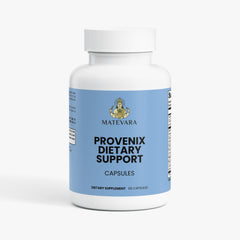
If you're looking for a high-quality, plant-based Vitamin D supplement to support your skin's moisture barrier, Matevara's Daily Vitality uses a clinically aligned dosage sourced from mushrooms.
Evidence continues to reinforce the connection between what you ingest and how your skin feels. You can read the full research on vitamin D status worldwide to learn more.
Frequently Asked Questions About Vitamins for Dry Skin
Starting a supplement routine for your skin can bring up a lot of questions. To help you feel confident, we've answered some of the most common things people wonder about when using vitamins for hydrated, happy skin.
How Long Does It Take for Vitamins to Improve Dry Skin?
When you’re hoping for smoother skin, it's natural to want results quickly. But when it comes to internal support, patience and consistency are what create change. While you might notice small improvements in a few weeks, expect it to take one to three months of daily use to see a lasting difference in your skin's moisture levels.
Why so long? It's a two-part process. First, your body has to build back its internal stores of these crucial nutrients. Then, it needs time to build new, healthier skin cells with that fresh supply. Those new, well-nourished cells have to travel up to the surface. You're not just applying a temporary fix; you're rebuilding healthier skin from the cellular level up.
Can I Get All the Vitamins I Need From Food Alone?
A vibrant, whole-foods diet is the best foundation for skin health. However, in our modern world, getting the optimal amount of every single nutrient your skin craves can be challenging.
- Dietary Choices: Specific diets might miss out on key food groups that are rich in skin-supporting nutrients.
- Soil Quality: Modern agricultural practices have led to soil depletion, meaning the fruits and vegetables we eat today may not be as nutrient-dense as they were generations ago.
- Lifestyle Realities: Take Vitamin D, for example. Our primary source is the sun. But between indoor jobs and the need for sun protection, most of us simply don't get enough, making supplementation a practical necessity.
Think of supplements as your insurance policy. They don't replace a healthy diet—they work with it, filling in nutritional gaps to make sure your skin barrier has every building block it needs.
Are There Any Risks When Taking Vitamins for Skin Health?
For the most part, taking vitamins as directed is very safe. The key is to be mindful of the fat-soluble vitamins—specifically Vitamins A, D, E, and K. Unlike water-soluble vitamins that your body flushes out, these can build up in your system if you take far more than the recommended amount. Just stick to the dosage on the label.
It's always a smart move to chat with your doctor or a qualified healthcare provider before starting any new supplement. This is especially true if you are pregnant, nursing, or managing any existing health conditions. They can give you personalized advice.
If you're looking for a reliable, third-party-tested way to support your skin from within, explore the Ayurvedic-inspired, science-backed formulas at Matevara. Our supplements are designed to integrate seamlessly into your daily wellness ritual.
Discover the Matevara collection
These statements have not been evaluated by the Food and Drug Administration. This product is not intended to diagnose, treat, cure, or prevent any disease.