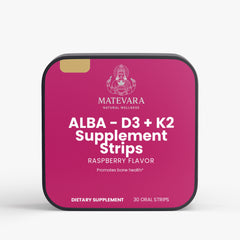

Trying to dial in your health can feel like staring at a thousand-piece puzzle. The solution often starts with the simplest corner piece. For many men, a great daily vitamin is a nutritional insurance policy—it’s there to fill the gaps that a modern diet inevitably leaves behind.
This isn't about finding a magic bullet. It's about a daily ritual that reinforces your efforts, rooted in the ancient wisdom of consistent practice and validated by modern science. It's a practice that may support everything from your energy and immunity to your long-term health goals.
Why Daily Vitamins Are Your Health Foundation
In a perfect world, you would get every nutrient from food. But between soil depletion, food processing, and busy lives, even the healthiest eaters can fall short. This is where a well-formulated daily vitamin for men steps in, becoming a cornerstone of your wellness plan.
It’s not about replacing healthy food. It's about reinforcing it.
Your body is a high-performance engine. Food is the fuel, but vitamins and minerals are the spark plugs, engine oil, and coolant that keep everything running smoothly. When they are in short supply, performance may start to drag.
Unique Nutritional Needs for Men
A man’s nutritional needs are distinct. You generally require more of certain nutrients to support muscle mass, hormonal balance, and cardiovascular health. These demands also shift as you age and your lifestyle changes.
A man in his 20s focused on athletic performance has different daily requirements than a man in his 50s prioritizing heart and brain health. This is why a generic, one-size-fits-all multivitamin often doesn't cut it. Getting clear on your specific needs is the first step toward a supplement routine that works for you. The data shows men are catching on. Between 2021 and 2025, North American men's use of multivitamins jumped by over 20%, and today, 77% of American men over 30 take daily vitamins for energy and immunity. You can dig into the numbers in this analysis of the global vitamins market.
Bridging Nutritional Gaps
To help you get a clearer picture of what to look for, here’s a quick-reference table of nutrients that matter most for men's daily health.
Key Nutrients for Men at a Glance
| Nutrient | Primary Role in Men's Health | Common Food Sources |
|---|---|---|
| Vitamin D | Supports testosterone levels, immune function, bone health | Fatty fish (salmon, mackerel), fortified milk, sunlight |
| Magnesium | Crucial for muscle function, energy production, sleep quality | Leafy greens, nuts, seeds, whole grains |
| Zinc | Essential for testosterone production, prostate health, immunity | Oysters, red meat, beans, nuts |
| Vitamin B12 | Key for energy metabolism, red blood cell formation, nerve function | Meat, fish, poultry, eggs, dairy |
| Selenium | Acts as a powerful antioxidant, supports thyroid and sperm health | Brazil nuts, seafood, organ meats |
| Vitamin K2 | Directs calcium to bones and away from arteries, supporting heart health | Fermented foods (natto), egg yolks, grass-fed butter |
| Boron | A trace mineral that aids in testosterone metabolism and vitamin D absorption | Raisins, almonds, avocados, prunes |
This table is a great starting point, but the real goal is consistency. A daily supplement helps ensure you’re consistently hitting your targets for these crucial nutrients.
A daily vitamin acts as a safety net against common deficiencies that, over time, can cause subtle but nagging problems, such as:
- Persistent fatigue and feeling drained
- Getting sick more often
- Poor muscle recovery after a workout
- Shifts in your mood or ability to focus
By making a quality vitamin part of your daily routine, you’re taking a proactive step to keep your body’s complex systems humming. As you explore the range of science-backed vitamins for men, you’ll find formulations designed to give you exactly what you need to meet your personal health goals.
The Core Four: Your Foundation for Men's Health
Trying to figure out which vitamins you actually need can feel overwhelming. But building a strong nutritional foundation is simpler than you might think. It comes down to a few key nutrients that act as the pillars of your daily well-being.
Let’s call them the "Core Four." Think of them not as separate vitamins, but as a team working together to keep your body in balance—a core principle in both modern science and ancient Ayurvedic wisdom.
There's a reason the market for these nutrients is growing. Global vitamin sales are on track to hit $10.6 billion by 2026, with the entire supplement industry projected to soar towards $430.39 billion by 2035. This isn't just hype; it reflects a genuine, widespread need. For instance, some studies indicate that one in three men worldwide is deficient in vitamin D, a gap that could be linked to a 14% higher risk of heart disease. You can dig into more of this data in this detailed global supplement industry report.
This map lays out the connection between common nutritional gaps and the importance of building a daily ritual to fill them.

As the image shows, a consistent wellness routine is the key to bridging those gaps and maintaining solid health. Let's break down the four pillars that form the bedrock of that routine.
Pillar 1: Vitamin D for Immunity and Mood
Vitamin D is a powerhouse nutrient that a huge number of men simply don't get enough of. Your body is designed to produce it when your skin gets sunlight, but modern indoor lifestyles make deficiency incredibly common. Its job goes far beyond bone health.
Vitamin D acts less like a vitamin and more like a hormone. It’s a critical signaling molecule that helps direct your immune system, may support mood stability, and is essential for hundreds of your body’s genes to function correctly.
When your levels are low, you might notice you're getting sick more often or feel a persistent slump in your mood, especially during darker months. Most men should aim for 600–800 IU daily, but if you're deficient, your doctor might recommend a higher dose. You can learn more in our guide on the full benefits of Vitamin D3 for energy and immunity.
Pillar 2: Magnesium for Muscle and Relaxation
Think of magnesium as your body's "master mineral" for winding down and recovering. It’s a helper in over 300 biochemical reactions, from converting food into energy to regulating nerve signals. For active men, it's absolutely crucial for muscle function and keeping cramps at bay.
This mineral is also a key player in managing your body's stress response and paving the way for restful sleep. Telltale signs of low magnesium can include muscle twitches, nagging fatigue, and that feeling of being unable to switch off at night. The recommended daily intake for adult men is about 420 mg.
Pillar 3: Zinc for Hormonal Balance
For men's health, zinc is a non-negotiable trace mineral that directly impacts hormonal balance and immune strength. It is fundamental to the production of testosterone, which influences everything from your muscle mass and energy levels to your libido.
A zinc deficiency can show up in several ways:
- A weaker immune system and wounds that take longer to heal.
- A noticeable dip in energy and drive.
- Changes in your skin or even hair loss.
The daily target for men is 11 mg. Considering that an estimated 17% of men globally may be deficient, making sure you hit that number through diet or a targeted supplement is a smart play for long-term vitality.
Pillar 4: B Vitamins for Cellular Energy
If your body is an engine, B-Vitamins are the spark plugs. This family of eight essential nutrients—including standouts like B12, B6, and Folate (B9)—works as a team to convert the food you eat into usable cellular fuel (ATP). Without them, your metabolism would slow down.
These vitamins are water-soluble, which means your body can't store them for long, so you need a fresh supply every single day. A shortfall can quickly lead to that all-too-familiar feeling of persistent fatigue, brain fog, and being run down. They are the unsung heroes of your daily energy cycle.
Matching Your Vitamins to Your Age and Lifestyle

Your body's nutritional requirements aren't set in stone. They are a moving target, shifting with every decade and every change in your daily life. A man in his 20s has different physiological demands than a man in his 50s.
Ignoring this means you’re likely not getting the most out of your supplements. Just as ancient Ayurvedic wisdom teaches different practices for various life stages (ashramas), modern science confirms that adjusting your nutrient intake is a cornerstone of long-term health. Let's break down how to align your daily vitamins with where you are right now.
In Your 20s and 30s: Energy and Resilience
This is a time defined by building—careers, families, and physical strength. The main focus here is sustaining energy, managing stress, and supporting physical performance. Your metabolism is generally running at its fastest during these years, burning through nutrients quickly.
Key nutrients to prioritize include:
- B-Vitamins: These are the spark plugs for your cellular engines, converting food into usable energy. B-vitamins are crucial for staying sharp and fighting off fatigue that comes with a packed schedule.
- Magnesium: Long days and tough workouts can drain magnesium stores, which affects both muscle recovery and your ability to relax. A daily dose of 420 mg supports everything from energy production to a calm mind.
- Vitamin C: Think of Vitamin C as your body's cellular bodyguard. As a powerful antioxidant, it helps manage the oxidative stress from mental and physical exertion, keeping your immune defenses strong.
In Your 40s and 50s: Heart and Metabolism
As you move into your 40s and 50s, your body's priorities begin to pivot toward maintenance and prevention. You might notice your metabolism starting to slow, and supporting your cardiovascular system becomes a top concern. Your daily vitamin strategy needs to evolve, too.
This is the time to consider adding these to your routine:
- Coenzyme Q10 (CoQ10): This potent antioxidant is a powerhouse for cellular energy, especially within the heart muscle. The catch? Your body’s natural CoQ10 levels decline with age, making supplementation a smart move for supporting cardiovascular function.
- Vitamin K2: This vitamin is Vitamin D’s essential partner. It acts like a traffic cop for calcium, directing it into your bones where it belongs and away from your arteries. This simple action is critical for maintaining both skeletal strength and arterial flexibility.
- Omega-3 Fatty Acids: Whether from fish oil or algae, Omega-3s may help support healthy blood pressure and triglyceride levels—two of the most important markers for long-term heart health.
In Your 60s and Beyond: Bone Density and Cognition
In your 60s and the years that follow, the focus shifts again. Now, it’s about preserving mobility, cognitive function, and overall resilience. Your body’s ability to absorb certain nutrients from food, like Vitamin B12, can also decrease, making targeted supplementation even more vital.
This life stage is about proactive support. The goal isn’t to turn back the clock but to give your body the precise tools it needs to function optimally—supporting brain health, bone integrity, and immune strength for years to come.
Key nutrients for this decade and after include:
- Calcium and Vitamin D: This classic duo is the foundation of bone health. Together, they are essential for maintaining bone density and helping to reduce the risk of fractures.
- Vitamin B12: Absolutely critical for nerve function and making red blood cells, B12 becomes harder for the body to absorb from food as we get older. For anyone on a plant-based diet, this is a non-negotiable supplement at any age. To get a closer look, you can explore our guide on plant-based and non-veg B12 sources.
- Antioxidants (like Vitamins A, C, and E): These nutrients help shield your cells from oxidative damage, a key factor in many age-related health concerns, including cognitive decline.
Advanced Support for the Modern Man
Once you have your daily vitamin and mineral foundation locked in, you can think about the next level. Think of it like building a house: your core nutrients are the strong frame and solid foundation. Now it’s time to add the smart systems that make it high-performance—things that help you manage stress, sharpen brain function, and keep inflammation in check.
This is where we can bring in powerful compounds that complement your daily essentials. It’s where ancient traditions like Ayurveda meet modern science, giving you an edge to truly thrive.
Omega-3s for Your Brain and Heart
Omega-3 fatty acids are non-negotiable for long-term health, but your body can’t make the most important ones—EPA and DHA—on its own. You have to get them from food or supplements. Think of them as the specialist maintenance crew for your body’s two most critical systems: your heart and your brain.
These powerhouse fats work to support:
- Healthy triglyceride levels: Keeping triglycerides in a healthy range is one of the most important markers for cardiovascular health.
- Brain function: DHA is a primary structural fat in your brain and retinas. It’s literally part of the hardware, crucial for memory and sharp cognitive performance.
- A balanced inflammatory response: Omega-3s help your body manage inflammation, which is key for everything from joint comfort to overall wellness.
For any man serious about proactive health, a high-quality Omega-3 is one of the most well-researched and impactful additions you can make. It’s a direct investment in your long-term cardiovascular and cognitive vitality.
Probiotics for a Thriving Gut
The Ayurvedic principle that all wellness starts in the gut is something modern science is finally proving right. Your gut is an entire ecosystem, home to trillions of microorganisms—your microbiome—that influence your digestion, immune strength, and even your mood. Probiotics are the "good guys" that help keep this delicate world in balance.
When your gut is thriving, you absorb more nutrients from your food, your immune system is more robust, and you might even notice a lift in mental clarity. But when it’s out of whack, you can feel it—digestive issues, fatigue, and a host of other subtle problems. A daily probiotic helps replenish these beneficial bacteria, reinforcing the very foundation of your health.
Ashwagandha: The Adaptogenic Ally
For centuries, Ayurvedic healers have revered Ashwagandha as a Rasayana—a powerful herb for longevity and total-body rejuvenation. Today, we classify it as an adaptogen, a unique substance that helps your body become more resilient to stress. It works by supporting your adrenal system and helping to regulate cortisol, your main stress hormone.
In our non-stop world, your body is often stuck in a state of low-grade, chronic stress. An adaptogen like Ashwagandha doesn't eliminate the stressor, but it helps your body’s response to it, allowing you to stay more balanced, focused, and in control.
If you ever feel "wired but tired," struggle to wind down at night, or feel like stress is tanking your energy, Ashwagandha can be a game-changer. It’s not a sedative; it simply helps your body find its own equilibrium again.
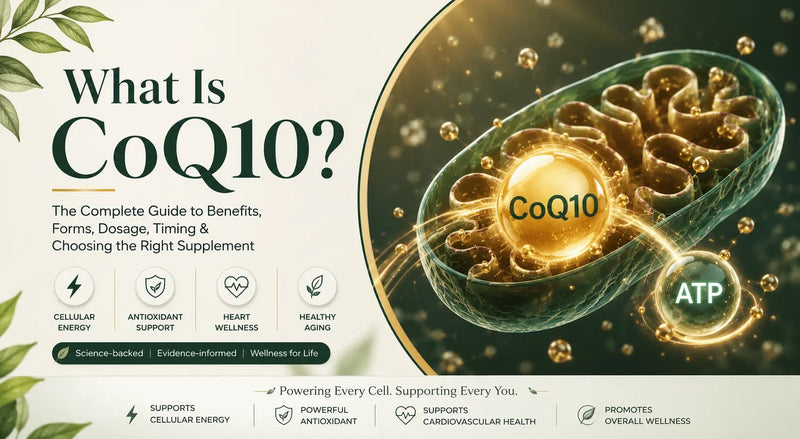
This shift toward targeted nutrition is why the supplement market is projected to hit an incredible $262.748 billion by 2033. The awareness is growing, especially with NIH data showing that 45% of men are deficient in key minerals like magnesium and zinc. This has fueled a 15% yearly rise in men adopting daily vitamins since 2018. You can learn more about these supplement market trends to see the full picture. For those specifically focused on heart health, you can learn more about the benefits of CoQ10 for cellular energy.
How to Choose a High-Quality Supplement

Walking into the supplement aisle can feel like trying to read a foreign language. With hundreds of bottles all promising similar benefits, how do you know which ones actually work? The secret isn’t in the flashy label on the front, but in learning how to look "under the hood."
It's like buying a car. You wouldn't be sold on the shiny paint job alone; you’d want to know what's powering it, how safe it is, and if it's built to last. Choosing a daily vitamin requires that same level of smart scrutiny.
Look for Bioavailability, Not Just Ingredients
It’s one thing for a supplement to contain a nutrient; it’s another for your body to be able to absorb and use it. This concept is called bioavailability, and it’s the biggest difference between a premium supplement and a waste of money. The specific form of a nutrient dictates how much of it actually gets into your system.
Let's take magnesium as an example. You’ll often see these two forms on a label:
- Magnesium Oxide: This is a cheap, bulky form with very low bioavailability. Most of it passes right through your system unabsorbed, which is why it's more effective as a laxative than a mineral supplement.
- Magnesium Glycinate: Here, magnesium is bound to an amino acid called glycine. This "chelated" form is far easier for your body to recognize and absorb, successfully delivering the mineral to your cells to support muscle function and relaxation.
A top-tier supplement will always invest in highly bioavailable forms. This ensures you’re getting the full potency of what you're paying for.
Read the Supplement Facts Panel
The "Supplement Facts" panel on the back of the bottle is your roadmap. It tells you exactly what’s inside and—just as importantly—how much. Your job is to look for clinically relevant dosages, meaning amounts that match the levels used in scientific studies to produce a benefit.
A common industry trick is called "fairy dusting." This is when a company adds a microscopic, ineffective amount of a trendy ingredient just to be able to list it on the label. A transparent brand will always use potent, meaningful doses.
Look at the % Daily Value (%DV), but know that these are baseline recommendations for the general population. Your personal needs might be higher depending on your age, diet, and lifestyle. The most important thing is to check the specific amount (in mg or mcg) of each key nutrient.
Demand Third-Party Testing
This is non-negotiable. It is the single most important marker of a brand you can trust. Because the FDA doesn't tightly regulate the supplement industry, the responsibility for verifying purity and potency falls on the manufacturer. Good companies take this seriously and voluntarily send their products to independent, third-party labs for analysis.
Look for seals or mentions of certifications from well-known organizations, such as:
- NSF International
- U.S. Pharmacopeia (USP)
- ISO/IEC 17025 accredited labs
These certifications are your guarantee that the product actually contains what the label claims and is free from harmful contaminants like heavy metals, pesticides, or microbes. Without this independent verification, you simply take the company’s word for it.
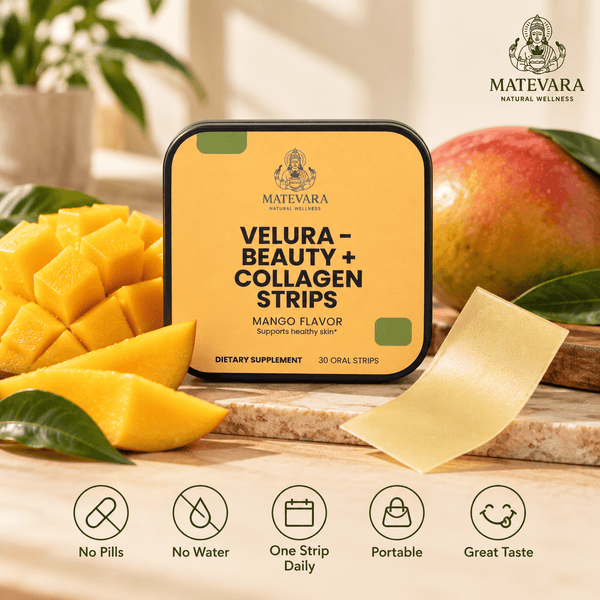
Bringing it all together, the ideal supplement is one that combines ancient wisdom with rigorous modern validation. If you're seeking a men's vitamin that embodies these principles of quality and transparency, Matevara's formulas are third-party tested and formulated with highly bioavailable nutrients to ensure you get effective, science-backed support.
Building Your Daily Vitamin Routine
You’ve figured out which vitamins and minerals you need. That's the first hurdle. The real game-changer, though, is turning that knowledge into a consistent daily habit. A solid routine is what takes those supplements from a bottle on your shelf and makes them a genuine tool for your health.
The key isn't just what you take, but when and how. You have to work with your body's natural rhythms, not against them. Timing can make a huge difference in how well your body absorbs and uses each nutrient.
Optimizing Your Timing for Better Absorption
Think of your daily supplements as a team of specialists, each with a specific job and an ideal time to clock in. You wouldn't send a night-shift worker to the office at 9 a.m., and the same idea applies here. It boils down to two main categories of vitamins.
-
Fat-Soluble Vitamins (A, D, E, K): As the name suggests, these nutrients need fat to be absorbed properly. Taking them with a meal that contains healthy fats—think avocado, nuts, eggs, or olive oil—is non-negotiable. It's the delivery truck they need to get into your cells.
-
Water-Soluble Vitamins (B-Vitamins, Vitamin C): Your body doesn't store these, so you need to replenish them regularly. Most can be taken anytime, even on an empty stomach. The big exception is the B-vitamin complex. Since B-vitamins are crucial for converting food into energy, taking them in the morning with breakfast is your best bet for supporting energy levels all day long.
Timing isn't about following rigid rules; it's about smart strategy. By pairing your supplements with the right meals and times of day, you give your body the best possible chance to absorb and use every last bit of goodness.
Take minerals, for instance. Magnesium is well-known for helping muscles relax and calming the nervous system. This makes it a perfect candidate for your evening routine, helping your body and mind wind down for a restful night’s sleep.
To get a more detailed look at this, you can read our complete guide on the best time to take your supplements.
A Sample Daily Supplement Schedule
To make this feel less abstract, let's map out what a simple and effective daily routine could look like. This is just a template, but it shows how easily you can weave foundational supplements into your day for maximum impact.
| Time of Day | Suggested Supplement | Reasoning |
|---|---|---|
| Morning | Multivitamin with B-Complex | Take with breakfast to kickstart your metabolism and support all-day energy and nutrient absorption. |
| Afternoon | Omega-3 (with lunch) | Consuming with a meal that has some fat in it is essential to boost the absorption of these healthy fatty acids. |
| Evening | Magnesium & Ashwagandha | Take about an hour before bed to help promote relaxation, ease muscle tension, and support your body's stress response. |
A simple schedule like this creates a rhythm that your body can rely on, supporting its different needs from morning to night.
Finally, while this guide offers a strong foundation, it's no substitute for a one-on-one conversation with your doctor. Always consult with your healthcare professional before starting any new supplement regimen to make sure it’s the right call for your personal health needs.
These statements have not been evaluated by the Food and Drug Administration. This product is not intended to diagnose, treat, cure, or prevent any disease.
Frequently Asked Questions
Stepping into the world of men's daily vitamins can bring up questions. It's normal. Getting clear, no-nonsense answers is the best way to feel confident you're making the right moves for your health. Let's dig into a few of the most common ones.
Can I Get All My Nutrients from Food Alone?
In a perfect world, the answer would be "yes." A diet built on whole, unprocessed foods is always the foundation of good health.
But here's the catch: modern life isn't perfect. Real-world factors like industrial farming, soil depletion, and the long journey food takes to your plate mean that today's fruits and vegetables often aren't as packed with nutrients as they once were.
Then there's you. Your personal stress levels, workout routine, and overall lifestyle can ramp up your body's demand for certain nutrients. A high-quality daily vitamin for men works like a nutritional insurance policy, helping to fill in those inevitable gaps that even a great diet might miss.
How Long Until I Notice the Benefits?
This is a great question, and the honest answer is: it depends on what you're looking for. The effects of some nutrients are pretty immediate. If you're running low on B vitamins, for instance, you might feel a real difference in your energy levels within just a few days or weeks of consistent use.
However, many of the most important benefits of supplementation are gradual and preventative. Supporting bone density with Vitamin D or correcting a long-standing mineral deficiency is a process that builds over months of consistent use. Think of it as a long-term investment in your future health, not an overnight fix.
Are There Any Risks with Taking Daily Vitamins?
Safety should always be priority number one. The biggest risk with supplements comes from taking excessively high doses, which can lead to toxicity. This is especially true for fat-soluble vitamins like A, D, E, and K, which your body stores. Always stick to the recommended dosage on the label unless a healthcare provider specifically tells you otherwise.
It’s also crucial to be aware of how supplements might interact with any prescription medications you're taking. This is why choosing products that are third-party tested for purity and potency isn't just a nice-to-have—it's non-negotiable for your safety.
Most importantly, you should always have a conversation with your doctor or healthcare professional before starting any new supplement. This is the only way to be certain that the choices you make are safe, effective, and suited to your unique health profile.
Drafted with Outrank tool