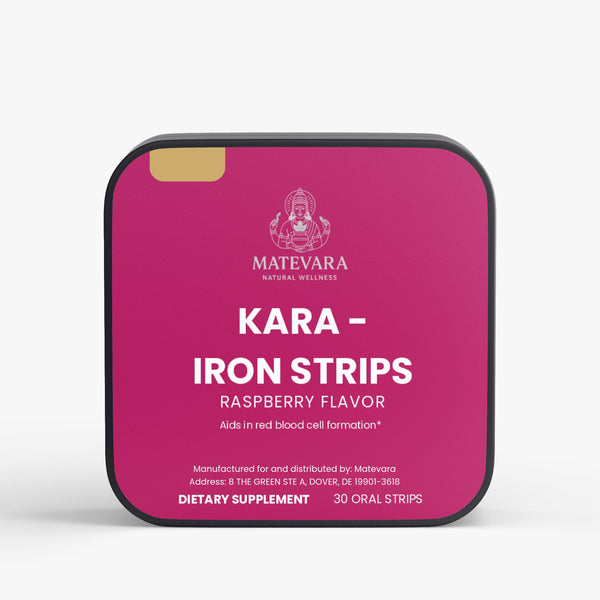
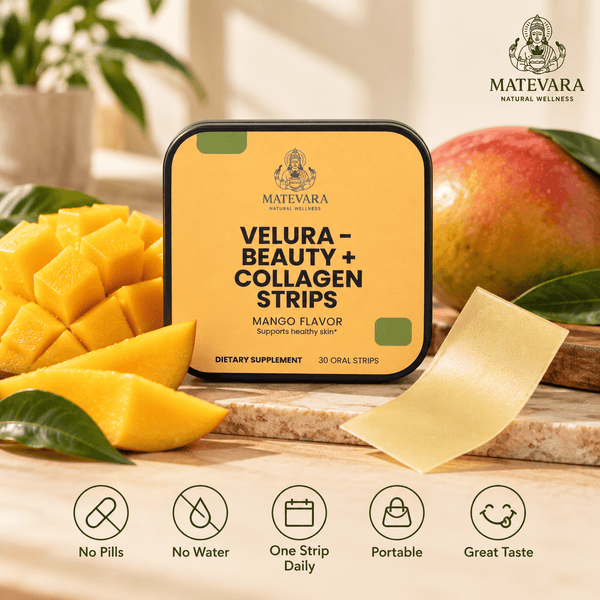
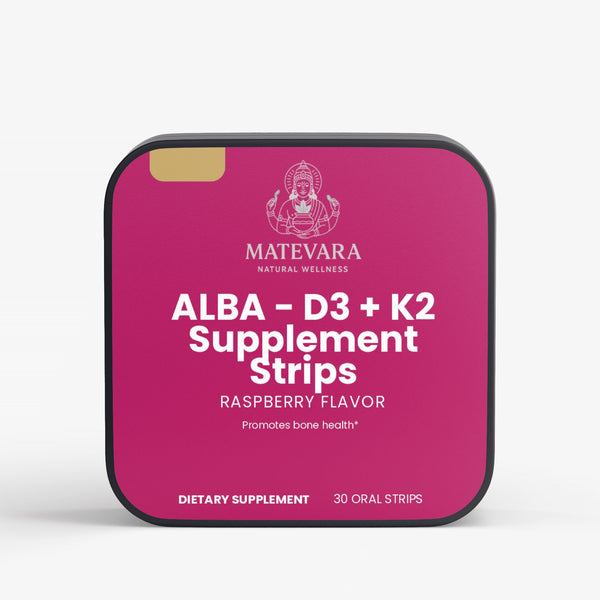
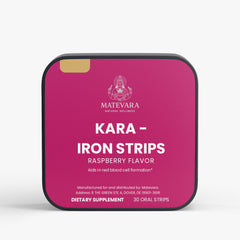
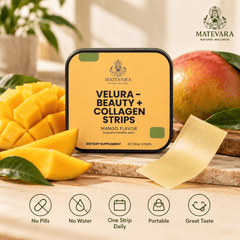
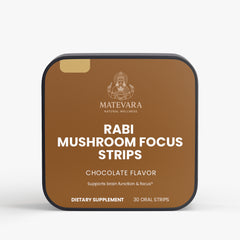
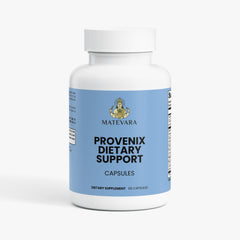

You open the cabinet, line up your bottles, and pause.
Multivitamin. Vitamin D. B12. Maybe magnesium at night. Maybe iron sometimes. You know why you bought them. What you don't always know is the best time to take vitamins so your routine makes sense.
That uncertainty is normal; few individuals need a perfect wellness schedule. A clear routine is what's necessary. A routine that works with breakfast, coffee, workouts, dinner, and sleep.
Ancient systems like Ayurveda have long emphasized Kala, the right action at the right time. Modern nutrition science now echoes that idea. Your body doesn't process every nutrient the same way at every moment. Some vitamins absorb better with food. Some may feel better earlier in the day. Some fit naturally into evening routines.
That doesn't mean you need to overcomplicate your life. It means small timing shifts may help your body use what you already take more effectively.
I'm going to walk you through this the way I would explain it to a friend or a client. Simple first. Specific next. Then practical.
The Unspoken Question on Your Countertop
A lot of supplement routines begin with good intentions and a little guesswork.
You buy a few things because you're trying to support energy, immunity, sleep, or general health. Then morning arrives, you're half awake, and every bottle seems to ask the same question. Take me now, or later?
That question matters more than many people realize.
Why timing feels confusing
Part of the confusion comes from mixed advice. One label says "take with food." Another says "take on an empty stomach." A friend takes everything at breakfast. Someone else swears by bedtime magnesium and midday vitamin D.
None of this means you're doing it wrong. It means vitamin timing has layers.
Some nutrients are better absorbed with fat. Some move through the body quickly. Some may feel energizing. Others fit more naturally into a wind-down rhythm. If you take everything at once for convenience, you might still get value, but you may also miss some of the benefit.
Ayurveda and the body clock
Ayurveda has always paid attention to rhythm. Kala refers to timing, season, and the right moment for a practice. It's a simple but powerful idea. Your body has cycles. Your digestion has cycles. Your mind has cycles.
Modern chrono-nutrition studies a similar pattern through a scientific lens. It looks at how meal timing and nutrient timing interact with your internal clock.
Your body isn't a machine that responds the same way at every hour. It's more like a living orchestra. Timing changes the effect.
That idea can feel grounding. You don't have to chase wellness trends. You can start by listening to the rhythms already built into your day.
The goal isn't perfection
If you've ever forgotten your vitamins for three days and then wondered whether it's even worth trying, take a breath. A useful routine beats an ideal one you can't sustain.
The sweet spot is simple:
- Match the vitamin to its absorption needs
- Match the timing to your daily rhythm
- Stay consistent enough that the habit sticks
That's where both ancient wisdom and modern science meet. They both care about the same thing. Helping you work with your body, not against it.
Why Vitamin Timing Promotes Better Results
Before you sort vitamins into morning or evening, it helps to know one basic rule. Vitamins don't all behave the same way in your body.
Some need fat to get absorbed well. Others dissolve in water and move through more quickly. That single difference explains a big part of why timing matters.

Fat-soluble vitamins need a meal partner
Vitamins A, D, E, and K are fat-soluble. Think of them like nutrients that need a ride. Dietary fat helps carry them through digestion so your body can absorb them more effectively.
Cleveland Clinic notes that fat-soluble vitamins require dietary fats for up to 2 to 3 times better uptake, and that vitamin D should be taken with fats for proper absorption, according to Cleveland Clinic's guide to the best time to take vitamins.
That doesn't mean you need a heavy meal. It means these vitamins usually do better with food than on an empty stomach.
A few easy examples:
- Breakfast with eggs or yogurt can work for vitamin D
- Lunch with olive oil or avocado can work for vitamins A, E, or K
- Dinner with nuts, seeds, or a balanced meal can also work well
Water-soluble vitamins move differently
Vitamin C and the B vitamins are water-soluble. These don't rely on fat in the same way.
You can think of them like nutrients that travel more lightly. They work well with water and may be easier to take earlier in the day, if a B-complex feels stimulating for you.
Cleveland Clinic also notes that water-soluble vitamins like C and B12 do well on an empty stomach with water. It also points out that vitamin C has a short half-life, so some people prefer to split the dose across the day rather than take it all at once.
Absorption isn't the only issue
Timing also affects comfort.
A vitamin may be technically absorbable at one time, but still not feel ideal in real life. Iron can upset the stomach. Multivitamins can cause nausea if you take them without food. B12 may feel too activating late in the day for some people.
This is why the best time to take vitamins isn't one universal hour. It's a combination of biology and routine.
Some nutrients compete for space
Supplements can also crowd each other.
Iron and calcium are a classic example. They can compete for absorption, which is why many people separate them rather than swallow both in the same handful. This matters even more if your schedule includes coffee, tea, or a large multivitamin with several minerals together.
Consider this simple breakdown:
| Nutrient type | Fits best | Why |
|---|---|---|
| Fat-soluble vitamins | With a meal containing fat | Fat improves absorption |
| Water-soluble vitamins | With water, earlier in the day | They dissolve easily and may feel lighter |
| Iron | Away from calcium | Helps avoid absorption competition |
| Multivitamins | With food | May reduce nausea |
Your body likes rhythm
There's also a routine benefit here. When you tie supplements to repeatable moments, breakfast, lunch, dinner, or bedtime, you're less likely to forget them.
If you're already trying to build a hydration routine alongside supplements, this guide on the best time to take electrolytes can help you think through how fluids and daily timing fit together.
Practical rule: Start with absorption, then adjust for comfort, then anchor the habit to a meal or daily cue you'll remember.
That's the foundation. Once you understand that, choosing morning or evening becomes much easier.
Morning Rituals Vitamins to Start Your Day
You wake up, pour a glass of water, glance at the bottles on the counter, and pause. Should they go down now, with breakfast, or later? Morning often becomes the default because it is the easiest part of the day to remember. Yet timing can do more than improve consistency. It can also work with your body's daily rhythm.
In Ayurveda, this rhythm is called Kala, the intelligence of timing. Modern chrono-nutrition studies ask a similar question through a different lens. How does the hour you eat or supplement shape what your body does with those nutrients? Put together, both traditions point to the same practical idea. Morning is usually best for nutrients that support alertness, daytime metabolism, and a steady start.

B vitamins often fit the first half of the day
B vitamins help your cells turn carbohydrates, fats, and protein into usable energy. A simple way to picture them is as part of your body's morning work crew. They do not create energy out of nowhere, but they help your metabolism process the fuel you already eat.
That is why B-complex vitamins and B12 often fit well earlier in the day. Some people also find that taking B12 late feels too stimulating for their evening routine, so breakfast or the first meal tends to be the more comfortable choice.
Morning timing also has a behavioral advantage. A supplement routine attached to breakfast is easier to repeat than one left floating in the middle of a busy afternoon.
Riboflavin may be especially well matched to the morning clock
Among the B vitamins, riboflavin, or vitamin B2, has especially interesting timing research. Earlier findings discussed in this article suggest that morning intake may be a better fit than later intake, and researchers have explored riboflavin's relationship with circadian clock proteins such as Cry2.
You do not need to remember the protein name. The practical message is enough. Riboflavin appears to work in harmony with the body's daytime rhythm, which gives morning a sensible place in your schedule.
This is one of the clearest examples of Kala meeting chrono-nutrition. Traditional systems value doing the right thing at the right time. Modern research is beginning to describe some of the molecular reasons why that may matter.
What to take with breakfast
Breakfast works well for supplements that benefit from food or feel gentler with a meal.
A simple morning setup may include:
- B-complex or B12, especially if you prefer to place daytime-supportive nutrients earlier
- Vitamin D with a meal that includes some fat, since fat helps absorption
- A multivitamin if taking it on an empty stomach causes nausea
If you want more context on how vitamin D supports bones, immunity, and energy, this article on vitamin D3 benefits from stronger bones to more energy immunity offers a helpful overview.
What about iron?
Iron follows its own rules.
It is often absorbed best on an empty stomach, and vitamin C from food or drink can help. At the same time, iron can feel harsh for some people, especially first thing in the morning. Here, body wisdom matters. The technically ideal schedule is not always the schedule you can tolerate.
A workable morning iron routine may look like this:
- Before breakfast with water, if your stomach handles it well
- With a light snack, if empty-stomach iron causes nausea
- Separate from calcium-rich foods or calcium supplements, since they can interfere with absorption
A simple morning filter
If your mornings are busy, use this short check:
If a supplement supports daytime metabolism or feels mentally activating
Take it earlier.
If it absorbs better with fat
Pair it with breakfast or your first substantial meal.
If it irritates your stomach
Take it with food, unless your clinician has given different instructions.
A good morning routine should feel steady, not crowded. Keep the bottles you use most often in one visible place, pair them with a regular cue such as breakfast, and let timing become part of your rhythm rather than another task to manage.
Evening Rituals Nutrients for Rest and Repair
At 9 p.m., the kitchen is finally quiet. You have finished dinner, the lights are lower, and your body is shifting from doing to repairing. This is the part of the day Ayurveda would call a change in Kala, the quality of time itself. Modern chrono-nutrition asks a similar question. Does the body use nutrients differently as the day unfolds?
For some supplements, the answer appears to be yes.

Vitamins linked with evening benefits
Research discussed earlier in this guide found that evening intake of vitamin B6, vitamin C, vitamin E, and folate-equivalents was associated with better long-term health outcomes. These were observational findings, so they do not prove that taking these nutrients at night causes those benefits. They do suggest that timing may influence how nutrition interacts with the body's daily rhythm.
That idea fits both science and tradition. In chrono-nutrition, the body follows internal clocks that change hormone levels, digestion, and cellular repair across the day. In Ayurveda, Kala reminds us that timing shapes effect. A nutrient taken in the right context can work like the right tool arriving at the right hour.
Vitamin E gives a simple example. It is fat-soluble, so an evening meal that includes healthy fats can make dinner a practical time to take it.
Magnesium's natural place in a wind-down routine
Magnesium was not part of the timing research above, yet it often belongs comfortably in an evening routine for a different reason. The habit fits the hour.
Night routines succeed when they are simple and steady. Water on the nightstand. Screens off. A few slow breaths. Then your supplement. That repeated cue matters because even the best plan is not useful if you cannot follow it consistently.
If you are considering a nighttime option, magnesium glycinate for a gentler evening routine is one form many people choose.
Calcium often works well later in the day
Calcium can also fit nicely at dinner, especially if iron lives earlier in your schedule.
The reason is spacing, not magic. Calcium and iron can compete when taken together, rather like two people trying to pass through the same narrow doorway at once. Putting iron in the morning and calcium in the evening gives each one more room.
A practical evening setup might look like this:
- Dinner for calcium if you take iron earlier
- An evening meal with fat for vitamin E
- Later in the day for B6, vitamin C, or folate if that timing feels natural and easy to remember
If dinner is your anchor meal
Some people do not have a calm breakfast. Lunch is rushed, snacks happen in the car, and dinner is the first real meal of the day. In that situation, evening may be the most realistic home for several supplements.
That is not a failure to follow the rules. It is good practical timing.
The goal is to match the supplement to the conditions it needs: food if it absorbs better with a meal, distance from competing minerals when needed, and a routine you can repeat without strain.
A gentle evening checklist
- Use dinner for nutrients that pair well with food or fat
- Keep bedtime routines calming and simple
- Take mentally activating supplements earlier if they seem to disturb sleep
A good evening supplement routine should feel like closing the day well. Quiet, regular, and aligned with your body's repair window.
Your Quick-Reference Guide to Vitamin Timing
Sometimes you don't need a long explanation. You need a clean answer you can screenshot.
This is that answer.

A simple cheat sheet
| Supplement | Fits best | Food or empty stomach | Main reason |
|---|---|---|---|
| Vitamin A | With a meal | With food containing fat | Fat helps absorption |
| B-complex | Morning | With breakfast or water | May feel more daytime-friendly |
| Vitamin C | Morning or evening | With or without food | Flexible, depends on comfort |
| Vitamin D | Earlier meal | With food containing fat | Absorption support |
| Vitamin E | Evening meal | With food containing fat | Fat helps absorption |
| Vitamin K | With a meal | With food containing fat | Absorption support |
| Iron | Morning | Empty stomach if tolerated | Best separated from calcium |
| Calcium | Evening | With food | Helpful to separate from iron |
| Magnesium | Evening | With food or water | Common bedtime routine choice |
| Zinc | Dinner or earlier meal | With food | May reduce stomach upset |
| Probiotics | Varies by product | Follow label directions | Strain and format matter |
| Omega-3s | With a meal | With food | Easier on digestion |
If probiotics are part of your routine too, Matevara's guide on the best time of day to take probiotics can help you think through timing by product type and meal pattern.
The fastest way to use this guide
Ask two questions before you take anything:
- Does it need food or fat?
- Does it belong more naturally to my morning energy or evening recovery routine?
Those two questions solve most timing decisions.
How to Build Your Personalized Supplement Schedule
The best time to take vitamins depends on your body, your meals, and what you can repeat without strain. A personalized routine doesn't need to be complicated. It just needs to fit your real life.
Instead of copying someone else's stack, build around your day.
Start with your anchors
Look for moments that already happen most days:
- A consistent breakfast
- Your first real meal
- Dinner at home
- Your bedtime routine
These are stronger than motivation. They give your supplements a place to live.
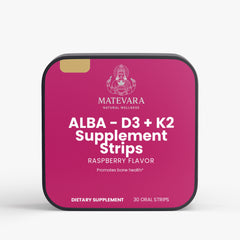
If you want more context on how B12 and D3 can work together in a routine, Matevara's article on B-12 and D offers a useful starting point.
Sample schedule for a 9-to-5 workday
This works well if you eat breakfast and dinner consistently.
Morning
Take B-complex or B12 with water or breakfast. If you take vitamin D, pair it with breakfast that includes some fat.
Mid-morning
If you're taking iron and your stomach tolerates it best away from larger meals, this can be a practical window. Keep it separate from calcium when possible.
Dinner
Take fat-soluble vitamins that fit your evening plan, such as vitamin E. Calcium can also sit here if you're spacing it away from iron.
Before bed
Use this time for magnesium if that feels supportive and easy to remember.
This schedule is simple because the workday already gives you structure. You don't need extra wellness rituals. You need good placement.
Sample schedule for someone who skips breakfast
A lot of timing advice assumes everyone eats at eight in the morning. Many people don't.
If your first meal is lunch, use that instead.
On waking
Take water-soluble supplements that you tolerate well without food, if appropriate for your routine.
Lunch
Place vitamin D and other fat-soluble vitamins here if this is your first substantial meal.
Dinner
Use dinner for evening-oriented nutrients and anything that sits better with food.
Bedtime
Keep only the supplements that belong there. Too many pills at night can make the routine feel heavy.
This pattern respects modern life. Ayurveda values timing, but it also values context. The right time is the time that matches your actual digestion and daily rhythm.
Sample schedule for an active person
If you train regularly, convenience matters because workouts already ask for planning.
A balanced setup might look like this:
- Breakfast after training for B vitamins and vitamin D with food
- Main meal later in the day for fat-soluble nutrients
- Evening for magnesium and anything you prefer to separate from your morning stack
Hydration, meals, and recovery matter more than adding more supplements. Keep the core routine clean.
A good routine is realistic
Here are signs your schedule is working:
You remember it without effort
If you need six alarms, the plan is too complicated.
Your stomach feels fine
A technically correct routine that leaves you nauseous won't last.
Your sleep isn't getting disrupted
If a supplement seems too stimulating at night, move it earlier.
You're not taking everything in one rushed handful
Spacing can help absorption and comfort.
A personalized schedule should feel supportive, not strict. If your plan adds stress, simplify it.
One thoughtful product mention
If you want one example of a product that fits naturally into a night routine, Matevara's Restora Magnesium Glycinate is designed for daily use and fits the kind of evening ritual many people already have. That's not a reason to add it automatically. It's one option if magnesium belongs in your plan.
That approach matters. Educate first. Then choose tools that match the routine, not the other way around.
Important Safety Guidelines and Best Practices
Timing matters. Safety matters more.
Any supplement routine should respect your medications, health history, digestion, and lab work. That includes vitamins that seem basic or familiar.
Talk with a qualified healthcare professional first
This matters most if you:
- Take prescription medications
- Are pregnant or breastfeeding
- Have a medical condition
- Have been told you have a deficiency
- Use several supplements at once
A clinician can help you avoid overlap, unnecessary products, or timing conflicts that don't show up on the front label.
Don't force empty-stomach supplements if they make you sick
Iron and zinc can bother the stomach for some people. Even a multivitamin can cause nausea if taken without food.
If a supplement leaves you feeling queasy, shaky, or uncomfortable, that doesn't mean supplements aren't for you. It may mean the timing, dose, or format needs adjustment.
More isn't better
Stacking a multivitamin on top of several single nutrients can create overlap. That's one reason labels matter.
If you're unsure how to interpret tiny units on a bottle, Matevara's guide on what does mcg mean in vitamins can help you read supplement labels more confidently.
Personalization is worth the effort
Some people do well with a simple morning and evening split. Others need more specific guidance based on meals, preferences, and health goals. If you want a broader framework for thinking through food choices around your routine, this article on building a personalized nutrition plan offers a helpful perspective.
Consistency helps. But consistency with the wrong product, wrong dose, or wrong timing isn't the goal. Thoughtful consistency is.
Keep these best practices in view
- Read the label carefully for food instructions and serving size
- Introduce changes slowly so you can notice what agrees with you
- Avoid doubling up after a missed dose unless your clinician advises it
- Store supplements properly so heat and moisture don't affect quality
These statements have not been evaluated by the Food and Drug Administration. This product is not intended to diagnose, treat, cure, or prevent any disease.
Frequently Asked Questions About Vitamin Timing
Can you take all your vitamins at once
Sometimes you can, but it isn't always ideal.
A single routine may be convenient, yet some nutrients absorb better under different conditions. Iron and calcium are better separated. Fat-soluble vitamins do better with a meal. B vitamins may fit earlier in the day. If your current all-at-once routine works and doesn't upset your stomach, you may still be getting benefit. But you can improve comfort and absorption by splitting morning and evening supplements.
What happens if you miss a dose
Usually, nothing dramatic.
Don't double the next dose unless your healthcare professional tells you to. Just resume your normal schedule. Vitamins work through regular use over time, not through one perfect day.
How long should you wait to eat after taking vitamins on an empty stomach
That depends on the supplement and your tolerance.
For products commonly taken on an empty stomach, many people leave a short gap before eating. But if that approach makes you nauseous, it's better to prioritize consistency and comfort. The label and your clinician's guidance should lead here.
Is morning or night better overall
Neither is universally better.
Morning suits B vitamins and routines built around energy and breakfast. Evening suits nutrients that pair with dinner or bedtime rituals. The best time to take vitamins is the time that matches both the nutrient and your real schedule.
Should you take vitamins every day at the exact same time
You don't need minute-by-minute precision.
What helps most is taking them at roughly the same part of your day. Breakfast, lunch, dinner, or bedtime is specific enough.
If you're refining your supplement routine and want options grounded in both Ayurvedic tradition and modern evidence, explore Matevara. Always consult a qualified healthcare professional before starting or changing any supplement plan.