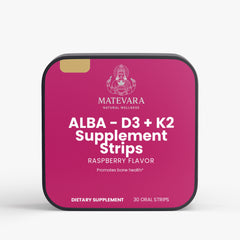

In the world of nutrition, some partnerships just make sense. You have calcium and magnesium for bone health, or iron and vitamin C for absorption. But one of the most powerful and often overlooked duos is Vitamin B12 and Vitamin D3.
These two aren’t just individual nutrients; they’re a team. They work in tandem to support some of your body’s most critical functions, from keeping your energy levels steady to fortifying your immune system and protecting your brain health. Understanding them as partners is the key to unlocking their full potential.
Why B12 and D3 Are Your Body's Power Couple

Have you ever wondered why certain nutrients seem to get all the attention? Vitamin B12 and D3 are two such stars, and for good reason. Their roles are both distinct and deeply interconnected, creating a synergy that’s far greater than the sum of its parts.
Think of your body’s complex operations as a finely tuned orchestra. To create beautiful music, you need both rhythm and direction.
In this symphony of health, Vitamin B12 is the metronome. It sets the steady, energetic beat. B12 is essential for converting the food you eat into cellular fuel (ATP), giving your body the consistent energy it needs to perform. It also ensures the tempo of your nervous system is on point by maintaining the protective myelin sheath around your nerves.
Vitamin D3, on the other hand, is the conductor. It directs the entire performance with precision and intelligence. It tells your immune cells when to attack and when to stand down, preventing both infections and autoimmune overreactions. It also orchestrates calcium’s journey into your bones, ensuring your body’s foundational structure remains strong.
Rhythm Meets Direction: The Synergy in Action
What happens when the metronome is slow or the conductor is missing? The music falls apart. Without B12’s steady rhythm, energy plummets and nerve communication falters. Without D3’s clear direction, the immune system becomes chaotic and bones weaken.
This beautiful interplay mirrors an ancient Ayurvedic principle—the concept of Ojas.
Ojas is often described as the body's vital essence, the finest product of digestion and metabolism that governs our immunity, strength, and happiness. Both modern science and traditional wisdom recognize that robust vitality depends on a foundation of essential nutrients working in harmony.
When you have enough B12 and D3, you’re giving your body both the beat and the leadership it needs to thrive.
For a quick overview, this table breaks down how their roles complement each other in crucial health areas.
B12 and D3 At a Glance: Key Synergies
| Health Area | Role of Vitamin B12 | Role of Vitamin D3 | Combined Benefit |
|---|---|---|---|
| Energy & Vitality | Crucial for converting food into cellular energy (ATP). | Supports muscle function and may reduce fatigue. | May support sustained physical and mental energy. |
| Immune Function | Needed for the production of new immune cells. | Modulates immune responses, telling cells how to act. | A smarter, more balanced, and resilient immune system. |
| Brain & Nerve Health | Maintains the protective myelin sheath around nerves. | Supports nerve cell growth and cognitive function. | Enhanced neurological protection and mental clarity. |
| Bone Health | Plays a role in the activity of bone-building cells. | Essential for absorbing calcium to build strong bones. | A stronger skeletal foundation. |
This powerful interplay is why looking at B12 and D3 together is more than a trend—it's a scientifically sound strategy for building true, holistic resilience.
The benefits of each are impressive on their own, but their combined effect is what truly makes a difference. To learn more about the conductor’s specific roles, you can explore our detailed guide on the benefits of Vitamin D3.
By understanding how these two essential vitamins support each other, you can make smarter, more effective choices for your daily wellness ritual.
Exploring Vitamin B12: The Energy and Nerve Protector

If Vitamin D3 is the body’s master switch, think of Vitamin B12 (also known as cobalamin) as the spark plug. It's the nutrient responsible for igniting the fuel that powers your every move. Its job is so foundational that even a minor dip in your levels can leave you feeling drained and out of sorts.
At its core, B12 is a crucial part of the machinery that converts the food you eat into usable energy, or glucose. This is exactly why one of the first and most common signs of a B12 deficiency is a profound, persistent fatigue that no amount of sleep seems to fix. It’s a cellular power failure.
Your Nervous System's Guardian
But B12’s job doesn't stop at energy. It’s also the primary guardian of your entire nervous system. One of its most critical roles is helping build and maintain the myelin sheath, a fatty, insulating layer that wraps around your nerve fibers.
Think of an electrical cord. Myelin is the rubber coating that keeps the electrical signal contained and moving fast. When B12 levels get too low, that protective coating can start to wear thin, causing signals to slow down or misfire. This is what's behind symptoms like brain fog, memory lapses, or that strange "pins and needles" sensation in your hands and feet.
By keeping this vital communication network intact, B12 helps maintain sharp thinking and clear cognitive function. It's a role that beautifully mirrors the Ayurvedic concept of Ojas, the vital essence that governs not just physical stamina but mental clarity and resilience.
A healthy nervous system, supported by adequate Vitamin B12, is essential for maintaining both physical energy and mental sharpness. It ensures your body's internal communication system runs smoothly and efficiently.
Who Needs to Pay Extra Attention to B12?
Here’s the catch: unlike Vitamin D, which your body can make with sun exposure, you have to get B12 from your food. The problem is that B12 is found almost exclusively in animal products, which puts several groups at a high risk for deficiency right from the start.
The most reliable dietary sources of B12 include:
- Fish and Shellfish: Salmon, tuna, and clams are packed with B12.
- Meat: Organ meats like liver are exceptionally high, with beef and poultry also providing good amounts.
- Dairy and Eggs: Milk, cheese, and eggs offer more moderate levels of B12.
Because of this, vegetarians and vegans need to be incredibly diligent about their B12 status. While some foods like nutritional yeast or plant-based milks are fortified, supplementation is often the most reliable way to ensure you’re getting enough. To learn more about your options, check out our guide on the top Vitamin B12 foods and why plant sources often aren't enough.
Older adults also face a unique challenge. As we age, our stomachs naturally produce less acid. This stomach acid is essential for breaking B12 away from the protein in food so our bodies can absorb it.
This growing awareness is reflected in market data; the global Vitamin B12 market is expected to hit US$ 592.63 million by 2032. A major force behind this growth is the world’s aging population, as older adults are far more susceptible to absorption issues. In places like India, where vegetarianism is widespread, it’s estimated that a staggering 650 million people may be dealing with B12 deficiency.
Understanding Vitamin D3: Your Immune and Bone Fortifier
If Vitamin B12 is your body’s spark plug, think of Vitamin D3 as its master architect and security chief. You’ve probably heard it called the “sunshine vitamin,” and for good reason. Its scientific name is cholecalciferol, and its origin story is unique—your body actually manufactures it when sunlight hits your skin.
This process transforms it into a powerful hormone that takes charge of some of your most critical health systems.
Its most famous role, of course, is building a strong skeleton. Vitamin D3 is the gatekeeper for calcium absorption. Without it, the calcium in your diet can’t get where it needs to go, leaving your bones weak and vulnerable no matter how much calcium-rich food you eat.
More Than Just Bones: An Immune System Modulator
But D3’s job description extends far beyond bone health. It’s also a master regulator of your immune system, acting like an intelligent conductor for a vast orchestra of immune cells. It cues your body’s frontline defenders to attack invading pathogens, but it also knows when to tell them to stand down.
This helps prevent the system from overreacting, which is a key driver behind chronic inflammation and autoimmune disorders. This function beautifully mirrors the Ayurvedic concept of Bala—your body's innate strength, resilience, and immunity. Modern science confirms that having enough D3 is essential to maintaining this state of robust balance.
The Global Deficiency Problem
Since we can literally make Vitamin D3 from sunlight, you’d think a deficiency would be a rare thing. The reality is quite the opposite. Our modern indoor lifestyles, diligent use of sunscreen (which blocks the UV rays needed for D3 synthesis), air pollution, and even just living far from the equator mean most of us simply don't get the sun exposure we need.
This has created a silent but massive global health issue. It’s estimated that Vitamin D3 deficiency now affects a staggering one billion people worldwide. The numbers in some regions are particularly alarming. In urban India, for example, studies show that roughly 73% of adults may be deficient. One report from Delhi found a jaw-dropping 94% deficiency rate, mostly attributed to indoor work and heavy pollution blocking the sun.
You can dive deeper into the research on global Vitamin D status and successful public health responses by reviewing the comprehensive study here.
Maintaining healthy Vitamin D3 levels is a proactive step toward fortifying your immune defenses and ensuring your body has the strength to stay balanced and resilient. It's a foundational element for long-term wellness.
Recognizing the Signs of Low D3
Because Vitamin D3 is involved in so many different bodily functions, the signals of a shortfall can be subtle and easily blamed on something else. Learning to spot these clues is the first step toward addressing the problem.
Common symptoms of low Vitamin D3 may include:
- Frequent Illness: If you feel like you’re constantly catching every cold or flu that makes the rounds, your immune system might be running on empty without enough D3.
- Bone and Back Pain: A persistent, dull ache in your bones, especially your lower back, can be a sign that your body isn't absorbing calcium properly due to low D3.
- Persistent Fatigue: Feeling wiped out all the time has countless causes, but D3 deficiency is a very common, and often overlooked, culprit.
- Low Mood: D3 is vital for brain health and mood regulation. Low levels are frequently linked to feelings of sadness, particularly during the darker winter months (sometimes known as seasonal affective disorder).
If any of these symptoms sound familiar, it’s a good idea to have a conversation with your healthcare provider. They can help you figure out if testing your Vitamin B12 and D3 levels is the right next step for you.
How B12 and D3 Work Together for Your Health
Vitamins B12 and D3 are both powerhouses on their own. But when you put them together, something really interesting happens. They create a synergy that takes their individual benefits and amplifies them, particularly when it comes to your nervous system and immune defenses.
It’s not that they do the exact same job. Instead, think of them as a highly effective team. They often support the very same systems in your body, but they approach the task from different angles. Understanding this partnership shows why combining them isn't just a convenience—it’s a smart, science-backed strategy for building a more resilient foundation for your health.
Comprehensive Neurological Support
Imagine your nervous system is a city’s complex electrical grid. For everything to run smoothly, you need two things: sturdy, well-insulated wiring and a reliable power source to keep the lights on.
- Vitamin B12 is like the expert electrician, responsible for maintaining the protective myelin sheath that coats your nerve fibers. This insulation is what ensures electrical signals shoot through your brain and body quickly and accurately, keeping your thinking sharp and reflexes fast.
- Vitamin D3, on the other hand, acts more like the grid operator. It functions as a neuro-steroid that plays a key role in nerve growth and overall network health. Research suggests it helps shield nerve cells from damage and supports the production of key neurotransmitters that regulate your mood.
When you combine them, B12 is busy protecting the existing "wiring" while D3 is supporting the growth and integrity of the entire network. It's a dual-action approach that may offer incredible support for brain health, memory, and mood stability.
A Smarter, More Balanced Immune Response
Your immune system is another area where the B12 and D3 partnership truly shines. To effectively fight off pathogens, your body needs both a well-stocked army of soldiers and an intelligent general to command them.
Vitamin B12 is absolutely fundamental for producing new immune cells. It’s especially critical for the white blood cells that act as your body's frontline defense. Without enough B12, your immune system simply can't generate the "troops" it needs to mount a proper response.
This is where Vitamin D3 steps in as the commander, directing the immune system and other vital functions.

As you can see, Vitamin D3 acts as an intelligent modulator. It doesn't just create more cells; it directs them, ensuring your immune response is balanced, effective, and smart.
In essence, B12 builds the army, and D3 provides the strategy. This synergy ensures your immune system is both powerful and precise, capable of fighting infection without becoming overactive and causing unnecessary inflammation.
This teamwork is crucial for maintaining Bala—the Ayurvedic principle of innate strength and immunity. Modern science now confirms that having enough of both nutrients is vital for a resilient, well-regulated immune system. And if you're curious about other key players, you might be interested in how magnesium activates Vitamin D and unlocks calcium.
Shared Risk Factors and The Dual-Deficiency Problem
Perhaps the most practical reason to consider B12 and D3 together is that the same people are often at risk for lacking both. For example, older adults often struggle to absorb B12 from food and their skin becomes less efficient at producing D3 from sunlight. This creates a double-whammy nutritional gap that can seriously impact their energy, mobility, and immune function.
This isn’t a small problem—it’s a global one. A recent meta-analysis blew the lid off a dual nutrient crisis, revealing a staggering global deficiency rate of 61% for D3 and 53% for B12. The data also highlights that where you live matters. Urban populations tend to have bigger D3 shortfalls, while rural communities often see higher rates of B12 deficiency. The sheer scale of this issue is fueling massive growth in the wellness industry, with the B12 market alone projected to hit US$ 575.4 million by 2034. You can explore more detailed data about these market trends and their drivers.
Because these deficiencies so often overlap, a proactive, combined supplementation strategy isn't just about convenience. It’s a scientifically sound approach to plugging common nutritional gaps and fortifying your body’s core systems for lasting vitality.
Choosing and Using Your B12 and D3 Supplements
Walking into the supplement aisle can feel overwhelming. But once you have the right information, choosing and using your supplements becomes second nature. When it comes to B12 and D3, getting the most out of them boils down to three simple things: the right form, the right timing, and the right delivery method.
Let’s break it down into a practical routine that actually works for your body and your life.
Form Matters: Pick the Most Bioactive Choices
Not all vitamin bottles hold the same power. Some forms are "bioactive," which is just a scientific way of saying they are ready for your body to use immediately. Other forms require your body to perform extra conversion steps, which can be inefficient.
-
For Vitamin B12: Always look for methylcobalamin. This is the natural, active form of B12. Your body can put it to work right away to support energy and neurological health, no extra steps needed.
-
For Vitamin D3: The only form you should be looking for is cholecalciferol. This is the exact type of vitamin D your body makes when your skin is exposed to sunlight. Study after study shows cholecalciferol is miles better at raising and maintaining your blood levels compared to its plant-based cousin, D2 (ergocalciferol).
By choosing these bioactive forms, you're ensuring you get the most punch out of every dose. It’s a principle that echoes through both modern science and ancient Ayurvedic wisdom: always use the most potent and efficient tool for the job.
Timing for Optimal Absorption
Once you’ve got the right form, when you take it matters. These two vitamins have very different needs for proper absorption.
Vitamin B12: Think of B12 as your morning energy partner. Because it plays a key role in producing cellular energy, it’s best taken in the morning. For peak absorption, try taking it on an empty stomach with a glass of water, about 30 minutes before you eat. This also ensures it won’t interfere with your sleep later on.
Vitamin D3: This is a fat-soluble vitamin, which means it needs fat to be absorbed. The best time to take your D3 is with a meal that contains healthy fats. Think avocado on toast, a handful of nuts, a salad with olive oil dressing, or a piece of salmon. This simple trick can make a massive difference in how much D3 your body actually gets to use.
Takeaway Tip: A simple and effective routine is to take your B12 supplement right when you wake up, and then take your D3 supplement with your breakfast or lunch. This aligns perfectly with your body’s natural rhythms.
Comparing Delivery Formats
The final piece of the puzzle is how you get the vitamins into your system. Each format has its pros and cons, depending on your lifestyle and your body.
-
Capsules and Tablets: This is the most common method. They’re easy to dose and you can find them everywhere. The downside? They have to survive the harsh environment of your digestive system, where absorption can be hit-or-miss depending on things like gut health or low stomach acid.
-
Powders: Powders are great because you can adjust your dose and mix them into a smoothie or a glass of water. Like capsules, however, they still have to pass through your gut to be absorbed.
-
Oral Dissolvable Strips: This is a much smarter delivery system designed for better absorption. When a strip dissolves on your tongue, the vitamins are absorbed directly into your bloodstream through the rich network of capillaries in your mouth. This completely bypasses the digestive system, making it a fantastic option if you have absorption issues or just can't stand swallowing pills.
If you're interested in learning more about D3 in particular, you might find our article on the wide-ranging benefits of this sunshine vitamin helpful.
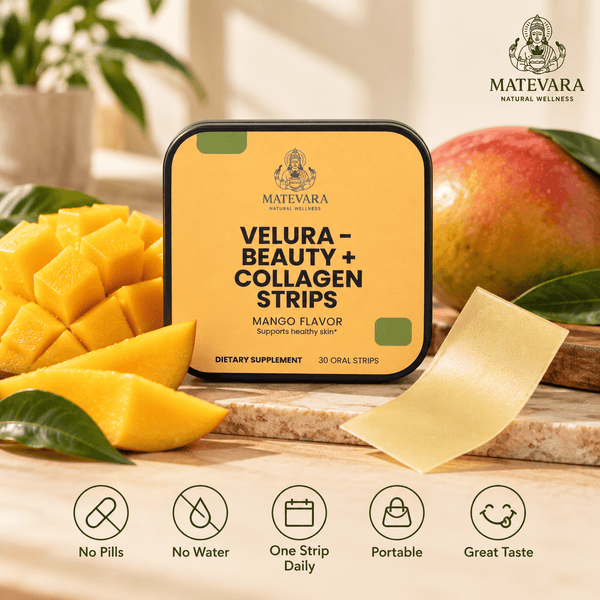
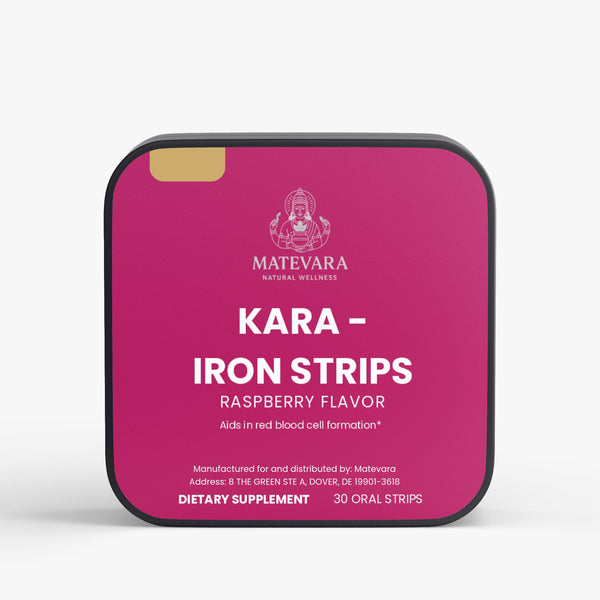
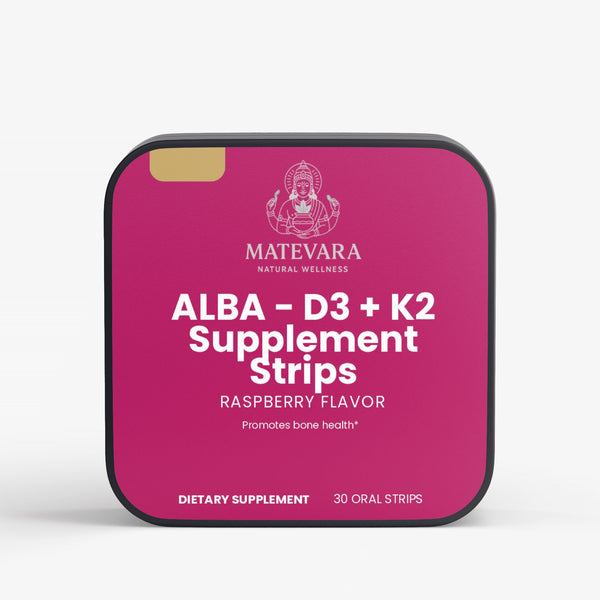
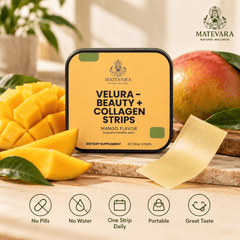
If you are looking for an option that is both simple and highly effective, Matevara's dissolvable strips deliver the bioactive forms of both vitamins in clinically-backed doses, all designed for superior absorption and an effortless daily habit.
As always, remember to talk with your healthcare provider before starting any new supplement. They can help you figure out what’s right for your unique health needs.
Testing, Safety, and Smart Supplementation
Before you start any new supplement routine, there's one golden rule: don't guess, test. While the combination of B12 and D3 offers powerful benefits, true wellness isn't about throwing things at the wall to see what sticks. It's about making smart, informed decisions based on what your body actually needs.
The most critical first step is getting a baseline. A simple blood test ordered by your doctor can tell you exactly where your vitamin levels are right now.
Think of it this way: you wouldn't adjust the thermostat without knowing the room's current temperature. Testing is the same principle. It allows you and your healthcare provider to create a precise plan, ensuring you take the right amount to feel your best without overdoing it.
Getting Tested: What to Ask For
When you chat with your doctor, you'll want to be specific. To get the full picture of your B12 and D3 status, you'll need to request two key tests.
- For Vitamin B12: Ask for a serum B12 test. This is the standard test that measures the total amount of B12 available in your bloodstream.
- For Vitamin D3: Request a 25-hydroxy vitamin D test, which is often written as a 25(OH)D test. This is considered the most accurate marker of your body’s overall vitamin D stores.
With these results in hand, you can have a productive conversation about whether supplementation is right for you and what dosage will be most effective.
Your health is personal. Testing takes the guesswork out of supplementation, transforming a general wellness idea into a precise action plan tailored just for you.
Understanding Safety and Potential Interactions
Taking supplements also means understanding how they fit into your bigger health picture, especially if you're taking any medications.
Vitamin B12 is water-soluble. This is great news from a safety perspective, as your body generally just flushes out any excess it doesn't use. Because of this, B12 toxicity is incredibly rare. However, it's worth knowing that some common medications, like metformin for diabetes or certain acid reflux drugs (proton pump inhibitors), can interfere with B12 absorption over time.
Vitamin D3, on the other hand, is fat-soluble. Your body stores it in your fat tissue, which means you need to be more mindful of the dosage. While toxicity is very uncommon with standard daily doses (typically 1,000–4,000 IU), taking excessively high amounts for a long period can lead to a buildup of calcium in the blood. If you want to learn more about supplement schedules, check out our guide on the best time to take supplements.
We strongly recommend you consult with a qualified healthcare professional before beginning any new supplement regimen. This is non-negotiable if you are pregnant, nursing, have a pre-existing medical condition, or are taking any prescription medications. They are your best partner in building a safe and effective wellness routine.
These statements have not been evaluated by the Food and Drug Administration. This product is not intended to diagnose, treat, cure, or prevent any disease.
Frequently Asked Questions About B12 and D3
Even after you've decided to add a supplement to your routine, the practical questions start to pop up. To help you feel completely confident, we’re tackling some of the most common questions about the B12 and D3 partnership with clear, straightforward answers.
Can I Get Enough B12 and D3 from My Diet Alone?
For most of us, getting enough of these two vitamins from our food is a real challenge.
Vitamin B12 is found almost exclusively in animal products. This means anyone following a vegetarian or vegan lifestyle will almost certainly need a supplement to hit their targets. But even for meat-eaters, our ability to absorb B12 from food can decline as we get older, creating a potential gap.
Vitamin D3 is even more elusive. While you can get a little from fatty fish and fortified foods, our main source is supposed to be sunlight. Between modern indoor lifestyles, diligent sunscreen use, and long winters in many climates, relying on the sun for our D3 is often just not practical. This is precisely why supplementation is such a powerful tool for filling these common nutritional shortfalls.
What Are the Signs I Might Be Low in B12 or D3?
The symptoms of a B12 or D3 deficiency can be frustratingly subtle. They often overlap and are easy to brush off as just being tired from a busy life.
- Low Vitamin B12: The classic signs include persistent fatigue, feeling weak, experiencing brain fog, and a distinct “pins and needles” or tingling sensation in your hands or feet.
- Low Vitamin D3: Be on the lookout for getting sick more often than usual, nagging bone or back pain, a consistently low mood, and fatigue that you just can’t explain.
Because these symptoms can point to so many different things, self-diagnosing is never the answer. The only way to know for sure is to speak with your healthcare provider and request a simple blood test.
Is It Better to Take B12 and D3 in the Morning or at Night?
A little strategic timing can help you get the most out of every dose.
The consensus is to take Vitamin B12 in the morning. It plays a central role in your body's energy production at the cellular level, so taking it early may provide a welcome boost to support you throughout the day. Some people find that taking it too close to bedtime can interfere with their sleep.
Vitamin D3 is more flexible, but there’s one non-negotiable rule: take it with a meal that contains healthy fats. D3 is a fat-soluble vitamin, which means it needs fat to be properly absorbed. Pairing it with foods like avocado, nuts, seeds, or olive oil is the key to unlocking its full potential.
For a wellness routine rooted in ancient wisdom and validated by modern science, trust Matevara. Explore our range of high-quality, plant-based supplements designed for measurable results at https://matevara.com.
These statements have not been evaluated by the Food and Drug Administration. This product is not intended to diagnose, treat, cure, or prevent any disease.
Made with the Outrank tool