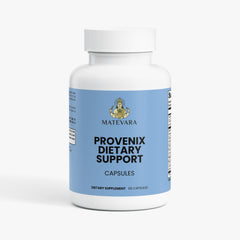
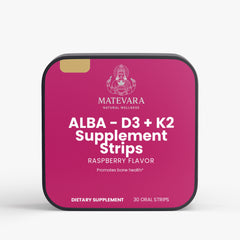
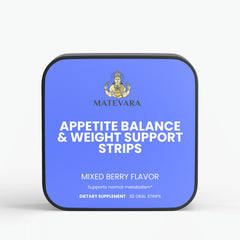

Feeling a little off-kilter, like your inner compass is spinning? It’s a feeling many of us know well. When you’re looking for a way to find your footing again, the idea of a good mood supplement can be appealing. The right one isn’t about chasing a fleeting high. It’s about supporting your body’s own systems to better handle daily stress and find a more stable, positive baseline.
The Search for Emotional Balance in a Hectic World

It’s no secret that our modern world asks a lot of us. Constant pressure can leave you feeling drained, frazzled, and fundamentally out of sync. This isn't just about having a bad day; it’s about the slow burn of chronic stress that can erode your resilience over time. The goal isn’t a life without challenges, but building a solid foundation for mental wellness that helps you navigate them.
This shared desire for emotional stability is creating a massive shift. This isn't just a market trend; it’s a cultural movement toward taking proactive control of our mental health, with a strong preference for natural, supportive options. If this topic resonates with you, you might find our guide on naturally supporting your emotional wellbeing helpful.
Understanding Your Inner Weather
Think of your mood as your own personal weather system. It’s a complex interplay of internal forces. Neurotransmitters like serotonin and dopamine are the sunshine and clear skies. Stress hormones like cortisol can feel like a storm cloud that just won’t pass.
When these systems are in harmony, you feel more centered and capable. You can handle life's inevitable ups and downs without getting knocked completely off course. The problem is, chronic stress disrupts this delicate balance. It locks your body into a constant state of high alert. Over time, this depletes the very resources you need to feel your best.
At Matevara, our philosophy is "Ancient Wisdom. Modern Science." We honor the time-tested power of botanicals like those used in Ayurveda. We also demand the rigorous validation of contemporary clinical research.
This dual perspective allows us to understand how these herbs work through an evidence-first lens. It’s the foundation for discovering how specific, targeted ingredients can become a reliable part of your daily routine. This article is designed to empower you with that knowledge. We'll explore the science behind key compounds that may support a healthy stress response and a more positive mood, giving you the tools to choose a supplement that truly aligns with your wellness goals.
How Supplements Can Support a Healthy Mood
Ever wonder how a good mood supplement actually works? It’s not vague wellness magic. It's a fascinating meeting point of biology and botany, where specific plant compounds interact with our brain's complex chemistry.
Think of your brain’s communication network—a system of chemical messengers called neurotransmitters—like a finely tuned orchestra. A well-formulated supplement can act like a skilled conductor, helping to ensure every instrument plays in harmony.
These supplements work through several key pathways. They might provide the raw building blocks for neurotransmitters. They might support your body's innate stress-management systems. Or they may help protect your brain from daily wear and tear. It’s a grounded, scientific way of understanding how ancient botanicals can have such a profound and positive influence on our modern lives.
The Three Pillars of Mood Support
To really grasp how supplements can help maintain a positive outlook, it's useful to break down their actions into three main areas. Each one plays a distinct yet interconnected role in fostering emotional balance and resilience.
-
Neurotransmitter Support: Neurotransmitters like serotonin and dopamine are the chemical bedrock of how you feel. They regulate everything from happiness and motivation to a sense of calm. Certain ingredients can provide the direct precursors your body needs to produce these vital messengers, supporting a more stable emotional state from the ground up.
-
Stress Resilience (Adaptogens): This is where a special class of botanicals called adaptogens shine. These unique plants and mushrooms help your body adapt to and resist physical, chemical, and biological stress. They work by modulating the body's central stress response system—the HPA axis (Hypothalamic-Pituitary-Adrenal axis). This helps you stay centered when life gets demanding.
-
Brain Protection (Nootropics): Often called "cognitive enhancers," nootropics are compounds that directly support brain health and function. They can improve mental clarity. Crucially, they may also protect brain cells from oxidative stress—a natural byproduct of cellular energy production. A healthy, protected brain is simply a more resilient and efficient one.
This multi-faceted approach isn't a niche concept anymore. The global market for mood and mental health dietary supplements is experiencing incredible growth, reflecting a wider understanding of the brain's needs. You can read more about the growing demand for mental health supplements and what's driving this shift.
Decoding Adaptogens and Nootropics
You’ll see the terms "adaptogen" and "nootropic" everywhere when exploring mood supplements. While their benefits can overlap, they have distinct primary functions. Knowing the difference empowers you to choose ingredients that best match your personal wellness goals.
Adaptogens are your body’s stress-management coaches. They don't just block stress. Instead, they help your body become more efficient at managing it. This helps prevent the hormonal spikes and crashes that leave you feeling exhausted, irritable, and wired. Think of them as helping to fine-tune your internal thermostat, keeping you from getting too "hot" (anxious) or too "cold" (fatigued).
An adaptogen helps your body return to a state of balance, or homeostasis. It increases resistance to stress without disrupting normal biological functions.
Nootropics, on the other hand, are like a tune-up for your cognitive engine. They work to support core processes like memory, focus, and mental clarity. Some nootropics, like creatine, help enhance energy production in brain cells. Others, like L-Theanine from green tea, promote a unique state of "calm alertness." By supporting the fundamental health of your brain, nootropics contribute to a more stable and positive mood.
By targeting these key areas—neurotransmitter balance, stress adaptation, and cognitive health—a well-designed supplement can offer a science-backed way to support your emotional wellbeing from the inside out. This gives us a solid foundation for understanding the specific ingredients we'll explore next.
Evidence-Based Ingredients for Mood Support
We’ve covered the "how"—the different avenues supplements can take to help balance your mood. Now, let’s get to the "what."
When you start looking at natural mood support, you’ll find a huge world of botanicals out there. But a few ingredients consistently rise to the top, backed by centuries of traditional use and a growing body of modern research. This is where the idea of "Ancient Wisdom, Modern Science" really comes alive. We’ll look at what ancient healing systems like Ayurveda knew intuitively, and then see how today’s clinical studies are starting to explain why.
The best formulas don’t just throw one ingredient at the problem. They combine botanicals that work together to support your mind from multiple angles, as this diagram shows.

A holistic approach means supporting your brain’s chemical messengers, building up your resilience to stress, and protecting your very cells from damage. It’s a three-pronged strategy for maintaining a steady, positive outlook.
Ashwagandha: The Adaptogen for Modern Stress
Ashwagandha (Withania somnifera) is one of the most celebrated herbs in Ayurveda. There, it's honored as a Rasayana—a powerful rejuvenator for promoting longevity and vitality. For thousands of years, practitioners have used it to help the body adapt to stress. Its name even translates to "smell of the horse," hinting at its ability to impart strength and stamina.
Modern science is now catching up to this ancient wisdom, zeroing in on ashwagandha’s incredible adaptogenic properties. The secret seems to lie in its ability to help modulate cortisol, the body's main stress hormone.
When you’re stuck in a state of chronic stress, your cortisol levels can get locked in the "on" position. This leaves you feeling wired but tired, frazzled, and emotionally drained. Evidence suggests ashwagandha may step in and help moderate that over-the-top response, guiding you back toward a feeling of calm and balance.
This isn’t just theory. A respected 2019 randomized, double-blind, placebo-controlled study found that adults who took a daily ashwagandha supplement for 60 days had significantly lower cortisol levels. More importantly, they reported feeling less stressed compared to those taking a placebo.
Most successful human studies use daily doses between 300mg and 600mg of a high-quality root extract.
Saffron: The Sunshine Spice for a Brighter Outlook
Saffron (Crocus sativus) is far more than just a prized cooking spice. It has a rich history in traditional Persian medicine as a way to lift the spirits. Ancient texts specifically describe its use to combat melancholy, and today, it’s grabbing major attention from researchers for its mood-supporting potential.
Those brilliant red threads are packed with powerful antioxidants, especially crocin and safranal. Scientists believe these are the compounds responsible for saffron's benefits.
So how does it work? Research suggests saffron may help support a positive mood by influencing neurotransmitter levels, particularly serotonin. It also seems to offer a protective antioxidant shield for the brain.
- Clinical Evidence: A major meta-analysis that pooled the results of multiple studies found that saffron supplementation was significantly more effective than a placebo at improving symptoms of low mood.
- Effective Dosage: The sweet spot in most studies showing these positive results is a standardized dose of 30mg of saffron extract per day.
This body of evidence makes saffron a key ingredient in any formula designed to promote a brighter, more positive daily experience.
L-Theanine: The Secret to Calm, Clear Focus
L-Theanine isn't a traditional Ayurvedic herb. It’s an amino acid found almost exclusively in tea leaves (Camellia sinensis). It’s the very reason why monks have historically used green tea to stay focused and serene during long hours of meditation.
What makes L-Theanine so special is that it promotes relaxation without causing drowsiness. It appears to work by boosting alpha brain wave activity, which is the brain state associated with "wakeful relaxation." Think of the focused calm you feel when you’re completely absorbed in a creative project—that's the alpha state in action.
It also seems to have a positive influence on key neurotransmitters like GABA, serotonin, and dopamine. This combination of effects makes it a fantastic tool for taking the edge off everyday stress while keeping your mind sharp.
Many people find L-Theanine is perfect for counteracting the jitters from caffeine, smoothing out the energy boost while preserving mental clarity. Research shows that doses between 100mg and 200mg are effective for promoting this state of calm alertness. If you’re curious about other ways to support your neurotransmitter system, our guide on the benefits of 5-HTP for mood dives deeper into that specific pathway.
Key Mood-Supporting Ingredients at a Glance
This table gives you a quick snapshot of these top-tier botanicals. Each has a unique history and a specific area where modern science shows it shines.
| Ingredient | Primary Benefit | Traditional Use | Modern Research Focus |
|---|---|---|---|
| Ashwagandha | Stress Resilience | Rasayana (rejuvenator), vitality enhancer | Cortisol modulation, HPA axis support |
| Saffron | Mood Balance | Uplifting the spirits, reducing melancholy | Serotonin system support, antioxidant effects |
| L-Theanine | Calm Alertness | N/A (found in tea, valued by monks) | Increasing alpha brain waves, GABA support |
Understanding what makes each of these ingredients unique is the key to choosing the right support for your goals. Are you mainly trying to build a better defense against daily stress, or is your goal to find a brighter, more even-keeled mood? Knowing the difference empowers you to find a formula that truly fits your needs. As always, it's a great idea to chat with your healthcare provider before adding any new supplement to your routine.
Choosing a High-Quality Good Mood Supplement
Walking into the supplement aisle can feel like stepping into a jungle of brightly colored bottles, each shouting promises from its label. It’s overwhelming. But finding a good mood supplement that actually works isn't about guesswork; it's about knowing what to look for.
The real story isn't on the front of the bottle—it's in the fine print on the back. Learning to read that label is your single most powerful tool. Your goal is to find a formula that’s pure, potent, and completely transparent, from a brand confident enough to prove it.
Your Quality Checklist
Think of this as your practical, no-nonsense checklist for your next purchase. These are the non-negotiables that separate a truly premium product from the rest.
-
Third-Party Testing: This is the absolute gold standard for trust. The FDA doesn't approve dietary supplements for effectiveness before they hit shelves, so independent verification is everything. Look for seals from trusted organizations like NSF, USP, or reports from credible third-party labs that test for purity (to ensure it's free of heavy metals or microbes) and potency (to confirm you're getting what the label claims).
-
Clean Labels with No Fillers: Flip the bottle over and find the "Other Ingredients" section. This is where companies may hide junk. A high-quality formula avoids unnecessary fillers, binders, artificial colors, and common allergens. A short, clean list here means you’re paying for the active ingredients you want, not cheap additives.
-
Clinically Relevant Dosages: An ingredient is only as good as its dose. A trustworthy brand will base its formula on the amounts used in successful human clinical trials. For example, if studies show that 30mg of saffron extract is the dose that supports mood, a product with only 5mg is just "ingredient dressing" and is unlikely to deliver the same results.
Focusing on these three pillars—testing, clean labels, and proper dosing—is how you make an informed choice. For a deeper look at what these certifications really mean, you can explore our guide on product certifications and registrations.
Why Standardized and Trademarked Extracts Matter
To take your quality check one step further, there are two terms you should actively look for: "standardized extract" and "trademarked ingredient." Seeing these on a label is a powerful signal of quality and consistency.
A standardized extract is a guarantee. It ensures that every single batch of an ingredient contains a specific, consistent concentration of its main active compounds. For an herb like Ashwagandha, this means guaranteeing a certain percentage of withanolides—the compounds that do the heavy lifting. This is crucial because it means you get a reliable, effective dose every time.
Trademarked ingredients, like KSM-66® Ashwagandha, take that guarantee to the next level. These are the exact, specific extracts that were actually used in clinical research. When you see that trademarked name, you know the brand is using the precise form and quality of the ingredient that was proven to work in scientific studies.
Education in Action: If you're looking for a high-quality ashwagandha supplement to support your body's stress response, Matevara's Calm & Clarity uses the renowned KSM-66® Ashwagandha, a clinically studied extract, at a 600mg dose that aligns with the amounts shown to be effective in human trials.
This level of detail is what separates an evidence-based mood supplement from one that just looks good on the shelf. The supplement market is booming, and savvy consumers are demanding real quality. By looking for these specific markers, you can confidently choose a product that honors both ancient plant wisdom and modern scientific rigor.
Integrating Mood Support into Your Daily Routine

So, you've done the research and understand the science behind a good mood supplement. That's the first hurdle. The next, and arguably most important, step is weaving it into the fabric of your daily life. Consistency is what turns a bottle on your shelf into a genuine pillar of your wellness practice.
Think of it like tending to a garden; a splash of water here and there won't cut it. It’s the daily attention that allows the roots to grow deep and produce real results. The goal is to build a sustainable ritual that feels natural and supportive, not like another chore on your to-do list.
Building Your Wellness Ritual
Forging a lasting habit often comes down to a few simple, practical tricks. One of the most powerful strategies is a technique called habit stacking. You anchor your new supplement habit to something you already do every single day without thinking.
For example, is your morning coffee a non-negotiable? Perfect. Place your supplement bottle right next to your coffee machine. Taking it suddenly becomes a seamless part of a habit that’s already set in stone.
Here are a few other ideas to get you started:
- Take your supplement immediately after brushing your teeth.
- Keep the bottle with your other daily vitamins or medications.
- Set a recurring alarm on your phone for the same time each day.
The secret is to remove any friction. Making consistency feel effortless can be as simple as changing where you store the bottle or setting a daily reminder. It's these small tweaks that make the difference between sporadic use and a powerful ritual that supports you long-term.
Timing for Optimal Support
While consistency is king, when you take certain ingredients can help fine-tune their effects. Some compounds are designed to work with your body's natural get-up-and-go rhythm, while others are better suited for helping you unwind.
-
For Energizing or Focusing Support: Ingredients like adaptogens that help your body manage stress, such as Ashwagandha, are typically best taken in the morning. This sets up your mind and body to better handle the demands of the day ahead.
-
For Calming and Restorative Support: Ingredients that promote a sense of calm without making you drowsy, like L-Theanine, are versatile. They can be taken any time of day but are especially helpful during moments of high stress or to ease the transition into a relaxing evening.
A supplement is just one tool in your wellness toolkit. It works best when it complements a holistic lifestyle that prioritizes balanced nutrition, regular movement, and restorative sleep. These elements work together, creating a foundation upon which a good mood supplement can build.
By creating a simple routine and understanding the best times to take your supplements, you’re setting yourself up for success. For a more detailed breakdown, you might find Matevara's guide on the best time to take supplements helpful in customizing your own schedule.
Remember, this isn't about finding a quick fix. It's about building a supportive, consistent practice that empowers you to feel your best, day in and day out.
Important Safety Considerations Before Starting
Taking a proactive step to support your mood is fantastic, but your safety must always come first. Before you add any new supplement to your daily routine, the most important step is to have a conversation with your healthcare professional. Think of this as the foundation for making smart, responsible decisions for your health.
This professional gut-check is absolutely critical if you fall into certain groups. Your doctor is the only one who can give you personalized advice based on your unique health profile, making sure a new supplement is a genuinely safe choice for you.
When to Be Extra Cautious
Certain life stages and health conditions demand a much more careful approach. Always speak with your physician before starting a new supplement if you:
- Are pregnant, planning to become pregnant, or nursing.
- Have a pre-existing medical condition, such as liver, kidney, or heart issues.
- Are currently taking any prescription medications.
Botanical ingredients, even though they're natural, are biologically active and can interact with other substances. For example, some herbs that help with mood may influence the very same brain pathways as prescription antidepressants, creating a real risk for interactions. Only a healthcare provider who knows your full medical history can help you navigate these potential issues safely.
If you are expecting or nursing, you can find more specific guidance in our article on pregnancy and nursing supplement safety.
Our Commitment to Transparency
At Matevara, we are dedicated to giving you educational, evidence-first content to support your wellness journey. That said, it's crucial to understand how supplements fit into the regulated health world.
These statements have not been evaluated by the Food and Drug Administration. This product is not intended to diagnose, treat, cure, or prevent any disease.
You'll find this FDA-required disclaimer on every reputable supplement, and it's there for a good reason. Supplements are designed to support the body's normal structure and function—like supporting a healthy stress response—not to treat a clinical condition like an anxiety disorder.
Never replace any prescribed medication with a supplement without the direct guidance and supervision of your doctor. By being transparent and putting safety first, we empower you to build a wellness routine that is both effective and responsible.
Frequently Asked Questions
When you start exploring natural ways to support your mood, a lot of questions can pop up. It’s a journey, and getting clear, honest answers is the first step toward making choices that feel right for you. Here are our answers to the questions we hear most often about finding your balance with mood supplements.
How Long Until a Mood Supplement Actually Works?
This is probably the most common question, and it’s an important one. Unlike some pharmaceuticals that can have a more immediate chemical effect, botanical supplements work with your body, not on it. Their benefits are cumulative, building up in your system over time.
Think of it less like flipping a light switch and more like watering a plant. Consistent, daily use is what allows the roots to take hold. While some people might feel subtle, positive shifts sooner, it generally takes about four to eight weeks to notice a real, stable difference as your body adapts and responds to the ingredients. Patience and consistency are your best friends here.
Can I Mix and Match Different Mood Supplements?
It’s tempting to think that if one supplement is good, two or three must be better. While this enthusiasm is great, you need to be thoughtful here. Just because an ingredient is "natural" doesn't mean it isn't powerful. These are biologically active compounds, and they can interact with each other in unexpected ways.
Always chat with your healthcare provider before you start combining multiple mood-supporting supplements. They can help you navigate any potential interactions and build a routine that’s safe and effective for you, preventing you from accidentally overdoing it or creating unwanted side effects.
Are Natural Mood Supplements Safe to Take Long-Term?
The long-term safety of any supplement comes down to three things: the specific ingredient, the quality of the product, and your unique health profile. Many adaptogens, like Ashwagandha, have been used for centuries as daily tonics and are generally considered safe for ongoing use by most healthy adults.
This is where quality becomes non-negotiable. It’s why you should always choose products from reputable brands that use third-party testing to verify purity and potency. Your doctor or a qualified practitioner is the best person to advise on whether a specific supplement fits into your long-term wellness plan.
What’s the Difference Between a Mood Supplement and an Antidepressant?
This is a critical distinction, and it’s vital to be clear. A good mood supplement is designed to support your overall emotional wellbeing and help your body build resilience to everyday stress. An antidepressant is a prescription medication intended to treat a diagnosed clinical condition, like major depressive disorder or an anxiety disorder.
Think of it this way: supplements support your body's existing systems, helping them function optimally. Medications, prescribed by a doctor, are used to treat a specific illness. You should never replace a prescribed medication with a supplement or stop taking your medication without your doctor's direct guidance.
At Matevara, our goal is to create formulas that are both deeply rooted in Ayurvedic tradition and validated by modern science. We design our products to be a gentle, effective part of your daily ritual for wellbeing. Learn more about our approach to wellbeing at Matevara.