
You eat reasonably well. You try to sleep enough. You may even take a multivitamin. Still, something feels off.
Maybe you feel tired in the afternoon in a way that coffee does not touch. Maybe your legs feel heavy on stairs. Maybe your skin, nails, mood, or focus seem different, but not dramatically different. These small shifts often get brushed aside because they do not look like a clear illness. Yet they can be your body’s first request for better nourishment.
That is why learning vitamins and minerals deficiency symptoms matters. Your body rarely sends one loud alarm at the start. It usually whispers first.
Ayurveda has long taught that health begins with awareness. When your agni, or digestive fire, weakens, your tissues may not receive full nourishment. Modern nutrition uses different language, but the message overlaps. If you do not absorb, transport, or use nutrients well, your body starts compensating. Those compensations show up as symptoms.
This is not about self-diagnosing from a single sign. It is about learning your body’s patterns so you can ask better questions, eat more strategically, and seek testing when needed.
Are You Listening to What Your Body Is Telling You?
A common story goes like this. You wake up tired, push through the day, and assume stress is the only reason. Then other small things join in. Your muscles ache after light activity. Your concentration slips. You feel colder than usual. You start thinking, “Maybe this is just aging,” or “Maybe I need to sleep more.”
Sometimes that is true. Sometimes it is not.
Your body speaks in clusters, not in perfect labels. Fatigue plus pale skin suggests something different from fatigue plus tingling in your feet. Bone discomfort points in a different direction than cravings for ice. These details matter.
Ayurveda would call this the art of noticing your vikriti, your current imbalance. Before a problem grows obvious, your appetite, energy, mood, bowel habits, and sleep often shift first. Modern medicine agrees more than many people realize. Nutrient shortfalls can build slowly.
The signs people often dismiss
Many people ignore symptoms because they seem too ordinary:
- Ongoing fatigue that does not match your routine
- Low mood or brain fog that feels hard to explain
- Muscle weakness or body aches after normal daily activity
- Changes in nails, skin, or hair that seem cosmetic at first
- Cravings or appetite shifts that feel random
If you have wondered whether these patterns deserve a closer look, a practical resource on how to check vitamin deficiency can help you understand what signs to track before speaking with a clinician.
Sometimes body pain sits in the background too. If that sounds familiar, this guide on muscle pain causes and solutions adds useful context because nutrient issues and muscle discomfort can overlap.
Key takeaway: A symptom does not have to be dramatic to be meaningful. Repeated, subtle changes often deserve more attention than one intense but isolated bad day.
Why self-awareness matters
Think of nutrients as the small tools your body uses to run bigger systems. You may have enough calories and still lack key building blocks. That gap can affect oxygen delivery, nerve signaling, bone strength, immune function, and energy production.
In Ayurvedic terms, food is only the first step. True nourishment depends on digestion, absorption, and tissue feeding. In modern terms, you do not benefit fully from what you eat unless your body can break it down and use it.
That is why “I eat healthy” and “I feel well nourished” are not always the same thing.
Decoding Your Body's Early Warning Signs
You finish dinner, yet an hour later something still feels off. You are not exactly hungry, but you are not satisfied either. Or you notice an odd pattern. A strong pull toward ice, salty foods, or sweets keeps showing up, even when your meals seem balanced.
Early deficiency signs often look like this. They can be quiet, mixed, and easy to dismiss because they do not match the dramatic symptoms people expect. Instead of obvious illness, the body sends softer messages about supply problems, poor absorption, or trouble using nutrients once they arrive.
Modern nutrition often describes this as hidden hunger. The body has enough calories, but it does not have enough of the small helpers that keep larger systems running well. Vitamins often act like instructions or ignition keys for body processes. Minerals often work more like raw materials and electrical messengers. That difference matters, because the symptoms can overlap while still pointing in slightly different directions.
When cravings deserve a closer look
A craving does not automatically mean deficiency. Stress, habit, poor sleep, medication changes, and blood sugar swings can all shape appetite. Still, some cravings are more revealing than others.
The clearest example is pica, especially craving ice, clay, or dirt. Ice craving is a well-known clue that can appear with iron deficiency. Other patterns are subtler. A person may eat regularly but keep searching the kitchen afterward, as if the meal never fully “landed.” In some cases, the issue is not intake. It is absorption, transport, or cellular use.
Ayurveda helps make sense of that gap. Food enters the body first, but nourishment reaches tissues only after digestion and transformation happen properly. If agni is sluggish or irregular, and if dhatu agni at the tissue level is not working smoothly, the body may receive food without receiving full nourishment. In modern terms, that is similar to eating enough on paper while still falling short in what your cells can use.
Clues that appear before classic deficiency symptoms
Before blood counts change or more obvious signs show up, people often notice a pattern like this:
- Feeling full but not adequately nourished after meals
- Cravings for non-food items or repeated ice chewing
- Energy dropping after eating, especially when meals should have helped
- Lower stress tolerance or exercise recovery
- Mild tingling, twitching, or unusual sensitivity to cold
- A flat, irritable, or unsettled mood that is hard to explain
These signs are easy to confuse because vitamins and minerals affect the body in different ways. A vitamin shortfall may disrupt energy release, nerve function, or red blood cell formation. A mineral shortfall may show up more in muscle contraction, hydration, heartbeat rhythm, or oxygen transport. If you have ever wondered why fatigue, cramps, brain fog, and cravings can blur together, that is the reason.
A practical comparison can help. Vitamin problems often act like missing software instructions. Mineral problems often act like missing hardware parts. Both interfere with the same machine, but they do it differently. If you want a clearer picture of how overlapping symptoms can happen when nutrients work together, this guide to how B12 and D3 affect energy, mood, and nerve function offers a useful example.
How to observe patterns without spiraling
You do not need to diagnose yourself. You do need better pattern recognition.
Track symptoms for two weeks and keep the notes simple:
- Record energy levels in the morning, mid-afternoon, and evening.
- Write down cravings and note whether the same ones repeat.
- Notice meal response by asking, “Did I feel steady, satisfied, and clear-headed afterward?”
- Log body signals such as tingling, cramps, cold hands or feet, dizziness, or bone discomfort.
- Mark timing around stress, sleep, menstruation, exercise, and digestion.
That timing matters. A symptom that appears once may mean very little. A symptom that repeats after meals, during your cycle, or after exercise gives a much stronger clue.
Tip: Your body often shows a pattern before it shows a diagnosis.
This kind of observation fits both modern clinical thinking and Ayurveda. It respects the difference between a passing fluctuation and a meaningful trend. It also helps you notice a common but overlooked truth. Sometimes the first warning sign is not “something is wrong.” It is “something is not being processed well.”
That in-between state matters.
Common Vitamin Deficiency Symptom Profiles
Vitamin deficiencies often announce themselves in patterns, not in a single dramatic symptom. One person feels unusually low and achy for months. Another notices tingling in the feet, then forgetfulness, then fatigue that does not improve with rest. These are different messages from the body, and they usually point to different jobs that vitamins handle inside it.
Ayurveda offers a useful lens here. If dhatu agni, the tissue-level metabolic “fire,” is weak, food may be eaten but not fully transformed into nourishment. Modern nutrition describes the same problem in different language. Intake, absorption, transport, and use can all break down. That is why a deficiency is not always about what is on your plate. Sometimes it is about what your body can process and deliver.
Vitamin D and the bone-muscle-mood pattern
Vitamin D deficiency can be easy to miss because its early signs are broad and often blamed on stress, age, or poor sleep. A person may feel physically drained, notice more body aches, or feel weaker during ordinary movement such as climbing stairs or getting up from the floor.
Vitamin D helps the gut absorb calcium and supports normal bone remodeling, muscle function, and immune signaling. If levels stay low, the body has a harder time maintaining strong, well-mineralized bone. In Ayurvedic terms, this can resemble poor nourishment of deeper tissues, where the structure is present but not being well sustained.
Common clues include:
- Persistent fatigue
- Bone tenderness or back discomfort
- Muscle weakness
- Low or flat mood
- Greater risk of stress fractures over time
If you want a practical explanation of how these symptoms can overlap with another common deficiency, this guide on how B12 and D3 affect energy, mood, and nerve function can help clarify the differences.
Vitamin B12 and the nerve-blood pattern
Vitamin B12 deficiency usually develops gradually. That slow pace is part of what makes it confusing.
B12 helps build healthy red blood cells and maintain the protective covering around nerves. When it runs low, oxygen delivery can drop and nerve signaling can become less reliable. That combination creates a symptom profile that often feels mixed. Tired, foggy, a little unsteady, and oddly tingly.
The pattern often includes:
- Fatigue and weakness
- Shortness of breath with activity
- Tingling or numbness in the hands and feet
- Balance problems
- Memory changes or brain fog
- Paler skin
This profile deserves attention because nerve-related symptoms can be brushed off as circulation problems, stress, or “just getting older.” If low energy appears alongside numbness, pins-and-needles, or unsteady walking, B12 belongs high on the list of possibilities to discuss with a clinician.
Vitamin A and the vision-tissue pattern
Vitamin A deficiency is less commonly discussed in everyday wellness conversations, yet its symptom pattern is fairly distinctive. It often shows up where the body depends on healthy surface tissues and light sensing.
Vitamin A supports the retina, the lining of the eyes, and the integrity of skin and mucous membranes. A simple way to understand it is this. Tissues that need to stay moist, resilient, and responsive start struggling when vitamin A is too low.
Possible signs include:
- Poor night vision
- Dry eyes
- Dry or rough skin
- Frequent difficulty with tissue repair
If night driving becomes harder or your eyes feel chronically dry along with skin changes, that combination is more informative than either symptom alone.
Vitamin C and the gum-skin-bruise pattern
Vitamin C supports collagen production. Collagen gives structure to skin, gums, blood vessels, and connective tissue, much like the woven threads that keep fabric from fraying.
When vitamin C intake stays too low, those tissues become easier to damage and slower to repair. The result is a pattern many people overlook because each sign seems minor on its own.
Watch for:
- Easy bruising
- Bleeding gums
- Slow wound healing
- Ongoing tiredness
- Tender skin or gums
A little gum bleeding after aggressive brushing is not the same as recurring gum tenderness plus bruising plus delayed healing. The cluster is what matters.
Quick Guide to Common Vitamin Deficiencies
| Vitamin | Key Deficiency Symptoms | Excellent Dietary Sources |
|---|---|---|
| Vitamin D | Fatigue, bone pain, muscle weakness, low mood | Fatty fish, fortified foods, egg yolks |
| Vitamin B12 | Fatigue, tingling, numbness, balance problems, memory changes | Meat, fish, eggs, dairy, fortified foods |
| Vitamin A | Poor night vision, dry eyes, rough skin | Liver, eggs, dairy, orange vegetables, leafy greens |
| Vitamin C | Easy bruising, bleeding gums, slow wound healing | Citrus, berries, bell peppers, broccoli |
How to use this information wisely
Symptom clusters are more helpful than isolated complaints.
Fatigue with bone pain suggests a different process than fatigue with numbness. Bruising with bleeding gums points in a different direction than dry eyes with worsening night vision. Vitamins often reveal themselves by the body system they disturb most, such as nerves, bones, blood, skin, or vision.
Ayurveda and modern nutrition agree on one useful principle here. Patterns matter. When the same body system keeps asking for help, it is worth looking more closely at what is missing, what is not being absorbed well, and what is no longer being converted into usable nourishment.
Key Mineral Deficiency Symptoms to Know
You get through the day, but something feels off in a different way than a typical vitamin shortfall. Climbing stairs leaves you winded. A small cut seems slow to close. Your calves cramp at night. Food tastes flatter than usual. These are the kinds of signals minerals often send.
Minerals are the body’s working parts. Vitamins often help start reactions, while minerals often help carry, contract, signal, and build. In Ayurvedic language, this is close to a disturbance in how nourishment is transformed and delivered through the tissues. If dhatu agni is weak, food may be eaten but not fully turned into usable strength. Modern nutrition describes the same problem through low intake, poor absorption, higher losses, or increased need.
Iron and the low-oxygen pattern
Iron deficiency has a distinct feel because iron helps build hemoglobin, the part of red blood cells that carries oxygen. When iron runs low, the body is still running, but with less fuel reaching each tissue. That is why the symptoms can feel so widespread.
Common clues include:
- Deep fatigue
- Pale skin
- Rapid heartbeat
- Shortness of breath with activity
- Cold hands and feet
- Pica, especially craving ice
- Spoon-shaped nails, called koilonychia
This pattern is less about vague tiredness and more about poor delivery. Your muscles, brain, and skin are all asking for oxygen at the same time. If you want a closer look at female-specific iron needs, this guide to benefits of iron supplements for women explains the issue in more detail.
Zinc and the repair-taste-skin pattern
Zinc deficiency is easy to miss because it often shows up in places people do not connect right away. Taste changes. Wounds linger. Skin becomes irritated. Hair may shed more than expected.
The pattern often includes:
- Reduced sense of taste or smell
- Slow wound healing
- Hair shedding
- Skin irritation or rash
- Changes in nail texture
Zinc helps with repair, immune function, and cell turnover. If iron is part of the body’s delivery system, zinc is part of the repair crew. Ayurveda would frame this as tissue renewal losing efficiency. The body is trying to rebuild, but the rebuilding process is sluggish.
Magnesium and the overfired nerve-muscle pattern
Magnesium often shows itself through tension. Muscles tighten too easily. Nerves seem more reactive. Sleep may feel lighter and less refreshing.
You might notice:
- Muscle cramps
- Muscle twitching
- Restlessness
- Feeling unusually tense
- Weak or easily splitting nails
This is one of the clearer places where an Ayurvedic lens can help. Many people with low magnesium describe a dry, wired, unsettled state that resembles aggravated vata. Modern physiology explains it through changes in nerve signaling and muscle contraction. Different language, similar lived experience.
Copper and the overlooked mimic pattern
Copper deficiency is less common, but it can be confusing because it imitates other problems instead of announcing itself clearly.
Possible signs include:
- Fatigue
- Brittle or fragile bones
- Changes in hair color
- Low mood
- Feeling weak or depleted
Copper helps with iron use, connective tissue, and nervous system health. So a copper problem can look like an iron problem at first glance, but the story underneath is different.
A practical way to read mineral signals
Mineral deficiencies often create symptoms tied to function.
Iron affects oxygen transport. Zinc affects repair and taste. Magnesium affects muscle and nerve calm. Copper affects connective tissue, pigment, and iron use.
That is why mineral deficiencies can feel more mechanical than vitamin deficiencies. The body is still speaking through fatigue, skin, hair, nails, and mood, but the finer detail matters. Altered taste is a different clue from numbness. Spoon-shaped nails point in a different direction than bleeding gums. Hair color changes raise a different question than poor night vision.
Seen through both modern nutrition and Ayurveda, the goal is the same. Notice the pattern early, understand which tissue processes are struggling, and restore the missing support before a mild imbalance becomes a bigger one.
How to Distinguish Between Nutrient Deficiencies

You notice you are tired, your nails seem weaker, and your legs cramp at night. A friend says iron. Another says magnesium. An online post mentions B12. People often get stuck at this point, not because the body is silent, but because several deficiencies borrow the same broad signals.
The clearest way to sort them is to study the pattern, not just the symptom. A vitamin lack often shows up in regulation, repair, mood, nerves, or immunity. A mineral lack more often affects structure, oxygen transport, muscle contraction, fluid balance, or enzyme activity. There is overlap, of course, but the body usually leaves a few sharper clues.
Look for the signature clue
Some signs are general. Others point more strongly in one direction.
For example:
- Spoon-shaped nails fit iron deficiency more than most other nutrient gaps.
- Tingling, numbness, or balance changes raise more suspicion for vitamin B12.
- Bone discomfort with muscle weakness suggests a different process than a primarily nerve-based problem and can fit vitamin D more closely.
- Distorted taste with slow wound healing leans toward zinc.
- Cramps, eyelid twitching, or a “can’t fully relax” feeling in the muscles can fit magnesium.
- Hair color changes along with fatigue may point toward copper.
Ayurveda would describe this as noticing the quality of the imbalance. Is the signal more about depletion, poor tissue building, dryness, instability, weak nerve conduction, or poor nourishment reaching the deeper layers? In modern terms, that overlaps with the question of which tissue system is struggling and which nutrient jobs are falling behind. Dhatu agni, the metabolic “fire” that helps nourish each tissue layer, offers a helpful lens here. If nourishment is not being transformed well, symptoms can look mixed or subtle before a lab value becomes clearly abnormal.
Compare clusters, not isolated symptoms
One symptom rarely tells the full story. Clusters are more useful, much like recognizing a song from several notes instead of one.
| Symptom cluster | More likely direction |
|---|---|
| Fatigue, pale skin, shortness of breath | Iron |
| Fatigue, tingling, memory changes, balance issues | Vitamin B12 |
| Bone discomfort, low mood, muscle weakness | Vitamin D |
| Hair shedding, nail ridges, taste changes, slower healing | Zinc |
| Muscle cramps, twitching, tension, trouble relaxing | Magnesium |
This kind of comparison is also a practical way to separate vitamin and mineral patterns. Vitamins often affect how the body manages and communicates. Minerals often affect how the body builds, carries, contracts, and stabilizes. That is not a strict rule, but it helps reduce confusion.
If B12 is one of the possibilities you are sorting through, this guide to top vitamin B12 foods and why plant sources are not enough can help you connect symptoms with food intake.
What testing usually looks like
Symptom patterns can guide your questions, but they cannot confirm the cause. A clinician usually pairs your history with lab work, and the test depends on the pattern they hear.
Common examples include:
- Serum ferritin for suspected iron deficiency
- Serum B12 when nerve symptoms or macrocytic anemia are concerns
- 25-hydroxy vitamin D when vitamin D deficiency is suspected
- Other labs based on diet, digestion, medications, menstrual losses, pregnancy, and medical history
The timeline matters too. A slow shift after years of low animal-food intake suggests something different from a rapid change after vomiting, diarrhea, a new medication, or heavy blood loss. In Ayurvedic language, this helps clarify whether the imbalance began with intake, digestion, absorption, or tissue nourishment.
You can also use an organized symptom and diet review tool such as the AI Micronutrient Gap Analyzer to prepare for that conversation and notice patterns you may have missed.
An Ayurvedic lens on differentiation
Ayurveda asks you to observe qualities with care. Is the body giving signals of dryness, heaviness, fragility, numbness, restlessness, poor stamina, or weak recovery? That kind of observation is not vague. It often helps you describe the difference between, for example, a deep ache in the bones, a fluttery muscle twitch, and a pins-and-needles nerve sensation. Those are three different body messages.
Take this to your appointment: Write down your top three symptoms, when they began, whether they came on gradually or suddenly, and what changes them. That simple record often leads to a clearer, faster conversation than saying, “I just feel off.”
A Food-First Approach to Restoring Balance
Once you suspect a nutrient gap, food is the most sustainable place to start. Supplements can help in some situations, but your daily plate shapes the foundation. It supplies not just isolated nutrients, but the proteins, fats, fibers, and supportive compounds that help your body use them.
Ayurveda calls this ahara, nourishment through food. It does not focus only on what you eat. It also cares about how digestible, balanced, and appropriate that food is for your current state. Modern nutrition makes a similar point through absorption and bioavailability. A nutrient on paper only helps if your body can access it.
Build meals around pairings, not just ingredients
A smart meal is more than a list of healthy foods.
Try pairings like these:
- Iron-rich lentils with vitamin C-rich vegetables such as bell peppers or citrus. This can enhance non-heme iron absorption.
- Fat-soluble vitamins with healthy fats such as greens with olive oil, avocado, seeds, or nuts.
- Protein plus color plus healthy fat to improve satisfaction and reduce the feeling that you ate but did not replenish.
- Fortified foods where needed, especially for nutrients that may be harder to get consistently from plant-based diets.
If you eat mostly plant-based, this guide to top vitamin B12 foods and why plant sources are not enough is worth reading because B12 deserves special attention in that pattern.
Support digestion so nutrients land
Some people focus so much on intake that they forget absorption. If meals regularly leave you bloated, sluggish, or oddly unsatisfied, your digestive process may need attention.
Simple ways to support it include:
- Eat regular meals instead of constant grazing if grazing leaves you feeling more scattered than nourished.
- Choose foods you digest well rather than forcing “healthy” foods that upset your stomach.
- Use gentle cooking methods when raw foods feel hard on your system.
- Slow down while eating so your body can shift into digestive mode.
Ayurveda would say this strengthens agni. Modern language would say it supports digestive efficiency.
Use tools as prompts, not verdicts
If you want a structured way to think about recurring gaps in your diet, tools can help. A resource like BiteKit’s AI Micronutrient Gap Analyzer can give you ideas about patterns your meals may be missing. It should not replace testing or medical advice, but it can make food journaling more concrete.
A practical plate for daily nourishment
Instead of chasing perfection, think in repeatable habits.
A nourishing day might include:
- A protein-centered breakfast that keeps energy steadier
- Leafy greens or colorful vegetables at lunch and dinner
- Mineral-rich foods like legumes, seeds, nuts, whole grains, or animal proteins depending on your diet
- Fortified foods where appropriate
- Hydration and enough total food, because under-eating can mimic deficiency symptoms
Food-first does not mean food-only. It means you start with the foundation that supports long-term balance, then use testing and targeted support when needed.
Why this approach works better long term
Quick fixes often fail because they focus on one pill and ignore the pattern that created the gap. Food-first routines do more. They support energy, digestion, blood sugar steadiness, and repeatable nourishment.
Ayurveda and modern science meet beautifully here. Both ask whether your body is being fed, not just filled.
Using Supplements Safely and When to See a Doctor
You start a supplement because fatigue, tingling, or hair shedding has been bothering you for weeks. The bottle looks reassuring, the dose looks generous, and it feels like action. But supplements work best when they match the actual gap. A body low in iron needs a different plan from a body struggling to absorb B12, and Ayurveda would frame that difference as more than a missing nutrient. It may also reflect weak dhatu agni, meaning the tissues are not processing nourishment efficiently even when food or pills are present.
That is why supplements are most useful when they are chosen with a clear reason. Sometimes the reason is a confirmed deficiency. Sometimes it is a predictable gap from diet, age, medication use, pregnancy, or digestive issues. The goal is not to collect more capsules. The goal is to restore balance with the right tool.
What to look for on a supplement label
A label gives clues about whether a product fits your needs or only sounds impressive.
- Check the form. Magnesium citrate, glycinate, and oxide do not behave the same way. The same is true for B12, iron, and other nutrients.
- Check the dose. A very high number is not automatically better. Some nutrients can build up. Others can irritate the stomach or interfere with medicines.
- Look for third-party testing. This helps confirm the product contains what the label says.
- Read the serving size carefully. One capsule may be half a serving, or two gummies may be one dose.
- Review allergens, sweeteners, and fillers if you are sensitive to additives.
If dosage language feels unclear, this guide on what mcg means in vitamins makes supplement labels easier to read.
B12 shows why self-diagnosis can go wrong
B12 deficiency is a good example because the symptom pattern can be confusing. A person may feel tired and assume they need iron. Another may notice numb feet, brain fog, or poor balance and blame stress or aging. B12 can affect red blood cell production and the nervous system, so the signs may show up in different places.
Absorption matters too. Some people do not become low in B12 because they eat poorly. They become low because the stomach is not releasing or absorbing it well, which becomes more common with age and with certain digestive conditions or medications. In Ayurvedic language, you could say nourishment is arriving, but the body is not transforming it well at the tissue level.
That is why high-dose self-treatment is not always a simple fix. Some people need follow-up testing, a different supplement form, or a clinician-guided plan that may include oral supplements or injections.
Signs that call for medical care
Some symptoms should not wait for trial and error with a new bottle.
Speak with a healthcare professional promptly if you have:
- Shortness of breath
- Chest pain
- Fainting
- New confusion or major memory changes
- Vision changes
- Significant numbness, weakness, or trouble with balance
- Symptoms that continue to worsen despite diet changes or supplements
These symptoms can point to a deficiency, but they can also signal anemia, thyroid disease, nerve problems, medication effects, or other conditions that need proper evaluation.
It is also wise to talk with a clinician before starting supplements if you are pregnant, managing a chronic condition, taking prescription medications, or living with a digestive disorder that affects absorption.
Choose supplements the way you would choose treatment for a recurring leak in your home. The right repair depends on where the problem starts. A capsule can help, but only if it matches the cause.
These statements have not been evaluated by the Food and Drug Administration. This product is not intended to diagnose, treat, cure, or prevent any disease.
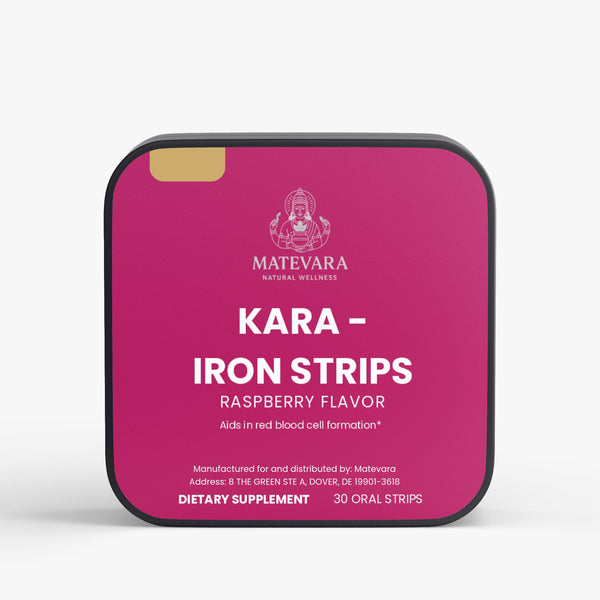
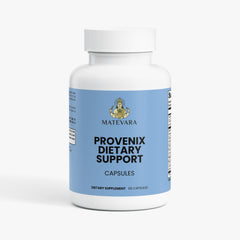
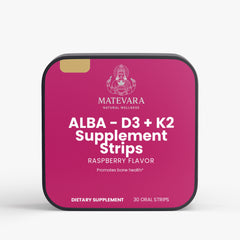
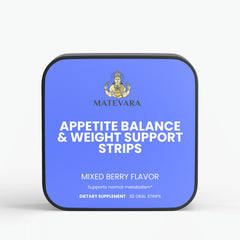
If you want to build a more thoughtful wellness routine, Matevara offers Ayurvedic-inspired, third-party-tested supplements designed for daily use. The approach reflects the balance many readers want. Ancient wisdom, modern science, and practical support for steady nourishment. Always consult a qualified healthcare professional before starting any new supplement routine.