


Some mornings, you do all the “right” things and still feel off.
You eat reasonably well. You sleep enough, at least on paper. You drink water. Maybe you even take a multivitamin. Yet the tiredness lingers. Your thoughts feel slower than usual. You need more coffee than you want to admit.
Often, people blame themselves. Just work harder. Sleep earlier. Be more disciplined.
But sometimes the issue is not what you take in. It is what your body absorbs.
Vitamin B12 sits at the center of this conversation. Your body needs it for healthy nerve function, red blood cell production, and the energy-making processes happening inside your cells. If B12 intake is low, or if absorption is poor, you may feel the gap.
That is why so many people search for b12 vitamins under tongue. They are not only looking for a different supplement format. They are looking for a method that may work better when the usual path through the gut is not ideal.
There is a nice connection here to Ayurveda. In Ayurvedic thinking, nourishment does not end when food enters the body. Your system must also digest, transform, and deliver that nourishment well. The concept of Agni, often described as digestive fire, points to this deeper idea. Good health depends not just on intake, but on proper assimilation into the tissues, or Dhatus.
Modern nutrition science says something very similar in its own language. You can consume a nutrient and still fall short if absorption breaks down somewhere along the way.
If you want a food-first foundation, this guide to top vitamin B12 foods and why plant sources are not always enough is a helpful place to start.
The Search for Better Energy and a Modern Solution
A common story goes like this. You feel tired, so you try to eat cleaner. Then you add a supplement. Then another. You keep going, but your body never quite gets the message.
B12 can be part of that puzzle.
This vitamin helps your body convert food into usable energy. It also supports the nervous system. When B12 status is low, people often describe the experience in everyday terms. Low stamina. Brain fog. Heavy afternoons. A sense that your body is lagging behind your effort.
When the problem is delivery, not discipline
The confusing part is this. You may still be taking B12 and not getting the result you expect.
That happens because standard absorption is complicated. B12 from food and regular supplements has to move through several digestive steps before your body can use it well. If any part of that process is weaker than it should be, the final result may fall short.
Sublingual B12, meaning B12 placed under the tongue, gains attention for this reason.
It offers a different route. Instead of relying only on the usual digestive pathway, it uses the tissues under your tongue as a place for absorption. For many people, that simple change makes the format more appealing and easier to stick with.
Why this method feels modern and traditional at once
Sublingual delivery sounds technical, but the idea is simple. Better nourishment depends on better uptake.
That is very close to the Ayurvedic view that the body must properly receive what it is given. Ancient systems used different language, but the principle remains familiar. Support the body’s ability to take in what it needs.
Key takeaway: If you have tried B12 before and felt unsure whether it was helping, the issue may be absorption rather than effort.
For some people, under-the-tongue B12 becomes the practical bridge between intention and actual delivery.
How Under the Tongue B12 Absorption Works
Sublingual just means under the tongue.
That area matters because the tissue there is thin and full of tiny blood vessels. Instead of sending the nutrient through the full digestive route first, a dissolving tablet, strip, or lozenge can release B12 where some of it may pass directly into circulation.

Consider it a side entrance
A regular pill usually takes the main entrance. It goes into the stomach, through digestive fluids, then onward into the intestines, where absorption depends on several body processes working well together.
A sublingual supplement uses more of a side entrance.
The B12 sits under your tongue, where the mucosal tissue is highly vascular. According to a description of sublingual B12 absorption from Why Not Natural, this route enables direct diffusion into the bloodstream via passive transport and bypasses hepatic first-pass metabolism, which can matter for people with impaired gut absorption. The same source notes that even 1 to 2% absorption through passive diffusion can be useful when high-dose supplements in the 1000 to 5000 mcg range are used (sublingual B12 absorption explanation).
If that sounds like a tiny amount, it helps to remember that B12 supplements often use far larger doses than your daily requirement. That design is intentional.
Why the digestive route can be tricky
B12 absorption through the gut is not as straightforward as swallowing and waiting.
Your body usually needs enough stomach acid, healthy digestive signaling, and a protein called intrinsic factor to absorb B12 efficiently through the standard intestinal route. If any of those steps become less effective, the amount you absorb can drop.
That helps explain why some people do not respond as expected to ordinary oral tablets, even when they take them consistently.
Here is a short visual overview of the idea:
What happens when you take it
Using b12 vitamins under tongue is usually simple:
- Place the tablet, strip, or lozenge under your tongue.
- Let it dissolve fully instead of chewing or swallowing right away.
- Give it a little time before eating or drinking.
That pause matters because it increases contact with the sublingual tissue.
Practical tip: The format works best when you let it dissolve patiently. Rushing the process turns it into a standard swallowed supplement sooner than intended.
Why this matters in real life
This delivery method is not about making supplements feel fancy. It is about matching the format to the body.
If your digestion is strong, several forms of B12 may work fine. If digestion is compromised, under-the-tongue delivery may offer a more dependable option. That is why people with absorption concerns often ask about it first.
Sublingual B12 vs Pills vs Injections
When people compare B12 options, they usually care about four things. Does it work, is it easy, does it hurt, and can I keep doing it consistently?
The answer depends on the format.

The quick comparison
Oral pills are familiar. Injections feel more medical and direct. Sublingual sits in the middle, which is exactly why many people like it.
| Method | Absorption Efficiency | Convenience | Best For |
|---|---|---|---|
| Sublingual B12 | High for many users, especially when digestive absorption is a concern | High | People who want an at-home option that avoids injections |
| Oral Pills | Varies more because digestion plays a bigger role | Very high | People with no known absorption issues who want a simple routine |
| B12 Injections | Very direct | Lower, because it often requires a professional visit | People whose clinician recommends a fast, supervised approach |
Oral pills
A standard B12 tablet is easy to buy, easy to store, and easy to remember.
That convenience is real. But it also depends more heavily on your digestive system. If your stomach acid is low, if intrinsic factor is limited, or if your gut is not absorbing well, a swallowed pill may not be the most reliable route for you.
For someone with no known absorption problem, oral B12 may still be a reasonable choice. For someone with long-standing fatigue and risk factors for low absorption, it may feel hit or miss.
Injections
B12 injections bypass the digestive tract entirely.
That is why they have long been used in clinical settings, especially when a fast correction is needed or when severe malabsorption is a concern. But injections come with tradeoffs. They can be uncomfortable. They may require appointments. Some people dislike needles enough that adherence becomes the primary obstacle.
Sublingual B12
Under-the-tongue delivery has a strong practical case.
It avoids the invasiveness of injections while reducing some of the digestive dependence of a swallowed pill. You can take it at home. You do not need a clinic visit. Many people find it easier to stay consistent with.
The strongest evidence in your source set comes from a large retrospective analysis published on PubMed. In that study of 4,281 patients, 3,451 patients (80.7%) used sublingual tablets and 830 patients (19.3%) used intramuscular injections. The mean increase in serum vitamin B12 was 252 ± 223 ng/L in the sublingual group compared with 218 ± 184 ng/L in the injection group, and the sublingual route showed an odds ratio of 1.85 for increasing serum B12 levels (95% CI: 1.5 to 2.3, p < 0.001) (2019 retrospective analysis on sublingual versus intramuscular B12).
That does not mean every person should skip injections. It means the old assumption that injections are automatically better is too simplistic.
Key takeaway: For many people, sublingual B12 offers a useful middle ground. It is non-invasive like a pill, but it may solve some of the absorption concerns that make pills less reliable.
Which one fits your life
A supplement only helps if you take it.
If you want convenience above all else, pills may appeal to you. If your clinician wants direct medical supervision, injections may make sense. If you want a practical option that balances absorption support with ease of use, sublingual often stands out.
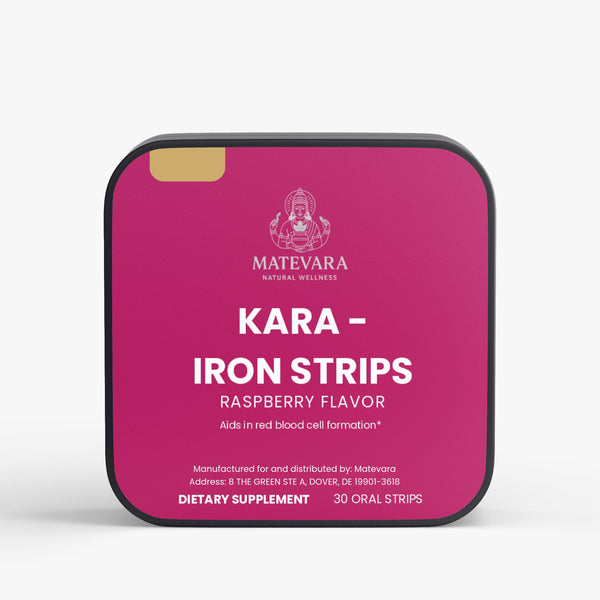
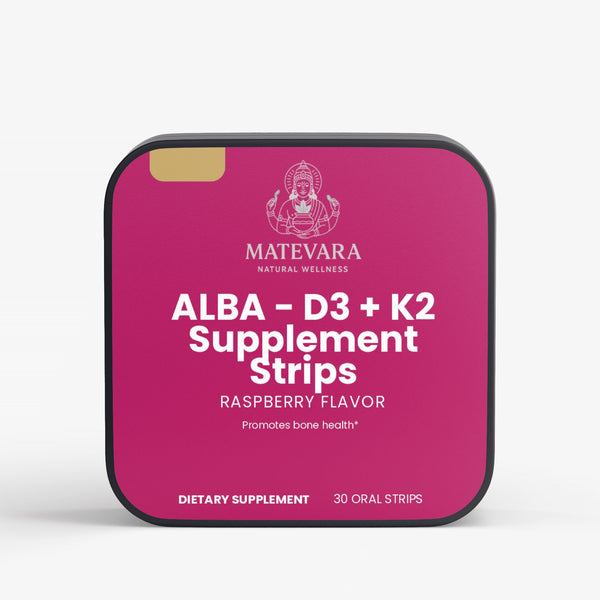
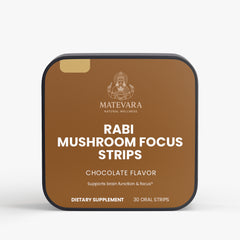
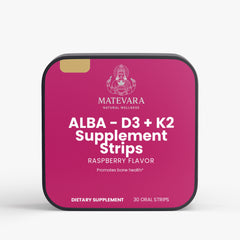
Some people prefer dissolvable formats for exactly that reason. If you want to see what that type of format looks like, these energy strips show how under-the-tongue delivery can fit into a daily routine without adding much friction.
Who Benefits Most from Sublingual B12
Not everyone needs the same B12 strategy.
Some people absorb B12 from food and standard supplements without much trouble. Others run into quiet obstacles that are easy to miss until symptoms or lab results start raising questions.

People with absorption challenges
Sublingual B12 makes the most intuitive sense when the usual digestive route is less dependable.
That includes people with pernicious anemia, where intrinsic factor related absorption is impaired. It can also include people with digestive disorders, a history of gastric surgery, or long-term changes in gut function that make nutrient uptake less efficient.
Older adults often fall into this conversation too. As people age, stomach acid and digestive efficiency may change. That does not guarantee a problem, but it can make B12 status worth watching more closely.
Plant-based eaters and people with limited dietary intake
B12 is naturally concentrated in animal-derived foods, so vegans and many vegetarians often need a dependable supplemental source.
This is not a flaw in a plant-based diet. It is a nutrient planning issue.
For someone who eats little or no animal food, sublingual B12 can feel reassuring because it offers a direct, easy-to-repeat format. You are not guessing whether occasional fortified foods are enough. You are building a routine around a nutrient that deserves attention.
People using medications that may interfere
Some medications can make B12 status harder to maintain over time.
Common examples often discussed in clinical practice include metformin and acid-suppressing medications such as proton-pump inhibitors. If that sounds like you, it is worth asking your clinician whether your current B12 intake and your absorption route still make sense together.
People who want clarity before guessing
If you suspect low B12, testing helps you move from vague symptoms to a more informed decision.
A home screen can be a starting point. If you want to understand what that process looks like, this guide to a B12 test at home explains how people use at-home testing as an early check before following up with a healthcare professional.
Helpful mindset: Use symptoms as a prompt, not a diagnosis. Fatigue and brain fog can come from many causes, so testing and clinical context matter.
Busy people who need a low-friction habit
There is one more group worth mentioning. People who are not seriously ill, but know they will not keep up with a complicated supplement routine.
For them, the best B12 format may be the one they can take consistently. A dissolvable strip or lozenge under the tongue often fits into a real morning better than a more cumbersome plan.
That everyday practicality matters more than wellness culture sometimes admits.
Choosing the Right Form of Sublingual B12
When you read a B12 label, two names show up often. Cyanocobalamin and methylcobalamin.
They are both forms of vitamin B12, but they are not identical in how they are presented to the body.

Cyanocobalamin
Cyanocobalamin is a common supplemental form.
Manufacturers often use it because it is stable and widely available. Your body can convert it into usable B12 forms. For many people, that works fine.
The main drawback is not that it is “bad.” It is that it is not the active coenzyme form most wellness-minded shoppers are usually looking for.
Methylcobalamin
Methylcobalamin is an active form of B12.
That makes it appealing to people who want a form already closer to what the body uses in everyday metabolic pathways, especially those related to nerve health and methylation. In plain language, it feels more direct.
This is one reason methylcobalamin has become popular in sublingual products. People choosing b12 vitamins under tongue often want both advantages at once. A delivery format designed for easier uptake, plus a form that feels ready for use.
What to look for on a label
A good product label should answer basic questions quickly.
Look for:
- The B12 form: methylcobalamin or cyanocobalamin
- The dose in mcg: if that unit feels confusing, this guide on what mcg means in vitamins makes it easy to decode
- The delivery format: strip, lozenge, tablet, or liquid
- Quality signals: clear ingredient list and third-party testing language when available
Some people also like to compare delivery styles before buying. For example, a liquid product such as Trace Minerals Ionic B12 can be useful to review if you want to see how another under-the-tongue format is presented.
How to decide without overthinking it
You do not need a biochemistry degree to choose well.
A simple decision framework works:
- If you want a common, stable option, cyanocobalamin may appeal to you.
- If you prefer an active form that is popular in wellness routines, methylcobalamin often stands out.
- If swallowing pills is the main barrier, focus on sublingual format first and then compare forms.
Practical takeaway: The best choice is the one that matches your body, your budget, and the routine you can repeat.
Many people get stuck trying to find the “perfect” supplement. Usually, a clear label, a trusted format, and consistent use matter more than endless comparison.
Your Practical Guide to Using Sublingual B12
Once you choose a sublingual product, technique matters more than many people realize.
This is not difficult, but a few small habits can make the experience smoother and more consistent.
Why the dose looks so much higher than the daily requirement
A lot of people feel startled when they compare the daily recommendation for B12 with the number on a supplement label.
A 2025 meta-analysis of 16 studies including 6,098 participants reported that B12 supplementation across routes increased serum cobalamin by +402.6 pg/mL (95% CI: 293.6 to 511.5; p < 0.001) and reduced homocysteine by −4.83 µmol/L (95% CI: −6.55 to −3.11; p < 0.001). The same analysis noted that adult intake recommendations remain around 2.4 to 2.8 mcg, while supplements commonly provide 500 to 1000 mcg because B12 absorption is naturally limited (2025 meta-analysis on oral, sublingual, and intramuscular B12).
So yes, the supplement dose is much larger. That is by design, not a labeling mistake.
How to take it correctly
Use the product exactly as directed on its label, but the general routine usually looks like this:
- Place it under your tongue. Do not put it on top of your tongue and swallow immediately.
- Let it dissolve fully. Give the B12 time to stay in contact with the tissue.
- Wait briefly before eating or drinking. That helps preserve the intended under-the-tongue exposure.
- Take it consistently. A good routine beats occasional perfect technique.
Some people like taking B12 in the morning because it fits their day better and pairs well with an energy-focused routine.
If you want help matching supplements to your daily rhythm, this guide on the best time to take supplements can help you build a schedule you will follow.
Simple habits that make it easier
A few practical choices can improve consistency:
- Keep it visible: near your toothbrush, tea kettle, or work bag
- Avoid multitasking while it dissolves: the less rushed you are, the better
- Store it properly: follow label directions for heat, light, and moisture
Tip: Pair your sublingual B12 with an existing habit. Morning routines work well because you do not have to remember a separate event later.
What to expect
Some people notice changes in energy or clarity fairly soon. Others need more time.
Your timeline depends on why you were low, how long the issue has been present, and whether absorption was the main problem in the first place. That is one reason repeat lab work and clinician guidance can be so useful.
Safety Profile and Potential Interactions
Vitamin B12 has a strong safety reputation.
It is a water-soluble vitamin, which means the body does not tend to store large excess amounts in the same way it stores some fat-soluble vitamins. For many adults, that makes B12 one of the more approachable supplements to discuss with a clinician.
Mild side effects can happen
Many people tolerate sublingual B12 well.
When side effects do happen, they are usually mild. Some people report temporary mouth irritation from a lozenge or strip. Rarely, a person may react to other ingredients in the product rather than the B12 itself.
If you notice a rash, swelling, or unusual symptoms after starting any supplement, stop using it and speak with a healthcare professional.
Interactions and special situations
The bigger issue is often not danger from B12 itself, but the context around it.
Talk with a healthcare professional before using sublingual B12 if you:
- Take prescription medications: especially medicines that may affect nutrient absorption
- Are pregnant or nursing: your full supplement plan should be reviewed in context
- Have complex medical conditions: especially if you are already under active treatment
- Are using multiple nutrient products at once: overlap can make your routine harder to interpret
If you are also thinking about the broader nutrient picture, this article on B-12 and D may help you think about how B12 fits alongside other common supplement questions.
Safety first: Supplements can support health, but they do not replace medical evaluation, prescription care, or lab interpretation.
These statements have not been evaluated by the Food and Drug Administration. This product is not intended to diagnose, treat, cure, or prevent any disease.
Frequently Asked Questions About Sublingual B12
Can sublingual B12 help with weight loss
Not directly.
There is no direct clinical evidence that B12 supplementation causes weight loss. B12 is important for energy metabolism, so if you are deficient, improving your B12 status may help you feel more able to stay active. But the idea of B12 as a weight-loss shortcut is not supported by research, as noted in this discussion of B12 and weight loss claims.
Can you take too much B12
B12 is generally considered very safe, but that does not mean you should guess your way through dosing forever. Follow the product label and ask your clinician if you have a medical condition, unusual lab results, or a complex supplement stack.
How long does it take to feel a difference
That varies.
Some people notice changes quickly. Others need weeks or longer, especially if stores were low for a long time. The most reliable way to judge progress is not just by feelings, but by symptoms in context, repeat labs, and guidance from a qualified healthcare professional.
If you want a simple way to explore under-the-tongue nutrients as part of a daily wellness routine, Matevara offers Ayurvedic-inspired, science-informed supplements designed for practical use. Their approach reflects a valuable middle path. Respect traditional ideas about nourishment and balance, then support them with modern formulation, clear dosing formats, and third-party verification. Always consult your healthcare professional before starting any new supplement.