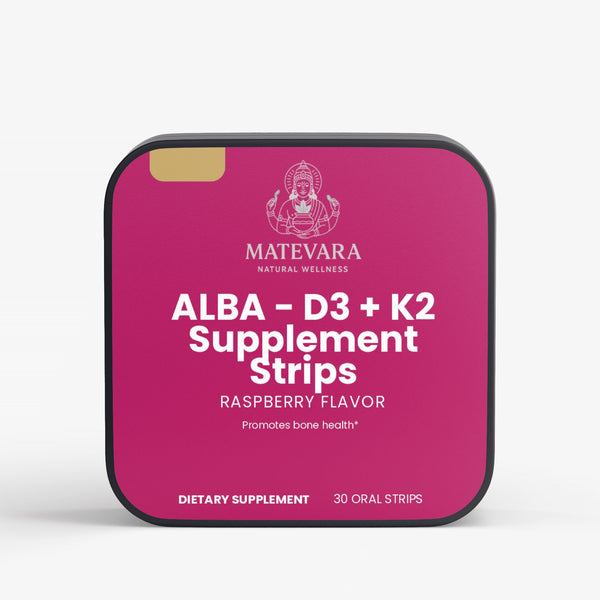
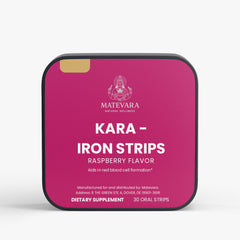
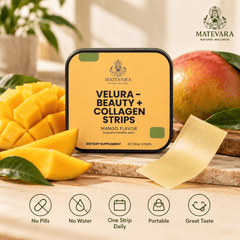
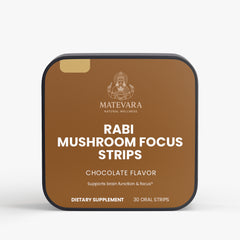
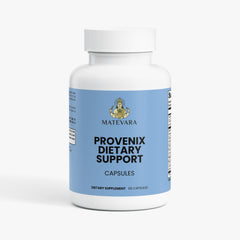
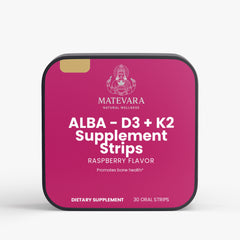
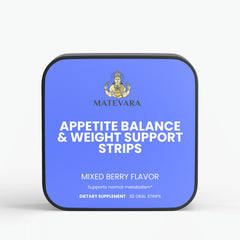

You stand in the supplement aisle for five minutes, then 15. One bottle says “women’s wellness.” Another says “energy.” A third promises beauty, bones, stress support, and immune health in one capsule. If you’ve ever felt stuck between too many choices and not enough clarity, you’re not alone.
That confusion makes sense. Your body’s needs aren’t static. They shift with menstruation, pregnancy, breastfeeding, stress, aging, diet, sunlight exposure, and even how well you absorb nutrients. So the question isn’t really “What is the one best vitamin?” It’s “What does your body need most right now?”
That’s the lens I want to use here. The best daily vitamins for women should support your real life, not a marketing slogan. At Matevara, that way of thinking reflects a simple principle: Ancient Wisdom. Modern Science. You can respect evidence-based nutrition and still value traditions that support the whole person.
Navigating the World of Women's Vitamins
A daily vitamin can be useful, but it shouldn’t feel mysterious.
In the United States, approximately 64% of women take at least one supplement or vitamin daily, and about 75% of women get adequate nutrients from food alone, while taking a multivitamin raises that adequacy to 83%, according to the NIH Office of Dietary Supplements fact sheet on multivitamin/mineral supplements. That tells you two important things at once.
First, many women are already using supplements. Second, supplements can help fill gaps, but they work best as support, not as a substitute for food.
Why the choice feels so overwhelming
Most labels flatten women’s health into one generic category. Your body doesn’t work that way.
A woman in her twenties with heavy periods may be thinking about iron. Someone trying to conceive may focus on folate. A woman in midlife may care more about vitamin D, calcium, and B12. If you’re tired, stressed, plant-based, or dealing with digestive issues, your priorities may look different again.
That’s why broad advice often falls short.
The right supplement routine starts with your life stage, your diet, and your symptoms. Not with the loudest bottle on the shelf.
If you’ve been wondering whether low energy, brittle nails, frequent fatigue, or brain fog could reflect a nutrient gap, this guide to vitamins and minerals deficiency symptoms can help you connect the dots before you buy anything.
A better way to think about women’s vitamins
Start with three questions:
-
What are your likely gaps?
Think about your eating pattern, stress level, and any restrictions like vegetarian or vegan eating. -
What life stage are you in?
Premenopausal, pregnant, breastfeeding, perimenopausal, and postmenopausal women don’t have the same needs. -
Are you choosing support or replacement?
A multivitamin may provide coverage. A targeted supplement may make more sense when one need stands out.
The goal isn’t perfection. It’s informed choice. Once you understand the basics, the shelf gets much less intimidating.
The Foundational Nutrients Every Woman Needs
When women ask me where to start, I don’t start with brand names. I start with core nutrients.
Some vitamins and minerals matter especially because women’s bodies face recurring demands related to blood loss, fertility, bone health, and changing absorption over time. Even if you eat well, these are the nutrients worth understanding.
Iron and folate matter for many women
Among all nutrients, iron and folate deserve special attention in the reproductive years.
Women ages 19 to 50 need 18 mg of iron daily, that need rises to 27 mg during pregnancy, and after menopause it drops to 8 mg, according to WomensHealth.gov guidance on vitamins and minerals for women. The same guidance says all women of reproductive age should get 400 mcg of folic acid daily, especially because nearly half of pregnancies are unplanned.
Iron supports oxygen transport and energy. Folate supports healthy cell division and early fetal development. These aren’t niche nutrients. They’re central.
If iron is the area you’re trying to understand better, this article on the benefits of iron supplements for women gives a useful deeper look.
Other nutrients that often deserve a place on your radar
Vitamin D helps your body use calcium and supports bone health. It’s often part of women’s formulas because bone support becomes more important over time.
Calcium matters for bones and teeth, but it also helps with muscle and nerve function. Food still matters here. Supplements are only part of the picture.
Vitamin B12 helps with red blood cell formation and nerve health. It becomes especially relevant later in life, when absorption may decline.
Magnesium supports muscle function, nerve signaling, and overall balance. Many women look to it for support during times of tension, sleep disruption, or hormonal fluctuation, though your individual needs can vary.
Key Daily Vitamins and Minerals for Women's Health
| Nutrient | Why It's Important | Common Food Sources |
|---|---|---|
| Iron | Supports oxygen transport and energy production | Red meat, beans, lentils, spinach, fortified cereals |
| Folate | Supports cell division and reproductive health | Leafy greens, beans, citrus, fortified grains |
| Vitamin D | Supports bone health and calcium use | Fatty fish, fortified dairy or plant milks, egg yolks |
| Calcium | Helps maintain strong bones and teeth | Dairy foods, tofu, leafy greens, fortified beverages |
| Vitamin B12 | Supports nerves and red blood cell formation | Fish, eggs, dairy, fortified foods |
| Magnesium | Supports muscle and nerve function | Nuts, seeds, legumes, whole grains, leafy greens |
Food first, then fill the gaps
A quality diet gives you fiber, protein, phytonutrients, and the natural matrix that helps nutrients work together. Supplements can’t fully copy that.
Still, daily life isn’t always ideal. Travel, stress, appetite changes, restricted diets, and busy schedules can all make consistency harder. That’s where a carefully chosen daily vitamin can earn its place.
Practical rule: If your multivitamin duplicates nutrients you already take separately, pause and add up the totals before you keep stacking products.
Your Body's Changing Needs Vitamins by Life Stage
A woman’s nutrient needs don’t move in a straight line. They pivot with hormone patterns, reproductive demands, and aging.
That’s why the best daily vitamins for women should never be discussed as if all women need the same formula forever.

Reproductive years
For many women in the reproductive years, the first big issue is iron.
Personalized dosing matters here. As noted by Women’s Health on multivitamins for women, iron needs are 18 mg for women ages 19 to 50, then drop to 9 mg when breastfeeding. That same source also notes that women over 50 often need more B12 because absorption decreases, and that women with darker skin or those living in northern latitudes may need more vitamin D.
That matters because many women buy one formula and keep taking it for years without revisiting whether it still fits.
In practical terms, women in these years often look for support in areas like:
- Iron support if periods are regular and heavy
- Folate if pregnancy is possible
- B vitamins for energy metabolism
- Vitamin D if sunlight exposure is limited
- B12 if diet is plant-forward or absorption is a concern
A generic “women’s multi” may help, but the label has to match your current reality.
Pregnancy and breastfeeding
Pregnancy changes the conversation quickly. The body’s nutrient demands rise because you’re supporting both maternal health and fetal development.
Folate becomes central before conception and early in pregnancy. If you’re trying to conceive, or if pregnancy is possible, a prenatal often makes more sense than a general multivitamin. For a broad overview of what to compare in prenatal formulas, this complete guide to prenatal vitamins offers a helpful framework.
Folic acid and folate can be confusing terms for many readers. If you want a clearer look at why vitamin B9 matters so much in this stage, this article on the role of folic acid vitamin B9 in pregnancy health is a useful companion read.
A few priorities tend to stand out in this season:
-
Folate first
This supports early development and should be in place before you know you’re pregnant. -
Iron often rises in importance
Needs increase during pregnancy, so your usual multivitamin may no longer be enough. -
Tolerance matters
A formula isn’t helpful if it worsens nausea or causes digestive discomfort.
Some women also do better with a simpler routine during early pregnancy, using a prenatal plus only a few targeted additions recommended by a clinician.
If you’re pregnant, trying to conceive, or breastfeeding, it’s smart to review your full supplement list with a qualified healthcare professional rather than self-adjusting multiple products.
Perimenopause and postmenopause
Perimenopause often brings a shift in what women care about most. Energy may still matter, but so do bone strength, mood, sleep, and cognition.
This is also the point where an older formula may become mismatched. If you no longer menstruate, a high-iron product may not be the best default for you. B12 may deserve more attention because absorption can decline with age. Vitamin D and calcium often move higher on the priority list when bone support becomes a larger part of the conversation.
What changes here isn’t just the nutrient list. It’s the goal.
Earlier in life, women often supplement to keep up. In midlife and beyond, many women supplement to maintain resilience, preserve strength, and support long-term function.
A simple way to personalize by stage
If you want a quick self-check, use this lens:
| Life stage | Nutrients many women prioritize |
|---|---|
| Reproductive years | Iron, folate, B vitamins, vitamin D |
| Pregnancy | Folate, iron, pregnancy-specific nutritional support |
| Breastfeeding | Iron needs may differ, and a prenatal review is often useful |
| Perimenopause and postmenopause | Vitamin D, calcium, B12, magnesium |
A good vitamin routine changes when your body changes. That’s not inconsistency. That’s good care.
The Ayurvedic Approach to Women's Wellness
Modern nutrition gives you building blocks. Ayurveda asks a different question. How well is your whole system handling the demands placed on it?
That matters because many women aren’t only dealing with nutrient gaps. They’re also dealing with stress, cycle shifts, poor sleep, mental load, and the wear of constant output.

Vitamins nourish the body. Herbs may support balance
Mainstream women’s vitamin advice usually stays focused on isolated nutrients. That has value, but it leaves out another layer of care.
According to Fortune’s discussion of the best multivitamins for women, mainstream recommendations often overlook traditional herbs, and a 2011 review found inconsistent results for isolated vitamins like E and B6 for PMS, pointing to a gap where Ayurvedic herbs such as ashwagandha or shatavari may offer more complementary support for stress and hormonal balance.
That doesn’t mean herbs replace nutrients. It means they may work beside them.
Two Ayurvedic herbs women often explore
Ashwagandha is an adaptogen. In plain language, that means it may help your body adapt to stress more steadily. Women often look to it when the problem isn’t only low intake, but also feeling overstretched and wired.
Shatavari has a long history in Ayurveda as a women’s herb. Traditional practice often uses it to support nourishment, balance, and a sense of steadiness during reproductive and transitional phases of life.
This older tradition comes from a broader healing philosophy. If you’re curious about that lineage, this overview of Dhanvantari and the origins of Ayurvedic medicine gives useful context.
Where Ayurveda fits in a modern routine
The most grounded approach is usually integrative:
- Use vitamins and minerals to cover likely deficiencies or increased needs
- Use supportive herbs thoughtfully when stress or hormonal transitions shape how you feel day to day
- Keep expectations realistic because no supplement can override chronic sleep loss, a poor diet, or unmanaged medical issues
A multivitamin may support what your body needs on paper. A well-chosen herb may support how your body copes in practice.
That combination is where many women feel most seen. Not as a list of deficiencies, but as whole people with changing needs.
How to Read a Supplement Label Like an Expert
If you can read a supplement label well, marketing loses much of its power over you.
That’s the skill that separates “I hope this works” from “I know why I chose this.” You don’t need professional training. You just need to know where to look.

Start with serving size and dose
The first thing to check is serving size.
A label may look impressive until you notice the listed dose requires two, four, or even more capsules a day. If you only take one, you aren’t getting what the front label implies.
Then check the nutrient amount itself. Don’t just glance at the front panel claims. Go to the Supplement Facts box and compare the actual ingredient amounts to your needs.
If measurement units confuse you, this plain-language guide on what does mcg mean in vitamins can make labels much easier to interpret.
Don’t ignore the nutrient form
Quality often lies beneath the surface.
Two labels can list the same nutrient, but one uses a form your body handles more easily. That difference can matter, especially for folate and B12.
According to Medical News Today’s review of multivitamins for women, up to 40% of the population has an MTHFR gene variation, which may reduce the body’s ability to convert synthetic folic acid by up to 70%. That source notes that 5-MTHF, a pre-converted form of folate, often paired with methylcobalamin B12, may better support methylation and homocysteine regulation.
That’s a perfect example of why “has folate” isn’t the same as “uses a form your body can readily use.”
Look for these kinds of distinctions:
- 5-MTHF instead of synthetic folic acid when folate form matters to you
- Methylcobalamin instead of cyanocobalamin if you want a more bioavailable B12 form
- Chelated minerals in some formulas, which some people find gentler or easier to tolerate
Check the extra ingredients too
The “Other Ingredients” section tells you what else is in the capsule besides the active nutrients.
Sometimes it’s simple. Sometimes it’s full of fillers, colors, sweeteners, gums, or coatings you may not want. This matters more if you’re sensitive to additives or trying to keep your supplement routine as clean and simple as possible.
A short ingredient list doesn’t automatically make a product better, but unnecessary extras should always earn a second look.
Watch for overlap
Many women unknowingly double up.
For example, you might take a multivitamin, then add a hair formula, a stress formula, and a prenatal or iron product without noticing repeated nutrients. Overlap can push your intake higher than intended, especially with iron, vitamin A, or other fat-soluble vitamins.
Use this quick review before buying:
- Compare your products side by side
- Circle repeated nutrients
- Ask whether the overlap is intentional or accidental
Here’s a short visual explainer if you want to see a label broken down in real time:
What a strong label usually communicates
A thoughtful formula usually does these things well:
| Label element | What to look for |
|---|---|
| Serving size | A realistic daily amount you’ll actually take |
| Nutrient form | Bioavailable forms when relevant |
| Ingredient transparency | Clear amounts, not vague proprietary blends |
| Other ingredients | Minimal and understandable extras |
| Intended user | A formula that matches your life stage |
The more fluently you read labels, the less likely you are to overpay for a pretty bottle with average formulation.
Choosing a Quality Vitamin Third-Party Testing and Formulations
A supplement label tells you what a company says is inside. Third-party testing helps confirm whether that claim holds up.
That distinction matters. The vitamin market is crowded, and not all products are manufactured to the same standard. If you want the best daily vitamins for women, quality control isn’t optional.
Why third-party testing matters
Independent testing adds a layer of trust between you and the bottle.
When a product has been evaluated by a credible outside organization, you gain more confidence that it contains the listed ingredients in the stated amounts and is screened for certain quality standards.

What to look for on the bottle
Several signs can point toward a better-made supplement:
-
Third-party verification
Look for signs that an independent body has reviewed purity, potency, or manufacturing quality. -
Transparent labeling
The formula should list exact ingredients and amounts clearly. -
Life-stage fit
A good women’s formula should tell you who it’s for. Premenopausal and postmenopausal needs aren’t identical. -
Allergen and ingredient disclosure
If you avoid certain common allergens, dyes, or animal-derived ingredients, the bottle should make that easy to verify.
A company that hides basic formulation details doesn’t make your decision easier. It makes it riskier.
If a brand spends more space on marketing language than on ingredient transparency, keep looking.
The form matters too
The “best” delivery format depends on your body and your habits.
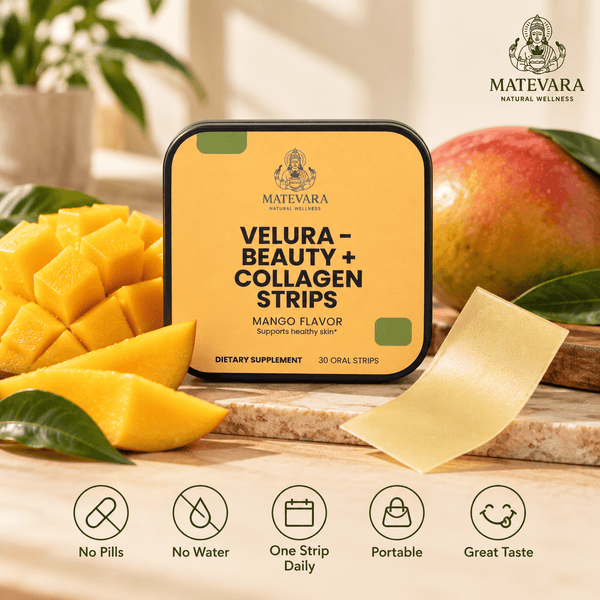
Capsules work well for many women because they’re familiar and often simple. Powders may help if you dislike pills or want to combine nutrients with a drink. Dissolvable strips can be convenient for travel or for people who struggle with swallowing capsules.
Each has trade-offs:
| Format | Potential upside | Potential drawback |
|---|---|---|
| Capsules | Convenient and familiar | Hard for some people to swallow |
| Powders | Flexible and easy to mix | Taste and consistency may bother some users |
| Dissolvable strips | Portable and easy to take | Not every nutrient is offered in this format |
A great formula in a format you won’t use consistently isn’t a great formula for you.
Choose trust over trendiness
Trendy extras can distract from the essentials. A beautiful label, influencer attention, or a long list of wellness buzzwords doesn’t guarantee thoughtful formulation.
A stronger buying question is this: does the brand show you enough to earn your trust?
That includes manufacturing standards, testing, ingredient sourcing, and dosage clarity. The more transparent the company, the easier it becomes to make a calm decision instead of an impulsive one.
For many women, that’s the upgrade. Not more ingredients. Better standards.
Creating Your Daily Vitamin Routine
The best supplement is the one you’ll take consistently.
That usually means making your routine easy, not ambitious. Put your vitamins somewhere visible. Pair them with a habit you already have, like breakfast or brushing your teeth. If a product upsets your stomach, don’t force it. Reassess the formula, timing, or whether you should take it with food.
Make timing work for your life
Some women prefer B vitamins earlier in the day because they associate them with daytime energy support. Others prefer magnesium later in the evening as part of a wind-down routine. A multivitamin often feels easiest with a meal.
You don’t need a perfect schedule. You need a repeatable one.
Keep your routine simple
Start with the fewest products that meet your needs.
Try this approach:
- Begin with one core product if you’re new to supplements
- Add one targeted supplement only if needed
- Track how you feel for a few weeks in a notes app or journal
- Review changes with a healthcare professional if symptoms persist
Pay attention to your body
A vitamin routine should feel supportive, not stressful.
If you notice digestive discomfort, headaches, nausea, or a sense that your routine is becoming too complicated, pause and simplify. More isn’t always better. Better matched is better.
Your Path to Personalized Nutrition
Choosing the best daily vitamins for women isn’t about finding a universal winner. It’s about matching the right support to your body, your diet, your stage of life, and your tolerance.
For some women, that means a straightforward multivitamin. For others, it means targeted iron, folate, B12, vitamin D, or a more holistic routine that includes supportive herbs alongside foundational nutrients. If digestion is part of the bigger picture for you, this guide to best gut health supplements for optimal digestion may help you think about absorption and daily wellness more broadly.
Most important, talk with a qualified healthcare professional before starting a new supplement routine, especially if you’re pregnant, breastfeeding, managing a health condition, or taking medication. Supplements can support health, but they should fit your full medical picture.
Matevara’s perspective is simple. Honor what tradition understood about balance, and respect what modern science can verify about ingredients, dosing, and quality. That combination gives you a steadier foundation for making decisions that feel informed and sustainable.
These statements have not been evaluated by the Food and Drug Administration. This product is not intended to diagnose, treat, cure, or prevent any disease.
If you're looking for thoughtful, Ayurvedic-inspired wellness support rooted in transparency, explore Matevara. You’ll find daily supplements designed with the balance of ancient tradition and modern formulation in mind, plus practical education to help you choose with confidence.