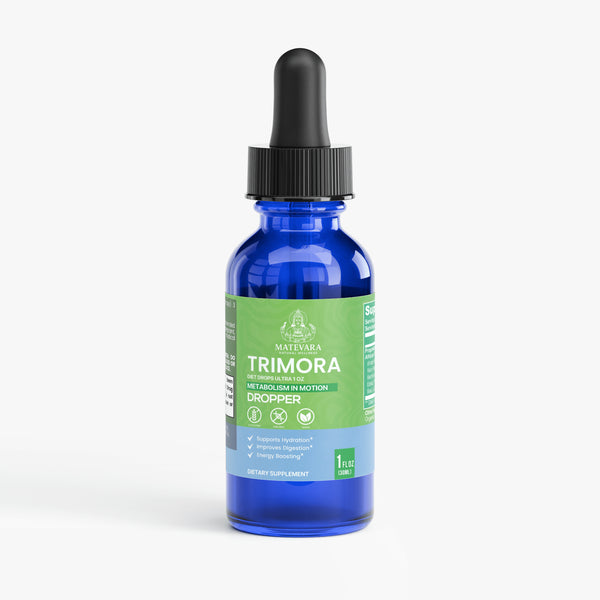
Trimora Diet Drops Ultra | African Mango & Amino Acid Complex | Liquid Dietary Supplement | 1 oz (30ml)
$48.95 USD
Unit price perIn stock
Estimated delivery between December 14 and December 18.
Best offers
Additional Information
-
Manufacturer Country
USA
-
Amount
1oz (30ml)
-
Gross Weight
0.2lb (90g)
-
Suggested Use
-
Adults, take 1ml three times a day or as directed by a health care professional. For children under 18 years of age, consult a physician before use.
-
Caution
-
Do not exceed recommended dose. Pregnant or nursing mothers, children under the age of 18, and individuals with a known medical condition should consult a physician before using this or any dietary supplement.
-
Warning
Keep out of reach of children. Do not use if the safety seal is damaged or missing. Store in a cool, dry place.
Pay with
Your transaction is protected with advanced security measures to keep your information confidential
User Insights
Benefits of Trimora Diet Drops Ultra | African Mango & Amino Acid Complex | Liquid Dietary Supplement | 1 oz (30ml)
Discover the key benefits that make our product stand out
Boost Metabolism Naturally
Control Appetite & Cravings
Enhance Fat Utilization
Support Lean Muscle Maintenance
About Trimora Diet Drops Ultra | African Mango & Amino Acid Complex | Liquid Dietary Supplement | 1 oz (30ml)
Trimora Diet Drops Ultra – Comprehensive Nutritional Support for Your Wellness Journey*
Discover Trimora Diet Drops Ultra, a liquid dietary supplement featuring a proprietary Active-8 & African Mango Complex that combines botanical extracts, amino acids, and supporting nutrients to complement your healthy lifestyle goals*. This 1 oz (30ml) convenient liquid formula provides a unique blend of African Mango fruit extract, Maca root, Rhodiola, amino acids including L-Arginine, L-Carnitine, and L-Glutamine, plus adaptogenic herbs that contribute to daily nutritional support* as part of a strategy for wellness that includes balanced nutrition and regular physical activity.
Made in the USA, this dietary supplement offers a convenient liquid delivery format that may be easier to consume than large capsules or tablets, with flexible dosing that allows for personalized supplementation. The proprietary formula combines traditional botanical ingredients with amino acids—the building blocks of protein—to provide comprehensive nutritional support* for active individuals, those following structured nutrition plans, and anyone seeking to optimize their daily supplement routine* alongside healthy eating and exercise habits.
Lifestyle-focused supplementation recognizes that optimal wellness requires a multifaceted approach encompassing nutrition, physical activity, stress management, adequate sleep, and supportive supplementation that fills nutritional gaps. No supplement alone creates wellness—rather, strategic supplementation complements the foundational habits that determine health outcomes. Trimora Diet Drops Ultra is designed as one component within comprehensive wellness strategies*, providing nutrients that may support various bodily functions* when combined with appropriate diet and exercise.
The liquid format offers advantages for those who prefer liquid supplements over pills, including potentially faster absorption, easier dose adjustment, and convenience for those with difficulty swallowing capsules. Liquid supplements can be taken directly or added to water or beverages, providing flexibility in how you incorporate supplementation into daily routines. The compact 1 oz bottle with dropper allows precise measurement and portability for on-the-go lifestyles.
African Mango (Irvingia gabonensis) has been used traditionally in West African cultures and has attracted research interest in recent years. Studies have examined various aspects of African Mango supplementation, with research investigating its potential effects on various metabolic parameters*. While more research is needed, preliminary studies have explored African Mango's composition and potential nutritional properties*. As one component within this multi-ingredient formula, African Mango contributes to the comprehensive botanical foundation.
Adaptogenic herbs including Rhodiola Rosea and Astragalus have traditional use across various cultures for supporting the body during stress and physical demands*. Adaptogens represent a category of herbs thought to help the body adapt to various stressors*—physical, mental, or environmental. Modern research has begun investigating these traditional uses, with studies examining adaptogens' potential effects on stress responses, energy, and physical performance*. The inclusion of adaptogenic botanicals adds traditional herbal wisdom to this modern formulation.
Amino acids form the building blocks of proteins and play essential roles throughout the body in muscle protein synthesis, neurotransmitter production, immune function, and countless metabolic processes. This formula includes L-Arginine (a conditionally essential amino acid involved in nitric oxide production*), L-Carnitine (involved in fatty acid transport into mitochondria for energy production*), L-Glutamine (the most abundant amino acid in the body with roles in immune and gut health*), and L-Ornithine (involved in the urea cycle and studied for potential effects on athletic performance*).
Maca root (Lepidium meyenii) is a Peruvian plant traditionally used as food and medicine in the Andes for thousands of years. Modern research has examined Maca for various potential effects including energy, stamina, and hormonal balance support*, with studies investigating its nutritional composition and bioactive compounds. Maca contains macronutrients, fatty acids, amino acids, and various phytonutrients* that contribute to its traditional use and contemporary research interest.
Pygeum Africanum (African plum tree bark) has traditional use in African herbal medicine and has been studied particularly for men's health applications. Research has examined Pygeum's phytosterol content and potential effects on various physiological processes*. As part of this multi-ingredient formula, Pygeum contributes additional botanical compounds to the comprehensive blend.
The synergistic approach of combining multiple ingredients reflects the understanding that nutrients and botanical compounds often work together, with complementary or enhancing effects when combined. While individual ingredient effects are interesting, formulas designed with multiple components may provide more comprehensive support* than single ingredients alone. This principle—that the whole may be greater than the sum of parts—guides multi-ingredient supplementation strategies.
Complementary to diet and exercise is the fundamental principle underlying this product. No supplement replaces the foundational importance of appropriate caloric intake, macronutrient balance, micronutrient adequacy, and regular physical activity appropriate to individual fitness levels and goals. Supplements called "diet drops" should always be understood as supportive to—never replacements for—comprehensive lifestyle approaches. This product is intended for those already committed to healthy eating and regular exercise* who seek additional nutritional support.
Important: This is a dietary supplement providing nutritional support* for those engaged in healthy lifestyle practices. It is not intended to diagnose, treat, cure, or prevent any disease including obesity or metabolic conditions. This product does not guarantee weight loss, fat burning, or specific body composition changes. Results from use will vary based on individual factors including baseline diet, exercise habits, genetics, and consistency of use. Consult healthcare providers before starting any supplement regimen, especially if you have medical conditions or take medications.
Understanding the Top 4 Pain Points
Pain Point #1: Difficulty Maintaining Structured Nutrition and Fitness Plans
Lifestyle change challenges represent perhaps the most significant obstacle to wellness goals. While motivation may run high initially, maintaining consistent healthy eating patterns, regular exercise, adequate sleep, and stress management over weeks, months, and years proves far more difficult than starting. The gap between intentions and sustained behavior creates frustration for those genuinely committed to improving health but struggling with consistency despite best efforts and sincere dedication.
Nutritional compliance fatigue emerges when structured eating plans—whether focused on calorie control, macronutrient ratios, meal timing, or food restrictions—become mentally and emotionally exhausting. The constant decision-making about food choices, portion sizes, and meal planning requires substantial cognitive resources. Over time, "decision fatigue" around food can lead to planning breakdown and reversion to previous eating patterns that felt easier even if less optimal for health goals.
Exercise consistency challenges affect those who start fitness programs enthusiastically but struggle maintaining workout frequency as initial motivation wanes. Early progress provides reinforcement, but inevitable plateaus create discouragement. Competing time demands from work, family, and other responsibilities make exercise scheduling difficult. Physical soreness, lack of immediate visible results, or simply boredom with routines contribute to declining adherence that ultimately undermines fitness goals despite genuine commitment.
Metabolic adaptation occurs as the body adjusts to new eating and activity patterns. Early changes may produce noticeable results, but as the body adapts, progress often slows or stalls entirely—creating the frustrating "plateau" where continued effort seems to yield diminishing returns. This adaptive response, while metabolically normal, psychologically undermines motivation when weeks of continued effort don't produce the changes that earlier weeks did. The perception that "it's not working anymore" leads many to abandon programs entirely.
The accountability gap means many people lack external structure or support to maintain behavior change. Without regular check-ins, measurement, feedback, or social support, it's easy for habits to drift. Life disruptions—travel, illness, holidays, stress—interrupt routines, and without accountability systems, temporary interruptions become permanent relapses. The isolation of pursuing wellness goals alone, without community or professional guidance, makes sustained adherence particularly challenging.
Supplement expectations sometimes reflect the desire for additional support beyond diet and exercise alone. While supplements cannot replace foundational habits, those committed to comprehensive lifestyle approaches sometimes seek products that may provide nutritional support* to complement their efforts. The key distinction is understanding that supplements support—not substitute for—the fundamental work of consistent healthy eating and regular physical activity that determine outcomes.
Finding dietary supplements that may provide nutritional support as one component within comprehensive lifestyle approaches* addresses the reality that wellness journeys involve multiple factors, with supplementation potentially contributing to overall nutritional adequacy* when combined with appropriate diet and exercise.
Pain Point #2: Nutritional Gaps and Inadequate Micronutrient Intake
Calorie-controlled eating often creates nutritional challenges beyond simple energy balance. When reducing food intake to achieve energy deficit, meeting requirements for protein, essential fatty acids, vitamins, minerals, and other micronutrients becomes more difficult with less food volume consumed. The risk of nutritional inadequacy increases when eating patterns emphasize quantity restriction without careful attention to nutrient density and food quality.
Amino acid adequacy particularly affects those with lower protein intake or those engaged in resistance training who have elevated protein requirements. While the body can synthesize some amino acids (non-essential), others must come from diet (essential), and some become conditionally essential under certain circumstances like physical stress or illness. Inadequate protein intake or poor-quality protein sources may result in insufficient amino acid availability for the countless processes requiring these building blocks.
Micronutrient deficiencies can emerge insidiously when dietary patterns lack variety or exclude entire food groups. Restrictive eating approaches—whether intentional (specific diet protocols) or unintentional (food preferences or aversions)—increase deficiency risk. Certain nutrients prove particularly challenging to obtain adequately: vitamin D (limited food sources), magnesium (depleted in processed foods), omega-3 fatty acids (requiring fatty fish consumption), and others. Deficiencies may not produce obvious acute symptoms but compromise various bodily functions over time.
Bioavailability challenges mean that consuming nutrients doesn't guarantee absorption and utilization. Factors affecting bioavailability include food matrix (nutrients in whole foods vs. isolated form), nutrient interactions (some enhance or inhibit others' absorption), gut health (impaired absorption in damaged intestines), and individual genetic variations affecting nutrient metabolism. Even apparently adequate dietary intake may not translate to optimal nutritional status if absorption or utilization is compromised.
Athletic and active lifestyle demands increase nutritional requirements beyond sedentary needs. Physical training creates demands for protein (muscle protein synthesis and repair), carbohydrates (glycogen replenishment), specific amino acids (various metabolic roles), antioxidants (managing exercise-induced oxidative stress), and electrolytes (replacing sweat losses). Meeting these elevated needs through food alone requires careful planning and substantial food intake that some find difficult to achieve practically.
The supplement role in addressing nutritional gaps involves providing nutrients that may be inadequate through diet alone—whether due to calorie restrictions, dietary limitations, increased demands, or bioavailability issues. While food should always be the primary nutrient source, strategic supplementation may help fill specific gaps* when dietary adequacy proves difficult to achieve through food alone. The amino acids, botanicals, and other nutrients in dietary supplements can contribute to overall nutritional status* when used alongside—not instead of—nutritious eating patterns.
Finding comprehensive nutritional supplements that may help fill dietary gaps and support adequate nutrient status* addresses the challenge of meeting nutritional requirements when dietary patterns, restrictions, or elevated demands make achieving complete adequacy through food alone difficult.
Pain Point #3: Energy, Stamina, and Physical Performance Concerns
Low energy levels despite adequate sleep frustrate those who feel chronically fatigued, lacking the vitality to engage fully in work, exercise, family activities, and life generally. When persistent tiredness isn't resolved by rest, the problem may involve nutritional factors—inadequate caloric intake relative to demands, micronutrient deficiencies affecting energy metabolism, poor diet quality, or insufficient protein. The chronic energy deficit creates a frustrating cycle where low energy prevents the exercise that could improve energy over time.
Exercise performance limitations emerge when physical capacity doesn't match goals or efforts. Whether struggling to complete planned workout volumes, experiencing premature fatigue during training, having difficulty recovering between sessions, or simply feeling "weak" during exercise, suboptimal performance undermines workout effectiveness and motivation. While training itself builds capacity, adequate nutritional support*—sufficient energy, protein, micronutrients involved in energy metabolism—provides the foundation for training adaptations.
Recovery challenges mean that soreness lingers longer than expected, fatigue persists between workouts, or readiness for subsequent training sessions is delayed. Recovery encompasses multiple processes: muscle protein synthesis repairing and building tissue, glycogen replenishment restoring energy substrates, inflammatory resolution, oxidative damage repair, and nervous system recovery. Inadequate nutrition—particularly protein and carbohydrates—compromises these recovery processes, preventing optimal adaptation to training stress and increasing injury risk from accumulated fatigue.
The amino acid factor in exercise performance and recovery relates to their roles in muscle protein synthesis, neurotransmitter production, immune function, and energy metabolism under certain conditions. L-Carnitine's role in fatty acid transport into mitochondria has been studied for potential effects on fat metabolism during exercise*. L-Arginine's involvement in nitric oxide production has led to research on blood flow and nutrient delivery*. L-Glutamine's abundance and multiple functions have prompted investigation into immune support and gut health*, particularly under physical stress.
Adaptogen interest in sports nutrition reflects traditional use of herbs like Rhodiola and Maca for stamina, endurance, and resilience to stress. Modern research has begun examining these traditional applications, with studies investigating adaptogens' potential effects on physical performance, perceived exertion, recovery, and stress hormone responses*. While research is ongoing and results mixed, the traditional use and preliminary findings have made adaptogens popular among active individuals seeking plant-based performance support*.
Mental and physical stress from demanding lifestyles, work pressures, insufficient sleep, and intense training create accumulated stress load that affects performance and wellbeing. Chronic stress elevates cortisol, may impair recovery, affects sleep quality, and generally compromises the body's ability to adapt positively to training. Managing total stress load—through adequate rest, stress reduction practices, and potentially supportive supplementation*—becomes important for those facing high demands from multiple life areas simultaneously.
Finding supplements containing amino acids and adaptogenic herbs that may support energy, performance, and recovery* addresses the multifaceted challenge of maintaining physical capacity and resilience when lifestyle demands, training volume, or nutritional limitations create energy and performance concerns.
Pain Point #4: Seeking Comprehensive Wellness Support Beyond Basic Nutrition
Foundational nutrition is necessary but not sufficient for optimal wellness in many people's experience. While meeting basic nutrient requirements prevents deficiency diseases, some individuals seek additional support for various aspects of health and performance beyond mere deficiency prevention. This reflects the distinction between "adequate to prevent deficiency" and "optimal for thriving"—levels that may differ significantly. Supplements targeting areas beyond basic nutrition represent this optimization approach.
Holistic wellness philosophy embraces the interconnection of physical health, mental wellbeing, stress resilience, immune function, hormonal balance, and metabolic efficiency. Rather than addressing symptoms in isolation, holistic approaches consider how various body systems interact and support each other. This perspective values comprehensive formulations combining multiple ingredients that may support different aspects of wellness*, creating synergistic effects that single-ingredient supplements cannot provide.
The personalization challenge in nutrition means that generic recommendations don't account for individual variations in metabolism, genetics, microbiome composition, stress levels, training demands, or health history. What proves optimal for one person may be inadequate or excessive for another. Personalized supplementation attempts to address individual needs more precisely than one-size-fits-all approaches, though truly personalized nutrition requires assessment and professional guidance that generic supplementation cannot replicate.
Convenience and compliance factors significantly affect whether supplementation actually supports wellness goals. Complex regimens requiring multiple products, many pills, or inconvenient timing reduce adherence. Liquid supplements may offer advantages for those who dislike swallowing pills, prefer flexible dosing, or want faster absorption. Comprehensive formulations combining multiple ingredients in one product simplify routines compared to taking numerous single-ingredient supplements separately, potentially improving consistency of use.
Traditional wisdom integration with modern science characterizes many contemporary supplement formulations. Traditional herbal medicine systems—Ayurveda, Traditional Chinese Medicine, indigenous botanical traditions—represent thousands of years of empirical observation about plants' effects on human health. Modern science increasingly examines these traditional uses, identifying bioactive compounds and investigating mechanisms. Formulations combining traditional botanicals like African Mango, Maca, and Rhodiola with contemporary nutritional science (amino acids) reflect this integration of ancestral knowledge with modern understanding.
The supplement ecosystem within comprehensive wellness programs positions dietary supplements as contributors to—not substitutes for—the fundamental practices determining health outcomes. Sleep quality, stress management, social connections, purpose and meaning, physical movement, nutritious eating, hydration, and time in nature represent primary determinants of wellbeing. Supplements work best when supporting these foundations, filling nutritional gaps*, or providing additional support for specific functions*, rather than attempting to compensate for poor foundational habits.
Finding comprehensive multi-ingredient supplements that may support various aspects of wellness* addresses the desire for products that contribute to holistic health approaches, providing nutritional support* through combinations of botanicals and nutrients that individually and synergistically may benefit multiple physiological functions.
How Trimora Diet Drops Ultra Provides Support
Supporting Nutritional Adequacy During Structured Eating Plans
Amino acid supplementation becomes particularly relevant when dietary protein intake is lower than optimal or when demands are elevated. L-Arginine, classified as conditionally essential, plays roles in protein synthesis, nitric oxide production, immune function, and wound healing*. During periods of stress, growth, or intense training, endogenous production may not meet needs, making supplementation potentially beneficial*. Research published in journals including Nutrition has examined L-Arginine supplementation for various applications.
L-Carnitine's physiological role in transporting long-chain fatty acids across mitochondrial membranes for beta-oxidation makes it essential for fat metabolism and energy production*. While the body synthesizes L-Carnitine from amino acids lysine and methionine, supplementation has been studied for potential effects on energy metabolism, exercise performance, and recovery*. Research examining L-Carnitine supplementation has explored various outcomes, though results vary across studies and populations.
L-Glutamine represents the most abundant amino acid in blood and muscle tissue, with critical roles in immune function, gut health, nitrogen balance, and protein synthesis*. During periods of stress, illness, or intense training, glutamine demands may exceed synthesis capacity, creating potential conditional essentiality. Research has examined glutamine supplementation particularly for immune support during intense training periods* and gut health maintenance*, with mixed but intriguing findings suggesting potential benefits in specific contexts.
L-Ornithine participates in the urea cycle (nitrogen waste disposal) and has been studied for potential effects on physical performance, fatigue, and recovery*. Research examining ornithine supplementation has investigated various outcomes including exercise performance, ammonia clearance, and perceived exertion, with some studies suggesting potential benefits for recovery* though more research is needed to clarify optimal applications and dosing.
By providing *multiple amino acids that play various metabolic roles, this supplement may help support adequate amino acid status and the numerous functions these building blocks perform, particularly valuable when dietary protein intake is controlled or training demands are elevated.
Providing Adaptogenic Botanical Support
Rhodiola Rosea has extensive traditional use across Europe and Asia as an adaptogen—a substance thought to help the body adapt to stress*. Modern research has examined Rhodiola for potential effects on physical performance, mental fatigue, stress responses, and mood*. Studies published in journals including Phytomedicine have investigated Rhodiola's bioactive compounds (rosavins and salidroside) and mechanisms, with some research suggesting potential benefits for stress management* and fatigue*, though results vary and more research is needed.
Astragalus membranaceus has thousands of years of use in Traditional Chinese Medicine as an immune-supporting and vitalizing herb. Research has examined Astragalus for various potential effects including immune modulation, antioxidant properties, and metabolic effects*. While most research has been in vitro or animal studies, preliminary human research has begun exploring traditional uses, with some studies suggesting potential immune-supporting effects* and metabolic benefits*, though more rigorous human trials are needed.
Maca root (Lepidium meyenii) from the Peruvian Andes has traditional use for energy, stamina, and vitality. Modern research has investigated Maca's nutritional composition and potential effects on energy, mood, and hormonal balance*. Studies have examined Maca for various applications with mixed results—some suggesting benefits for energy and mood*, while others finding no significant effects. The variability may relate to Maca types (yellow, red, black have different compositions) and dosing, highlighting the complexity of botanical research.
African Mango (Irvingia gabonensis) seeds have traditional use in West African cultures and have attracted recent research interest. Studies have examined African Mango extract supplementation, with research investigating various metabolic parameters. A systematic review published in Critical Reviews in Food Science and Nutrition examined available studies on Irvingia supplementation, noting that while some studies suggested potential effects on certain metabolic markers*, methodological limitations and variability in results indicate that more high-quality research is needed to draw firm conclusions about efficacy.
By incorporating *multiple adaptogenic and traditional botanicals with preliminary research support, this formula provides plant-based compounds that may support various aspects of wellness and stress adaptation, though individual responses will vary and more research would strengthen evidence for these traditional uses.
Supporting Energy Metabolism and Physical Activity
Carnitine's metabolic role specifically in fatty acid oxidation has prompted extensive research on L-Carnitine supplementation for various applications. Studies have examined whether supplementation affects fat metabolism during exercise, body composition, exercise performance, or recovery*. Results have been mixed—some studies suggesting potential benefits particularly in specific populations or contexts*, while others finding no significant effects. A meta-analysis in the Journal of the International Society of Sports Nutrition examined multiple studies, noting that benefits may depend on factors like training status, dosing, and duration of supplementation.
Arginine and nitric oxide production represents another avenue of interest for exercise and performance. L-Arginine serves as substrate for nitric oxide synthase enzymes that produce nitric oxide—a signaling molecule affecting blood flow, oxygen delivery, nutrient transport, and various physiological processes*. This has led to research on arginine supplementation for exercise performance, with mixed results. Some studies suggest potential benefits for blood flow* and exercise capacity in specific contexts*, while others find no significant effects, possibly due to factors like oral bioavailability and individual variation in responses.
Energy metabolism support from multiple formula components—amino acids involved in various metabolic pathways, adaptogens traditionally used for vitality and stamina, botanicals with diverse phytochemicals—creates a comprehensive approach to supporting the body's energy production systems*. While individual ingredients have specific mechanisms and research findings, the combination creates a multi-pathway approach that may provide more comprehensive support* than single ingredients alone.
The exercise performance interest in supplements like this reflects the desire to optimize training adaptations, enhance workout capacity, support recovery, and maximize return on training investment. While training itself is the primary driver of fitness improvements, adequate nutritional support*—through both diet and strategic supplementation—provides the foundation for adaptation. Supplements cannot replace training, but for those already training consistently, they may provide additional support* for performance and recovery processes.
By combining *amino acids with metabolic roles and adaptogens with traditional use for energy and stamina, this supplement may support various aspects of energy production and physical performance, though individual responses vary and benefits are most evident when combined with appropriate training and nutrition.
Offering Convenient Liquid Delivery Format
Liquid supplement advantages include potentially faster absorption (no tablet disintegration required), easier swallowing for those who struggle with pills, flexible dosing (can adjust drops taken), and convenience of adding to beverages. The liquid format allows sublingual administration (under tongue) where some absorption may occur through oral mucosa before swallowing, potentially increasing bioavailability* for certain compounds. For those taking multiple supplements, liquids can simplify routines compared to numerous large capsules.
The dropper bottle format with 1ml serving size allows precise measurement and dose control. The compact size makes it portable for travel or keeping in gym bags, offices, or purses. Taking supplements consistently proves easier when products are convenient and accessible throughout day—the portability of liquid drops supports compliance* by removing barriers to consistent use that bulkier bottles or products requiring water might create.
Taste considerations are addressed through inclusion of organic citrus extract, stevia, and xylitol which provide light sweetness and citrus flavor making the drops more palatable. While some prefer unflavored supplements, others find that pleasant-tasting products improve compliance. The flavoring system in this formula uses natural sweeteners (stevia, xylitol) rather than artificial sweeteners or excessive sugar, balancing palatability with ingredient quality preferences many supplement users have.
Multiple daily dosing (three 1ml servings) distributes the formula throughout the day rather than single large doses. This pattern may support more stable blood levels of ingredients* and allows for timing flexibility—for example, taking doses with meals to support absorption or spacing through day to maintain more consistent supply of amino acids and botanical compounds. The divided dosing may also reduce any potential gastric discomfort that larger single doses could cause in sensitive individuals.
By offering *convenient liquid format with flexible dosing, portability, and palatability, this supplement addresses practical factors that affect whether people consistently use products—and consistency is essential for any supplement to provide its potential benefits.
Complete Ingredient Profile
Proprietary Active-8 & African Mango Complex Contains:
Botanical Extracts:
- African Mango Fruit Extract (Irvingia gabonensis) – West African tree fruit; seeds have traditional use; preliminary research has examined various metabolic aspects*; contains fiber, fatty acids, and bioactive compounds; dosing and quality vary significantly among products
- Maca Root Extract (Lepidium meyenii) – Peruvian highland plant; traditional use for energy and vitality; contains macronutrients, amino acids, fatty acids, and unique compounds called macamides and macaenes*; different color varieties (yellow, red, black) have somewhat different compositions; studied for energy, mood, and hormonal support*
- Astragalus Membranaceus Root Extract – Traditional Chinese Medicine herb; used for millennia as immune tonic and chi (vital energy) enhancer; contains polysaccharides, saponins, and flavonoids*; modern research examines potential immune-modulating and adaptogenic properties*
- Rhodiola Rosea Root Extract – Arctic/mountain plant; traditional Scandinavian and Russian adaptogen; contains rosavins and salidroside as primary bioactives*; research examines potential effects on stress adaptation, mental fatigue, and physical performance*
- Pygeum Africanum Bark Extract – African plum tree bark; traditional African medicine use particularly for men's health; contains phytosterols, triterpenes, and ferulic acid esters*; most research has focused on specific men's health applications
Amino Acids:
- L-Arginine Base – Semi-essential amino acid; substrate for nitric oxide synthesis*; roles in protein synthesis, immune function, wound healing; becomes conditionally essential during growth, stress, illness; studied for cardiovascular and performance applications*
- L-Glutamine – Most abundant amino acid in body; critical for immune cells, gut health, nitrogen metabolism*; becomes conditionally essential during stress, illness, intense training; supplementation studied for immune and gut support*
- L-Ornithine HCL – Non-protein amino acid; participates in urea cycle; studied for potential effects on ammonia clearance, fatigue, and recovery*; often combined with arginine in research and formulations
- L-Carnitine – Quaternary ammonium compound synthesized from lysine and methionine; essential for fatty acid transport into mitochondria*; studied extensively for roles in fat metabolism, energy production, exercise performance, and recovery*
Additional Ingredients:
- Deionized Water – Purified water base for liquid formula
- Ethanol – Preservative and extraction solvent
- Organic Citrus Extract – Natural flavoring
- Stevia Extract – Natural non-caloric sweetener from stevia plant
- Xylitol – Sugar alcohol providing mild sweetness; occurs naturally in plants
Product Specifications:
- Form: Liquid drops
- Volume: 1 oz (30ml)
- Serving Size: 1ml (approximately 30 drops)
- Servings Per Container: 30
- Administration: Oral drops; can be taken directly or added to water/beverages
- Manufacturing: USA
Important Notes:
- Proprietary blend means exact amounts of individual ingredients are not disclosed
- Contains ethanol as preservative (common in liquid herbal extracts)
- Natural sweeteners provide palatability
- Not for children under 18 without medical supervision
- Consult healthcare provider if pregnant, nursing, or have medical conditions
- Use as directed—do not exceed recommended dose
What This Formula Does NOT Contain:
- No stimulants (caffeine, ephedra, synephrine)
- No artificial colors, flavors, or sweeteners
- No banned substances
- No prescription medication ingredients
Why Choose Trimora Diet Drops Ultra?
1. Comprehensive Multi-Ingredient Formula Combines botanical extracts, amino acids, and traditional herbs for multi-pathway nutritional support*.
2. Convenient Liquid Format Easy-to-use drops with precision dropper for flexible dosing and convenient administration.
3. Adaptogenic Botanical Blend Features Rhodiola, Astragalus, and Maca—traditional adaptogenic herbs studied for stress support and vitality*.
4. Essential Amino Acids Provides L-Carnitine, L-Arginine, L-Glutamine, and L-Ornithine supporting various metabolic functions*.
5. Traditional + Modern Approach Combines time-honored botanicals with contemporary amino acid science for comprehensive support.
6. Made in USA Domestic manufacturing ensures quality oversight and adherence to supplement production standards.
7. Naturally Sweetened Uses stevia and xylitol for palatability without artificial sweeteners or excessive sugar.
8. Portable Compact Size 1 oz bottle fits easily in bags, purses, gym lockers for convenient on-the-go supplementation.
9. Flexible Dosing Liquid format allows dose adjustment and can be taken straight or added to beverages for convenience.
10. Complements Healthy Lifestyles Designed as *nutritional support for those already practicing healthy eating and regular exercise.
How to Use for Optimal Results
Standard Dosage: Adults take 1ml (approximately 30 drops) three times daily, or as directed by healthcare professional.
Administration Methods:
Method 1: Direct Oral
- Shake bottle before use
- Use dropper to measure 1ml
- Place drops directly in mouth
- Swallow with water if desired
Method 2: Beverage Addition
- Measure 1ml into water, juice, or other beverage
- Stir and consume
- Provides diluted taste for those preferring less concentrated flavor
Method 3: Sublingual
- Place drops under tongue
- Hold for 30-60 seconds before swallowing
- May enhance absorption of certain compounds through oral mucosa
Timing Recommendations:
- With meals – May enhance absorption and reduce any potential gastric sensitivity
- Spaced throughout day – Dividing into three doses distributes formula intake
- Consistent timing – Take at same times daily to establish routine and maintain steady intake
Important Guidelines:
- Do not exceed 3ml (90 drops) daily unless directed by healthcare provider
- Not for children under 18 unless supervised by physician
- Shake well before each use to ensure ingredient distribution
- Store properly – Cool, dry place away from direct light
- Consistency is key – Regular daily use provides best opportunity for potential benefits*
Usage Tips for Maximum Benefits
1. Pair with Comprehensive Lifestyle Approach This supplement supports—not replaces—healthy eating and regular exercise. Optimal results require commitment to balanced nutrition, appropriate caloric intake, and consistent physical activity.
2. Stay Hydrated Drink adequate water throughout day (8-10 glasses) to support all bodily functions including those the supplement's ingredients may affect*.
3. Combine with Adequate Protein Since this contains amino acids, pair with sufficient dietary protein (0.8-1.0g per kg body weight minimum, more if training intensively) to support muscle and metabolic health.
4. Time Exercise Strategically While supplement timing relative to exercise hasn't been specifically studied for this product, taking a dose 30-60 minutes before workouts may provide amino acids and adaptogens when activity demands are highest.
5. Monitor Your Response Track energy, recovery, and how you feel over several weeks of consistent use to evaluate whether the supplement appears beneficial for your individual response.
6. Give It Adequate Time 4-8 weeks of consistent use may be needed to observe meaningful effects, as botanical and amino acid benefits often emerge gradually.
7. Cycle Strategically Some practitioners recommend periodic breaks (e.g., 5 days on, 2 days off, or 8-12 weeks on, 2-4 weeks off) with adaptogenic herbs, though research on optimal cycling isn't definitive.
8. Don't Rely on Supplements Alone No supplement compensates for poor sleep, chronic stress, inadequate nutrition, or sedentary lifestyle. Address fundamental wellness factors first.
9. Consider Professional Guidance Work with registered dietitians, certified personal trainers, or healthcare providers who can provide personalized recommendations for your specific situation.
10. Maintain Realistic Expectations Supplements support wellness—they don't create magic transformations. Expect subtle, gradual support* rather than dramatic immediate changes.
Quality & Safety Information
Manufacturing Standards: Trimora Diet Drops Ultra is manufactured in the USA following Good Manufacturing Practices (GMP) for dietary supplements as established by FDA regulations.
Safety Guidelines:
Not for Everyone:
- Not for children under 18 unless under medical supervision
- Pregnant or nursing women must consult healthcare providers before use
- Individuals with medical conditions should consult physicians before use
- Those taking medications should discuss with healthcare providers or pharmacists
Potential Considerations:
- Amino acid interactions: High doses of individual amino acids may affect absorption of others; follow recommended dosing
- Adaptogen effects: Some adaptogens may affect stress hormones or have mild stimulating effects in some individuals
- Medication interactions: Various ingredients may interact with medications—consult healthcare providers
- Individual tolerance: Start with lower doses to assess tolerance before full dosing
Side Effects: Most users tolerate this supplement well when used as directed. Possible side effects may include:
- Digestive upset if taken on empty stomach
- Individual sensitivities to botanical ingredients
- Rare allergic reactions to herbal components
Important Warnings:
- Do not exceed recommended dose – More is not better and may increase side effect risk
- Keep out of reach of children – Store securely
- Do not use if safety seal is broken – Indicates potential tampering
- Store properly – Cool, dry place; protect from light and heat
This Supplement is NOT:
- A substitute for medical treatment of any condition
- A weight loss drug or medication
- Approved to treat, cure, or prevent diseases
- A replacement for healthy eating and exercise
Who Will Benefit from This Product?
Active Individuals Those engaged in regular exercise programs seeking nutritional support* for energy, performance, and recovery.
Structured Nutrition Followers People following planned eating programs who want additional nutritional support* to complement their dietary efforts.
Amino Acid Seekers Those wanting supplemental amino acids beyond dietary protein sources for various metabolic functions*.
Adaptogen Enthusiasts Individuals interested in traditional adaptogenic herbs like Rhodiola and Maca for stress support and vitality*.
Convenience-Oriented Those preferring liquid supplements over pills for ease of use, flexible dosing, or swallowing difficulties.
Comprehensive Wellness Approaches People committed to holistic health strategies encompassing nutrition, exercise, stress management, and targeted supplementation*.
Busy Lifestyles Individuals with demanding schedules seeking convenient, portable supplementation that fits active lives.
Fitness Enthusiasts Those training regularly (strength training, endurance exercise, sports) wanting nutritional support* for athletic demands.
Middle-Aged and Older Adults Those seeking nutritional support for maintaining vitality, energy, and wellness* as metabolic needs change with age.
Natural Health Advocates People preferring botanical and amino acid supplements over synthetic alternatives when possible.
Understanding Key Ingredients
L-Carnitine
L-Carnitine is a quaternary ammonium compound biosynthesized from the amino acids lysine and methionine. It's essential for transporting long-chain fatty acids across the mitochondrial membrane for beta-oxidation (fat burning for energy)*. While the body can synthesize L-Carnitine, supplementation has been extensively studied.
Research on L-Carnitine supplementation has examined various applications. The Journal of the International Society of Sports Nutrition published a position statement noting that while L-Carnitine has clear physiological roles in fat metabolism, supplementation effects on body composition and performance show mixed results*. Some studies suggest benefits particularly in certain populations or contexts*, while others find no significant effects, highlighting individual variation in responses.
African Mango (Irvingia gabonensis)
African Mango seeds have traditional use in West African cultures and have attracted modern research interest. Several studies have examined African Mango extract supplementation, investigating various metabolic parameters.
A systematic review in Critical Reviews in Food Science and Nutrition examined available research on Irvingia supplementation. The reviewers noted that while some studies suggested potential effects on certain markers*, significant methodological limitations in many studies, small sample sizes, and variability in extract preparations make definitive conclusions difficult. The review emphasized the need for more rigorous, larger-scale research to clarify potential benefits and optimal dosing.
Rhodiola Rosea
Rhodiola is an adaptogenic herb with traditional use across Scandinavia, Russia, and Asia for enhancing physical and mental performance under stress. The primary bioactive compounds are rosavins and salidroside.
Research published in Phytomedicine and other journals has examined Rhodiola for various applications. Studies have investigated potential effects on physical performance, mental fatigue, stress responses, and mood*. Results have been mixed—some studies suggesting benefits for certain outcomes in specific contexts*, while others finding no significant effects. A systematic review noted that while promising, more high-quality research with standardized extracts and consistent methodology is needed.
Maca (Lepidium meyenii)
Maca is a Peruvian root vegetable traditionally consumed as food and used medicinally in the Andes for thousands of years. Different color varieties (yellow, red, black) have somewhat different compositions and traditionally different applications.
Research on Maca has examined various potential effects including energy, mood, hormonal balance, and vitality*. Studies show mixed results—some suggesting benefits for certain outcomes*, others finding no significant effects compared to placebo. The variability may reflect differences in Maca type, preparation method, dosing, and individual variation in responses. More research with standardized preparations would strengthen evidence.
Amino Acids (L-Arginine, L-Glutamine, L-Ornithine)
L-Arginine serves as substrate for nitric oxide synthesis and plays roles in protein synthesis, immune function, and wound healing*. Research on arginine supplementation has examined various applications including cardiovascular health, exercise performance, and immune support*. Results vary across studies, with benefits more evident in certain populations or conditions than in healthy individuals.
L-Glutamine is the most abundant amino acid in the body with critical roles in immune function, gut health, and nitrogen metabolism*. Research has examined glutamine supplementation particularly during periods of high stress or intense training*, with some studies suggesting potential benefits for immune support* and gut health*, though results vary.
L-Ornithine participates in the urea cycle and has been studied for potential effects on fatigue and recovery*. Research on ornithine supplementation shows mixed results, with some studies suggesting potential benefits in specific contexts* while others find no significant effects.
Scientific References
Research on ingredients:
-
L-Carnitine and Metabolism:
- Fielding R, et al. "l-Carnitine Supplementation in Recovery after Exercise." Nutrients. 2018;10(3):349.
- https://www.ncbi.nlm.nih.gov/pmc/articles/PMC5872767/
-
African Mango Review:
- Onakpoya I, et al. "The efficacy of Irvingia gabonensis supplementation in the management of overweight and obesity: a systematic review of randomized controlled trials." Journal of Dietary Supplements. 2013;10(1):29-38.
- https://pubmed.ncbi.nlm.nih.gov/23419021/
-
Rhodiola and Fatigue:
- Ishaque S, et al. "Rhodiola rosea for physical and mental fatigue: a systematic review." BMC Complementary and Alternative Medicine. 2012;12:70.
- https://www.ncbi.nlm.nih.gov/pmc/articles/PMC3541197/
-
Adaptogen Research:
- Panossian A, Wikman G. "Effects of Adaptogens on the Central Nervous System." Pharmaceuticals. 2010;3(1):188-224.
- https://www.ncbi.nlm.nih.gov/pmc/articles/PMC3991026/
-
Amino Acids in Exercise:
- Blomstrand E, et al. "Amino acids and central fatigue." Amino Acids. 2001;20(1):25-34.
- https://pubmed.ncbi.nlm.nih.gov/11310929/
Note: These references are for educational purposes. This product supports general wellness and is not intended to treat disease. Individual results vary.*
Important Disclaimer
FDA/FTC Disclaimer: These statements have not been evaluated by the Food and Drug Administration. This product is not intended to diagnose, treat, cure, or prevent any disease.
Product Classification: Trimora Diet Drops Ultra is a dietary supplement providing nutritional support through botanical extracts and amino acids*. It is not a drug, pharmaceutical treatment, weight loss medication, or medical therapy.
Not for Weight Loss Treatment: This product does NOT treat obesity, metabolic conditions, or hormonal imbalances. It does NOT guarantee, promise, or ensure weight loss, fat burning, metabolic changes, or specific body composition outcomes. Any changes in body composition result from comprehensive lifestyle factors—particularly caloric balance and physical activity—not from supplementation alone.
Individual Results Vary: Responses to dietary supplements vary dramatically based on individual factors including genetics, diet quality, caloric intake, exercise consistency and intensity, sleep, stress, medications, health status, and countless other variables. The information provided is for educational purposes and should not be considered medical advice or expected results.
Consult Healthcare Professionals: Always consult with qualified healthcare providers before starting this or any dietary supplement, especially if you:
- Have diagnosed medical conditions (diabetes, cardiovascular disease, hormonal disorders, kidney disease, liver disease, or any other condition)
- Take prescription medications (potential interactions exist with many drugs)
- Are pregnant, nursing, or planning pregnancy
- Are under 18 years of age
- Have history of eating disorders or disordered eating patterns
- Are preparing for surgery (discontinue supplements well in advance)
Not a Substitute for Medical Care: If you have a diagnosed health condition requiring medical treatment, do not use supplements as replacement for prescribed treatments. Supplements support wellness; they do not treat disease.
Comprehensive Approach Required: This supplement is designed to complement—not replace—balanced nutrition, appropriate caloric intake for goals, regular physical activity, adequate sleep, stress management, and other foundational wellness practices. Without these foundations, supplementation provides minimal to no benefit.
Quality Information: While manufactured in the USA following GMP standards, statements about this product have not been evaluated by the FDA. Use only as directed.
Frequently Asked Questions
REQUIRED FDA/FTC DISCLAIMER:
*Trimora Diet Drops Ultra is a dietary supplement providing nutritional support through botanical extracts and amino acids*. It is not a drug, pharmaceutical treatment, weight loss medication, or medical therapy. These statements have not been evaluated by the Food and Drug Administration. This product is not intended to diagnose, treat, cure, or prevent any disease. Individual results may vary. This supplement is intended to support general wellness and should not replace a varied, balanced diet and healthy lifestyle. Always consult with a qualified healthcare professional before beginning any dietary supplement, especially if you are pregnant, nursing, have a medical condition, or are taking prescription medications.
Important Safety & Usage Warning:
Do not exceed recommended dose. Pregnant or nursing mothers, children under the age of 18, and individuals with a known medical condition should consult a physician before using this or any dietary supplement.
Keep out of reach of children. Store in a cool, dry place.
Disclaimer:*Trimora Diet Drops Ultra is a dietary supplement providing nutritional support through botanical extracts and amino acids*. It is not a drug, pharmaceutical treatment, weight loss medication, or medical therapy. These statements have not been evaluated by the Food and Drug Administration. This product is not intended to diagnose, treat, cure, or prevent any disease. Individual results may vary. This supplement is intended to support general wellness and should not replace a varied, balanced diet and healthy lifestyle. Always consult with a qualified healthcare professional before beginning any dietary supplement, especially if you are pregnant, nursing, have a medical condition, or are taking prescription medications.

FAQs
Ingredients Science & Research Insights
Customer Experiences & Results.
Subscribe & save 20%.
Slumbra Sleep Formula | Valerian, Melatonin & GABA Blend | Dietary Supplement to Support Restful Sleep | 60 Count*
$53.95 USD
Unit price perSlumbra Sleep Formula | Valerian, Melatonin & GABA Blend | Dietary Supplement to Support Restful Sleep | 60 Count*
$53.95 USD
Unit price per
Provenix Prostate Support | Saw Palmetto, Pygeum & Pumpkin Seed | Prostate Wellness Formula | Capsules | 60 Count
$53.95 USD
Unit price perProvenix Prostate Support | Saw Palmetto, Pygeum & Pumpkin Seed | Prostate Wellness Formula | Capsules | 60 Count
$53.95 USD
Unit price per
Elastiva C Grass-Fed Collagen Powder, Chocolate Flavor | Types I & III Hydrolyzed Protein | For Skin, Hair & Joint Wellness
$114.95 USD
Unit price perElastiva C Grass-Fed Collagen Powder, Chocolate Flavor | Types I & III Hydrolyzed Protein | For Skin, Hair & Joint Wellness
$114.95 USD
Unit price perFollow us on Instagram for Matevara’s tips, real-life results, and a look behind the scenes.
Follow @matevaraherbal