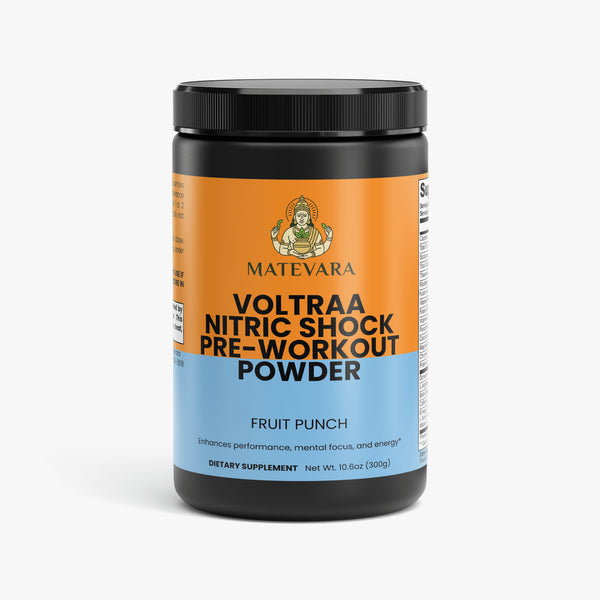
Voltraa Nitric Pre-Workout | 23 Nutrients with Creatine, Arginine AKG & Caffeine | Powder | 0.66lb (300g)

Boost Natural Energy Levels
Improve Mental Alertness
Support Metabolic Function
Enhance Physical Performance

$97.95 USD

Tax not included.
Shipping calculated at checkout.

In stock

Estimated delivery between December 14 and December 18.

Many customers have purchased this product (Results depicted are not typical. See full disclosure for average results.)
Purchase Options
Delivery Frequency

Here's how it works:
These prices don't include taxes or other fees. This subscription auto-renews. It can be skipped or cancelled at anytime.
Subscribe with Confidence View Subscription Policy

Best offers

BFCM2025
BF40OFF
Product Features
Product Ingredients

Ingredients

Ingredients

Sodium (as Sodium Citrate), Potassium (as Potassium Citrate), Vitamin B1 (as Thiamine Hydrochloride), Vitamin B2 (as Riboflavin), Vitamin B3 (as Niacin), Vitamin B6 (as Pyridoxine Hydrochloride), Folic Acid, Vitamin B12 (as Cyanocobalamin), Pantothenic Acid (as D-Calcium Pantothenate), Calcium (as Dicalcium Phosphate), Phosphorous (as Dicalcium Phosphate), Magnesium (as Magnesium Oxide), Chromium (as Chromium Nicotinate), Dicreatine Malate, L-Arginine Alpha Ketoglutarate, Beta Alanine, Caffeine, Energy/Endurance/Focus Matrix (L-Taurine, Betaine Anhydrous, Waxy Maize, L-Citrulline Malate, Glycocyamine, Glucuronolactone, L-Tyrosine, Maltodextrin, Citric Acid, Fruit Punch Flavor, Dextrose, Sucralose, Silicon Dioxide.

Product Additional Information

Additional Information

  • Flavor

    Fruit punch.

  • Manufacturer Country

    USA

  • Product Amount

    0.66lb (300g)

  • Gross Weight

    1lb (454g)

  • Suggested use

  • Mix 1 or 2 scoops in 68 ounces of cold beverage. Assess tolerance by taking 1 scoop. If well tolerated, take 1 to 2 scoops 30 minutes before working out. Do not exceed 2 scoops daily.

  • Caution

  • Do not use if under age 18. Do not use if you are pregnant or nursing. Consult a medical doctor before use if you have any medical condition or family history of any disease, including (but not limited to) hypotension, hypertension, heart, liver, or thyroid disease, diabetes, psychiatric disease, asthma, pernicious anemia, anxiety, depression, seizure disorder, cardiac arrhythmia, stroke, prostate enlargement, or if you are taking any prescription drug. 

  • Warning

  • Keep out of reach of children. Do not use if the safety seal is damaged or missing. Store in a cool, dry place.

Pay with

  • American Express
  • Apple Pay
  • Diners Club
  • Discover
  • Google Pay
  • Mastercard
  • PayPal
  • Shop Pay
  • Visa

Your transaction is protected with advanced security measures to keep your information confidential

Free Shipping
Free Returns

User Insights

Improved Energy & Balance

Establishing Your Routine: Steady Energy & Mental Clarity

Within 1-2 weeks, experience more consistent energy levels without afternoon crashes. Your body begins optimizing energy production naturally.

Finding Your Rhythm: Enhanced Stamina & Focus

After 4-6 weeks, notice improved physical stamina and sustained mental focus. Your energy levels become more stable and reliable.

Optimal Metabolic Wellness

Making It a Lifestyle: Peak Energy & Performance

By month 3, achieve optimal energy levels with enhanced physical and mental performance. Feel energized and ready for any challenge.

Benefits of Voltraa Nitric Pre-Workout | 23 Nutrients with Creatine, Arginine AKG & Caffeine | Powder | 0.66lb (300g)

Discover the key benefits that make our product stand out

Boost Natural Energy Levels

B-vitamins and energy-supporting nutrients enhance cellular energy production without crashes. Experience sustained vitality throughout your busiest days.

Improve Mental Alertness

Natural energizing compounds support cognitive function and mental clarity. Stay sharp and focused while maintaining steady energy levels.

Voltraa - Nitric Shock Pre - Workout Powder (Fruit Punch) - Matevara

Support Metabolic Function

Key nutrients optimize metabolic processes for efficient energy conversion. Your body becomes more effective at turning food into usable energy.

Enhance Physical Performance

Sustained energy support improves physical stamina and endurance. Feel more capable and energized during workouts and daily activities.

About Voltraa Nitric Pre-Workout | 23 Nutrients with Creatine, Arginine AKG & Caffeine | Powder | 0.66lb (300g)

Voltraa Nitric Pre-Workout | 23 Nutrients with Creatine, Arginine AKG & Caffeine | Powder | 0.66lb (300g)*

Support your training potential with Voltraa Nitric Pre-Workout Powder... designed to support energy, power, endurance, and mental focus* during intense training sessions. This 0.66lb (300g) container delivers a powerful combination of Dicreatine Malate, L-Arginine Alpha Ketoglutarate (AKG), Beta-Alanine, Caffeine, L-Taurine, L-Tyrosine, plus B-vitamin complex and electrolytes to help you maintain intensity during workouts and support your fitness goals*.

Manufactured in the USA, this pre-workout supplement addresses the reality that modern life leaves many people training when they're already tired—whether squeezing in morning workouts before demanding workdays or hitting the gym after exhausting days at the office. When fatigue threatens to undermine training quality and limit performance, this formula provides comprehensive nutritional support* for energy production, muscular endurance, mental focus, and the physical demands of intense exercise.

The 23-nutrient formula represents a multi-faceted approach to pre-workout supplementation, going beyond simple stimulants to support: muscular energy (creatine, B-vitamins), healthy blood flow (arginine, citrulline), muscle performance (beta-alanine), concentration (caffeine, tyrosine, taurine), hydration (electrolytes), and efficient metabolism (chromium, cofactors)*. This comprehensive strategy reflects understanding that optimal training performance requires supporting numerous physiological processes simultaneously rather than relying on single-pathway stimulation.

Dicreatine Malate combines creatine with malic acid in a bound compound that may offer advantages over standard creatine monohydrate. Creatine is one of the most studied sports nutrition ingredients, known to support ATP regeneration, muscular power, peak physical output, and muscle size* when combined with resistance training. The malate bound form may offer enhanced solubility and promote a feeling of fullness compared to monohydrate, while still delivering creatine's well-established performance benefits*.

L-Arginine Alpha-Ketoglutarate (AKG) is a precursor to nitric oxide (NO), a molecule that helps maintain the healthy function of blood vessel walls. Promoting blood flow may support oxygen delivery, nutrient transport, and a fuller look to muscles for both its feel and potential anabolic signaling properties*. While arginine's effectiveness as an NO booster has shown variable results in research, it remains popular in pre-workout formulations.

Beta-Alanine is a naturally-occurring amino acid that combines with histidine to form carnosine—a dipeptide stored in muscle tissue that acts as an intracellular buffer, helping neutralize hydrogen ions that accumulate during high-intensity exercise and contribute to muscular fatigue. Research has demonstrated that beta-alanine supplementation increases muscle carnosine levels, which may support performance in high-intensity exercise lasting 1-4 minutes* and potentially extend time to exhaustion during intense training. The characteristic tingling sensation (paresthesia) many experience with beta-alanine is harmless and typically subsides with continued use.

Caffeine provides the stimulant foundation for energy and alertness enhancement. As one of the most researched ergogenic aids available, caffeine has been shown to support exercise performance, reduce perceived exertion, enhance fat oxidation, improve mental focus and alertness, and reduce fatigue* across numerous exercise modalities. The caffeine content in this formula provides pre-workout stimulation to enhance training intensity and focus*, though sensitive individuals should assess tolerance carefully and avoid taking late in the day to prevent sleep disruption.

L-Taurine is a conditionally essential amino acid with roles in cellular hydration, bile salt formation, antioxidant function, and various other processes. In exercise contexts, research has examined taurine for potential effects on endurance, recovery, and oxidative stress management*. While mechanisms aren't fully understood, taurine appears in many energy drinks and pre-workouts due to its potential cognitive and physical performance benefits*, particularly when combined with caffeine.

L-Tyrosine is an amino acid precursor to catecholamine neurotransmitters including dopamine, norepinephrine, and epinephrine. During stressful situations—including intense exercise—catecholamine depletion may impair cognitive and physical performance. Research suggests that tyrosine supplementation may help support cognitive function, focus, and performance under stressful conditions*, making it a valuable addition to pre-workout formulas designed to maintain mental drive during demanding training sessions.

Electrolytes (290mg total) from sodium, potassium, calcium, magnesium, and phosphorus support hydration, muscle contraction, nerve signaling, and numerous other functions critical during exercise. While electrolyte depletion primarily concerns endurance activities lasting hours, pre-loading with electrolytes may support hydration status and exercise performance*, particularly in hot environments or for those who sweat heavily. The electrolyte blend helps replace minerals lost through sweat and supports optimal cellular function during training*.

B-Vitamin Complex (B1, B2, B3, B6, B12, Folic Acid, Pantothenic Acid) plays crucial roles in energy metabolism, supporting the conversion of carbohydrates, fats, and proteins into ATP—the cellular energy currency powering all biological processes including muscular contraction. B-vitamins serve as cofactors for numerous enzymatic reactions involved in energy production, making adequate B-vitamin status important for optimal exercise performance and recovery*. The comprehensive B-vitamin profile ensures the metabolic machinery for energy production has necessary cofactor support.

L-Citrulline Malate in the endurance matrix works synergistically with arginine for nitric oxide production. Citrulline converts to arginine in the kidneys, and some research suggests citrulline supplementation may be more effective than arginine alone for increasing plasma arginine levels due to avoiding first-pass metabolism. Research has examined citrulline malate for effects on exercise performance, with some studies suggesting benefits for muscular endurance and reduced fatigue*.

The Fruit Punch flavor provides an enjoyable, refreshing taste that makes pre-workout supplementation something to look forward to rather than merely tolerate. Palatability matters for consistency—when supplements taste good, people actually use them regularly, and consistency is what determines whether supplementation provides meaningful support* over time. The fruit punch flavor profile appeals to a wide range of taste preferences without being overly sweet or artificial tasting.

Important: This is a dietary supplement designed to support exercise performance and energy* when combined with proper training and nutrition. It is not intended to diagnose, treat, cure, or prevent any disease. Results depend on numerous factors including training program quality, overall nutrition, recovery practices, genetics, training experience, and consistency. No supplement creates fitness results—proper training stimulus combined with adequate nutrition and recovery determines outcomes, with supplementation potentially providing supportive benefits* when used appropriately as part of comprehensive programs.

Understanding the Top 4 Pain Points

Pain Point #1: Low Energy and Fatigue Limiting Training Quality and Intensity

Chronic fatigue and low energy affect millions who struggle to maintain training intensity and consistency when juggling demanding careers, family responsibilities, inadequate sleep, and the general exhaustion that characterizes modern life. Training when already tired—whether forcing early morning workouts before the workday or dragging yourself to the gym after exhausting days—means starting sessions already depleted, making it difficult to generate the intensity and effort required for meaningful training stimulus that drives adaptation and progress.

The energy-performance connection is direct and profound. Exercise performance—particularly high-intensity training requiring maximal or near-maximal effort—depends on adequate energy availability for muscular contraction, neural drive, cognitive engagement, and maintaining technique under fatigue. When starting workouts feeling depleted, you simply cannot generate the power output, training volumes, or sustained intensity that characterize productive training sessions that drive strength gains, muscle growth, endurance improvements, or other fitness adaptations you're training to achieve.

Training consistency challenges emerge when chronic fatigue makes each workout feel like an insurmountable obstacle requiring tremendous willpower to even begin. Motivation wavers when training consistently feels exhausting and unrewarding, leading to missed sessions, abbreviated workouts, or training at intensities too low to drive adaptation. The cumulative effect of inconsistent training—whether from actual missed sessions or consistent underperformance during workouts—significantly compromises long-term progress compared to consistent training at appropriate intensities.

The willpower depletion factor means that physical fatigue compounds decision fatigue, making it psychologically difficult to commit to training when tired. Each day involves countless decisions that deplete finite cognitive resources, and by evening many people have exhausted their willpower reserves. Adding demanding physical training on top of decision fatigue requires substantial mental energy that simply isn't available after exhausting days. Pre-workout supplements providing energy support* can reduce the activation energy required to begin training, making it psychologically easier to commit to workouts.

Sleep debt and recovery deficits create baseline fatigue that makes training consistently feel difficult. While supplements cannot replace sleep or adequate recovery, they may provide temporary energy support* that enables productive training sessions even when overall recovery status isn't optimal. For those managing chronic sleep debt from demanding schedules (new parents, shift workers, students balancing work and study), pre-workout support* can help salvage training quality during periods when optimal recovery simply isn't realistic given life circumstances.

The afternoon/evening energy slump particularly affects those training after work. Natural circadian rhythms create an afternoon alertness dip, compounded by the accumulated stress and cognitive fatigue of the workday. Training during this natural low-energy period requires overcoming both physiological and psychological fatigue. Pre-workout supplementation with energy-supporting ingredients* may help bridge this energy gap, providing the boost needed to transition from work mode to training mode and generate productive workout intensity despite baseline fatigue.

Finding pre-workout supplements with comprehensive energy-supporting ingredients including caffeine, B-vitamins, and various other compounds that may help support energy production and mental alertness* addresses the widespread challenge of maintaining training quality and consistency when starting workouts already feeling tired and depleted from life demands.

Pain Point #2: Insufficient Strength, Power, and Muscular Endurance for Training Goals

Strength and power limitations frustrate those who plateau in their training, unable to lift heavier weights, perform more repetitions, or generate the force output they're working toward. Whether goals involve competitive strength sports (powerlifting, Olympic lifting, strongman), aesthetic muscle development requiring progressive overload, or simply functional strength for daily activities, insufficient strength output means training stimulus doesn't adequately challenge muscles to adapt and grow stronger.

Muscular endurance deficits affect those who fatigue prematurely during sets, unable to complete target repetitions or maintain power output throughout training sessions. Muscular endurance—the ability to sustain repeated contractions over time or maintain power output during extended efforts—determines training volume capacity, which substantially affects total training stimulus accumulated over time. Those limited by premature muscular fatigue achieve less productive training volume than they could with better endurance support*.

The creatine-ATP relationship underlies explosive strength and power performance. ATP (adenosine triphosphate) provides immediate energy for muscular contraction, but muscles store only enough ATP for a few seconds of maximal effort. The phosphocreatine system rapidly regenerates ATP during high-intensity efforts lasting up to about 10 seconds—the duration of heavy strength sets. Creatine supplementation increases muscle phosphocreatine stores, supporting ATP regeneration capacity* and enabling slightly more work during repeated high-intensity efforts. This translates to more reps with given weights or slightly heavier weights for target reps—small edges that accumulate to meaningful differences in training stimulus over months.

Progressive overload requirements for strength and muscle growth mean you must consistently increase training stimulus—whether through heavier weights, more repetitions, more sets, or other progression methods—to drive continued adaptation. When you plateau and cannot increase loading or volume, adaptation stalls. Anything that supports slightly better performance—even marginally more reps or slightly heavier weights—enables progressive overload to continue, sustaining the training stimulus progression required for ongoing gains. Supplements supporting strength and muscular endurance* may help break through plateaus by enabling small but meaningful performance improvements.

The buffering capacity factor affects high-repetition training and muscular endurance. During intense muscular work, hydrogen ion accumulation (the "burn" you feel during high-rep sets) impairs contractile function and contributes to failure. Carnosine in muscles buffers these hydrogen ions, delaying the pH drop that impairs contraction. Beta-alanine supplementation increases muscle carnosine levels*, potentially improving buffering capacity and extending time to failure during high-intensity efforts. For those focused on hypertrophy training often involving sets of 8-15+ reps, improved buffering may support completing target reps or achieving additional reps that increase training volume.

Neurological factors in strength mean that force production requires not just muscular capacity but also neural drive—the nervous system's ability to recruit motor units and fire them at rates enabling maximal force generation. Fatigue impairs neural drive, reducing the force you can generate even when muscles are capable of more. Ingredients supporting alertness, focus, and neural function*—like caffeine and tyrosine—may help maintain neural drive during training, supporting the mind-muscle connection and intensity required for maximally productive training sessions.

Finding pre-workout supplements combining creatine for strength and ATP support, beta-alanine for muscular endurance, and various other performance-supporting ingredients* addresses limitations in strength, power, and muscular endurance that prevent achieving training intensity and volume goals required for optimal progress.

Pain Point #3: Poor Mental Focus, Mind-Muscle Connection, and Training Motivation

Mental fog and poor cognitive focus during training undermine both safety and productivity. Effective training requires sustained attention—to form and technique (preventing injury), to target muscles (mind-muscle connection enhancing muscle activation), to training parameters (tracking reps, weights, rest periods), and to the discomfort of intense effort (maintaining intensity despite fatigue). When mental focus is poor, training becomes both less safe (form breaks down, injury risk increases) and less productive (reduced muscle activation, inability to push through discomfort, unfocused efforts).

The mind-muscle connection concept describes intentional focus on target muscles during exercises, consciously feeling the contraction and controlling movement tempo and range of motion to maximize mechanical tension in intended muscles. Research suggests that internal focus (attention on muscle contraction) may enhance muscle activation compared to external focus or unfocused lifting, potentially improving training effectiveness. Poor mental focus impairs the ability to maintain this internal attention, resulting in more mechanical, less intentional movement that may not optimally stimulate target muscles.

Training motivation and mental drive fluctuate based on energy levels, stress, mood, and countless other factors. On low-motivation days, the mental effort required to push through difficult sets, complete planned training volumes, or maintain intensity throughout sessions can feel overwhelming. This psychological resistance leads to abbreviated workouts, reduced effort, or skipped sessions entirely. While motivation should ideally come from intrinsic sources (goals, values, identity as someone who trains consistently), realistically most people experience motivation fluctuations. Support for mental energy and drive* may help overcome the psychological inertia on difficult days.

Distraction and gym anxiety affect those who struggle to focus during training due to gym environment distractions, social anxiety in fitness facilities, or simply mental preoccupation with work stress, personal concerns, or competing cognitive demands. Inability to mentally engage with training—constantly distracted, socially uncomfortable, or ruminating about other issues—prevents the focused attention required for productive, safe training. Ingredients supporting alertness and cognitive function* may help create the mental state conducive to focused, engaged training.

The caffeine-dopamine-motivation pathway involves caffeine's effects on adenosine receptors and dopamine signaling. Caffeine blocks adenosine receptors (adenosine promotes drowsiness), creating wakefulness and alertness. Caffeine also affects dopamine signaling involved in motivation, reward, and motor control. These effects combine to create the mental state—alert, motivated, ready to engage—that supports productive training. While chronic caffeine dependence has downsides, strategic pre-workout caffeine use may provide acute mental performance benefits* supporting training focus and drive.

Stress hormones and cognitive performance connect psychological stress to training performance. Chronic stress elevates cortisol, which impairs cognitive function, working memory, and executive control. The cumulative stress of demanding days affects training by impairing the cognitive resources needed for focused, intentional training. Tyrosine supplementation may support catecholamine synthesis during stress*, potentially helping maintain cognitive performance when stress would otherwise impair focus and drive. For those training after stressful workdays, cognitive support* may help compartmentalize work stress and engage mentally with training.

Finding pre-workout supplements combining caffeine for alertness, tyrosine for cognitive support, and taurine for focus that may help support mental clarity, focus, and motivation* addresses the psychological and cognitive aspects of training that determine whether you can generate the mental drive and engagement required for maximally productive, focused training sessions.

Pain Point #4: Dehydration, Electrolyte Imbalances, and Performance Degradation

Dehydration's performance impact is well-documented—even modest fluid losses (2% body weight) can significantly impair exercise performance, cognitive function, and thermoregulation. Dehydration reduces blood volume, increasing cardiovascular strain, impairing heat dissipation, reducing muscular blood flow, and compromising exercise capacity. Many people start workouts already somewhat dehydrated from inadequate daily fluid intake, then lose additional fluids through sweating during exercise, compounding deficits. The cumulative effect substantially undermines training quality and increases heat-related risk.

Electrolyte depletion particularly affects sodium and potassium, which play crucial roles in nerve signaling, muscle contraction, and fluid balance. While electrolyte depletion concerns primarily endurance athletes losing substantial electrolytes through prolonged sweating, even shorter intense training sessions deplete electrolytes through sweat. Sodium is the primary electrolyte lost in sweat, and inadequate sodium intake or excessive losses can impair performance and create cramping risk. Pre-loading with electrolytes may help offset losses and support hydration status* during training.

Muscle cramping concerns frustrate those experiencing painful cramps during or after training. While cramping has complex, incompletely understood causes, electrolyte imbalances (particularly sodium, potassium, calcium, magnesium) contribute to cramping susceptibility. Inadequate electrolyte intake relative to losses, dehydration, and muscular fatigue all increase cramping risk. Ensuring adequate electrolyte status through diet and potentially supplementation* may reduce cramping frequency and severity, allowing training to continue without painful interruptions.

The sodium-performance relationship extends beyond just preventing deficits. Sodium is crucial for fluid retention and blood volume maintenance. Athletes consuming low-sodium diets or losing substantial sodium through sweating may benefit from pre-exercise sodium loading to optimize hydration status and blood volume, potentially supporting cardiovascular function and exercise performance*. The sodium in pre-workout formulations contributes to this pre-exercise hydration optimization, particularly valuable for those training in heat or who are heavy sweaters.

Thermoregulation during exercise depends on adequate hydration and electrolyte balance. As core temperature rises during exercise, the body dissipates heat primarily through sweating and evaporative cooling. This process requires adequate fluid availability and properly functioning sweat response. Dehydration impairs both sweat rate and skin blood flow, compromising heat dissipation and increasing heat stress. In hot environments or during intense training, this can become a safety concern beyond just performance impact. Supporting optimal hydration status* helps ensure effective thermoregulation.

The comprehensive hydration approach recognizes that optimal hydration for exercise requires more than just water—it requires electrolyte balance, appropriate timing (pre-loading fluids before exercise, consuming fluids during if needed, rehydrating afterward), and attention to sweat losses and environmental conditions. Pre-workout supplements providing electrolytes* contribute to this comprehensive approach by helping ensure adequate electrolyte status heading into training sessions where losses will occur. While not replacing proper daily hydration habits, pre-workout electrolyte provision* adds a layer of hydration support.

Finding pre-workout supplements containing electrolyte blends (sodium, potassium, calcium, magnesium) that may help support hydration status, muscle function, and performance* addresses the often-overlooked hydration and electrolyte factors that significantly affect training quality, particularly for those training intensely, in heat, or who struggle with adequate daily hydration.

How Voltraa Nitric Shock Pre-Workout Provides Support

Supporting Energy Production and Alertness

The caffeine content provides the stimulant foundation for enhanced alertness, energy, and focus. Research has extensively documented caffeine's ergogenic (performance-enhancing) effects across numerous exercise modalities. Meta-analyses examining hundreds of studies conclude that caffeine supplementation (typically 3-6mg per kg body weight, consumed 30-60 minutes pre-exercise) may significantly improve exercise performance* including muscular strength and endurance, aerobic endurance, power output, and sprint performance.

Caffeine's mechanisms involve adenosine receptor antagonism (blocking adenosine's drowsiness-promoting effects, creating wakefulness), enhanced catecholamine release (increasing epinephrine and norepinephrine for arousal and lipolysis), increased calcium release in muscle (potentially enhancing contractility), and central nervous system stimulation reducing perceived exertion (exercise feels less difficult at given intensities). These combined effects create the alert, energized, motivated state conducive to high-quality training.

B-vitamin complex supports energy metabolism at the enzymatic level. B1 (thiamine) plays roles in carbohydrate metabolism and neural function; B2 (riboflavin) is crucial for FAD/FADH2 involved in electron transport; B3 (niacin) forms NAD/NADH essential for glycolysis and oxidative phosphorylation; B6 (pyridoxine) is involved in amino acid metabolism and glycogen breakdown; B12 (cobalamin) is necessary for red blood cell formation and neurological function; folate supports nucleotide synthesis and cell division; pantothenic acid forms coenzyme A central to energy metabolism. Ensuring adequate B-vitamin status* supports the metabolic machinery for converting food into ATP.

Glucuronolactone appears in many energy drinks and pre-workouts, though research on its specific performance effects is limited. Structurally related to glucose, glucuronolactone is involved in carbohydrate metabolism and detoxification processes. While mechanisms aren't well-established, it's commonly included in energy formulations for potential synergistic effects with caffeine* and other ingredients, though individual contribution to performance enhancement requires more research to clarify.

Chromium (as Chromium Nicotinate) plays roles in insulin signaling and macronutrient metabolism. While chromium deficiency is rare in developed countries, some research has examined chromium supplementation for potential effects on glucose metabolism, insulin sensitivity, and body composition*, particularly in combination with exercise. The chromium inclusion supports metabolic function and glucose utilization* during exercise, though dramatic effects should not be expected from the modest doses in pre-workout formulas.

By combining *caffeine for stimulation and alertness, comprehensive B-vitamins for energy metabolism support, and various cofactors, this formula addresses multiple pathways involved in energy production and perceived energy levels, potentially supporting the alertness and energy required for demanding training sessions.

Supporting Strength, Power, and Muscular Performance

Dicreatine Malate delivers creatine—one of the most extensively researched and validated sports supplements available. Hundreds of studies document creatine's ability to support strength, power output, lean muscle mass gains (when combined with resistance training), high-intensity exercise performance, and ATP regeneration*. Creatine supplementation increases muscle phosphocreatine stores by approximately 10-40% (depending on baseline levels), supporting ATP resynthesis during high-intensity efforts*.

The malate bound form may offer some advantages over standard creatine monohydrate. Malic acid (malate) is involved in the Krebs cycle (citric acid cycle) central to aerobic energy production, potentially providing additional metabolic support*. Some users report that malate forms cause less water retention or gastric discomfort compared to monohydrate, though research directly comparing forms is limited. Regardless of specific form, creatine supplementation consistently demonstrates performance benefits* when combined with appropriate training.

Glycocyamine (guanidinoacetate) is a creatine precursor—the body converts glycocyamine to creatine in the liver. Including creatine precursors alongside creatine itself may benefit "non-responders"—individuals who don't significantly increase muscle creatine levels with standard supplementation, possibly due to saturation or limited synthesis capacity. While research specifically on glycocyamine supplementation is limited, the rationale for including precursors to support endogenous creatine synthesis* has theoretical merit for maximizing creatine availability.

Beta-Alanine increases muscle carnosine levels, supporting intracellular pH buffering capacity*. Research shows that 4-6 weeks of beta-alanine supplementation (typically 3.2-6.4g daily) significantly increases muscle carnosine levels, which correlates with improved performance in high-intensity exercises lasting 1-4 minutes*. Studies demonstrate that beta-alanine may support increased training volume, time to exhaustion, and performance in repeated high-intensity efforts*—all relevant to typical resistance training sessions involving multiple challenging sets.

Betaine Anhydrous (trimethylglycine) has been studied for potential effects on strength, power, and body composition. Some research suggests betaine supplementation may support power output, muscular endurance, and training volume* when combined with resistance training, though results across studies show variability. Betaine plays roles in methylation reactions and may affect cellular hydration, potentially contributing to performance through multiple mechanisms. While not as extensively validated as creatine, betaine represents a promising ergogenic aid* supported by preliminary research.

By combining *creatine for ATP support and strength, beta-alanine for muscular endurance and buffering, betaine for power output, and creatine precursors, this formula provides multi-pathway support for strength, power, and muscular performance during resistance training and high-intensity exercise.

Supporting Nitric Oxide Production and Blood Flow

L-Arginine Alpha-Ketoglutarate (AKG) combines the amino acid L-arginine with alpha-ketoglutarate (AKG), a Krebs cycle intermediate. Arginine serves as substrate for nitric oxide synthase enzymes that produce nitric oxide (NO), a signaling molecule causing vasodilation (blood vessel relaxation and widening). Enhanced blood flow to working muscles theoretically supports nutrient and oxygen delivery, waste removal, and potentially anabolic signaling*, while creating the muscle "pump" many trainees value.

The arginine research shows mixed results—while arginine clearly is a NO precursor, oral arginine supplementation doesn't always significantly increase NO production or improve exercise performance in research studies. This may reflect first-pass metabolism (arginine being metabolized in the liver/gut before reaching circulation), individual variation in response, or that other factors limit NO production more than arginine availability. Despite inconsistent research outcomes, arginine remains popular in pre-workouts for its theoretical benefits and the subjective "pump" sensation many experience.

L-Citrulline Malate may be more effective than arginine alone for increasing plasma arginine levels and supporting NO production*. Citrulline converts to arginine in the kidneys, bypassing first-pass hepatic metabolism that reduces oral arginine's effectiveness. Research on citrulline malate has shown some promising results for exercise performance, with studies suggesting potential benefits for reducing fatigue, improving muscular endurance, and supporting recovery*. The combination of citrulline and arginine may provide more comprehensive NO support* than either alone.

Nitric oxide's roles extend beyond just blood flow. NO is involved in glucose uptake, mitochondrial biogenesis, muscle contractility, and various other processes relevant to exercise performance and recovery. While the "pump" (temporary muscle engorgement from increased blood flow) is the most obvious effect many experience, NO's broader physiological roles may contribute to performance and adaptation in less immediately apparent ways. Supporting NO production* represents a multi-faceted ergogenic strategy.

The waxy maize inclusion (a high-molecular-weight carbohydrate source) provides rapidly-digesting carbohydrates that may support glycogen availability and insulin response. Insulin has anabolic signaling properties and may work synergistically with NO-boosting ingredients for nutrient delivery to muscles*. The carbohydrate also provides readily-available energy substrate and may enhance absorption and utilization of other ingredients. While not the primary performance driver, carbohydrate inclusion supports the overall pre-workout strategy*.

By including *arginine, citrulline, and supporting ingredients that may promote nitric oxide production and blood flow, this formula addresses the vascular aspect of performance support, potentially enhancing nutrient delivery, creating training "pump," and supporting the circulatory demands of intense exercise.

Supporting Cognitive Function, Focus, and Mental Drive

L-Tyrosine supports synthesis of catecholamine neurotransmitters (dopamine, norepinephrine, epinephrine) that play crucial roles in cognition, motivation, mood, and stress responses. Research suggests that tyrosine supplementation may help maintain cognitive performance under stressful conditions*—including cold exposure, sleep deprivation, multitasking demands, and potentially intense exercise—when catecholamine demands exceed synthesis capacity. For training sessions that are both physically and mentally demanding, tyrosine may support sustained mental performance*.

L-Taurine is one of the most abundant amino acids in the body with roles in membrane stability, calcium handling, antioxidant function, and various other processes. In exercise contexts, research has examined taurine for potential effects on endurance performance, oxidative stress, and recovery*. While mechanisms aren't fully clear, taurine commonly appears in energy drinks and pre-workouts based on evidence suggesting cognitive and physical performance benefits*, particularly in combination with caffeine.

The caffeine-tyrosine-taurine combination creates synergy for cognitive enhancement. Caffeine provides stimulation and alertness; tyrosine supports catecholamine synthesis that caffeine helps mobilize; taurine may modulate some of caffeine's effects while providing its own benefits. This multi-ingredient cognitive support* strategy addresses multiple aspects of mental performance—alertness, focus, motivation, stress resilience—that collectively determine training mental game.

Electrolytes and cognitive function connect through multiple mechanisms—sodium and potassium are crucial for nerve signaling, calcium affects neurotransmitter release, and dehydration (which electrolytes help prevent) significantly impairs cognitive performance. While the electrolyte content primarily targets physical performance, maintaining optimal electrolyte balance* supports the neurological function underlying both muscular contraction and cognitive performance during training.

By combining *caffeine for alertness, tyrosine for neurotransmitter support, taurine for cognitive function, and other complementary ingredients, this formula provides comprehensive support for the mental aspects of training performance—focus, motivation, drive, stress resilience—that are as important as physical capacity for maximizing training quality.

Complete Ingredient Profile

Vitamins & Minerals:

  • Sodium (as Sodium Citrate) – Primary electrolyte lost in sweat; crucial for fluid balance, nerve signaling, muscle contraction*
  • Potassium (as Potassium Citrate) – Key electrolyte for muscle function, nerve transmission, fluid balance*
  • Vitamin B1 (Thiamine Hydrochloride) – Cofactor in carbohydrate metabolism and ATP production*
  • Vitamin B2 (Riboflavin) – Component of FAD involved in energy metabolism*
  • Vitamin B3 (Niacin) – Forms NAD/NADH essential for glycolysis and oxidative phosphorylation*
  • Vitamin B6 (Pyridoxine Hydrochloride) – Involved in amino acid metabolism, glycogen breakdown, neurotransmitter synthesis*
  • Folic Acid – Supports cell division, DNA synthesis, red blood cell formation*
  • Vitamin B12 (Cyanocobalamin) – Essential for red blood cell production and neurological function*
  • Pantothenic Acid (D-Calcium Pantothenate) – Forms coenzyme A, central to energy metabolism*
  • Calcium (as Dicalcium Phosphate) – Muscle contraction, nerve signaling, bone health*
  • Phosphorus (as Dicalcium Phosphate) – Component of ATP, phosphocreatine, involved in energy metabolism*
  • Magnesium (as Magnesium Oxide) – Cofactor in 300+ enzymatic reactions, muscle relaxation, energy production*
  • Chromium (as Chromium Nicotinate) – Supports insulin signaling and glucose metabolism*

Performance & Energy Matrix:

  • Dicreatine Malate – Creatine bound with malic acid; supports ATP regeneration, strength, power, lean muscle*
  • L-Arginine Alpha Ketoglutarate – NO precursor; may support blood flow, nutrient delivery, muscle "pump"*
  • Beta Alanine – Increases muscle carnosine for pH buffering; supports muscular endurance*
  • Caffeine – Central nervous system stimulant; enhances alertness, energy, performance, reduces perceived exertion*
  • L-Taurine – Amino acid supporting cellular hydration, cognitive function, exercise performance*
  • Betaine Anhydrous – Supports power output, muscular endurance, cellular hydration*
  • Waxy Maize – Fast-digesting carbohydrate; provides energy substrate and may enhance ingredient absorption*
  • L-Citrulline Malate – Converts to arginine; may support NO production and blood flow more effectively than arginine alone*
  • Glycocyamine – Creatine precursor; may support endogenous creatine synthesis for "non-responders"*
  • Glucuronolactone – Metabolite involved in carbohydrate metabolism; commonly included in energy formulations*
  • L-Tyrosine – Precursor to catecholamines; supports cognitive function, focus, stress resilience*

Other Ingredients:

  • Maltodextrin – Carbohydrate for energy and as carrier
  • Citric Acid – Acidulant for flavor
  • Fruit Punch Flavor – Natural and artificial flavoring
  • Dextrose – Simple sugar for quick energy
  • Sucralose – Non-caloric sweetener
  • Silicon Dioxide – Anti-caking agent

Product Specifications:

  • Form: Powder
  • Flavor: Fruit Punch
  • Container Size: 0.66lb (300g)
  • Gross Weight: 1lb (454g)
  • Serving Size: 1-2 scoops
  • Servings Per Container: Varies by scoop size
  • Manufacturing: USA

Important Usage Information:

  • Not for those under 18
  • Not for pregnant or nursing women
  • Requires medical consultation for those with medical conditions or family history of disease
  • Assess tolerance with 1 scoop initially
  • Do not exceed 2 scoops daily
  • Take 30 minutes before training

Why Choose Voltraa Nitric Shock Pre-Workout?

1. Comprehensive 23-Nutrient Formula Multi-pathway support addressing energy, strength, endurance, blood flow, focus, and hydration—not just stimulant energy.

2. Evidence-Based Ingredients Includes creatine, beta-alanine, caffeine, citrulline—ingredients with substantial research supporting exercise performance benefits*.

3. Made in USA Domestic manufacturing ensures quality oversight and production standards.

4. Delicious Fruit Punch Flavor Enjoyable taste makes pre-workout supplementation something to look forward to, supporting consistent use.

5. Flexible Dosing 1-2 scoop serving allows tolerance assessment and customization based on body weight, caffeine sensitivity, training intensity.

6. Complete B-Vitamin Complex All essential B-vitamins support energy metabolism at the enzymatic level.

7. Electrolyte Blend 290mg total electrolytes support hydration, muscle function, and performance*.

8. Cognitive Support Blend Caffeine, tyrosine, taurine combination supports mental focus, drive, and training engagement*.

9. NO Support Strategy Both arginine and citrulline for comprehensive nitric oxide production support*.

10. Creatine Matrix Includes both creatine and creatine precursors potentially benefiting various responder types.

How to Use for Optimal Results

Initial Tolerance Assessment:

Start with 1 scoop mixed in 6-8 ounces of cold water to assess tolerance, particularly for caffeine sensitivity.

Standard Dosing:

Once tolerance is confirmed, take 1-2 scoops mixed in 6-8 ounces of cold beverage 30 minutes before training.

Timing Recommendations:

30-60 Minutes Pre-Workout: Optimal timing for caffeine and other ingredients to reach peak blood levels during training.

Avoid Evening Use: If training in evening, consider caffeine's half-life (3-7 hours) and potential sleep disruption—may need to train without pre-workout or use only 1 scoop.

Important Guidelines:

  • Do not exceed 2 scoops daily
  • Start with 1 scoop to assess tolerance
  • Mix with cold beverage and consume promptly
  • Shake or stir thoroughly to ensure complete dissolution
  • Take on training days only (not necessary on rest days)
  • Cycle periodically (e.g., 8-12 weeks on, 1-2 weeks off) to maintain caffeine sensitivity
  • Stay well-hydrated throughout day and during training

Usage Tips for Maximum Benefits

1. Time Intake Appropriately 30 minutes before training allows ingredients to reach peak blood levels during your workout.

2. Start with Lower Dose Assess tolerance with 1 scoop before advancing to 2 scoops—individual caffeine sensitivity varies dramatically.

3. Stay Hydrated Drink plenty of water before, during, and after training—pre-workout supplements support but don't replace proper hydration.

4. Use on Training Days Only Reserve pre-workout for actual training sessions to maintain effectiveness and avoid building excessive stimulant tolerance.

5. Avoid Late-Day Use Don't take within 6+ hours of bedtime if caffeine affects your sleep—quality sleep is crucial for recovery.

6. Cycle Periodically Take occasional breaks (1-2 weeks off every 8-12 weeks) to reset caffeine tolerance and maintain effectiveness.

7. Combine with Proper Nutrition Eat balanced pre-workout meal 2-3 hours before training (or smaller snack 30-60 minutes before)—supplements support but don't replace nutrition.

8. Don't Mix with Other Stimulants Avoid combining with coffee, energy drinks, or other caffeine sources to prevent excessive stimulant intake.

9. Listen to Your Body Discontinue if you experience negative effects (jitters, nausea, racing heart, anxiety)—not everyone tolerates pre-workouts.

10. Match Training Intensity Reserve pre-workout for demanding training sessions where the support meaningfully enhances performance—unnecessary for light/recovery workouts.

Quality & Safety Information

Manufacturing: Voltraa Nitric Shock is manufactured in the USA following dietary supplement production standards.

Safety Guidelines:

NOT FOR:

  • Anyone under 18 years of age
  • Pregnant or nursing women
  • Those with medical conditions without medical consultation
  • Those with family history of heart disease, hypertension, psychiatric conditions, or other diseases without medical approval

Medical Consultation Required For:

  • Any diagnosed medical condition
  • Hypertension or hypotension
  • Heart, liver, thyroid, or kidney disease
  • Diabetes
  • Psychiatric conditions
  • Asthma
  • Anxiety, depression, or seizure disorders
  • Cardiac arrhythmia or stroke history
  • Prostate enlargement
  • Anyone taking prescription medications

Potential Side Effects:

  • Caffeine-related: jitters, anxiety, increased heart rate, sleep disruption
  • Beta-alanine: harmless tingling sensation (paresthesia)
  • Gastric upset in sensitive individuals
  • Headaches, nausea (if overly sensitive or taking excessive doses)

Contraindications:

  • Do not use if under 18
  • Do not use if pregnant or nursing
  • Do not combine with other stimulants
  • Do not exceed recommended dose
  • Discontinue 2 weeks before surgery

Storage:

  • Store in cool, dry place
  • Keep tightly sealed
  • Keep out of reach of children
  • Do not use if safety seal is damaged

Who Will Benefit from This Product?

Strength and Power Athletes: Those training for maximal strength, power output, and explosive performance in powerlifting, Olympic lifting, strongman, throwing events.

Bodybuilders and Physique Athletes: Individuals focused on muscle hypertrophy and training volume requiring sustained intensity across multiple sets.

CrossFit and Functional Fitness Athletes: Those performing high-intensity varied training demanding strength, endurance, and mental toughness.

General Fitness Enthusiasts: People engaged in regular resistance training or intense cardio seeking to maximize training quality and results.

Early Morning Trainers: Those who train before work needing energy boost to overcome morning grogginess and generate training intensity.

After-Work Gym-Goers: Individuals training after exhausting workdays requiring energy and focus support to salvage training quality.

Athletes Experiencing Plateaus: Those whose progress has stalled potentially benefiting from ergogenic support for breaking through performance barriers.

Busy Professionals and Parents: People juggling demanding schedules and chronic fatigue needing energy support to maintain training consistency.

Those Seeking Comprehensive Support: Individuals wanting multi-pathway performance enhancement beyond simple stimulant energy.

Experienced Pre-Workout Users: Those who've used pre-workouts before and know they tolerate and benefit from these formulations.

Understanding Key Ingredients

Creatine

Creatine monohydrate is the most extensively researched sports supplement, with hundreds of studies documenting its safety and efficacy. The International Society of Sports Nutrition position statement on creatine concludes that it is the most effective ergogenic nutritional supplement currently available for increasing high-intensity exercise capacity and lean body mass during training*. Creatine supplementation typically increases muscle creatine and phosphocreatine content by 10-40%*, supporting ATP regeneration during high-intensity efforts.

Beta-Alanine

Beta-alanine supplementation (typically 3.2-6.4g daily for 4+ weeks) increases muscle carnosine levels by 40-80%. Research shows this translates to improved performance in exercises lasting 1-4 minutes, increased training volume, and delayed fatigue. A meta-analysis in Amino Acids found that beta-alanine significantly improved exercise performance in efforts lasting 60-240 seconds*.

Caffeine

Caffeine is one of the most studied ergogenic aids, with meta-analyses consistently showing performance benefits across diverse exercise modalities*. A comprehensive review in the British Journal of Sports Medicine concluded that caffeine (3-6mg/kg) improves muscular endurance, muscular strength, anaerobic power, and aerobic endurance*.

Scientific References

Research on pre-workout ingredients:

  1. Creatine - ISSN Position Stand:
  1. Beta-Alanine Meta-Analysis:
  1. Caffeine and Exercise Performance:
    • Southward K, et al. "The Effect of Acute Caffeine Ingestion on Endurance Performance: A Systematic Review and Meta-Analysis." Sports Medicine. 2018;48(8):1913-1928.
    • https://pubmed.ncbi.nlm.nih.gov/29876876/
  1. Citrulline Malate:
  1. Tyrosine and Stress:

Note: These references are for educational purposes. This product supports exercise performance and is not intended to treat disease.*

Important Disclaimer

FDA/FTC Disclaimer: These statements have not been evaluated by the Food and Drug Administration. This product is not intended to diagnose, treat, cure, or prevent any disease.

Product Classification: Voltraa Nitric Shock Pre-Workout Powder is a dietary supplement designed to support exercise performance, energy, and training intensity* when combined with appropriate training programs. This product is not a drug, pharmaceutical treatment, or medical therapy.

Not for Disease Treatment: This supplement supports exercise performance and training outcomes* and is not intended to treat any medical conditions. For diagnosed health conditions, consult appropriate healthcare providers for evidence-based medical treatment.

Individual Results Vary: Responses to pre-workout supplementation vary dramatically based on genetics, caffeine tolerance, training experience, diet quality, sleep status, baseline fitness, and countless other variables. The information provided is for educational purposes and should not be considered medical advice or expected typical results.

Age Restrictions: DO NOT USE if under 18 years of age. This product is formulated for adult use only.

Pregnancy/Nursing: DO NOT USE if pregnant or nursing. Stimulants and other ingredients are contraindicated during pregnancy and lactation.

Medical Consultation Required: Consult medical doctor before use if you have or have family history of:

  • Heart, liver, thyroid, or kidney disease
  • Hypertension or hypotension
  • Diabetes or blood sugar issues
  • Psychiatric conditions, anxiety, depression
  • Seizure disorders
  • Cardiac arrhythmia or stroke
  • Prostate enlargement
  • Any medical condition or take any prescription medication

Comprehensive Approach Required: Exercise performance depends primarily on training program quality, progressive overload, adequate nutrition (calories, protein, carbohydrates), recovery (sleep, stress management), and consistency. Supplementation may provide supportive benefits* but cannot replace these fundamental factors determining training outcomes.

Quality Information: While manufactured in the USA following supplement production standards, statements about this product have not been evaluated by the FDA. Use only as directed on the label.

Frequently Asked Questions

▶ When should I take this pre-workout?
▶ Can I take this every day?
▶ Why do I feel tingling after taking this?
▶ Can I take this with other supplements?
▶ Will this help me build muscle or lose fat?
▶ Is this safe for women?
▶ Do I need to load creatine separately?
▶ Can I take this on an empty stomach?
▶ What if I'm sensitive to caffeine?
▶ How long does this last?

REQUIRED FDA/FTC DISCLAIMER:

*These statements have not been evaluated by the Food and Drug Administration. This product is not intended to diagnose, treat, cure, or prevent any disease. Individual results may vary. This supplement is intended to support general wellness and should not replace a varied, balanced diet and healthy lifestyle. Always consult with a qualified healthcare professional before beginning any dietary supplement, especially if you are pregnant, nursing, have a medical condition, or are taking prescription medications.


Important Safety & Usage Warning:

Do not exceed recommended dose. Pregnant or nursing mothers, children under the age of 18, and individuals with a known medical condition should consult a physician before using this or any dietary supplement.

Keep out of reach of children. Store in a cool, dry place.

Disclaimer: 

*These statements have not been evaluated by the Food and Drug Administration. This product is not intended to diagnose, treat, cure, or prevent any disease. Individual results may vary. This supplement is intended to support general wellness and should not replace a varied, balanced diet and healthy lifestyle. Always consult with a qualified healthcare professional before beginning any dietary supplement, especially if you are pregnant, nursing, have a medical condition, or are taking prescription medications.

Gluten-free Lactose-free Allergen-free No fillers

FAQs

Ingredients Science & Research Insights

Clinical Practice

L-arginine and Hypertension

L-arginine has been shown to reduce systemic blood pressure in some forms of experimental hypertension.

Holistic and Preventive Health Support

Effects of caffeine supplementation on muscle endurance, maximum strength, and perceived exertion

Caffeine supplementation showed a significant ergogenic effect on muscle endurance and maximum strength in the bench press exercise.

Natural Search

Beta Alanine for Athletic Performance

Recent data indicate that athletes may be using Beta-alanine supplementation to enhance sports performance and as a training aid to augment high-intensity training.

Customer Experiences & Results.

Pretty - Collagen Gummies (Adult) - Matevara

Pretty Collagen Gummies | Collagen Peptides + Vitamin C & Biotin | Orange Flavor | Hair, Skin & Nails | 60 Gummies

$64.95 USD

Trimexa - Keto - 5 - Matevara

Trimexa Keto-5 | Raspberry Ketone, Green Tea, Garcinia Cambogia | Keto Support Capsules | 60 Count | Supports Metabolic Balance & Energy*

$58.95 USD

Strenxa - Creatine Monohydrate - Matevara

Strenxa Creatine Monohydrate | Pure Micronized Powder | Muscle & Performance Support | 250g (0.55lb)*

$83.95 USD

Nexus - Berberine - Matevara

Nexus Berberine HCL Supplement | 97% Berberine Hydrochloride Extract | Metabolic & Cardiovascular Support Capsules | 60 Count

$66.95 USD

AgniLean Metabolism Support Capsules | MCT Oil & L-Carnitine | 90 Vegetarian Capsules | USA Made*

AgniLean Metabolism Support Capsules | MCT Oil & L-Carnitine | 90 Vegetarian Capsules | USA Made*

$67.95 USD